Recipe: Spaghetti Squash Spaghetti

paleobetic diet, diabetic diet, low-carb diet, spaghetti squash, spaghetti

Meaty spaghetti sauce over spaghetti squash

Recently we’ve looked at low-carb spaghetti sauce and cooking spaghetti squash. It’s not too much of a stretch to put them together and call it spaghetti. Substituting spaghetti squash for spaghetti pasta means lower calories and more fiber per serving. And everybody needs to eat more vegetables, right?

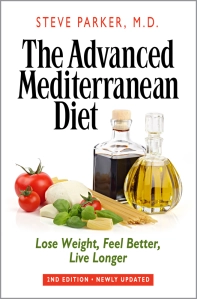
Use the nutritional analysis below to fit this easily into the Advanced Mediterranean Diet or Low-Carb Mediterranean Diet.

paleobetic diet, spaghetti, squash, low-carb diet, diabetic diet, paleo diet

Cooked spaghetti squash partially teased apart with a fork

Ingredients:

3/4 cup (240 ml) low-carb spaghetti sauce

2 cups (480 ml) cooked spaghetti squash

Instructions:

Prepare the ingredients after clicking on links above. Assemble as in the photo. Enjoy.

Number of Servings: 1

Advanced Mediterranean Diet boxes: 2 veggies, 2 fats, 1/2 protein

Nutritional Analysis: 

52% fat

33% carbohydrate

15% protein

408 calories

36 g carbohydrate

7 g fiber

29 g digestible carbohydrate

1,398 mg sodium

1,201 mg potassium

Prominent features: Rich in B12, copper, iron, niacin, thiamin, B6

Countering Constipation on a Ketogenic Diet

I’ll admit that constipation can be an occasional problem with my Ketogenic Mediterranean Diet. I usually recommend fighting it with higher fiber consumption, Metamucil, or cabbage soup.

Georgia Ede, M.D., has a good article on constipation that is sometimes seen with ketogenic diets. Some think it’s related to low fiber content of the diet. But Dr. Ede found a study that indicates cutting down on fiber consumption helps alleviate constipation! A quote from the good doctor:

If you experience constipation on a ketogenic diet, it is not because you are eating less fiber; it is most likely because you have started eating something that you were not eating before (or a larger amount of something you didn’t eat much of before) that is hard for you to digest. In order to eat a ketogenic diet, which is a high-fat, limited protein, ultra-low-carb diet, most people find themselves turning to high amounts of foods that are notoriously difficult to digest, including nuts, low-starch vegetables such as crucifers, and full-fat dairy products.These foods just so happen to be 3 of the top 5 causes of chronic constipation, regardless of what kind of diet you choose to eat.

Read the whole enchilada for her tips on countering constipation.

Steve Parker, M.D.

Have You Tried Roasted Radishes?

I’m not a big fan of radishes, but a recent post by Darya Pino Rose got me interested in roasting some. Roasting mellows them out. According to NutritionData.com, a half cup of raw sliced radishes has only 2 grams of digestible carbohydrate. That would also supply 29% of the adult RDA for vitamin C, 7% of folate, and 8% of potassium. Antioxidants? Other phytochemicals? Googling “nutritional benefits of radishes” yields a bunch of unreliable sources.

Click for the roasted radish recipe recommended by Darya.

Sardines and Avocado Together? Ewwww!!??

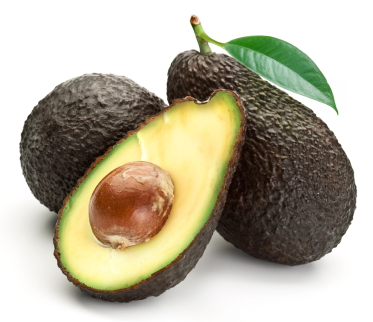
California or Hass avocado

California or Hass avocado

Several years ago, Alton Brown lost a major amount of weight, and one of the items on his diet was sardine-avocado sandwiches. I like sardines. I like avocados. But I never ever would have considered eating them mixed together.

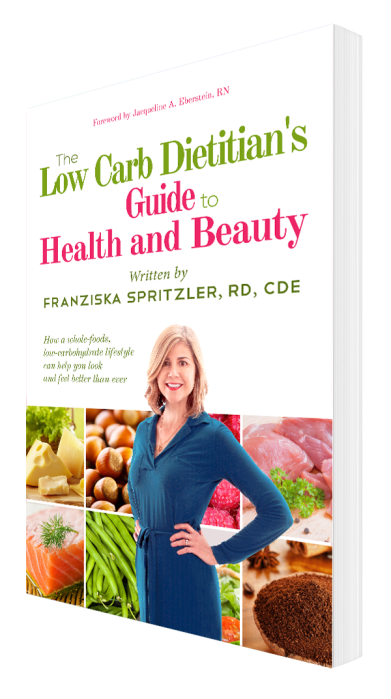
I recently read Franziska Spritzler’s The Low Carb Dietitian’s Guide to Health and Beauty (great book; my review). One of her recipes involves the sardine-avocado combo, so I’m resolved to give it a try. Her recipe was simply 4 oz (120 g) canned sardines mixed with 1/2 medium avocado and sea salt, stuffed in a large red bell pepper. I bet the sardine-avocado mix would be good on a bed of lettuce if I don’t have a bell pepper. A little black pepper and a squeeze of lemon, too?

I may even try Franziska’s Chocolate Avocado Pudding, another combo I never would have imagined.

Click for Alton Brown’s sardicado sandwich.

Steve Parker, M.D.


Book Review: The Low Carb Dietitian’s Guide to Health and Beauty, by Franziska Spritzler

247 pages

247 pages

I just finished The Low Carb Dietitian’s Guide to Health and Beauty,
written by Franziska Spritzler, RD, CDE, and published last month. CDE, but the way, means Certified Diabetes Educator. Per Amazon’s rating system, I give it five stars (I love it).

*   *   *

This valuable addition to the low-carb literature is unique: No other book covers the beauty and health aspects of low-carb eating specifically in women.

I’m a strong proponent of carbohydrate-restricted eating for weight management and cure or control of certain medical conditions. The great advantages of low-carbing for weight loss are 1) suppression of hunger, and 2) proven greater efficacy compared to other types of dieting. Nevertheless, I wasn’t aware that this way of eating also had potential benefits in terms of beauty maintenance or improvement. The author persuasively makes that case in this ground-breaking book.

Just because she has RD (registered dietitian) behind her name doesn’t mean you just have to take her word for it. Franziska gives us references to the scientific literature if you want to check it out yourself.

The author focuses on health and beauty; the weight loss happens naturally with low-carb eating. That’s a helpful “side effect” since 2/3 of women in the U.S. are overweight or obese.

She covers all the basics of low-carb eating, including the rationale, potential side effects and how to prevent or deal with them, the science of “good fats,” the importance of plant-derived foods and fiber, info on artificial sweeteners, and management of weight-loss stalls.

Then Franziska does something else unique and very helpful. She offers three different eating plans along with a simple test to help determine which is the best for you. The options are 1) low-carbohydrate diet, 2) high-fiber, moderate saturated fat, low-carb diet, and 3) intermittent fasting low-carb diet with weekly treat meal. You can dig right in with a week’s worth of easy meals made from readily available ingredients.

It was interesting for me to learn that the author ate vegan-style and then pescetarian for awhile. In 2011 she was eating the usual doctor-recommended “healthy” low-fat high-fiber diet when life insurance blood work indicated she had prediabetes. So she cut her daily dietary carbs from 150 grams to 50 or less, with subsequent return of the labs to normal ranges.

I only had a few quibbles with the book. For instance, there’s no index, but that’s mitigated by a very detailed table of contents. The font size is on the small side for my 60-year-old eyes. If either of those issues bother you, get the ebook version. “Net carbs” are mentioned briefly before they are defined, which might confuse folks new to low-carbing.

A particular feature that appealed to me is the vegetarian meal options. Low-carb eating is often criticized as being meat-centric. Franziska shows it doesn’t have to be.

I also appreciate that she provides the net carb grams and calorie counts for her meal plans and recipes. All diabetics and many prediabetics need to know the carb grams. Calorie counts come in handy when analyzing the cause of a weight loss stall. Yes, calories still count in weight management.

I don’t think it’s giving too much away to say that the author’s top low-carb beauty foods are avocados, berries, cinnamon, cocoa/dark chocolate, fatty fish, flaxseed, full-fat dairy, green tea, nuts, olives/olive oil, and non-starchy vegetables. I was skeptical at the start of the beauty foods chapter, but Franziska’s scientific references support her recommendations. I’m already eating most of these foods. Now I’m going to try green tea and ground flaxseed (e.g., her flaxseed bread recipe).

The author will also get you going on exercise. I heartily agree with her that exercise is truly a fountain of youth.

Menopausal? The author has your special challenges covered.

If you’re curious about the paleo diet, note that only about a quarter of these recipes are pure paleo. Dairy products disqualify many of them.

Here are a just a few tidbits I picked up, to help me remember them:

  • a blood test called fructosamine reflects blood sugar levels over the previous three weeks
  • you’ll have less wrinkles if you can reduce the advanced glycation end-products (AGEs) in your skin
  • Japanese women on the highest-fat diets have less wrinkling and better skin elasticity
  • soluble fiber from plants helps to reduce appetite, improves blood sugar control, and helps with weight regulation (see her table of high-fiber plants, including soluble and insoluble fiber)
  • seitan is a meat substitute for vegetarians
  • erythritol (an artificial sweetener) may have less gastrointestinal effects (gas, bloating, diarrhea) than many other artificial sweeteners
  • maltitol (another artificial sweetener in the sugar alcohols class) tends to increase blood sugar more than the other sugar alcohols
  • I’m going to try her “sardines mashed with avocados” recipe (Alton Brown popularized sardine-avocado sandwiches, so it’s not as bizarre as it sounds!)

I wouldn’t be surprised if Franziska’s recommendations help men as well as women keep or regain their youthfulness.

Steve Parker, M.D.

Mediterranean Diet Linked to Lower Stroke Risk in Women

…but we knew that already. A new study involving California teachers confirmed prior findings. The Mediterranean diet reduced ischemic stroke risk by up to 18%. Ischemic strokes are your typical strokes, much more common than bleeding in the brain (hemorrhagic strokes).

Stroke is the 4th or 5th leading cause of death in the U.S. Why not lower your risk by following the Mediterranean diet?

MedPageToday has the details.

Steve Parker, M.D.
Hike: Thompson Peak in Scottsdale, Arizona

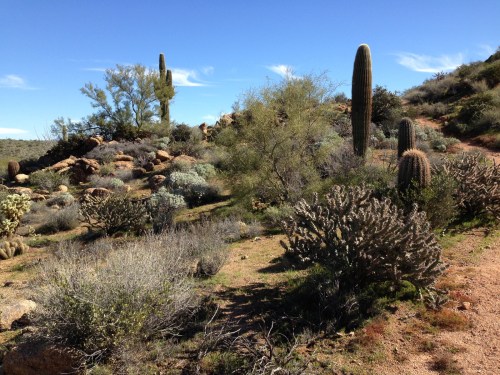
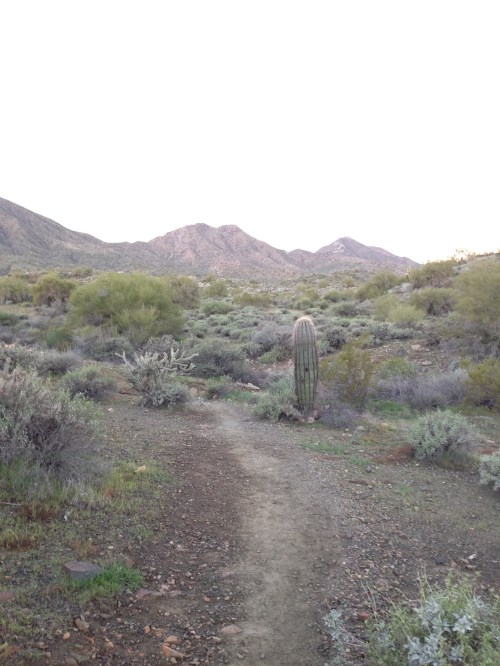
Typical Sonoran Desert flora on the gently rolling terrain of the first two miles

Typical Sonoran Desert flora on the gently rolling terrain of the first two miles

Thompson Peak is the third highest peak in the McDowell Range, at 3,982 feet above sea level. The highest elevation—East End—is 4,057 feet, and McDowell Mountain is 4,034 feet.

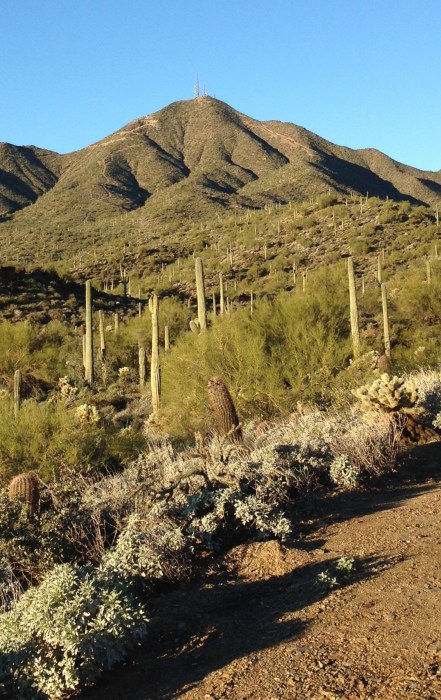
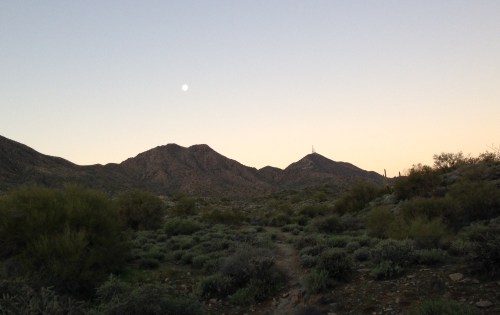
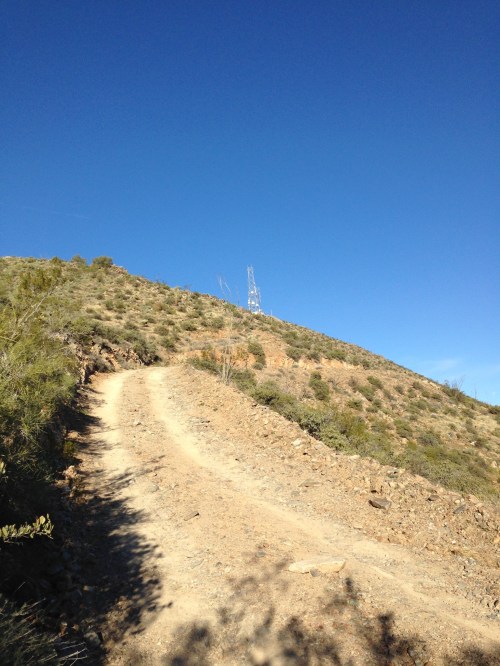
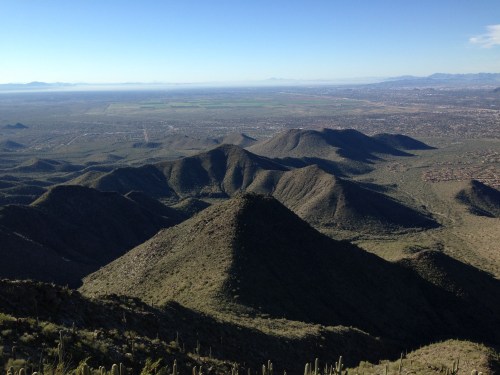
The antennas on top of that mountain are my goal

The antennas on top of that mountain are my goal

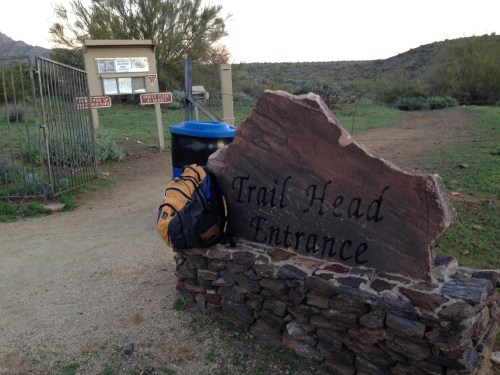
The trailhead after waking on subdivision sidewalk. You may find maps here, but I wouldn't depend on it. Bring your own.

The trailhead after waking on subdivision sidewalk. You may find maps here, but I wouldn’t depend on it. Bring your own.

The out-and-back hike is 9.5 or 10 miles, with a vertical elevation gain of about 2,000 feet. I did it in 4.5 hours, including a 20-minute stay at the summit. I didn’t fool around much. I would call it a strenuous hike, but it depends on your level of fitness.

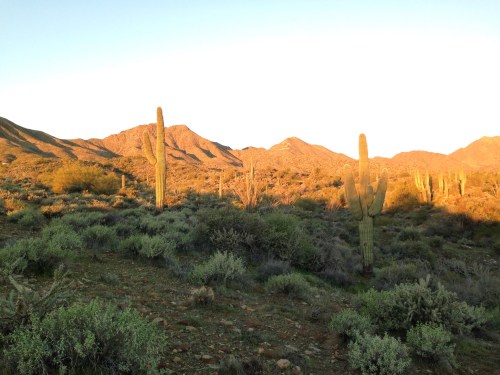
The colors aren't vivid because it's 10 minutes before sunrise

The colors aren’t vivid because it’s 10 minutes before sunrise

Thompson Peak is on the right

Thompson Peak is on the right

Here comes the sun

Here comes the sun

The most memorable feature of the hike is the very steep concrete road that takes you to the top. There are three sections of concrete in the last mile of the 4.7 mile trek to the summit. I estimate the steepness at a maximum of 20% grade. That means for every 100 feet forward progress, you rise 20 feet higher. I found  a review by another hiker that estimated the maximum grade at 30%, or even 40%. I was quite glad I had my Leki hiking poles to help me both up and down that steep grade. My maximum heart rate while climbing this steep portion was 172. Slow and steady wins the race.

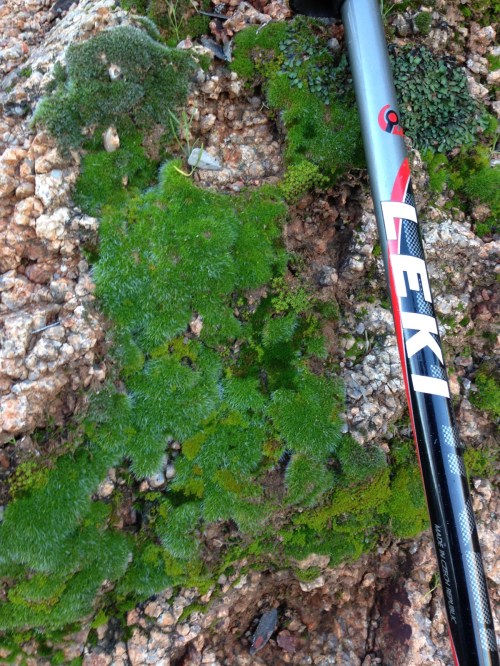
This moss is growing on the north (shaded) side of a rock since we head a good soaking rain a week ago

This moss is growing on the north (shaded) side of a rock since we head a good soaking rain a week ago

Dirt road in between concrete sections near the summit

Dirt road in between concrete sections near the summit

My hike a few days ago started at the Fountain Hills, Arizona, Dixie Mine trailhead, which is actually in the McDowell Mountain Regional Park. After two miles you head east on the Thompson Peak trail and into the McDowell Sonoran Preserve. Get maps of both areas. The start of the hike is a little confusing because you can’t drive right up to the Dixie Mine Trailhead. You drive through Fountain Hills to the end of Golden Eagle Boulevard, which terminates at a gated community. Just outside the gate, there’s a parking lot and public restrooms. Then you walk through the subdivision on a sidewalk for 10 minutes to the actual trailhead.

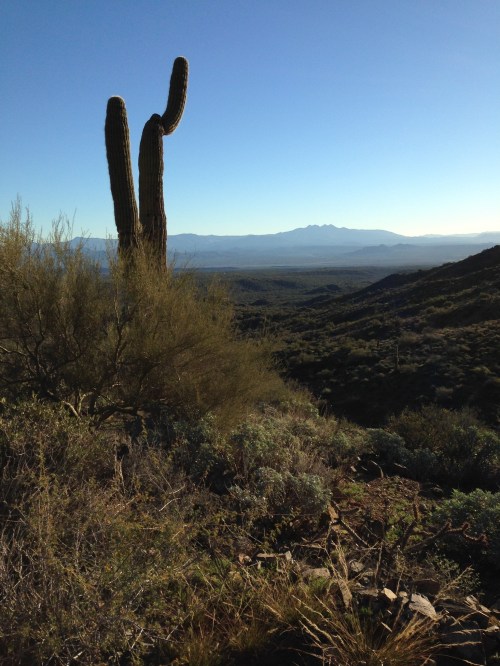
Four Peaks way in the distance to the east, on the horizon

Four Peaks way in the distance to the east, on the horizon

It took me 2 hours to reach the summit. Going down the steep concrete road was just as slow as climbing up. I had to be careful not to fall, and short strides were necessary to take some strain off my knees.

kk

About half way up

The first half of the trail to the summit is a great introduction to the Sonoran Desert. You won’t get much overall elevation gain, but lots of up-and-down through washes and small hills. You don’t have to be in very good shape to do it.  The trail is rocky, so you’ll want to wear thick- or stiff-soled boots instead of sneakers.

ll

3/4 of the way up

McDowell Peak on the left?

McDowell Peak on the left?

Judging from the soreness my legs the day after this hike, I got a good training effect out of it. Because of the uncomfortable grade of the concrete road sections, my initial thought was that I wouldn’t do this hike again. I’m not so sure now. Doing it gave me confidence that I could probably tackle Arizona’s Mount Humphreys later this year.

Steve Parker, M.D.
Summit selfie

Summit selfie

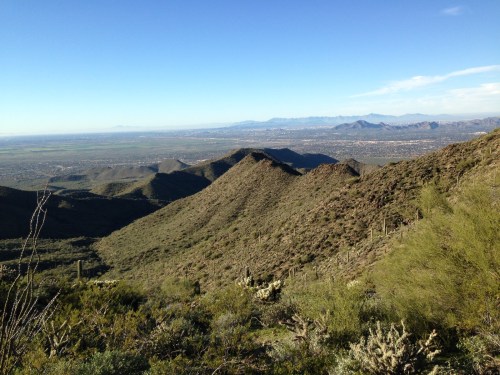
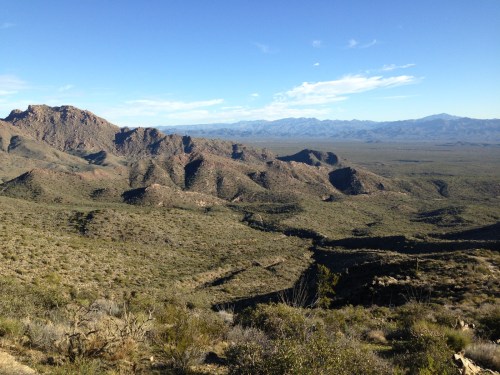
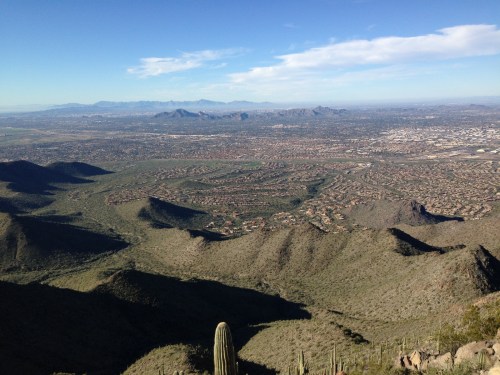
Scottsdale, Arizona, in the foreground; Phoenix way in the distance

Scottsdale, Arizona, in the foreground; Phoenix way in the distance

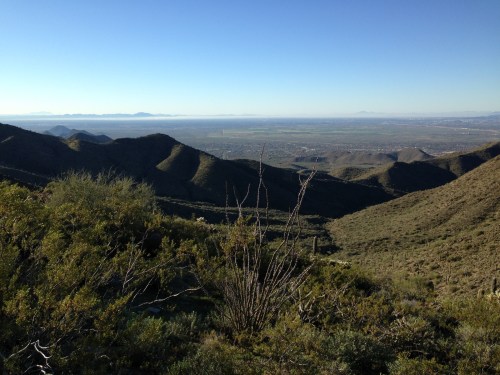
Looking south from the near the summit

Looking south from the near the summit

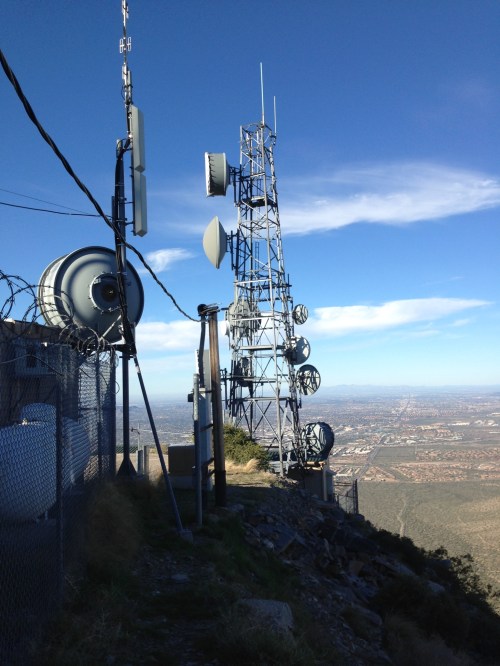
Radio and/or telephone equipment, and God knows what else

Radio and/or telephone equipment, and God knows what else

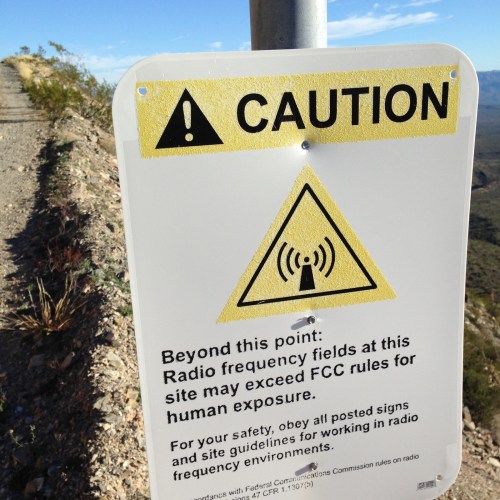
The fine print is a little disconcerting. Can you tell me more?

The fine print is a little disconcerting

Should You Avoid Saturated Fats If You Already Have Heart Disease?

kkk

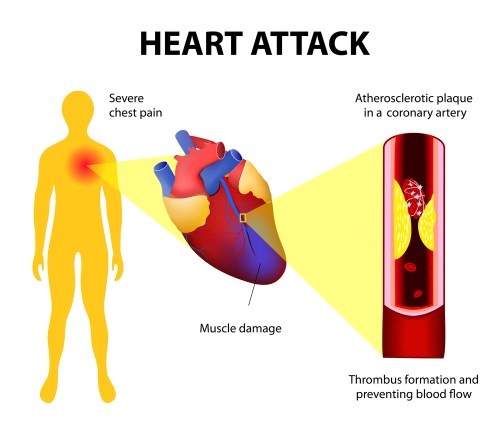
Most heart attacks occur in folks with pre-existing coronary artery disease that’s been present for years

If you already have coronary artery disease, Dr. Axel Sigurdsson says that ongoing saturated fat intake probably doesn’t matter, in terms of future cardiac events (like heart attacks) or risk of death from any cause.

Dr. Sigurdsson is a cardiologist in Iceland.

Some quotes from his blog:

For decades, cardiologists have advised patients with heart disease to restrict the intake of saturated fats and dietary cholesterol. Many patients still believe this to be the cornerstone of their lifestyle modification.

The main reason for avoiding saturated fats is the assumption that they adversely affect the lipid profile of our patients.

*   *   *

Recent studies suggest that the recommendation to avoid saturated fats may have been premature and not based on solid scientific evidence.

Now, a recently published Norwegian study shows that dietary intake of saturated fatty acids was not associated with risk of future events or death among patients with established coronary artery disease.

It is important to keep in mind that most of the patients were receiving secondary prevention drug therapy including aspirin, beta blockers and statins.

Anyhow, the results of the study certainly suggest that high intake of saturated fats is not a risk factor among patients with coronary heart disease receiving modern-day treatment.

These recent scientific data don’t imply hat we should urge our patients to consume high amounts of saturated fats. They only tell us that there is no association and accordingly, restriction won’t help.

So, it’s certainly a lifeline for those who believe red meat, whole-fat milk, cheese, cream, butter and eggs can be a part of a healthy diet.

On the other hand we must realise that scientific studies often provide contradictory results. A US study published last year suggested that greater adherence to a low carbohydrate diet high in animal sources of fat and protein was associated with higher all-cause and cardiovascular mortality following acute heart attack.

It appears the jury is still out…

RTWT.

Hike: Northern Region of McDowell Sonoran Preserve

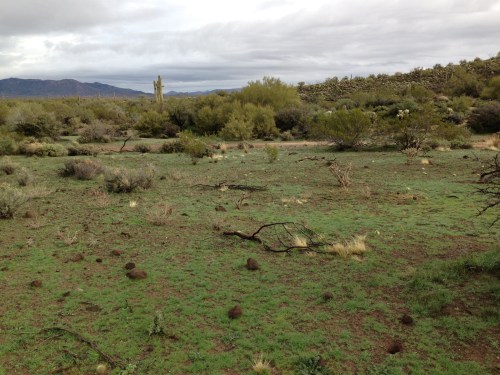
Corral Trail: This is so green only because of the recent rain

Corral Trail: This is so green only because of the recent rain

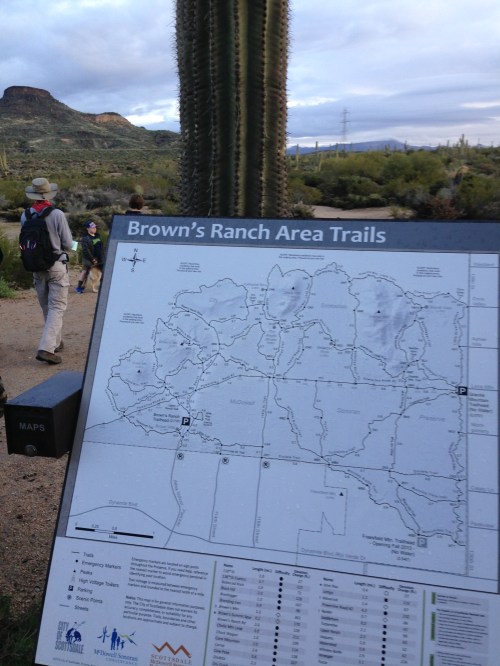
This was another training hike in preparation for Troop 131’s 20-mile hike in March. Over the course of four hours and 10 miles yesterday, we covered much of the McDowell Sonoran Preserve’s northern region.

IMG_2273


We started at the tail end of 24 hours of drizzling rain and the sky was still overcast. There were very few others on the trails. Our course was fairly flat. All the trails are very well marked and are mostly gravel. Take a map or you’ll get lost.

IMG_2301

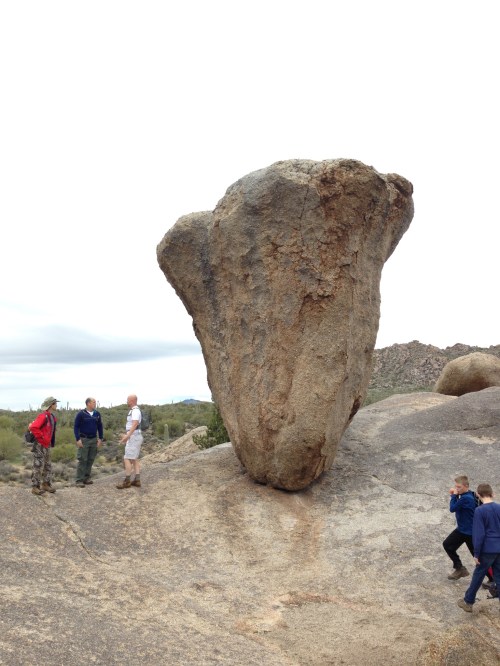
They call this “Balanced Rock”


I carried a 10-lb dumbbell in my pack to enhance my workout.

Steve Parker, M.D.
Details: We started at Brown’s Ranch Trailhead, taking the Upper Ranch Trail to Corral Trail, then Dry Gulch Trail, a detour up to Cathedral Rock, then
Cholla Mountain Loop Trail to Balanced Rock Trail to Powerline Road #2. Then 118th Street Trail to Latigo Trail back to the Brown’s Ranch Trailhead.

Update Feb. 3, 2013:

The day after this hike, I was mildly sore in my hips, thighs, and legs. I like that because it’s proof I stressed my body, which is a necessary for improved fitness. Also, I’m impressed by how sore my feet were during the last three miles of hiking. I hope I can toughen them up. The 20-mile walk is starting to look intimidating!

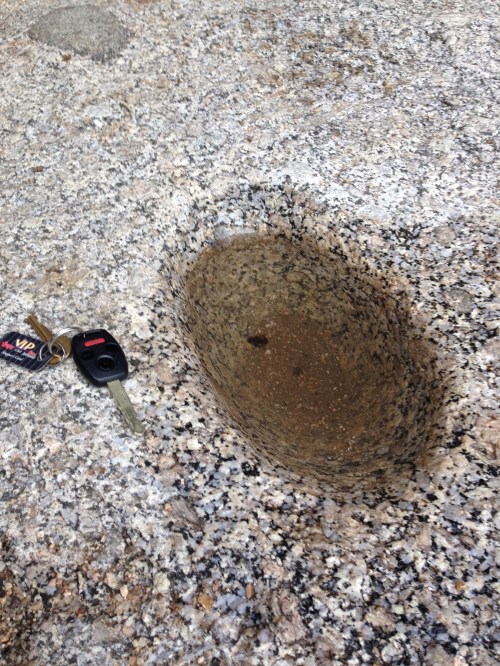
This bedrock metate was used by Indians (aka Native Americans) for grinding maize, acorns, and other foods

This bedrock metate was used by Indians (aka Native Americans) for grinding maize, acorns, and other foods. Rainwater fills this 4-inch deep rounded depression in granite.

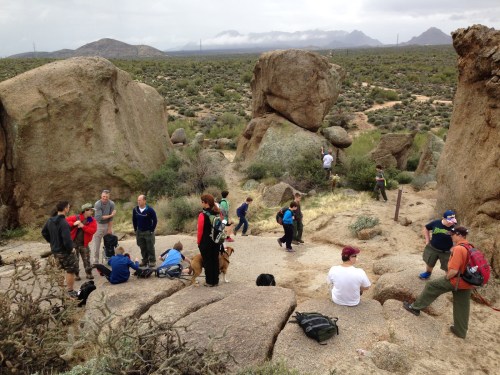
The Amphitheater (all natural)

The Amphitheater (all natural)

Recipe: Apple, Pecan, Blueberry Lunch Bowl

paleobetic diet, diabetic diet, low-carb diet

So simple even a redneck can make it (I is a redneck)

Since I provide you with nutritional analysis below, you can easily work this meal into the Advanced Mediterranean DietLow-Carb Mediterranean Diet, or KMD: Ketogenic Mediterranean Diet.

Ingredients:

2.5 oz (70 g) apple, diced (“red delicious” variety works well) (this is half a medium-sized apple)

2.5 oz (70 g) pecans, crumbled into small pieces

2.5 oz (70 g) raw blueberries

Instructions:

Mix all together in a bowl, then enjoy. I know a lotta you bros will just eat all the components individually—but try the mix once for new flavors.

Servings: 1

Advanced Mediterranean Diet boxes: 1.5 fruit, 2 fat

Nutritional Analysis:

76% fat

20% carb

4% protein

570 calories

30 g carbohydrate

10 g fiber

20 g digestible carb

1.4 mg sodium

421 mg potassium

Prominent features: Quick and easy. Rich in copper, manganese, and thiamine. Inadequate protein to get you through the day, but you’ll make up for it at breakfast or dinner.