Hike: Tom’s Thumb – Windgate Pass – East End Trails in McDowell Sonoran Preserve

On March 23, 10 or so scouts and adults from Scottsdale’s Boy Scout troop 131 did the headlined 10-mile hike.  It was preparation for the rim-to-rim Grand Canyon hike later this year.  Everyone finished in under five hours. I did it in four hours and five minutes, with few stops.  Total vertical elevation was 2,500 feet.  The trail guide says this is a “very difficult” loop.  The difficulty is mostly in the grade (slope) rather than footing.

Steve Parker MD, hiking, Arizona

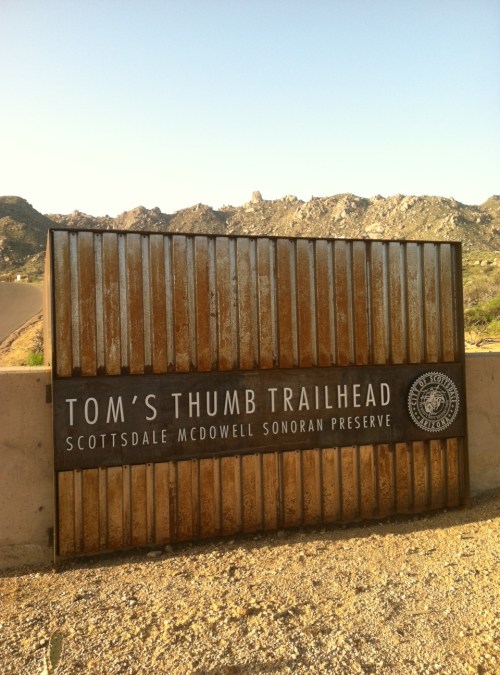
The north trailhead for Tom’s Thumb trail in the McDowell Sonoran Preserve.  Tom’s Thumb is in the middle of the horizon.

photo-41

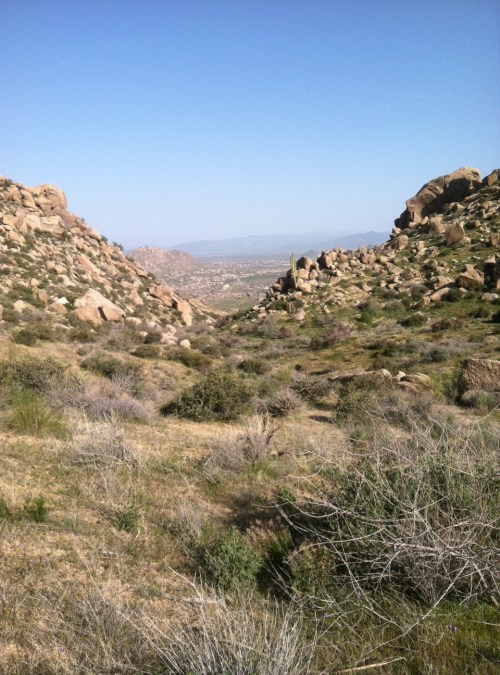
Close to the top of Tom’s Thumb trail

Steve Parker MD, hiking, Arizona

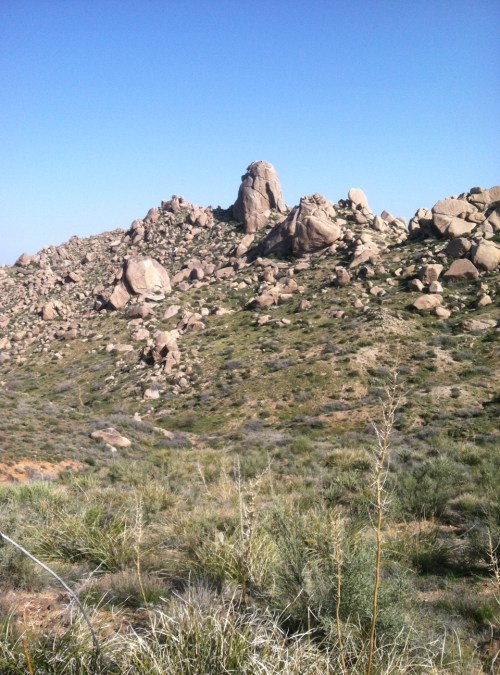
Tom’s Thumb is in the middle of the horizon; much more impressive when you’re closer than this.

Steve Parker MD, hiking, arizona

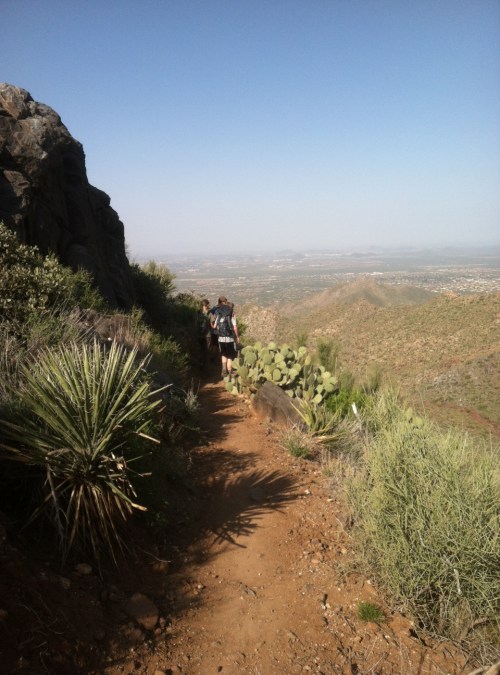
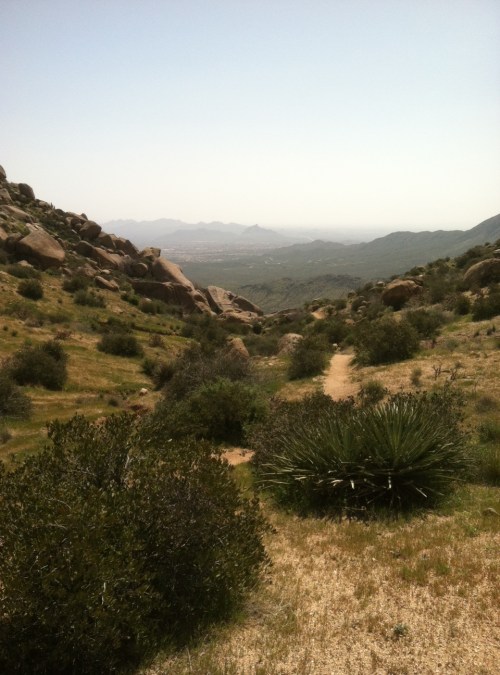
Tom’s Thumb trail

hiking, Arizona, Steve Parker MD,

Tom’s Thumb trail

hiking, Arizona, Steve Parker MD

Saquaro cacti reaching for the sky

hiking, Arizona, Steve Parker MD,

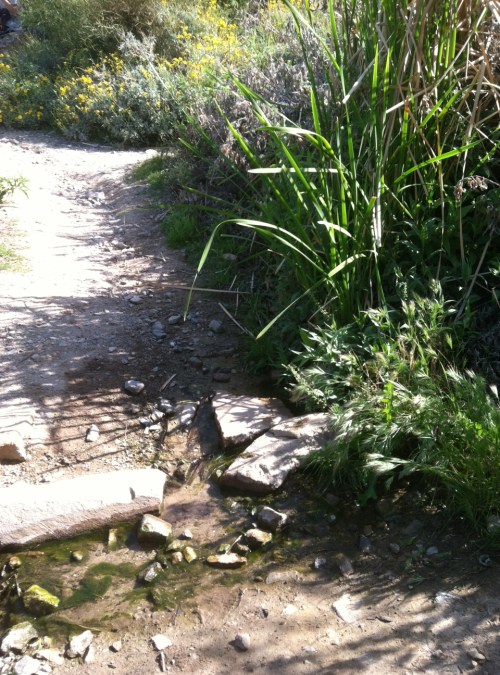
A surprising natural spring probably between trail markers 13 and 14 on Tom’s Thumb trail, about 2,600 feet above sea level and 1,100 feet below the peak

Steve Parker MD, hiking, Arizona

These flowers will probably be gone in a couple weeks, only to return next Spring

Steve Parker MD, hiking, Arizona, exercise

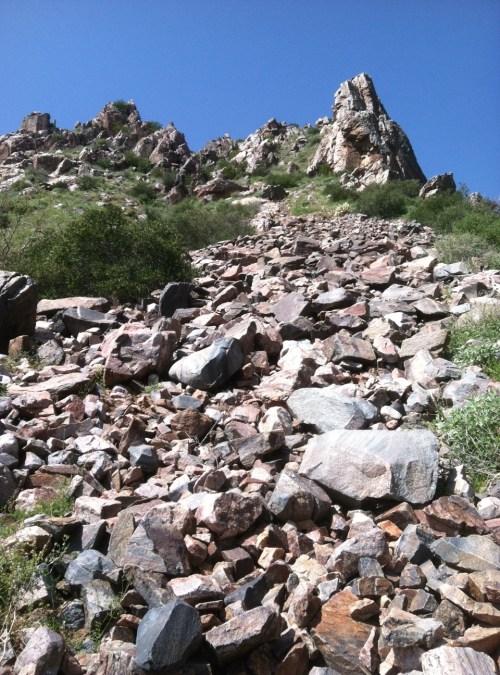
River of rocks created by landslide on East End trail

hiking, Arizona, Steve Parker MD

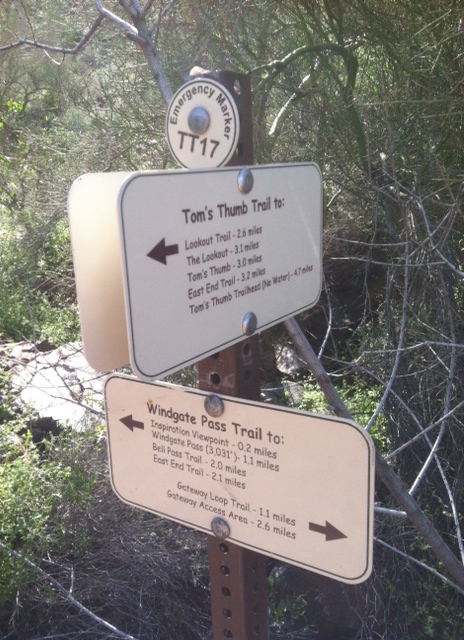
The intersection of East End trail and Tom’s Thumb trail

hiking, Arizona, Steve Parker, Tom's Thumb trail, Windgate Pass Trail MD

Trails are marked well, so you shouldn’t get lost.

QOTD: James Fisher On Optimal Resistance Training Technique

We recommend that appreciably the same muscular strength and endurance adaptations can be attained by performing a single set of ~8-12 repetitions to momentary muscular failure, at a repetition duration that maintains muscular tension throughout the entire range of motion, for most major muscle groups once or twice each week. All resistance types (e.g. free-weights, resistance machines, bodyweight, etc.) show potential for increases in strength, with no significant difference between them, although resistance machines appear to pose a lower risk of injury.

—Fisher, James, et al. Evidence-based resistance training recommendations. Medicina Sportiva, 15 (2011): 147-162.

exercise for weight loss and management, dumbbells

If you’re not familiar with weight training, a personal trainer is an great idea

Hike: Sunrise Trail, Scottsdale, Arizona

I’m preparing to hike the Grand Canyon rim-to-rim in May with a Boy Scout troop, so I’m doing a lot of walking.  I hiked Sunrise trail a week ago.  It’s in the McDowell Sonoran Preserve.  I am blessed to live near such a gem.

We started at the Ringtail Trail parking lot on 128th St., walked the 1,000 feet of vertical elevation to Sunrise peak, descended to Sunrise Access Area, then turned around and walked back to our starting point.  So a total of 2,000 feet vertical elevation over the 10-mile trip taking 4.5 hours.

It’s considered “difficult” according to the trail guide.  If you do it, wear good boots with stiff soles.  Much of the trail is rocky, with 2- to 4-inch diameter stones underfoot (my least favorite footing).

Steve Parker MD, hiking, hike, exercise, Sunrise Trail, Scottsdale Arizona

Scottsdale subdivisions, with Phoenix far in the distance.  You might recognize Camelback Mountain on the horizon: an iconic Phoenix hike.

Steve Parker MD, hiking, hike, Sunrise Trail, Scottsdale Arizona

View to the north, from the peak.  You can see the thin line of the trail coming in from the left.

Steve Parker MD, Sunrise Trail, Scottsdale Arizona, hike, hiking

The desert is green like this only for a month or two in the Spring, if we get enough rain.

Steve Parker MD, hiking, exercise, Pinnacle Peak, Scottsdale Arizona

Bonus picture unrelated to Sunrise Peak. Pinnacle Peak Trail. My sister and her husband and I walked it recently. Popular with young women who like to jog it.

Steve Parker MD, Scottsdale Arizona, hiking,Sunrise Trail, Arizona

Looking northeast from the peak

For Observant Jews, Is a Low-Carb Passover Possible?

It is, according to Laura Dolson at About.com.  Passover starts March 21.

Sugar-Sweetened Beverages Kill Almost 200,000 Annually

…according to a Harvard-affiliated Ph.D. How could that be?  SSBs contribute to obesity, which in turn leads to diabetes, cardiovascular disease, and some cancers.

Reducing consumption of SSBs was one of the major points in the American Heart Association’s 2010 guidelines for reducing heart disease.

Read the details at MedPageToday.

Do You Eat These 7 “Unhealthy” Foods?

PBS NewsHour has the details.

  • breakfast cereal
  • Subway sandwiches
  • Light yogurt
  • Protein bars
  • Reduced-fat peanut butter
  • Vitaminwater
  • Gluten-free snacks and baked goods

“Unhealthy” in this context is defined as Melanie Warner.

h/t Donald Sensing

Heart-Healthy Lifestyle Also Cuts Cancer Risk By Half

…according to a report in MedPageToday.

I'm still not convinced that severe sodium restriction is necessary or even possible for most people

I’m still not convinced that severe sodium restriction is necessary or even possible for most people

The American Heart Association has published guidelines aiming to reduce premature death and illness caused by cardiovascular diseases such as heart attacks, high blood pressure, and strokes.

The guidelines focus on seven factors critical to cardiovascular health:

  • smoking
  • blood sugar
  • blood pressure
  • physical activity
  • total cholesterol
  • body mass index (BMI)
  • ideal diet

Using data from the Atherosclerosis Risk In Communities study (almost two decades’ follow-up), researchers found that those who maintained goals for six or seven of the American Heart Association critical factors had a 51% lower risk of cancer compared with those meeting no goals.

For detailed information about the specific goals, click here.

As you might expect, I was curious about what the American Heart Association considered a heart-healthy diet.  I quote the AHA summary:

The recommendation for the definition of the dietary goals and metric, therefore, is as follows: “In the context of a diet that is appropriate in energy balance, pursuing an overall dietary pattern that is consistent with a DASH [Dietary Approaches to Stop Hypertension]-type eating plan, including but not limited to:

  • Fruits and vegetables: ≥ 4.5 cups per day
  • Fish: ≥ two 3.5-oz servings per week (preferably oily fish)
  • Fiber-rich whole grains (≥ 1.1 g of fiber per 10 g of carbohydrate): ≥ three 1-oz-equivalent servings per day
  • Sodium: < 1500 mg per day
  • Sugar-sweetened beverages: ≤ 450 kcal (36 oz) per week

Intake goals are expressed for a 2000-kcal diet and should be scaled accordingly for other levels of caloric intake. For example, ≤ 450 calories per week represents only up to one quarter of discretionary calories (as recommended) coming from any types of sugar intake for a 2000-kcal diet.

Diet recommendations are more complicated than that; read the full report for details.  Only 5% of study participants ate the “ideal diet.”  The Mediterranean diet easily meets four out of five of those diet goals; you’d have to be extremely careful to reach the sodium goal on most any diet.

Cardiovascular diseases and cancer are among the top causes of death in Western societies.  Adhering to the guidelines above may kill two birds with one stone.

Steve Parker, M.D.

High Adiponectin May Not Protect Against Stroke and Heart Disease After All

I’ve written in the past about adiponectin, a hormone-like protein that may help protect against disease.  Obese folks have less of it.  However, a new study published in Obesity Reviews found no protection against stroke and coronary heart disease (like heart attacks) in people with higher levels of adiponectin.

Read the abstract.

Businesses May Have a Way to Escape Obamacare

…through self-insurance according to an article at MedPageToday.  Many businesses are quite concerned about their ability to pay for the Affordable Care Act.  They’re looking for ways around it so they can stay in business, keep all their employees, without raising prices too high.  From the referenced article, here’s how self-insurance works:

To employees, medical self-insurance looks like a regular health plan. Self-insured employers pay for most worker health costs directly, though they contract with an insurer or other company to administer claims. The employers also buy coverage known as stop-loss for claims exceeding a certain amount. Brokers say a growing number of firms see such plans as low-cost alternatives to conventional coverage because they’re exempt from ACA requirements such as insurance taxes and specified benefits.

For example, if an employer doesn’t want to pay for sex-change operations, they could exclude that as a covered service.

Read the rest.

High Calcium Intake Linked to Higher Risk of Death In Swedish Women

Six of every 10 middle-aged and older women in the U.S. are taking calcium supplements, hoping to keep their bones strong and thereby avoid osteoporotic fractures of the hip, spine, and wrist.  A new study in the British Medical Journal suggests that high calcium consumption, whether from food or supplements, increases the risk of death.

The researchers wrote: 

In this study of women in the Swedish mammography cohort, a high calcium intake (>1400 mg/day) was associated with an increased rate of mortality, including death from cardiovascular disease. The increase was moderate with a high dietary calcium intake without supplement use, but the combination of a high dietary calcium intake and calcium tablet use resulted in a more pronounced increase in mortality. For most women with lower intakes we observed only modest differences in risk.