Would You Rather Die of Heart Disease or Cancer?

These cows may give you cancer

Carcinogenic cows?

The idea that heart attacks and other cardiovascular diseases are caused by dietary saturated fats is losing credibility. I lost faith in that theory in 2009.

Instead, cardiovascular disease is now linked to high consumption of carbohydrates, particularly those carbs that are rapidly absorbed and turned into blood sugar.

Unfortunately, the diet that reduces risk of cardiovascular disease may increase your risk of cancer. Keep reading.

If you’re a nutrition science nerd, here’s a pertinent report from researchers at Masaryk University in the Czech Republic:

“The results of our study show that high-glycaemic carbohydrates or a high overall proportion of carbohydrates in the diet are the key ecological correlates of cardiovascular disease (CVD) risk. These findings strikingly contradict the traditional ‘saturated fat hypothesis’, but in reality, they are compatible with the evidence accumulated from observational studies that points to both high glycaemic index and high glycaemic load (the amount of consumed carbohydrates × their glycaemic index) as important triggers of CVDs. The highest glycaemic indices (GI) out of all basic food sources can be found in potatoes and cereal products, which also have one of the highest food insulin indices (FII) that betray their ability to increase insulin levels.The role of the high glycaemic index/load can be explained by the hypothesis linking CVD risk to inflammation resulting from the excessive spikes of blood glucose (‘post-prandial hyperglycaemia’). Furthermore, multiple clinical trials have demonstrated that when compared with low-carbohydrate diets, a low-fat diet increases plasma triglyceride levels and decreases total cholesterol and HDL-cholesterol, which generally indicates a higher CVD risk. Simultaneously, LDL-cholesterol decreases as well and the number of dense, small LDL particles increases at the expense of less dense, large LDL particles, which also indicates increased CVD risk. These findings are mirrored even in the present study because cereals and carbohydrates in general emerge as the strongest correlates of low cholesterol levels.

In light of these findings, the negative correlation of refined sugar with CVD risk may seem surprising, but the mean daily consumption of refined sugar in Europe is quite low (~84 g/day), when compared with potato and cereal carbohydrates (~235 g/day), and makes up only ~20% of CA energy. Refined sugar is also positively tied to many animal products such as animal fat and total fat and animal protein, and negatively to % PC CARB energy and % CA energy. Therefore, a high consumption of refined sugar is accompanied by a high consumption of animal products and lower intakes of other carbohydrates. Furthermore, the glycaemic index of refined sugar (sucrose) is rather moderate (~65).”

Source: Food consumption and the actual statistics of cardiovascular diseases: an epidemiological comparison of 42 European countries | Grasgruber | Food & Nutrition Research

Elsewhere in this long article:

“Current rates of cancer incidence in Europe are namely the exact geographical opposite of CVDs. In sharp contrast to CVDs, cancer correlates with the consumption of animal food (particularly animal fat), alcohol, a high dietary protein quality, high cholesterol levels, high health expenditure, and above average height. These contrasting patterns mirror physiological mechanisms underlying physical growth and the development of cancer and CVDs. The best example of this health paradox is again that of French men, who have the lowest rates of CVD mortality in Europe, but the highest rates of cancer incidence. In other words, cancer and CVDs appear to express two extremes of a fundamental metabolic disbalance that is related to factors such as cholesterol and IGF-1 (insulin-like growth factor).”

I wish these researchers had looked at over death rates associated with various ways of eating. Perhaps that will be in a future paper.

I’d rather die of a heart attack than cancer.

Steve Parker, M.D.

R.I.P., Leonard Cohen

Leonard was a moderately famous American songwriter and singer. He died a few days ago. He was Jewish. I don’t know if he ever accepted Jesus Christ as his Lord and Savior. I’d like to think he’s in heaven now.

Judging from this interview in The New Yorker, his life was more interesting than most.

Jennifer Warnes did a whole album of his songs, entitled “Famous Blue Raincoat.” It’s very good.

Found: Another Green Tea That’s Not So Green

This one is Yamamotoyam Sushi Bar Style Green Tea.

Yamamotoyama sushi style green tea

Yamamotoyama sushi bar style green tea

For $18 USD I got a pack of 90 individual teabags. So, just 20 cents a serving. “Best before” date is September 2018, so I’m assuming it’s relatively fresh, but who knows?

fullsizer

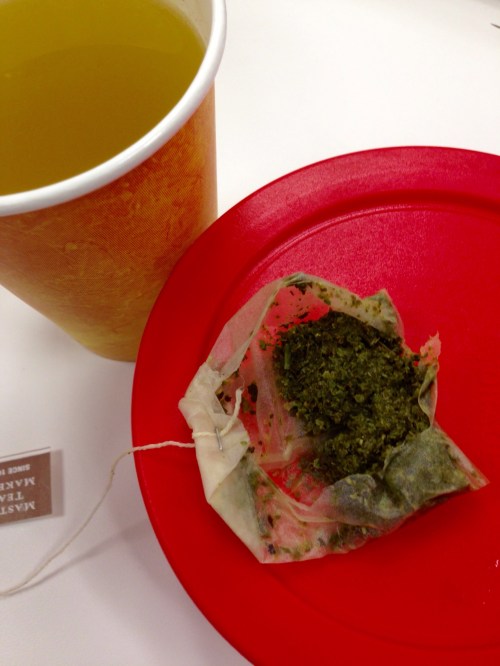
I’ll admit there’s a slight green tint to this drink that is predominantly yellow. Thirty seconds after I removed the teabag, it was simply light tan. Taste is fine.

My recollection of the reviews at Amazon several months ago was that this was going to be a green green tea. I’ll not go through those reviews AGAIN.

Steve Parker, M.D.

PS: I was at a sushi bar four months ago, but drank warm sake instead of tea.

Update December 9, 2016:

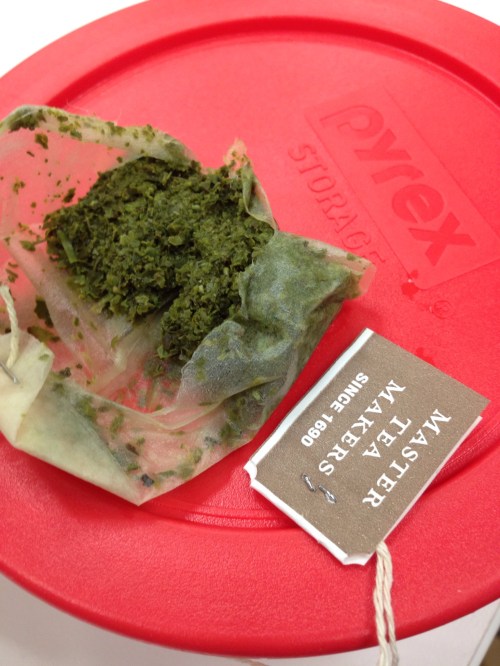
I’ve brewed a few more of these teabags and note a distinct greenish tinge to the tea in the cup. After a few minutes it fades to tan. I dissected a teabag and found green tea, indeed.

The dissected bag

The dissected bag

fullsizer-7

Sugar-Sweetened Beverages Raise Risk of Prediabetes 

These new research findings are from the Framingham Heart Study’s Offspring Cohort.

Those in the highest quartile of sugar-sweetened beverage consumption (I.e., six servings a week) has almost double the odds of developing prediabetes compared to the lowest quartile.

No similar association was found for diet sodas.

The higher risk for prediabetes may be related to insulin resistance.

Source: Sugary Beverages Raise Risk of Prediabetes | Medpage Today

New Study: Mediterranean Diet Prevents Cardiovascular Disease in British Adults

This tower is in Pisa, Italy

This tower is in Pisa, Italy

This won’t surprise you if you’ve been reading this blog for a while:

“Heart disease is the leading cause of death for both men and women in the United States, killing around 610,000 people annually. Heart attack affects around 735,000 Americans each year, while around 800,000 people are affected by stroke.

Adopting a healthy diet is considered key for reducing the risk of CVD, and numerous studies have suggested the Mediterranean diet fits the bill.

A study published in the European Heart Journal earlier this year, for example, found older adults who adhered to the Mediterranean diet were at lower risk of heart attack, stroke, and cardiovascular death than those who followed a Western diet.”

Source: Mediterranean diet linked to reduced risk of CVD – Medical News Today

Steve Parker, M.D.

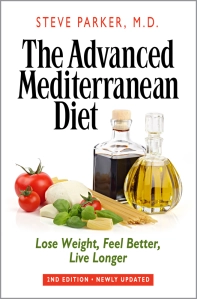
PS: If you like having a healthy heart, you might like my books.

Practical Tips for Fasting From Dr. Fung

This guy had long spans of time between meals, perhaps days

This guy had long spans of time between meals, perhaps days

Yet another good post from DietDoctor! Why fast? Among many reasons is that fasting turns on autophagy, which helps clear the debris of daily living out of your cells, probably leading to longer life.

Click here for P.D. Mangan’s post on fasting and autophagy.

Dr. Fung at DietDoctor also warns about the danger of hypoglycemia for certain folks with diabetes. Read that part carefully.

Anyway, here are Dr. Fung’s top eight tips:

“Drink water: Start each morning with a full eight-ounce glass of water.

Stay busy: It’ll keep your mind off food. It often helps to choose a busy day at work for a fast day.

Drink coffee: Coffee is a mild appetite suppressant. Green tea, black tea, and bone broth may also help.Ride the waves: Hunger comes in waves; it is not continuous. When it hits, slowly drink a glass of water or a hot cup of coffee. Often by the time you’ve finished, your hunger will have passed.

Don’t tell anybody you are fasting: Most people will try to discourage you, as they do not understand the benefits. A close-knit support group is often beneficial, but telling everybody you know is not a good idea.

Give yourself one month: It takes time for your body to get used to fasting. The first few times you fast may be difficult, so be prepared. Don’t be discouraged. It will get easier.

Follow a nutritious diet on non-fast days: Intermittent fasting is not an excuse to eat whatever you like. During non-fasting days, stick to a nutritious diet low in sugars and refined carbohydrates.

Don’t binge: After fasting, pretend it never happened. Eat normally, as if you had never fasted.”

Source: More Practical Tips for Fasting – Diet Doctor

Steve Parker, M.D.

PS: I don’t feature fasting in any of my books, but I’ve gradually come around to seeing the potential benefits.

Remember Those Celebrities Who Said They’d Leave the Country If Trump Won?

Townhill has the list, including…

  • Jon Stewart
  • Amy Schumer
  • Lena Dunham
  • Al Sharpton
  • Samuel L. Jackson
  • Cher
  • Barbara Streisand
  • Miley Cyrus
  • Whoopi Goldberg
  • Ruth Bader Ginsburg

Just a friendly reminder…

QOTD: Disaster Preparedness and Life In General

“Nobody is coming to save you.”

—Anon.

Resistance Training Cuts Risk of Diabetes and Cardiovascular Disease in Middle-Aged Women

That's a dumbbell in her right hand. I work-out with those myself.

That’s a dumbbell in her right hand. I work-out with those myself.

I don’t have access to the full scientific report, but I’ve posted part of the abstract below.

The biggest problem with the study at hand is that physical activity apparently was surveyed only at the start of this 14-year study. Results would be much more robust if activity was surveyed every year or two. My overall activity level seems to change every two or three years. How about you?

Moving on.

“Compared to women who reported no strength training, women engaging in any strength training experienced a reduced rate of type 2 diabetes of 30% when controlling for time spent in other activities and other confounders. A risk reduction of 17% was observed for cardiovascular disease among women engaging in strength training. Participation in both strength training and aerobic activity was associated with additional risk reductions for both type 2 diabetes and cardiovascular disease compared to participation in aerobic activity only.

CONCLUSIONS: These data support the inclusion of muscle-strengthening exercises in physical activity regimens for reduced risk of type 2 diabetes and cardiovascular disease, independent of aerobic exercise. Further research is needed to determine the optimum dose and intensity of muscle-strengthening exercises.”

PMID 27580152

Source: Strength Training and the Risk of Type 2 Diabetes and Cardiovascular Disease. – PubMed – NCBI

Steve Parker, M.D.

PS: Cardiovascular disease includes heart attack, cardiac death, stroke, coronary angioplasty, and coronary artery bypass grafting.

Alleged: Sugar Industry Made Dietary Fat the Villain

“Newly uncovered documents reveal that 50 years ago the sugar industry gave secret support to prominent Harvard researchers to write an influential series of articles in the New England Journal of Medicine that downplayed the negative effects of sugar.

Instead, the articles shifted the blame from sugar to fat as the “dietary culprit” behind heart disease.In recent years there has been growing awareness that decades of dietary policy demonized fat and ignored or played down the dangers of increased consumption of carbohydrates and sugars. Many believe this policy had a significant adverse effect on public health, contributing to the obesity and diabetes epidemics.”

Source: How Sweet: Sugar Industry Made Fat the Villain | Medpage Today