DIETFITS: Why do dieters succeed or fail? 

Julia Belluz has interesting article at Vox regarding low-fat and low-carb diet success over the course of 12 months. Her focus is on a few individuals who participated and were outliers.

As I read this, I was reminded that successful long-term weight management starts and ends in the kitchen. It also took me back to 2009, when I determined that low-carb diets were just as legitimate as low-fat.

I don’t recall the author mentioning the typical pattern with 12-month weight loss studies: most folks lose significant weight in the first few month, then at six months they start gaining it back. Cuz they go back to their old eating habits. Sure, diets don’t work………..if you don’t follow them.

From Ms. Belluz:

As a longtime health reporter, I see new diet studies just about every week, and I’ve noticed a few patterns emerge from the data. In even the most rigorous scientific experiments, people tend to lose little weight on average. All diets, whether they’re low in fat or carbs, perform about equally miserably on average in the long term.

But there’s always quite a bit of variability among participants in these studies.Just check out this chart from a fascinating February study called DIETFITS, which was published in JAMA by researchers at Stanford.

The randomized controlled trial involved 609 participants who were assigned to follow either a low-carb or a low-fat diet, centered on fresh and high-quality foods, for one year. The study was rigorous; enrollees were educated about food and nutrition at 22 group sessions. They were also closely monitored by researchers, counselors, and dietitians, who checked their weight, waist circumference, blood pressure, cholesterol, and other metabolic measures throughout the year.

Overall, dieters in both groups lost a similar amount of weight on average — 11 pounds in the low-fat group, 13 pounds in the low-carb group — suggesting different diets perform comparably. But as you can see in the chart, hidden within the averages were strong variations in individual responses. Some people lost more than 60 pounds, and others gained more than 20 during the year.

Read the whole thing. It’s not long.

Source: Why do dieters succeed or fail? The answers have little to do with food. – Vox

The DIETFITS Trial

Back pain being mismanaged, warn experts in The Australian

Chronic low back pain patients were some of the most difficult to manage back when I had an office-based medical practice. From The Australian:

Most cases respond to simple physical and psychological therapies aimed at keeping people active and able to stay at work, according to a series of papers published in The Lancet.

Instead experts claim many back pain sufferers are wrongly being treated in hospital emergency departments, referred for scans or surgery, encouraged to rest and stop work, and prescribed powerful opioid pain killers.Co-author, University of Sydney author Professor Chris Maher said millions of people across the world are getting the wrong care for low back pain.

“More care does not mean better care. More aggressive treatments for low back pain have little proven benefit and have the potential to make things significantly worse for patients,” Professor Maher warned.

“Evidence suggests that low back pain should be managed in primary care, with the first line of treatment being education and advice to keep active and at work.”However, in reality, a high proportion of patients worldwide are treated in emergency departments, encouraged to rest and stop work, are commonly referred for scans or surgery, or prescribed pain killers including opioids, which are discouraged for treating low back pain.”

Source: Back pain being mismanaged, warn experts

I suspect back extension exercises are a key preventative measure.

One of the article’s quoted experts said it’s important to address obesity. I’m doing my best.

Steve Parker, M.D.

U.K.’s Telegraph Reviews the Mediterranean Diet

Santorini, Greek seaside

The Mediterranean diet shows remarkable staying power as one of the most healthful ways of eating. For instance:

A diet with a name that conjures up memories of suppers in the sunshine, the Mediterranean diet plan celebrates the fresh, colourful produce of a region that boasts an enviable life expectancy. Hence why it has been heralded as one of the world’s best diets – but what makes Med cuisine so healthy?

What is a Mediterranean diet? The diet plan consists mostly of fruit, vegetables, whole grains, pasta, rice and olive oil, with a moderate amount of cheese, wine, yogurt, nuts, fish, eggs, poultry and pulses, and meat thrown in.

Unlike our diet in the UK, which tends to be very high in saturated fats (pies, pastries, meats, pizza and take away foods like kebabs and burgers), the Mediterranean diet includes more monounsaturated fats, such as plant oils, nuts, seeds and oily fish.

Source: What’s so healthy about a Mediterranean diet?

Nuttin’ But Salads N=1 Experiment: Week 6 Summary

Too many calories in this chef salad?

My weight today is 166.6 lb (75.7 kg), compared to 164 lb (74.4 kg) last week. Not sure if the gain is real or not. Don’t care much at this point, but it’s interesting. If real, it must be calorie-related. Too many nuts? Too much cheese?

{Weight the next day,  March 21, was 165.2 lb.)

Not pictured: olive oil vinaigrette I dressed it with

I put together a Brussels sprouts salad that was horrible. The vinaigrette had too much lemon juice, lemon zest, salt, and pepper. The salad had  too much red onion. I’ll tinker with the recipe and get back with you if I can get it right.

A work meal: Chicken salad on a bed of spinach and romaine lettuce plus tomatoes

My wife’s dinner

Caprese salad

Temptation in a shared office

Steve Parker, M.D.

How To Negotiate 80% Discounts Off Your Medical Bills

Click the link below for details. It’s a long article but could save you thousands of dollars unless you’re covered by one of the semi-socialized health insurance schemes like Medicare, Tricare, or Medicaid.

The author knows what he’s talking about. The only potential error I found is where he says federal law requires every U.S. healthcare provider must always charge the same fee for each specific service (CPT code). In other words, they can’t charge one person less or more than someone else. As far as I know, that only applies to Medicare (and Medicaid?) patients.

If you buy a lot of healthcare services, you must read this article.

In a nutshell, the author does this when he needs non-emergency services:

Here we go, step by step:

1) I usually prefer to skip the added expense of going to a GP or family practice intermediary just to get a referral to a specialist that can actually help, especially when I can determine what medical specialty is likely to be most helpful for by medical condition by visiting the website of the American Board of Medical Specialties.  (Is your ignition system acting up, your suspension riding a little rough, need new tires, brakes squeaking, transmission grinding?)                http://www.abms.org/member-boards/specialty-subspecialty-certificates/

2) Use the links on abms.org to visit the appropriate specialty board’s website, and then use their “find a physician” with the sub-specialty likely to be most helpful for the condition.

3) Start calling the sub-specialty physician offices listed, tell them you are a prospective new patient, and ask to speak to the Business Office Manager.  Ask him or her the following questions:   a) “Do you accept Medicare and/or Medicaid insurance?”  If yes, then…   b) “Super!  Do you accept cash payment at the time of service?”  If yes, then…   c)  “Great!  Then, of course, you will accept as payment in full, the Medicaid allowable, but paid in cash by me to you, directly, at the time of service?  Correct?”  If yes, then (e).  If no then (d).   d) “I guess I understand.  Well, then surely you will at least accept as payment the Medi­care allowable, paid in cash by me to you, directly, at the time of service?  If yes, then (e).  If no then conclude the call, because you cannot fix stupid.   e) “Thank you!  Can you please tell me what the estimated amount is for an office visit, using this fee schedule, so I can know how much money to bring, and please make a note on my account that we have negotiated a Single Case Agreement for me to pay these rates to you, in cash, at the time of service?   f) Tell him or her your specific reason for the visit (I am leaking red fluid on the floor of my garage) and that you want to be fully prepared for the visit.  Ask what diagnostic tests, if any, are usually required for this type of problem, lab, X-ray, CT, MRI, ultrasound, etc., and which ones would probably need to be done outside the physician’s clinic?    g) Make sure to get the business office manager’s name and contact information, and the appointment time and date.

Source: How to negotiate directly with physicians and hospitals. | Zero Hedge | Zero Hedge

Nuttin’ But Salads N=1 Experiment: Week 5 Summary

Hard to see the bed of leafy greens

Weight is down to 164 lb (74.4 kg), having started five weeks ago at 175.5 lb (79.8 kg). So 11 lb in five weeks. Not bad!

I didn’t buy this at Costco but it looked wonderful and would easily feed two. Great deal for the price. Costco has good prices on salad greens.

My compliance has been good except for tonight when my wife and I ate at The Keg steakhouse. I had arctic char (my first time, tastes like salmon), creamed cauliflower, roasted l0w-carb veggies, sourdough bread, 6 fl oz red wine, and Billy Miner Pie (mostly mocha ice cream). My weight should be up a couple pounds tomorrow.

Before: My wife found this at Domino’s Pizza. Surprisingly good and fresh, for $5 USD. One small meal.

After mixing

I still haven’t done nutritional analysis of my meals. Wouldn’t be surprised if I don’t meet the RDIs for calcium and vitamin D. I haven’t spent much time in the sun this winter.

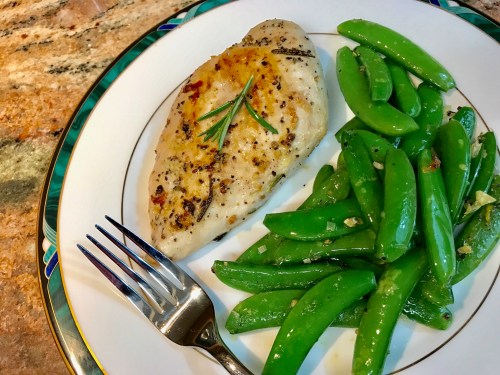
The chicken breast on this was prepared sous vide style with Montreal steak seasoning, then pan-seared

My waistline is an inch narrower. I still can’t see a six-pack so I think I’ll keep on the Nuttin’ But Salads diet for now, adding a multivitamin and vitamin D “just to be sure.”

I like this Newman’s Own dressing. First ingredient is olive oil blend, unlike most commercial vinaigrettes that first list water or canola oil. Pour spout is messy, but I can live with that.

I feel good and my workouts are going well w/o reduction in performance.

One of our favorites

Do the eggs make you think “breakfast salad”? I gained a couple pounds after eating this cheese-laden meal, and then did a 24-hour fast.

Steve Parker, M.D.

Another Example of Corruption and Collusion in the Medical-Industrial Complex

“Patients frequently paid more for drugs through copays than the cost of those medications to insurers or pharmacy benefit managers, a research letter in JAMA indicated.”

Source: Over 20% of Copays Exceed Actual Drug Cost (JAMA) | Medpage Today

Does the Mediterranean Diet Really Prevent Chronic Diseases?


Told ya so!

A couple PhD nutritionists with the University of Arizona Cancer Center reviewed the literature in favor of the healthy Mediterranean diet in 2017. They agree with me that the health claims hold up to scrutiny. From the abstract:

A large body of research data suggests that traditional dietary habits and lifestyle unique to the Mediterranean region (Mediterranean diet, MD) lower the incidence of chronic diseases and improve longevity. These data contrast with troubling statistics in the United States and other high income countries pointing to an increase in the incidence of chronic diseases and the projected explosion in cost of medical care associated with an aging population. In 2013, the MD was inscribed by UNESCO in the “Representative List of the Intangible Cultural Heritage of Humanity.” The 2015–2020 Dietary Guidelines for Americans included the MD as a healthy dietary pattern. Therefore, specific objectives of this article are to provide an overview of the nutritional basis of this healthful diet, its metabolic benefits, and its role in multiple aspects of disease prevention and healthy aging.

Source: Mediterranean Diet and Prevention of Chronic Diseases

Steve Parker, M.D.

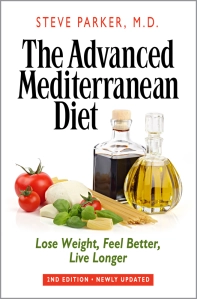
Steve Parker MD, Advanced Mediterranean Diet

Two diet books in one


Brief Review of P.D. Mangan’s “Best Supplements for Men: for more muscle, higher testosterone, longer life, and better looks”

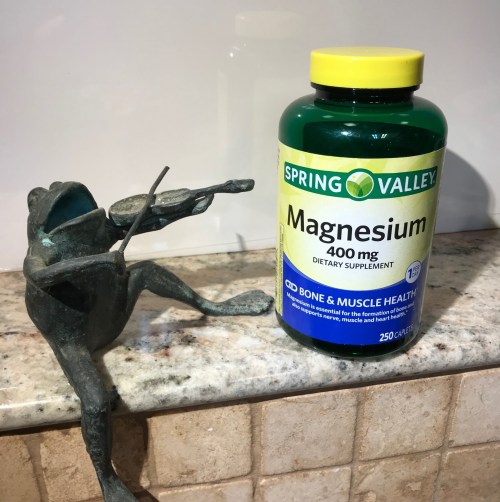
Death in a bottle?

Best Supplements for Men was published in 2017 so should still be up to date. I have the paperback but it’s also available as a Kindle e-book. Per Amazon.com’s rating system, I give it five stars (I love it).

*  *  *

My favorite sentence in this book is, “If you don’t eat, exercise, and sleep right, the health effects of adding any supplement may be minimal to non-existent.” That sets an honest tone. Also in favor of integrity is that the author doesn’t offer Mangan-branded supplements for sale.

I like this book. I learned a lot from it. I’ve benefited by reading the author’s tweets and blog (Rogue Health and Fitness) for several years. He’s smart and, I believe, honest.

The author supports his assertions with numerous scientific references, organized by chapter at the back of the book. If he cites a study done in mice, he tells you. Human studies admittedly carry more weight.

Have you wondered if protein supplements and creatine are good for muscle strength and energy? Does magnesium increase testosterone levels? Does berberine have beneficial health effects? The answers are here.

The author gives good advice regarding calcium supplements that even most physicians don’t know about.

Great recommendations on food.

No book is perfect, and this one is no different. It has no index. So if you’re curious about turmeric or supplements that control diabetes, you have to scan the whole book. My copy didn’t include references for chapter 11. Page numbers for chapters in the index didn’t match the actual chapter starts. My least favorite sentence in the book was something about Dr. Joseph Mercola being a trustworthy source of health information; he is not (search “mercola” at ScienceBasedMedicine.org).

Again, I like this book, learned much from it, and recommend it to men. If you’re taking lots of supplements now, read this book to find out if they help, harm, or are only good for making expensive urine.

Steve Parker, M.D.

PS: Some personal notes from my reading. Many of the cited studies are “association”-type evidence  rather causation. Berberine may help reduce blood sugars in diabetics just as well as metformin. Creatine: Yes, for muscle growth and strength. Magnesium 700 mg/day increases testosterone. Mag oxide may be worthless due to poor absorption. Mangan likes mag citrate but Lexicomp says it’s no better than oxide; absorption “up to 30%.” Citrulline: Yes, for ED, and may help with HTN. DHEA 50 mg/day increases testosterone in men by 50%, but only in men over 70. During fat weight loss, whey protein helps prevent muscle loss. MCT oil may also help (e.g., cook with coconut oil). ASA 81 mg/day seems to prevent some cancers in folks over 55, especially colorectal cancer.

Nuttin’ But Salads N=1 Experiment: Week 4 Summary

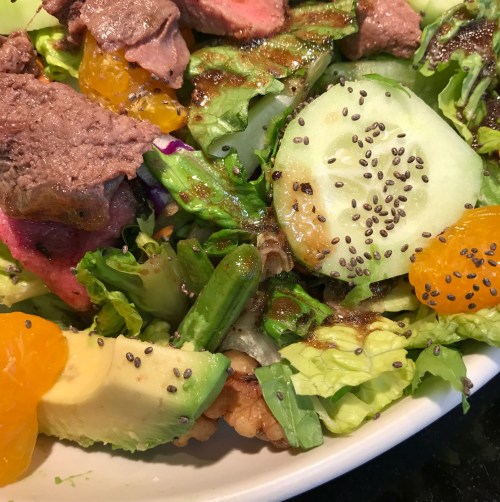
Mixed greens, cheese, walnuts, sous vide chicken, mandarin orange wedges, dried cranberries

My weight is down to 165.8 lb (75.4 kg), compared to 167.4 lb (76.1 kg) last week.

Nuh-uh

I feel good. Workouts are going well. No muscle cramps. I’m feeling a bit chilly much of the time, but that may be because winter finally came to southern Arizona.

Found in the hospitalist office. Not a salad. Didn’t eat any.

I’m eating two big salads a day and that’s it. Remember, I’m relatively sedentary so don’t need lots of calories. If I had a physical job, I might need to eat more often. I’m not bothered much by hunger or temptation. I wonder if I’m in ketosis. Perhaps proper mindset is a large part of my success.

I’m starting to wonder if I might eventually see my six-pack abs. They’re in there. Under an inch of fat.

 Steve Parker, M.D.