Which Is Better at Reducing Insulin Resistance: Alternate-Day Fasting or Daily Calorie Restriction?

Horses, like Java, also get Metabolic Syndrome but it’s not quite the same as in humans. Java had to lose weight and change his diet.

Body tissue resistance to the effect of insulin is considered harmful by many experts. For instance, it may contribute to obesity, high blood pressure, type 2 diabetes, and cancer. BTW, if you have Metabolic Syndrome, you probably have insulin resistance. Regular exercise and loss of excess body fat are two ways  to reduce insulin resistance. Fasting also has an effect, but is it better than daily calorie restriction?

From the journal Obesity:

Abstract

Objective

This study compared the effects of alternate‐day fasting (ADF) with those of daily calorie restriction (CR) on body weight and glucoregulatory factors in adults with overweight or obesity and insulin resistance.

Methods

This secondary analysis examined the data of insulin‐resistant individuals (n = 43) who participated in a 12‐month study that compared ADF (25% energy needs on “fast days”; 125% energy needs on alternating “feast days”) with CR (75% energy needs every day) and a control group regimen.

Results

In insulin‐resistant participants, weight loss was not different between ADF (−8% ± 2%) and CR (−6% ± 1%) by month 12, relative to controls (P < 0.0001). Fat mass and BMI decreased (P < 0.05) similarly from ADF and CR. ADF produced greater decreases (P < 0.05) in fasting insulin (−52% ± 9%) and insulin resistance (−53% ± 9%) compared with CR (−14% ± 9%; −17% ± 11%) and the control regimen by month 12. Lean mass, visceral fat mass, low‐density lipoprotein cholesterol, high‐density lipoprotein cholesterol, triglycerides, blood pressure, C‐reactive protein, tumor necrosis factor α, and interleukin 6 values remained unchanged.

Conclusions

These findings suggest that ADF may produce greater reductions in fasting insulin and insulin resistance compared with CR in insulin‐resistant participants despite similar decreases in body weight.

Source: Differential Effects of Alternate‐Day Fasting Versus Daily Calorie Restriction on Insulin Resistance – Gabel – – Obesity – Wiley Online Library

It would be interesting to compare the compliance and drop-out rates between the two groups studied. Is a daily 24% calorie deficit easier to stomach than a 75% reduction every other day?

Steve Parker, M.D.

Steve Parker MD, Advanced Mediterranean Diet

Click the pic to purchase at Amazon.com

The Oldest Folks in the World May Not Be THAT Old

A healthy diet has room for grapes

In The Blue Zones book, Dan Buettner discusses geographic regions where people live significantly longer than average. Sardinia, for example.

From Vox:

We’ve long been obsessed with the super-elderly. How do some people make it to 100 or even 110 years old? Why do some regions — say, Sardinia, Italy, or Okinawa, Japan — produce dozens of these “supercentenarians” while other regions produce none? Is it genetics? Diet? Environmental factors? Long walks at dawn?

A new working paper released on bioRxiv, the open access site for prepublication biology papers, appears to have cleared up the mystery once and for all: It’s none of the above.

Instead, it looks like the majority of the supercentenarians (people who’ve reached the age of 110) in the United States are engaged in — intentional or unintentional — exaggeration.

Source: Study: many of the “oldest” people in the world may not be as old as we think – Vox

Steve Parker, M.D.

PS: The Mediterranean diet has long been linked to longevity.

Steve Parker MD, Advanced Mediterranean Diet

Click the pic to purchase at Amazon.com


Mangan on Rapid Weight Loss

P.D. Mangan posted a good article on the dangers of rapid weight loss. I agree with him that a max of 1–2 pounds a week is a reasonable weight-loss goal, and that a bit more than that is OK in the first week but highly inadvisable for the long run. Most folks do well if they settle into one pound a week.

From P.D.:

Slower Metabolism

A slower metabolism is another side effect of losing weight too quickly; since your body’s metabolism is essentially determining how much fuel you are needing to burn every day based on your activities and food intake, dropping calories out of your diet can considerably lower your metabolism. While this might not seem like a big deal, it is! A lower metabolism essentially causes your body to burn fewer calories each day than it typically would, and some research even shows up to a 23% decrease in calories that are burned each day. This doesn’t always go away when you stop losing weight quickly, either, your metabolism might take a while to get back on track and burning appropriately, which could affect your health and weight for a long time.

Muscle Loss

Lastly, your body could end up losing muscle as part of your quick weight loss routine. Granted, eliminating calories from your diet will have you lose weight, yes, but aside from a lot of that weight being water, some of it can also be muscle. A recent study done with people on a 500 calorie diet versus a 1250 calorie diet showed significant results; by the end of the trial, the participants on the 500 calorie diet lost six times more muscle than those on the 1250 calorie diet – an astounding loss in muscle in just a five-week span of time.

Source: Risks of Losing Weight Too Quickly – Rogue Health and Fitness

Steve Parker, M.D.

Steve Parker MD, Advanced Mediterranean Diet

Click the pic to purchase at Amazon.com


Mediterranean Diet Reduced Pregnancy-Related Diabetes and Weight Gain

You can read the whole study at PLOS. The conclusion:

A simple, individualised, Mediterranean-style diet in pregnancy did not reduce the overall risk of adverse maternal and offspring complications but has the potential to reduce gestational weight gain [but not by much] and the risk of gestational diabetes [by 35%].

Source: Mediterranean-style diet in pregnant women with metabolic risk factors (ESTEEM): A pragmatic multicentre randomised trial

PS: Don’t try to lose weight during pregnancy without professional help.

Steve Parker MD, Advanced Mediterranean Diet

Click the pic to purchase at Amazon.com

Mediterranean Diet Rich in Extra-Virgin Olive Oil Is Associated with a Reduced Prevalence of Nonalcoholic Fatty Liver Disease in Older Individuals

From the Journal of Nutrition:

An energy-unrestricted MedDiet supplemented with EVOO [extra virgin olive oil], a food with potent antioxidant and anti-inflammatory properties, is associated with a reduced prevalence of hepatic steatosis [liver fat] in older individuals at high cardiovascular risk.

Source: Mediterranean Diet Rich in Extra-Virgin Olive Oil Is Associated with a Reduced Prevalence of Nonalcoholic Fatty Liver Disease in Older Individuals at High Cardiovascular Risk | The Journal of Nutrition | Oxford Academic

Steve Parker, M.D.

Steve Parker MD, Advanced Mediterranean Diet

Click the pic to purchase at Amazon.com

Mediterranean Diet Helps Preserve Brain Function in Type 2 Diabetes

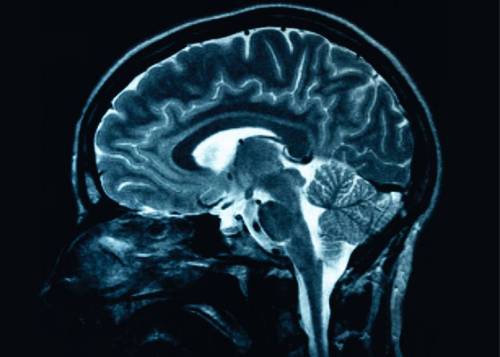
MRI scan of brain

From Practice Update:

CONCLUSIONS

Both adhering to a Mediterranean diet and effectively managing type 2 diabetes may support optimal cognitive function. Healthy diets, in general, can help improve memory function among adults without type 2 diabetes.

Source: The Mediterranean Diet and 2-Year Change in Cognitive Function by Status of Type 2 Diabetes and Glycemic Control

Steve Parker, M.D.

PS: What else preserves brain function? The Mediterranean diet, for one.

Steve Parker MD, Advanced Mediterranean Diet

Click the pic to purchase at Amazon.com

Eating Mediterranean Diet During Pregnancy Reduces Gestational Diabetes Risk

Wouldn’t be surprised if she had gestational diabetes.

From Newsweek:

Eating a Mediterranean diet while pregnant could prevent women at risk of gestational diabetes from developing the condition, a study has found.

The women who took part in the study followed a Mediterranean-style diet, by eating more nuts, extra virgin olive oil, fish, white meat and pulses; while cutting their levels of red meat, butter, margarine, and cream. Researchers also asked the women to avoid sugary drinks, fast food, and those high in animal fats.

Source: Eating Mediterranean Diet During Pregnancy Could Cut Gestational Diabetes Risk: Study

Steve Parker, M.D.

Steve Parker MD, Advanced Mediterranean Diet

Click the pic to purchase at Amazon.com

Is olive oil good for you? A systematic review of the evidence

I like this Newman’s Own dressing. First ingredient is olive oil blend, unlike most commercial vinaigrettes that first list water or canola oil. In 2019 they changed the formula and I don’t like it as much.

C-reactive protein and interleukin-6 are measurable blood markers of inflammation in our bodies. Inflammation may be the cause of diseases like hypertension, strokes, hardening of the arteries (atherosclerosis), and heart attacks. One theory holds that if you can reduce the level of the inflammatory markers, your risk of the aforementioned illnesses will be lower.

Olive oil is a key component of the healthy Mediterranean diet. Could that healthfulness be mediated by anti-inflammatory effects of olive oil?

Fr0m the journal Nutrition:

[Randomized controlled trials] reveal beneficial effects of olive oil by reducing levels of inflammation markers. Olive oil taken on a regular basis can be a good dietary fat alternative, especially to manage IL-6 [interleukin-6]. However, further research is required to clarify the effects of olive oil consumption on inflammation comparing to other fats. Moreover, olive oil daily dosage, different time-length intervention and follow-up periods should be taken into consideration.

Source: Is olive oil good for you? A systematic review and meta-analysis on anti-inflammatory benefits from regular dietary intake – ScienceDirect

These researchers found no consistent effect of olive oil on C-reactive protein (CRP).

Steve Parker, M.D.

Steve Parker MD, Advanced Mediterranean Diet

Click the pic to purchase at Amazon.com

Targeting Mouth Bacteria May Prevent Alzheimer’s Dementia

My only file foto of teeth

Several respected researchers think that Alzheimer’s dementia may primarily be an infectious disease, particularly related to gum bacteria.

From MedScape:

LOS ANGELES — As more disappointing results emerge from anti-amyloid drug trials in Alzheimer’s disease (AD), there is growing interest in novel treatment approaches for this condition.

One such approach is based on the hypothesis that Porphyromonas gingivalis (Pg), the bacteria involved in periodontal disease, may cause AD. The biopharmaceutical company Cortexyme Inc is testing this theory with an investigational agent COR388, which targets gingipains, the toxic proteases released by Pg.  Early results show the drug is well tolerated and promising in terms of biomarker findings. Organizers hope that a phase 2/3 trial of the treatment now under way will provide definitive efficacy results.

Source: Gum Disease Bacteria a Novel Treatment Target for Alzheimer’s?

Steve Parker, M.D.

PS: Did you know the Mediterranean diet reduces the risk of dementia?

Steve Parker MD, Advanced Mediterranean Diet

Click the pic to purchase at Amazon.com

Are You Too Old and Achy for Fitness Training?

You won’t see her at your home gym

From American Partisan:

If you have chronic pain or have been out of the gym a long time, build up volume (number of sets x number of reps x weight) slowly.  Pick weights you can lift without pain and increase weight and volume in pain-free steps.  The great thing about weight training is it allows you to easily control training variables in a safe, measurable, and repeatable manner while building work capacity and strength.  If one exercise hurts, substitute for another.  For example, if it hurts to back squat, substitute for a front squat….Right now, for example, I’ve built up a bit of pain in my biceps so I’ve substitute pull-ups for chin-ups which seem to take the stress off my biceps due to the weird angle between my upper and lower arms.

Cardio is built-up in a similar manner.  If one thing hurts, do something else or do it only within a pain-free time-interval and intensity to prevent pain flare-ups.  Develop a large variety of ways of doing cardio rather than do the same thing every day since training benefits heavily from novelty.  For example, you can use the assault bike one day, the agility ladder the next, barbell complexes a third day, and agility ladders a fourth day.  If you’re very overweight, start with walking.

Source: Fitness through midlife | American Partisan

The article recommends a book by Bill Hartman called All Gain No Pain. The numerous five-star reviews (and very few with lesser stars) at Amazon.com seem a bit fishy to me due to over-the-top praise and few details. Do you have an opinion on the book?

Steve Parker, M.D.

Steve Parker MD, Advanced Mediterranean Diet

Click the pic to purchase at Amazon.com