Taking Hypertension Meds at Bedtime Prevents Cardiovascular Events

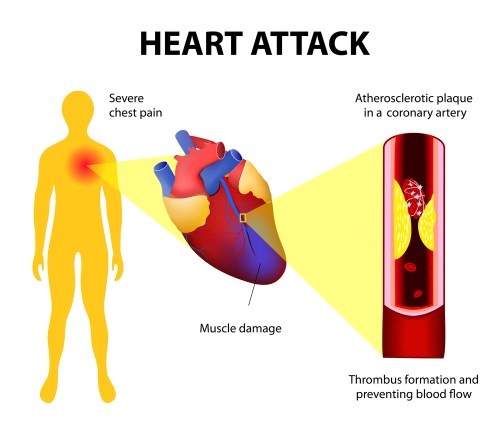
High blood pressure is linked to heart attacks

Very recently I’ve noticed hypertension patients taking their medications at bedtime. Now I know why.

From Medscape:

Taking antihypertensive medication at bedtime led to an almost halving of cardiovascular events in a new study.

The Hygia Chronotherapy Trial is the largest ever study to investigate the effect of the time of day when people take their antihypertensive medication on the risk of cardiovascular events.

The trial randomly assigned 19,084 patients to take their medication on waking or at bedtime and followed them for an average of 6 years.Results showed that patients who took their pills at bedtime had a 45% reduction in overall cardiovascular events. This included a 56% reduction in cardiovascular death, a 34% reduction in myocardial infarction (MI), a 40% reduction in coronary revascularization [bypass surgery and angioplasty/stenting], a 42% reduction in heart failure, and a 49% reduction in stroke, all of which were statistically significant.

***

“We showed that if blood pressure is elevated during sleep then patients have increased cardiovascular risk regardless of daytime pressure, and if blood pressure during sleep is normal then cardiovascular risk is low even if the [doctor’s] office pressure is elevated,” Hermida said.

***

Results showed that during the 6.3-year median patient follow-up, 1752 participants experienced the primary cardiovascular disease (CVD) outcome (a composite of CVD death, MI, coronary revascularization, heart failure, or stroke).

Drug classes at physicians’ disposal were ARBs (angiotensin receptor blockers, calcium channel blockers, ACE inhibitors, and diuretics. Preventative effects were most pronounced for ARBs and ACE inhibitors.

Don’t change your BP medication dosing until you check with your personal physician.

Source: Bedtime Dosing of Hypertension Meds Reduces CV Events

Did you know most heart attacks occur in the morning, and those tend to be the most serious?

Steve Parker, M.D.

Steve Parker MD, Advanced Mediterranean Diet

Click the pic to purchase at Amazon.com. E-book versions also available at Smashwords. com.


Bad Posture Isn’t Causing Most Neck Pain

For your consideration, an article at Science Alert:

While most episodes of neck pain are likely to get better within a few months, half to three-quarters of people who have neck pain will experience repeated episodes of pain.

It’s often said there are “good and bad postures” and that specific postures can contribute to spinal pain but this belief is not supported by scientific evidence. Indeed, research shows that poor sleep, reduced physical activity and increased stress appear to be more important factors.

So despite attempts by health professionals to correct your posture and the use of “ergonomic” chairs, desks, keyboards and other gadgets chances are so-called “lifestyle factors” – such as getting enough sleep, making sure you exercise and keeping stress to a minimum – seem to be more salient in relieving and preventing the pain in your neck.

Source: The Real Cause of Your Neck Pain Probably Has Very Little to Do With Bad Posture

84% of Women Fail New Army Combat Fitness Test 

More time at the gym may help

Don’t feel too bad, ladies. 30% of the men failed, too.

(CNSNews.com) – In a new report, the Center for Military Readiness says that 84% of women fail the New Army Combat Fitness Test and that “all military officials should drop the ‘gender diversity’ agenda and put mission readiness and ‘combat lethality’ first.”

“It makes no sense for recruiters to devote more time and money recruiting ‘gender diverse’ trainees who are more likely to be injured, less likely to want infantry assignments, and less likely to remain through basic training or physically-demanding combat arms assignments for twenty years or more,” states the  CMR report.

Source: Report: 84% of Women Fail New Army Combat Fitness Test | CNSNews

Steve Parker, M.D.

Steve Parker MD, Advanced Mediterranean Diet

Click the pic to purchase at Amazon.com. E-book versions also available at Smashwords. com.

Science Skepticism


“You can’t tell whether I’m lying, delusional, ignorant, or simply incompetent. Sometimes even I don’t know!”

I ran across a 2016 article by Callie Joubert that summarizes skeptical ideas I’ve read about for years, but most people and physicians don’t know about. Bottom line: scientific research and medical studies aren’t nearly as reliable as you think.

Read the whole thing, but here are some excerpts:

We tend to think of science as a dispassionate (impartial, neutral) search for truth and certainty. But is it possible that we are facing a situation in which there is a massive production of wrong information or distortion of information? Is it possible that certain scientific disciplines are facing a crisis of credibility? Mounting evidence suggests this is indeed the case, which raises two questions: How serious is the problem? And what could explain this?

***

The title of an editorial in the prestigious medical journal The Lancet, dated April 6, 2002, asks the question, “Just How Tainted Has Medicine Become?”4 The article states, “Heavily, and damagingly so, is the answer.” Among other things, in 2001, researchers completed experiments with biotechnology products in which they had a direct financial interest and doctors did not tell their patients that others had died using these products when safer alternatives were available. In the same journal, dated April 11, 2015, Dr. Richard Horton stated the gravity of the problem as follows: “The case against science is straightforward: much of the scientific literature, perhaps half, may simply be untrue . . . science has taken a turn towards darkness.”

In 2004, under the heading of “Depressing Research,” the editor of The Lancet had this to say about antidepressants for children: “The story of research into selective serotonin reuptake inhibitor (SSRI) use in childhood depression is one of confusion, manipulation, and institutional failure. . . . In a global medical culture where evidence-based practice is seen as the gold standard for care, these failings [i.e., of the USA Food and Drug Administration to act on information provided to them about the harmful effects of these drugs on children] are a disaster.”6 After being editor of the New England Journal of Medicine for 20 years, Dr. Marcia Angell stated that “physicians can no longer rely on the medical literature for valid and reliable information.”7 She referred to a study of 74 clinical trials of antidepressants that indicates that 37 of 38 positive studies were published. In contrast, 33 of the 36 negative studies were either not published or published in a form that conveyed a positive outcome. She also mentions the fact that drug companies are financing “most clinical research on the prescription drugs, and there is mounting evidence that they often skew the research they sponsor to make their drugs look better and safer.”

In 2011, researchers at Bayer decided to test 67 recent drug discoveries on preclinical cancer biology research. In more than 75 percent of cases, the published data did not match their attempts to replicate them.8 In 2012, a study published in Nature announced that only 11 percent of the sampled preclinical cancer studies coming out of the academic pipeline were replicable.9

In the prestigious Science journal, in 2015, the Open Science Collaboration10 presented a study of 100 psychological research studies that 270 contributing authors tried to replicate. An astonishing 65 percent failed to show any statistical significance on replication, and many of the remainder showed greatly reduced effect sizes. In plain terms, evidence for original findings is weak.

***

A discovery in physics, the hardest of all hard sciences, is usually thought of as the most reliable in the world of science. However, two of the most vaunted physics results of the past few years—“cosmic inflation and gravitational waves at the BICEP2 experiment in Antarctica, and the supposed discovery of superluminal neutrinos at the Swiss-Italian border—have now been retracted, with far less fanfare than when they were first published.”

***

Parker here again….

The science skeptic best known to physicians is John P.A. Ioannidis:

Empirical evidence from diverse fields suggests that when efforts are made to repeat or reproduce published research, the repeatability and reproducibility is dismal.

Another quote form Ioannidis:

There is increasing concern that most current published research findings are false. The probability that a research claim is true may depend on study power and bias, the number of other studies on the same question, and, importantly, the ratio of true to no relationships among the relationships probed in each scientific field. In this framework, a research finding is less likely to be true when the studies conducted in a field are smaller; when effect sizes are smaller; when there is a greater number and lesser preselection of tested relationships; where there is greater flexibility in designs, definitions, outcomes, and analytical modes; when there is greater financial and other interest and prejudice; and when more teams are involved in a scientific field in chase of statistical significance. Simulations show that for most study designs and settings, it is more likely for a research claim to be false than true. Moreover, for many current scientific fields, claimed research findings may often be simply accurate measures of the prevailing bias.

Ioannidis again:

Most physicians and other healthcare professionals are unaware of the pervasiveness of poor quality clinical evidence that contributes considerably to overuse, underuse, avoidable adverse events, missed opportunities for right care and wasted healthcare resources. The Medical Misinformation Mess comprises four key problems. First, much published medical research is not reliable or is of uncertain reliability, offers no benefit to patients, or is not useful to decision makers. Second, most healthcare professionals are not aware of this problem. Third, they also lack the skills necessary to evaluate the reliability and usefulness of medical evidence. Finally, patients and families frequently lack relevant, accurate medical evidence and skilled guidance at the time of medical decision‐making.

If you like videos, here’s Ioannidis on YouTube.

Staying skeptical,

Steve Parker, M.D.

h/t Vox Day


Mediterranean Diet Plus Extra-Virgin Olive Oil Linked to Lower Risk of Fatty Liver

Not pictured: olive oil vinaigrette I dressed it with

Excessive accumulation of fat in the liver can lead to liver inflammation and ultimately liver failure. Trust me, you don’t want liver failure.

Circle insets are microscopic views

More results from the PREDIMED study:

ABSTRACT

Background

Adherence to a Mediterranean diet (MedDiet) is thought to reduce liver steatosis.ObjectivesTo explore the associations with liver steatosis of 3 different diets: a MedDiet + extra-virgin olive oil (EVOO), MedDiet + nuts, or a control diet.

Methods

This was a subgroup analysis nested within a multicenter, randomized, parallel-group clinical trial, PREvención con DIeta MEDiterránea (PREDIMED trial: ISRCTN35739639), aimed at assessing the effect of a MedDiet on the primary prevention of cardiovascular disease. One hundred men and women (mean age: 64 ± 6 y), at high cardiovascular risk (62% with type 2 diabetes) from the Bellvitge-PREDIMED center were randomly assigned to a MedDiet supplemented with EVOO, a MedDiet supplemented with mixed nuts, or a control diet (advice to reduce all dietary fat). No recommendations to lose weight or increase physical activity were given. Main measurements were the percentage of liver fat and the diagnosis of steatosis, which were determined by NMR imaging. The association of diet with liver fat content was analyzed by bivariate analysis after a median follow-up of 3 y.

Results

Baseline adiposity and cardiometabolic risk factors were similar among the 3 treatment arms. At 3 y after the intervention hepatic steatosis was present in 3 (8.8%), 12 (33.3%), and 10 (33.3%) of the participants in the MedDiet + EVOO, MedDiet + nuts, and control diet groups, respectively (P = 0.027). Respective mean values of liver fat content were 1.2%, 2.7%, and 4.1% (P = 0.07). A tendency toward significance was observed for the MedDiet + EVOO group compared with the control group. Median values of urinary 12(S)-hydroxyeicosatetraenoic acid/creatinine concentrations were significantly (P = 0.001) lower in the MedDiet + EVOO (2.3 ng/mg) than in the MedDiet + nuts (5.0 ng/mg) and control (3.9 ng/mg) groups. No differences in adiposity or glycemic control changes were seen between groups.

Conclusions

An energy-unrestricted MedDiet supplemented with EVOO, a food with potent antioxidant and anti-inflammatory properties, is associated with a reduced prevalence of hepatic steatosis in older individuals at high cardiovascular risk.

Source: Mediterranean Diet Rich in Extra-Virgin Olive Oil Is Associated with a Reduced Prevalence of Nonalcoholic Fatty Liver Disease in Older Individuals at High Cardiovascular Risk | The Journal of Nutrition | Oxford Academic

You only have one liver. Be nice to it.

 Steve Parker, M.D.

Steve Parker MD, Advanced Mediterranean Diet

Click the pic to purchase at Amazon.com. E-book versions also available at Smashwords. com.

Mediterranean-Style Diet Improves Symptoms of Depression In College Students

Spaghetti squash “spaghetti”

Study participants at the outset were judged to have a poor diet as compared to the Australian Guide to Healthy Eating. Here’s the intervention diet:

The diet was developed by an Accredited Practising Dietician and was based on the Australian Guide to Healthy Eating (2003) [18], with additional recommendations to increase concordance with Mediterranean-style diets known to be associated with reduced risk of depression (2) and diet components (e.g. omega-3 fatty acids, cinnamon, turmeric) that have beneficial effects on neurological function (e.g. see [19] for a review). Participants were instructed to increase intake of vegetables (5 servings per day), fruits (2–3 per day), wholegrain cereals (3 per day), protein (lean meat, poultry, eggs, tofu, legumes; 3 per day), unsweetened dairy (3 per day), fish (3 per week), nuts and seeds (3 tablespoons per day), olive oil (2 tablespoons per day), spices (turmeric and cinnamon; 1 teaspoon most days). Conversely, they were instructed to decrease refined carbohydrate, sugar, fatty or processed meats and soft-drinks. Participants were provided a sample meal plan and recipes, a handout answering frequently asked questions and troubleshooting solutions.

Source: A brief diet intervention can reduce symptoms of depression in young adults – A randomised controlled trial

Click for New York Times coverage of the study.

Steve Parker, M.D.

Steve Parker MD, Advanced Mediterranean Diet

Click the pic to purchase at Amazon.com. E-book versions also available at Smashwords. com.

70 is the new 60 (but not for everyone in the U.S.)

“The 21st century is a great time to be alive”

From Market Watch:

Better living conditions, easier work, and better health care are all helping shave years off our effective ages, researchers have said. The progress is steady and consistent, they have found. A typical American woman of 67 today is about as healthy as her mom was at age 60, and at 89 she’s likely to be as healthy as her mom was at 75, the report released this week said.

Health-wise, older people are 10 years younger than their grandparents. “A 70-year-old born in 1960 is predicted to be about as healthy as a 60-year-old born in 1910,” the authors wrote. The authors, Ana-Lucia Abeliansky, Devil Erel and Holger Strulik, economists and statisticians at the University of Goettingen in Germany, crunched medical data on thousands of Americans.

Elderly African-Americans didn’t see the youthfulness gain.

Furthermore:

From 1950 to 2000, average life expectancy has risen more in Western Europe than in the U.S. Europeans have gained 11.3 years, on average, compared with 8.6 years for Americans.

Source: Good news for older Americans: 70 is the new 60 (but not for everyone) – MarketWatch

Testosterone Supplementation May REDUCE Risk of Prostate Cancer

…which is contrary to what we’ve been told for years.

From Nature:

The relationship between testosterone therapy and prostate cancer continues to challenge historic and current beliefs. A new cohort analysis revealed a ~33% reduction in prostate cancer incidence in men with increased testosterone use. The mechanisms underlying this protective effect are unclear, but these findings challenge current paradigms and warrant further investigation.

Source: Challenging beliefs of testosterone therapy and prostate cancer | Nature Reviews Urology

Dietary Fiber Promotes Weight Loss on Calorie-Restricted Diets

Almost no fiber in these cookies

ABSTRACT

Background

The effects of dietary composition on weight loss are incompletely understood. In addition to energy intake, fiber intake, energy density, macronutrient composition, and demographic characteristics have all been suggested to contribute to weight loss.

Objective

The primary aim of this analysis was to assess the role of dietary fiber as a predictor of weight loss in participants who consumed calorie-restricted diets (−750 kcal/d from estimated energy needs) for 6 mo, using data from the POUNDS Lost (Preventing Overweight Using Novel Dietary Strategies) Study—a randomized trial that examined the effects of calorie-restricted diets varying in macronutrient composition on weight loss in adults.

Methods

Data were randomly partitioned to a training data set (70%) in which the effects of fiber and other weight-loss predictors were identified using adjusted Least Absolute Shrinkage and Selection Operator and model averaging. The retained predictors were then fit on the testing data set to assess predictive performance.

Results

Three hundred and forty-five participants (53.9% female) provided dietary records at baseline and 6 mo. Mean ± SD age and BMI for the full sample was 52.5 ± 8.7 y and 32.6 ± 3.9 kg/m2, respectively. Mean ± SD (99% CI) weight change at 6 mo for the full sample was −7.27 ± 5.6 kg (−8.05, −6.48 kg). The final, best fit model (R2 = 0.41) included fiber, energy density, fat, age, adherence, baseline weight, race, and changes from baseline in carbohydrate, fiber, PUFA, and MUFA intake, but the most influential predictor was fiber intake (⁠β̂  = −0.37; P < 0.0001). In addition, fiber was strongly associated with adherence to the macronutrient prescriptions (P < 0.0001). Interactions between race and adherence, age, baseline weight, carbohydrate, energy density, and MUFAs were also retained in the final model.

Conclusion

Dietary fiber intake, independently of macronutrient and caloric intake, promotes weight loss and dietary adherence in adults with overweight or obesity consuming a calorie-restricted diet.

Source: Fiber Intake Predicts Weight Loss and Dietary Adherence in Adults Consuming Calorie-Restricted Diets: The POUNDS Lost (Preventing Overweight Using Novel Dietary Strategies) Study | The Journal of Nutrition | Oxford Academic

Steve Parker, M.D.

Steve Parker MD, Advanced Mediterranean Diet

Click the pic to purchase at Amazon.com. E-book versions also available at Smashwords. com.

Can Diet Prevent Chronic Kidney Disease and Albuminuria?

Once your kidneys start to go, life gets complicated. There are certain nutrients you need to avoid overdosing on (e.g., potassium). Your drug doses may need to be adjusted. You may retain fluid, causing high blood pressure, swollen legs, and trouble breathing. You may end up needing dialysis, which is a major pain in the ass.

One early sign of kidney disease in some cases is leakage of albumin (a protein) into the urine.

A healthy diet may help preserve kidney function. But what to eat?

The diet described in this Renal and Urology News article sounds like the Mediterranean diet to me.

Adhering to a healthy diet may reduce the risk of chronic kidney disease (CKD) and albuminuria, according to a new systematic review and meta-analysis.

Such a diet is rich in vegetables, fruit, legumes, nuts, whole grains, fish, and low-fat dairy products and low in red and processed meats, sodium, and sugar-sweetened beverages.

Jaimon T. Kelly, PhD, of Bond University in Australia, and collaborators, analyzed 18 studies that included a total of 630,108 healthy adults followed for a mean 10.4 years. Their meta-analysis of low to moderate grade studies found that a healthy dietary pattern was associated with a 30% lower incidence of CKD and a 23% lower incidence of albuminuria, according to results published in the Clinical Journal of the American Society of Nephrology.

The dietary patterns that were most frequently studied included the Mediterranean diet, DASH (Dietary Approaches to Stop Hypertension) diet, and US dietary guidelines.

Source: Healthy Diet May Prevent CKD, Albuminuria – Renal and Urology News

Steve Parker, M.D.

PS: Click for info on chronic kidney disease from the National Kidney Foundation.

Steve Parker MD, Advanced Mediterranean Diet

Click the pic to purchase at Amazon.com. E-book versions also available at Smashwords. com.