Low-Carb Diets Improve Cardiovascular Disease Risk Factors

Even with the mandarin oranges, this salad is low-carb

A meta-analysis by Chinese investigators found that low-carb diets improve cardiovascular risk factors. Specifically: body weight (lowered), triglycerides (lowered), HDL-cholesterol (raised), blood pressure (lowered systolic and diastolic, but less than 2 points).

Additionally, they found increases in total cholesterol and HDL-cholesterol. Some consider those to be going in the wrong direction, increasing cardiovascular risk. The study authors, however, considered these increases “slight,” implying lack of real-world significance.

I’ll not fisk the entire research paper. Have a go at it yourself by clicking the link to full-text below.

The researchers included 12 randomized controlled trials in their analysis. They defined low-carb diets as having less than 40% of calories derived from carbohydrates. If you’re eating 2200 calories a day, 39% of calories from carb would be 215 g of carbs/day. That’s a lot of carb, and wouldn’t be much lower than average in the U.S.. I scanned the report pretty quickly and didn’t run across an overall average for carb grams or calories in the low-carb diets. The “control diets” had 45–55% of calories from carbohydrate.

Here’s the abstract:

Background

Low-carbohydrate diets are associated with cardiovascular risk factors; however, the results of different studies are inconsistent.

Purpose

The aim of this meta-analysis was to assess the relationship between low-carbohydrate diets and cardiovascular risk factors.

Method

Four electronic databases (PubMed, Embase, Medline, and the Cochrane Library) were searched from their inception to November 2018. We collected data from 12 randomized trials on low-carbohydrate diets including total cholesterol, high-density lipoprotein cholesterol (HDL-C), low-density lipoprotein cholesterol (LDL-C), triglycerides, and blood pressure levels, as well as weight as the endpoints. The average difference (MD) was used as the index to measure the effect of a low-carbohydrate diet on cardiovascular risk factors with a fixed-effects model or random-effects model. The analysis was further stratified by factors that might affect the results of the intervention.

Results

From 1292 studies identified in the initial search results, 12 randomized studies were included in the final analysis, which showed that a low-carbohydrate diet was associated with a decrease in triglyceride levels of -0.15mmol/l (95% confidence interval -0.23 to -0.07). Low-carbohydrate diet interventions lasting less than 6 months were associated with a decrease of -0.23mmol/l (95% confidence interval -0.32 to -0.15), while those lasting 12–23 months were associated with a decrease of -0.17mmol/l (95% confidence interval -0.32 to -0.01). The change in the body weight in the observation groups was -1.58kg (95% confidence interval -1.58 to -0.75); with for less than 6 months of intervention, this change was -1.14 kg (95% confidence interval -1.65 to -0.63),and with for 6–11 months of intervention, this change was -1.73kg (95% confidence interval -2.7 to -0.76). The change in the systolic blood pressure of the observation group was -1.41mmHg (95% confidence interval—2.26 to -0.56); the change in diastolic blood pressure was -1.71mmHg (95% confidence interval—2.36 to -1.06); the change in plasma HDL-C levels was 0.1mmHg (95% confidence interval 0.08 to 0.12); and the change in serum total cholesterol was 0.13mmol/l (95% confidence interval 0.08 to 0.19). The plasma LDL-C level increased by 0.11mmol/l (95% confidence interval 0.02 to 0.19), and the fasting blood glucose level changed 0.03mmol/l (95% confidence interval -0.05 to 0.12),which was not significant.

Conclusions

This meta-analysis confirms that low-carbohydrate diets have a beneficial effect on cardiovascular risk factors but that the long-term effects on cardiovascular risk factors require further research.

Source: The effects of low-carbohydrate diets on cardiovascular risk factors: A meta-analysis

Steve Parker, M.D.

PS: You know what else reduces cardiovascular disease risk? The Mediterranean diet. The book below has a low-carb option. It’s two diets for the price of one.

Steve Parker MD, Advanced Mediterranean Diet

Click the pic to purchase at Amazon.com. E-book versions also available at Smashwords. com.
Which Dietary Patterns Lower Blood Pressure?

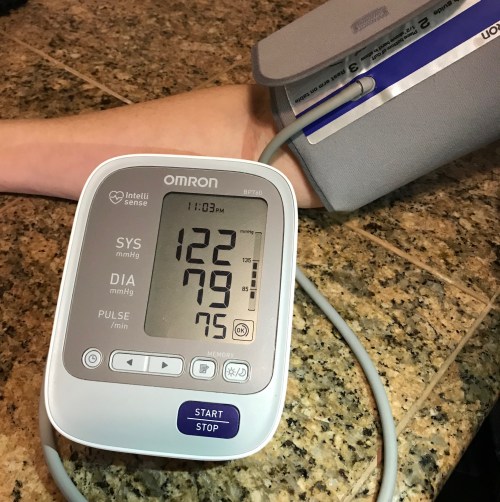
Not a bad monitor

Increasingly, I’m suspicious of results from meta-analyses. Anyway, here’s the abstract of one from American Journal of Clinical Nutrition in 2020. In case you’re not familiar with the LDL-lowering, vegetarian, “portfolio diet,” click for an infographic.

Background: Many systematic reviews and meta-analyses have assessed the efficacy of dietary patterns on blood pressure (BP) lowering but their findings are largely conflicting.

Objective: This umbrella review aims to provide an update on the available evidence for the efficacy of different dietary patterns on BP lowering.

Methods: PubMed and Scopus databases were searched to identify relevant studies through to June 2020. Systematic reviews with meta-analyses of randomized controlled trials (RCTs) were eligible if they measured the effect of dietary patterns on systolic (SBP) and/or diastolic blood pressure (DBP) levels. The methodological quality of included systematic reviews was assessed by A Measurement Tool to Assess Systematic Review version 2. The efficacy of each dietary pattern was summarized qualitatively. The confidence of the effect estimates for each dietary pattern was graded using the NutriGrade scoring system.

Results: Fifty systematic reviews and meta-analyses of RCTs were eligible for review. Twelve dietary patterns namely the Dietary Approaches to Stop Hypertension (DASH), Mediterranean, Nordic, vegetarian, low-salt, low-carbohydrate, low-fat, high-protein, low glycemic index, portfolio, pulse, and Paleolithic diets were included in this umbrella review. Among these dietary patterns, the DASH diet was associated with the greatest overall reduction in BP with unstandardized mean differences ranging from -3.20 to -7.62 mmHg for SBP and from -2.50 to -4.22 mmHg for DBP. Adherence to Nordic, portfolio, and low-salt diets also significantly decreased SBP and DBP levels. In contrast, evidence for the efficacy of BP lowering using the Mediterranean, vegetarian, Paleolithic, low-carbohydrate, low glycemic index, high-protein, and low-fat diets was inconsistent.

Conclusion: Adherence to the DASH, Nordic, and portfolio diets effectively reduced BP. Low-salt diets significantly decreased BP levels in normotensive Afro-Caribbean people and in hypertensive patients of all ethnic origins.

Source: Efficacy of different dietary patterns on lowering of blood pressure level: an umbrella review – PubMed

Steve Parker, M.D.

PS: Losing a significant amount of excess weight by any reasonable method commonly lowers blood pressure.

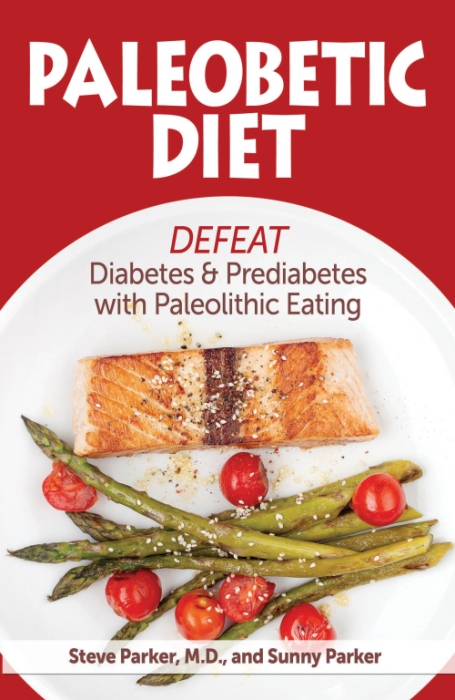
front cover of paleobetic diet

Click to purchase at Amazon.com. E-book also available at Smashwords. com.

#OrnishDiet Beats Mediterranean as Best Heart-Healthy Diet of 2020?

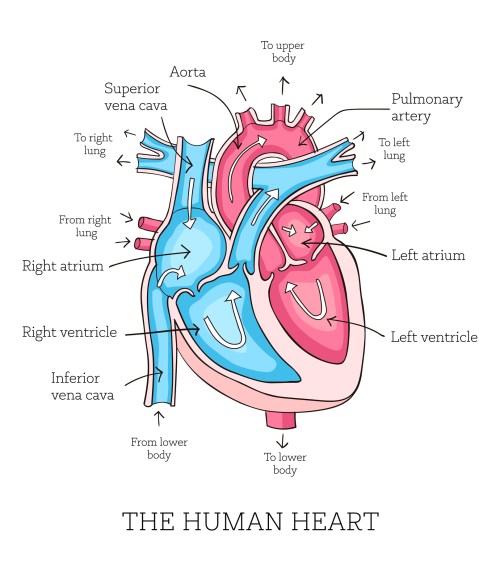
Pulmonary artery arrow is wrong

From Cardiovascular Business:

The Mediterranean diet has been eclipsed as the U.S. News & World Report’s best-ranked heart-healthy diet for the first time in a decade, nudged out of the top spot by the popular Ornish diet.

The Ornish diet—also ranked as the ninth-best overall diet in the 2020 report—was pioneered by physician Dean Ornish more than 40 years ago and restricts the consumption of fats, refined carbohydrates and animal proteins. It also emphasizes the importance of exercise and stress management in living healthfully.

Source: Ornish beats Mediterranean as best heart-healthy diet of 2020

I’ve always associated the Ornish diet with group therapy, meditation, and vegetarianism. But no mention of those in the linked article. I can’t remember the last time I met anybody doing the Ornish diet, it’s been that long. It was popular in the 1990s.

Steve Parker, M.D.

Steve Parker MD, Advanced Mediterranean Diet

Click the pic to purchase at Amazon.com. E-book versions also available at Smashwords. com.
Low-Carb Diet May Help Your Knee Arthritis, Regardless of Weight Loss

Photo credit: Steven Paul Parker II

Dr Ken Berry published at YouTube a 4-minute video on a diet he believes will lessen the effects and incidence of knee osteoarthritis. For men, the lifetime risk of developing knee osteoarthritis is 40%. For women, 47%. The effects of arthritis are pain and impaired functional status. The title of the video even mentions reversing arthritis. I suppose improved pain and functional ability would be at least a partial reversal.

In short, Dr Berry suggests a diet free of all sugar (no mention of fruits), all grains, and all vegetable oils.

Dr Berry refers to a study done at University of Alabama at Birmingham.  The research was published in Pain Medicine.

Dr Berry also referred to a study of cadavers that found a doubling of knee osteoarthritis from around 1850 to 2000. The researchers don’t think aging and obesity are related to the increase. Maybe diet has some thing to do with it.

How was the UAB study done?

The twenty-one study participants were folks with knee osteoarthritis between 65 and 75-years-old. Nine men, 12 women. Average baseline weight was 194 lb (88 kg). The 21 participants were randomly assigned to one of three diets they would follow for 12 weeks:

  1. L0w-carb diet group (8 participants). Restricted daily total carbohydrates (not net carbs) to 20 grams or less for the first three weeks. Then could go up to 40 grams “if required” (not explained). No fat or protein or calorie restriction. Limited amount of vegetables were OK (e.g., 2 cups/day of leafy greens, 1 cup of non-starchy vegetables). Carb-free sweeteners (stevia, sucralose) were allowed but maltodextrin-containing sweeteners were limited (stevia, sucralose, aspartame, saccharin). This group had no drop-outs.
  2. Low-fat diet group (6 participants). 800–1,200 calories/day. It looks like the men were put on reduced calorie diets—500 cals under estimated baseline or maintenance calories. Women’s calories were reduced by 250-300/day from baseline. Calories were reduced mainly through reduction of fats. They ate veggies, fruit, low-fat foods, whole grains, low-fat dairy, and limited cholesterol and saturated fats. Macronutrient distribution: 60% of calories from carb, 20% from protein, 20% from fat. (Yet Table 1 indicates 50–67 g of fat/day. Twenty percent of 1,200 of calories is only 27 g of fat. So misprint in table 1?) This group had one drop-out.
  3. Control group (N=7), eating as per their usual routine although given documents on portion control. Two drop-outs.

The authors indicate that groups 1 and 2 ate about 100 g of protein/day.

All participants filled out surveys documenting knee pain levels and were put through periodic supervised tests like a timed walk and repeatedly arising from a chair with their hands placed on opposite shoulders.

Results

The low-carb diet group is the only one that demonstrated decreased pain intensity and unpleasantness in some functional pain tasks. In other words, improved quality of life.

The low-carb group lost an average of 20 lb (9 kg) compared to the low-fat weight loss of 14 lb (6.5 kg), not a statistically significant difference. Even the control group lost 4 lb (1.8 kg).

A blood test—thiobarbituric acid reactive substances or TBARS—indicated reduced oxidative stress in the low-carb dieters.

The authors hypothesize that the improvement in arthritis pain in the low-carb group was related to the reduction in oxidative stress, which reduces pain and inflammation.

Will these old knees make it up Humprheys Peak one more time?

Implications

With so few participants, you know this was a pilot study that ultimately may not be entirely valid or replicable. But it’s promising. Next, we need a study with 150 participants.

Dr Berry is getting a bit ahead the the science here. He gives a powerful personal testimony in his video. And perhaps he’s seen many of his patients improve their arthritis with a very low-carb diet.

The carb consumption of the low-carb dieters would be ketogenic in most folks. Yet I didn’t even see “ketogenic” in their report. Perhaps because they didn’t measure ketone levels?

The authors of the report mention other studies finding improvement of osteoarthritis  pain and inflammation by the Mediterranean diet. The Mediterranean diet even helps rheumatoid arthritis.

How about combining a very low-carb and Mediterranean diet? As in my Ketogenic Mediterranean Diet. If you have the funds to run the study, I can probably get you a nice discount on books. Have your people contact my people.

Given the safety of very low-carb diets, I can’t argue against a 12-week trial if you have bothersome knee osteoarthritis. Get your doctor’s clearance first.

Steve Parker, M.D.

References:

Strath LJ, et al. The effect of low-carbohydrate and low-fat diets in individuals with knee osteoarthritis. Pain Medicine, 21(1), 2020, pp 150-160.

Oliviero, F, et al. How the Mediterranean diet and some of its components modulate inflammatory pathways in arthritis. Swiss Med Wkly, 2015; 145; w14190.

Veronese, N, et al. Adherence to the Mediterranean diet is associated with better quality of life: Data from the Osteoarthritis Initiative. American Journal of Clinical Nutrition 2016: 104(5): 1403-9.

McKellar, G. et al. A pilot study of a Mediterranean-like diet intervention in female patients with rheumatoid arthritis living in areas of social deprivation in Glasgow. Ann Rheum Dis 2007;66(9):1239-43.

Slöldstam, LB, et al. Weight reduction is not a major reason for improvement in rheumatoid arthritis from lacto-vegetarian, vegan or Mediterranean diets. Nutr J 2005;4(15).

Click pic to purchase book at Amazon.com. E-book versions are also at


Stop Taking Lorcaserin: Drug Linked to Cancer

Don’t blame her

From the U.S. Food and Drug Administration:

ISSUE: FDA has requested that the manufacturer of Belviq, Belviq XR (lorcaserin) voluntarily withdraw the weight-loss drug from the U.S. market because a safety clinical trial shows an increased occurrence of cancer. The drug manufacturer, Eisai Inc,. has submitted a request to voluntarily withdraw the drug. When FDA approved lorcaserin in 2012, we required the drug manufacturer to conduct a clinical trial to evaluate the risk of cardiovascular problems. A range of cancer types was reported, with several different types of cancers occurring more frequently in the lorcaserin group, including pancreatic, colorectal, and lung.

BACKGROUND: In January 2020, FDA announced we were reviewing clinical trial data and alerted the public about a possible risk of cancer associated with lorcaserin based on preliminary analysis of the data.

RECOMMENDATION: PatientsPatients should stop taking lorcaserin and talk to your health professionals about alternative weight-loss medicines and weight management programs.

Source: Belviq, Belviq XR (lorcaserin) by Eisai: Drug Safety Communication – FDA Requests Withdrawal of Weight-Loss Drug | FDA

I never prescribed lorcaserin.

Steve Parker, M.D.

Click pic to purchase at Amazon.com. E-book versions also available at Smashwords.com.

Three Ways to Reduce Your Risk of Fatty Liver

Where does bile come from? The liver.

I found this study a while back. TL;DR: Physical activity, the Mediterranean diet, and legume consumption are linked to lower incidence of liver fat. At least in a Spanish population with metabolic syndrome.

Abstract

Objective

Non-alcoholic fatty liver disease (NAFLD) is the most common cause of chronic liver morbidity. This condition often is accompanied by obesity, diabetes, and metabolic syndrome (MetS). The aim of this study was to evaluate the connection between lifestyle factors and NAFLD in individuals with MetS.

Methods

A cross-sectional study with 328 participants (55–75 y of age) diagnosed with MetS participating in the PREDIMED-Plus trial was conducted. NAFLD status was evaluated using the non-invasive hepatic steatosis index (HSI). Sociodemographic, clinical, and dietary data were collected. Adherence to the Mediterranean diet (mainly assessed by the consumption of olive oil, nuts, legumes, whole grain foods, fish, vegetables, fruits, and red wine) and physical activity were assessed using validated questionnaires.

Results

Linear regression analyses revealed that HSI values tended to be lower with increasing physical activity tertiles (T2, β = –1.47; 95% confidence interval [CI], –2.73 to –0.20; T3, β = –1.93; 95% CI, –3.22 to –0.65 versus T1, Ptrend = 0.001) and adherence to the Mediterranean diet was inversely associated with HSI values: (moderate adherence β = –0.70; 95% CI, –1.92 to 0.53; high adherence β = –1.57; 95% CI, –3.01 to –0.13 versus lower, Ptrend = 0.041). Higher tertiles of legume consumption were inversely associated with the highest tertile of HSI (T2, relative risk ratio [RRR], 0.45; 95% CI, 0.22–0.92; P = 0.028; T3, RRR, 0.48; 95% CI, 0.24–0.97; P = 0.041 versus T1).

Conclusion

Physical activity, adherence to the Mediterranean diet, and consumption of legumes were inversely associated with a non-invasive marker of NAFLD in individuals with MetS. This data can be useful in implementing precision strategies aimed at the prevention, monitoring, and management of NAFLD.

Source: Influence of lifestyle factors and staple foods from the Mediterranean diet on non-alcoholic fatty liver disease among older individuals with metabolic syndrome features – ScienceDirect

Steve Parker, M.D.

Steve Parker MD, Advanced Mediterranean Diet

Click the pic to purchase at Amazon.com. E-book versions also available at Smashwords. com.
Ketogenic Mediterranean Diet Improves Psoriasis

What an odd study I found…

Abstract

Objectives

Very low-calorie ketogenic diet (VLCKD) has been associated with a significant reduction in visceral adipose tissue and ketone bodies likely possessing anti-inflammatory properties. We evaluated the efficacy of an aggressive WL [weight loss] program with a ketogenic induction phase as first-line treatment for chronic plaque psoriasis.

Research methods & procedures

Adult overweight/obese drug-naïve (never treated excluding use of topical emollients) patients (N=37; 30% males; age, 43.1±13.8 years) with stable chronic plaque psoriasis underwent a 10-week two-phase WL program consisting in a 4-week protein-sparing, VLCKD (<500 kcal/day; 1.2 grams of protein/kg of ideal body weight/day) and a 6-week balanced, hypocaloric (25-30 kcal/kg of ideal body weight/day), Mediterranean-like diet. The primary endpoint was the reduction in the Psoriasis Area and Severity Index (PASI) at week 10. Major secondary endpoints included: PASI50 and PASI75 response, reduction in body surface area (BSA) involved, improvement in itch severity (visual-analogue scale) and Dermatology Life Quality Index (DLQI) at week 10.

Results

With a mean body weight reduction of 12.0% (-10.6 kg), dietary intervention resulted in a significant reduction in PASI (baseline score, 13.8±6.9 [range, 7-32]): mean change, -10.6 [95%CI, -12.8 to -8.4] (P<0.001). A PASI50 and PASI75 response was recorded in 36 (97.3%) and 24 (64.9%) patients, respectively. Treatment resulted also in a significant reduction (P<0.001) in BSA [body surface area?]  involved (-17.4%) and an improvement in itch severity (-33.2 points) and DLQI (-13.4 points).

Conclusions

In drug-naïve adult overweight patients with stable chronic plaque psoriasis an aggressive dietary WL program consisting in a very low-calorie ketogenic regimen followed by a balanced, hypocaloric Mediterranean-like diet appeared to be an efficacious first-line strategy for improving disease severity.

Source: Aggressive weight loss program with a ketogenic induction phase for the treatment of chronic plaque psoriasis: a proof-of-concept, single-arm, open label clinical trial – ScienceDirect

Steve Parker, M.D.

PS: My book includes both a ketogenic diet and hypocaloric Mediterranean diet. But I don’t ask you to reduce calories to less than 500/day!

Steve Parker MD, Advanced Mediterranean Diet

Click the pic to purchase at Amazon.com. E-book versions also available at Smashwords. com.
QOTD: James Thompson on Coronavirus Counter-Measures

If life is an IQ test, then dealing with pandemics is a high-priority item. Getting the right answer may save your life, so test-taking motivation ought to be high.

At first glance, the answer is obvious: avoid ill people, and if in doubt, avoid people. That ought to do it. Stay quietly in a room until the whole thing blows over. If you have the means, that room should be guarded on either side by fires. Such was the advice the Pope received during the Great Pestilence, and following it saved his life. Not everyone can afford such luxurious protection, but the principles are clear: since there must be a means of transmission, a blazing fire is likely to consume the noxious agent, whatever it is. As for visitors, they are to be kept away, preferably in a guarded place, like the ship they came in, moored at a safe distance for forty days, the Venetian quaranta giorni which worked well to protect them. Those inland principalities which harshly confined plague victims to die with their families in their bricked-up houses were able to save their other citizens. Tough governance. Forty days in the wilderness and the whole thing is over.

                                                         – James Thompson

NO: Are medical errors really the third most common cause of death in the U.S.?

Hospitals are notorious for iatrogenic deaths

From Dr Gorski at Science Based Medicine (and he’s right):

I say this at the beginning of nearly every post that I write on this topic, but it bears repeating. It is an unquestioned belief among believers in alternative medicine and even just among many people who do not trust conventional medicine that conventional medicine kills. Not only does exaggerating the number of people who die due to medical complications or errors fit in with the world view of people like Gary Null and Joe Mercola, but it’s good for business. After all, if conventional medicine is as dangerous as claimed, then the quackery peddled by the likes of Adams and Mercola starts looking better in comparison. Unfortunately, there are a number of academics more than willing to provide quacks with inflated estimates of deaths due to medical error. The most famous of these is Dr. Martin Makary of Johns Hopkins University, who published a review (not an original study, as those citing his estimates like to claim) estimating that the number of preventable deaths due to medical error is between 250,000 and 400,000 a year, thus cementing the common (and false) trope that “medical error is the third leading cause of death in the US” into the public consciousness and thereby doing untold damage to public confidence in medicine. As I pointed out at the time, if this estimate were correct, it would mean that between 35% and 56% of all in-hospital deaths are due to medical error and that medical error causes between 10% and 15% of all deaths in the US. The innumeracy that is required to believe such estimates beggars the imagination.

Source: Are medical errors really the third most common cause of death in the U.S.? (2020 edition) – Science-Based Medicine

Steve Parker, M.D.

PS: Minimize your risk of iatrogenic death by getting and staying as healthy as possible. Let me help!

Steve Parker MD, Advanced Mediterranean Diet

Click the pic to purchase at Amazon.com. E-book versions also available at Smashwords. com.
Household Coronavirus Preparation

Hazmat-suited healthcare worker in a decontamination shower

I hadn’t been too concerned about coronavirus (COVID-19), but then I read about quarantined towns in northern Italy. I’m still not terribly worried for my own health, even if I end up treating cases at the hospital. I’m 65—a risk factor for viral death—but otherwise healthy, thank God! There’s still a good chance this will blow over and not affect the U.S. in a major way.

BUT…

If coronavirus becomes an epidemic in the U.S., you will want to be prepared. You’ll want to avoid unnecessary contact with others, especially if you’re over 65 or have significant chronic medical conditions like heart disease, COPD, asthma, active cancer, impaired liver or kidney function, or a poor immune system (e.g, cancer chemotherapy).

If your city or neighborhood is quarantined, will supply trucks be allowed through the checkpoints? Will drivers be willing to enter the quarantine zone? I’ve started to call Wal-Mart, “China-Mart.” Because is it seems like at least half the goods there are made in China. China’s industrial output has already been reduced by the coronavirus epidemic there. A significant number of prescription drugs in the U.S. depend on a healthy China.

Post-viral apocalypse? Raccoon City?

A severe coronavirus outbreak in the U.S. might mean you need to hunker down at home, or close to it, for one or two months. So consider stocking up on the following items to last for 4–6 weeks. The good new is, you’ll eventually use most of this anyway.

  • various foods with a long shelf-life
  • face masks (you’re too late; this ship has already sailed)
  • toilet paper
  • paper towels
  • over-the-counter cold and flu remedies
  • acetaminophen
  • ibuprofen
  • throat lozenges
  • antiseptic wipes
  • toothpaste
  • a multivitamin
  • hand sanitizer
  • facial tissues
  • important prescription medicines (you may need to call your doctor for a three-month supply)
  • body soap
  • dishwashing and clothing detergents
  • feminine hygeine products
  • household cleaning products

Have I missed anything?

Steve Parker, M.D.

Update on March 3, 2020: hand sanitizer (60+% alcohol)

Steve Parker MD, Advanced Mediterranean Diet

Click the pic to purchase at Amazon.com. E-book versions also available at Smashwords. com.