Ongoing Debate: #Coronavirus Infection and Renin Angiotensin System Blocking Drugs #COVID19

From JAMA Network:

Several professional societies have put forward their guidance regarding the use of ACEIs/ARBs in patients with COVID-19. In summary, all guidelines recommend continuing ACEIs/ARBs in patients with COVID-19 unless clinically indicated (Table). Furthermore, they do not suggest initiation of ACEIs/ARBs in those without another clinical indication (eg, hypertension, heart failure, diabetes), given the lack of strong evidence showing benefit of these medications in COVID-19. We agree with these recommendations, given the current state of evidence.

However, the biological plausibility of salutary effects of ACEIs/ARBs in those with COVID-19 is intriguing. A multicenter, double-blind, placebo-controlled phase 2 randomized clinical trial of starting losartan in patients with COVID-19 in outpatient settings (ClinicalTrials.gov identifier: NCT04311177) and in in-patient settings (ClinicalTrials.gov identifier: NCT04312009) is currently being planned. Accordingly, further epidemiological studies and prospective trials are urgently needed to investigate if use of ACEIs/ARBs can reduce the incidence or mortality associated with COVID-19–associated ALI or ARDS, both in patients with and without additional clinical indications for ACEIs/ARBs.

Source: Coronavirus Disease 2019 (COVID-19) Infection and Renin Angiotensin System Blockers | Global Health | JAMA Cardiology | JAMA Network

Clearly, we need real-world data.

Steve Parker, M.D.

Potential Legal Liability for Withdrawing or Withholding Ventilators During COVID-19

Self-portrait on a hospital shift in April 2020

From JAMA Network:

Recently developed protocols expressly call for the rationing and reallocation of ventilators, in a manner that aims to save the greatest number of lives. These protocols are broadly accepted by medical ethicists. But ethics aside, there are potential legal ramifications of either withholding or withdrawing a ventilator from a patient who would ordinarily receive such aid in the absence of a public health emergency.

In this Viewpoint, we assess the legal risks that physicians, other health care workers, and hospital systems confront in such scenarios and recommend that states explicitly and immediately adopt legal protections for health care workers, modeled on provisions in place in Maryland.

Source: Potential Legal Liability for Withdrawing or Withholding Ventilators During COVID-19: Assessing the Risks and Identifying Needed Reforms | Critical Care Medicine | JAMA | JAMA Network

Physicians worry about our patients, but we also have to worry about gettin sued.

Steve Parker, M.D.

Steve Parker MD, Advanced Mediterranean Diet

Click the pic to purchase at Amazon.com. E-book versions also available at Smashwords. com.

Once again, what is the mortality rate of #COVID19 patients on ventilators? #Coronavirus

If the patient isn’t already on a mechanical ventilator when the “code blue” is called, he’s likely to be intubated during cardiopulmonary resuscitation. Is that reasonable for a COVID-19 patient?

SkepticalScalpel (a retired surgeon) is wondering the same as I:

What’s the survival rate of COVID-19 patients admitted to an ICU and given mechanical ventilation?

From Physician’s Weekly:

We have some early published data on percentages which vary widely. A paper from China involved 710 Covid-19 patients; 52 were admitted to an ICU. Of the 22 who eventually required mechanical ventilation, 19 (86%) died. Another early study reported 31 of 32 (97%) mechanically ventilated patients died.

I posed the following question on Twitter: “What is the mortality rate for [COVID-19] patients who require mechanical ventilation?” and received answers ranging from 25% to 70% from people who have personal knowledge of outcomes in their hospitals.

Probably the best published information we have so far is from the Intensive Care National Audit and Research Center (ICNARC) in the UK. Of 165 patients [apparent COVID-19 patients] admitted to ICUs, 79 (48%) died. Of the 98 patients who received advanced respiratory support—defined as invasive ventilation, BPAP or CPAP via endotracheal tube, or tracheostomy, or extracorporeal respiratory support—66% died.

Compare that to the 36% mortality rate of non-COVID patients receiving advanced respiratory support reported to ICNARC from 2017 to 2019.

***

We know nothing about the survival rate of COVID-19 patients who have undergone cardiopulmonary resuscitation.

Regarding that last sentence: Cardiopulmonary resuscitation probably puts lots of viruses into the air, likely increasing the risk of infection transmission to healthcare providers. So if CPR is futile, let’s not do it. Believe it or not, most healthcare providers did not sign up for a high risk of death when they leave for work in the morning.

Source: Mortality rate of COVID-19 patients on ventilators | Physician’s Weekly

Steve Parker, M.D.

PS: Contrary to what you may hear from the mainstream media, most experienced intensivists and hospitalists are comfortable deciding whether cardiopulmonary resuscitation is worthwhile or not. I fully expect that once a COVID-19 patient is on a ventilator and in intractable shock (hypotension), DNR status (do not resuscitate) is recommended to the responsible party. It’s over when the cardiac arrest finally comes.

Steve Parker MD, Advanced Mediterranean Diet

Click the pic to purchase at Amazon.com. E-book versions also available at Smashwords. com.

Stop Panicking: It’s Time to Resuscitate the U.S. Economy #Coronavirus #COVID19


Will we allow coronavirus to destroy the fabric of American life?

I propose a four-point plan to prevent a prolonged economic recession or depression in the U.S. caused by unjustified fear and panic about coronavirus:

  1. Young and middle-aged healthy adults go back to work now.
  2. Young and middle-aged healthy adults and children return to usual social interactions and school, using 6-foot distancing and face masks if desired.
  3. Extreme social distancing for those at risk for serious illness from COVID-19 for the next 2–3 months, then re-evaluate the situation. The goal is NO EXPOSURE  to those who may transmit the virus to them. Protect the medically frail who are over 60, particularly if over 70 or 80.
  4. Continued isolation of COVID-19 cases until they’re no longer infectious.

My presuppositions:

  • A large majority of the COVID-19 deaths and serious illness will be in the elderly (over 60-65) and/or those with risk factors for serious illness, as we’ve seen in Italy, China, and South Korea.
  • Those under 60-65 will have less severe illness and be much less likely to require hospitalization.
  • The pandemic in the U.S. is not going to be as bad as predictions you may have heard or read (e.g., 500,000 to 2.2 million deaths), in part due to actions already taken: isolation of cases, self-quarantine or mandated quarantine, social distancing, education on infection prevention, etc).
  • The recent $2 trillion relief package passed by Congress is unlikely to be very effective, particularly after the bureaucrats, politicians, major banks, and Big Business take their usual lions share. There won’t be much left for little guys like you and me.
  • “Relief packages” passed by politicians are not the answer. Government is more of a problem than a solution.
  • GM and Ford, et al, can’t make 50,000 ventilators in 3–4 weeks. By the time they’re ready, they won’t be needed.
  • The situation is quite fluid and helpful medical information arrives daily. So we need to stay light on our feet and ready to incorporate it.
  • The role of quarantine isn’t clear even now. We need more information. If a nurse treats a COVID-19 patient at the hospital, should she be on quarantine for two weeks or can she keep working? At what point do folks without symptoms start shedding virus that can infect others?
  • We’re seeing a power grab by federal and state governments that is unjustified and unprecedented in our lifetimes. For instance, a Florida pastor was arrested for holding a church service in violation of social distancing. Doesn’t the first amendment to the U.S. Constitution give us the right to peaceably assemble and freely exercise our religion? Once grabbed, government does not readily relinquish power. For more on this issue, read Peter Grant’s April 1 blog post.
  • Behavior of those living in COVID-19 hot spots like New Orleans or New York city may need to be different from those living elsewhere.
  • Extreme social distancing of those at risk or serious illness from COVID-19 may well require them to withdraw from the workforce for several months (or longer), but that’s much less harmful than what is essentially “house arrest” of 80–90% of the population.
  • Our list of conditions that increase serious risk from COVID-19 may well change over time as we learn more.
  • Increased testing to identify those infected with coronavirus will help us devise better containment measures. Containment will also be easier when we can identify—via antibody testing—those who have already been infected and are cured and (hopefully) immune to the current strain of the virus.

The problem with state-mandated or encouraged social distancing is that it’s strangling our economy.

Physicians, virologists, and epidemiologists who are advising our politicians are typically focused on medical aspects of the coronavirus epidemic. Economics is on the back burner, naturally, since that’s not their area of expertise. But the economy matters!

Post-viral apocalypse? Raccoon City?

In the U.S. in February 2020, 165 million people were in the labor force. For the week ended March 21, 2020, the U.S. set a record for unemployment benefits applications: 3.3 million. The following week, a new record was set: 6.6 million. Economists are predicting a drop in 2nd quarter Gross Domestic Product of at least 20%.

In good times, most folk don’t apprehend the web of connections among various parts of the economy. They will soon find out.

From LexisNexis:

Unemployment has been linked with a number of psychological disorders, particularly anxiety, depression, and substance abuse; dangerous behaviors including suicide and violence toward family members or others also correlate with unemployment. These associations hold true not only in surveys of those already unemployed but also in studies that follow one or several individuals with no psychological difficulties into a period of unemployment. Such findings have been reported from many industrialized nations and, with some minor variations, apply to workers of both sexes and all ages.

Research regarding the consequences of unemployment may be confounded by a commensurate loss of income in subjects being studied. However, some studies try to account for this phenomenon of drop in socioeconomic status. Although an alert health care system may provide some needed assistance, resolution of the problem lies outside the field of medicine.

For example regarding suicide, among the unemployed aged 26 to 64 suicide was two-and-a-half times more likely than those who had jobs. Worldwide, one in five suicides is linked to unemployment. In 2017, suicide was the 10th leading cause of death in the U.S., with over 47,000 victims. At the time of this posting, the U.S. has reported 5,137 deaths from COVID-19.

Bankruptcies and unemployment will lead to an epidemic of despair.

dementia, memory loss, Mediterranean diet, low-carb diet, glycemic index, dementia memory loss

“Honey, we’ll be able to see the grandkids in few months. It’s just too dangerous right now.”

Additionally, the stock markets in the U.S—S&P 500 and Dow Jones Industrial Average—are already down by 20–30%, depending on the day you check. I wouldn’t be surprised if it drops another 20% or more from here. Imagine how that affects folks approaching retirement, or in it already, who are depending on their 401k’s to live.

Laid-off workers without a paycheck can’t pay their mortgages or car payments or other loans. In most jurisdictions, unemployment benefits are woefully inadequate: in Arizona it’s $240/week. This is a set-up for massive loan defaults. One silver lining: If you have cash, it may soon be buyer’s market for homes and new or used cars.

Panicking is rarely good. Let’s stop.

Expect more from me on Extreme Social Distancing in a future post.

Steve Parker, M.D.

PS: A few other sources that question the mainstream media’s and government narratives…

PPS: The history of the Coronavirus Pandemic will be written in the the next few years. I have no doubt it will look different than what we’re seeing now.

Updated at 0933 hrs April 4, 2020.

Steve Parker MD, Advanced Mediterranean Diet

Click the pic to purchase at Amazon.com. E-book versions also available at Smashwords. com.

Mitchell Feierstein on Wall Street and #COVID19 and #Coronavirus

Are you tired of this pic yet?

This writer sounds like Michael Krieger.

From Mitchell Feierstein writing at RT.com:

Banks, politicians and governments will scapegoat Covid-19 to shift the blame for over 30 years of fiscal profligacy, loose monetary policies, fraud, and the lack of any proper regulatory enforcement away from themselves and onto anything or anyone else. Eventually, taxes will skyrocket to pay for these opaque bailouts, reckless spending policies, and record low interest rates during the past three decades.

Covid-19 presents an easy way to assign blame while forcing through “emergency legislation” allowing big government to implement 1984-style draconian social controls that will impinge and dismantle personal freedoms, liberties and democratic principles as they fleece taxpayers – again. If you think the 2008 recession and bailouts were bad, wait until you see how the greatest economic depression in history plays out.

This bubble has only begun to pop, and there are many more shoes to drop from this centipede before prices hit bottom. The downside will be significantly worse than the upside. Until leverage, valuations and corporate debt return to reasonable levels, stay clear. When these events do happen, we will see once-in-a-lifetime opportunities to create wealth.

The two most important lessons I learned from my 40 years in international financial markets, lessons that can also be applied to politics and to life in general, are to never make any decision based on emotion or ideology and to never, ever trust the news. Today’s media are exponentially worse than they were in the 1980s and 1990s. They no longer provide news. What they provide are stories that are around 80 percent ideology and opinion, 10 percent lies and spin, and 10 percent fact. You need to divorce yourself from emotion and ideology.

You need to base decision-making on statistical probability utilizing raw economic data, rational reason, logic and facts. Fasten your seat belts tightly; severe turbulence is coming, and the ride will be bumpy.

Source: For 40 years I watched ‘rampant fraud’ on Wall Street destroy capitalism, Covid-19 nailed its coffin shut — RT Op-ed

Steve Parker, M. D.

Steve Parker MD, Advanced Mediterranean Diet

Click the pic to purchase at Amazon.com. E-book versions also available at Smashwords. com.

ZDoggMD Interviews Intensivist Dr Herbert Patrick on #COVID19 Critical Care #Coronavirus

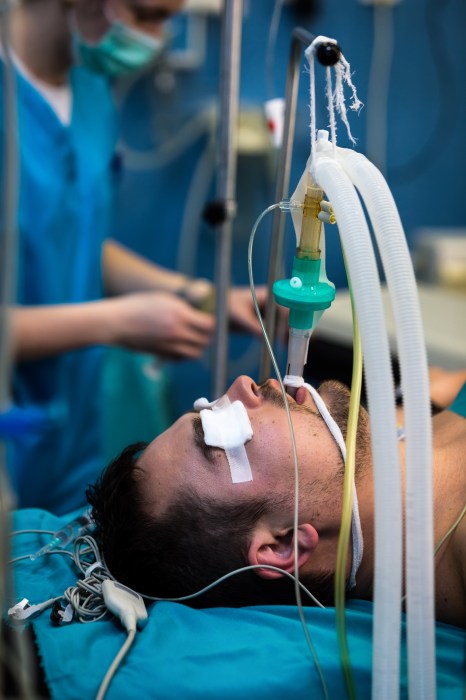
The tube in the mouth goes down into the lungs. The actual ventilator machine is out of the picture. You have to be heavily sedated to tolerate this 

I am not an intensivist, a physician that works full-time in critical care units, aka ICUs. Although I’m a hospitalist, I don’t do much work at all in the ICU. Intensivists are usually pulmonologists although I think more recently there are fellowship programs that bypass typical pulmonology training and go straight to critical care.

Anyway, if this Coronavirus pandemic really takes off in my area, I may have to start impersonating an intensivist because there may not be enough to go around.

Local TV news last night mentioned that the Feds are re-opening a hospital in Phoenix that closed down last fall—Phoenix St Luke’s—to provide 340 ICU beds. I swear that’s what I heard—340 ICU beds. Where will they get the staff: intensivists, respiratory therapists, ICU nurses??? My hospital has 8–10 ICU beds. Sometimes a bed is available, but no nurse to staff it. So the bed is useless. Be aware that ICU nursing is a specialty; you can’t just take any nurse and throw him in there.

The video below will be unintelligible to you unless you are a hospital-based physician, respiratory therapist, or nurse. So move along. Dr Z interviews Philadelphia intensivist Dr Herbert Patrick, who’s had experience with critically ill COVID-19 patients.

A few of my personal notes, “just in case.” These may not be accurate because Dr Patrick’s voice recording was sub-optimal.

  • his ICU patient are in “airborne isolation” negative pressure rooms
  • since Dr Patrick didn’t want to shave his beard, he uses a PAPR (powered air-purifying respirator)
  • some physicians are buying their own PAPRs for $1500-3000 (they are in short supply
  • providers not using PAPRs are covering the N95 masks with a “paper mask” (a surgical mask, I assume)
  • he advocates everyone in the hospital wear a surgical mask all the time (?)
  • don’t assume shock is always due to virus; search for bacteria and you will find
  • most COVID-19 ICU admits get an arterial line and central venous catheter, certainly if going on a vent
  • proning (prone body position)  is helpful: 4 hours prone, 4 hours on back or side, alternating every 4 hours
  • Ventilators: Start with PEEP of 8. 100% O2 at first, as usual. Tidal volume depends on plateau pressures during inhalation (keep under 30 cm H2O). A “weanable” patient should have FIO2 down to 50% and PEEP around 8.
  • permissive hypercapnia OK if needed; prevent or treat the associated acidosis with enteral bicitra via ore-gastric tube
  • don’t use so much PEEP that you interfere with cardiac output
  • if central venous O2 saturation is under 60-70, your PEEP may be impairing cardiac output, try to back off PEEP
  • he mentions external cardiac output measurement devices, which I’m not familiar with
  • the Impella device may help support cardiac output in selected cases; sounds like he prefers it over IAPB when available

Steve Parker, M.D.

Steve Parker MD, Advanced Mediterranean Diet

Click the pic to purchase at Amazon.com. E-book versions also available at Smashwords. com.
 

Still Need to Know the Survival Rate of U.S. #COVID19 Patients on Mechanical Ventilation #Coronavirus

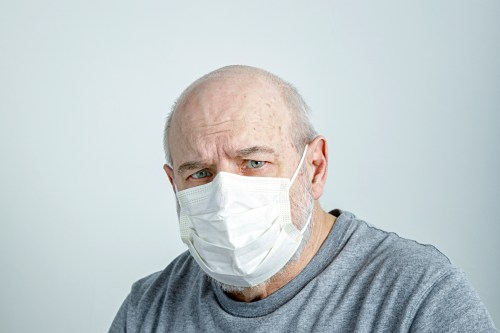
I paid istockphoto for these pics, so I’m gonna use ’em

If a COVID-19 patient ends up on a ventilator, what are the odds of survival? I haven’t found good data from non-China countries. I found one Chinese study of ~200 patients and it was quite discouraging. Only one of the 32 patients on a ventilator in the ICU survived.

I’ve been reading Karl Denninger’s blog and, if memory serves, he says that once you’re put on mechanical ventilation in a hospital, your odds of surviving that hospital stay are only 50:50. And a year later, of all ventilator patients, only three in 10 are still alive.

I ran across a 2015 article on long-term survival of critically ill patients treated with prolonged mechanical ventilation. “Prolonged” meaning over 14 days in this instance. I’ve only read the abstract. It’s a multi-country meta-analysis involving both acute and post-acute hospitals. Here are a few factoids:

  • overall mortality at one year was ~60% (only 4 in 10 still alive)
  • U.S. post-acute care hospital mortality one year out was 70%, worse than pooled non-US countries (so only 1 in 3 still alive, as Denninger says)

BTW, in the U.S. if you’re on mechanical ventilation for 12-14 days and your physicians figure you’ll need prolonged ventilation, you’ll get a tracheostomy.

COVID-19 patients on ventilators seem to need it for about 10 days. So the study at hand has little to do with them, in general. On the other hand, if a COVID-19 patient also has COPD, emphysema, or moderate-to-severe asthma, prolonged ventilation may well be in their future.

I’ve taken care of these prolonged ventilator patients in what we in the U.S. call long-term acute care hospitals (LTACHs). Many of these patients have Foley indwelling catheters which predispose them to urinary tract infections. They’re also prone to pressure sores, pneumonia, deep vein thrombosis, and life-threatening blood clots in the lungs. They need so much blood work done, they start to feel like a pin cushion. It’s a tough life, for sure. Not to mention the cost, which runs into the millions.

If you have data on the survival rates of U.S. COVID-19 patients on mechanical  ventilation, please leave a comment below or email me at stevepakermd AT gmail DOT com. The medical literature should have published date in a month or so, in an ideal world.

Steve Parker, M.D.

Steve Parker MD, Advanced Mediterranean Diet

Click the pic to purchase at Amazon.com. E-book versions also available at Smashwords. com.
From the New Orleans War Zone: Clinical Pearls on #Covid19 for ER Practitioners and Others #Coronavirus

Not in New Orleans

I read an anonymous post a few day ago at TexAgs.com, which I assume is a forum for graduates of Texas A&M University. You will find it interesting and useful if you are a physician, respiratory therapist, or nurse that will be treating COVID-19.

The writer says he (she?) works at a small community hospital in New Orleans that has 22 ICU beds. I’m guessing total bed total is 300-350. The entire article seems legitmate, but you never know. The only slightly fishy item was a mention of checking interleukin-6 (IL-6) levels, which I never see ordered in my hospital. I always figured it was just a research tool. He implies it’s a marker of imminent clinical deterioration.

I am an ER [emergency room] MD in New Orleans. Class of 98. Every one of my colleagues have now seen several hundred Covid 19 patients and this is what I think I know [On March 25, 2020].

Clinical course is predictable.

2-11 days after exposure (day 5 on average) flu like symptoms start. Common are fever, headache, dry cough, myalgias(back pain), nausea without vomiting, abdominal discomfort with some diarrhea, loss of smell, anorexia, fatigue.

Day 5 of symptoms- increased SOB, and bilateral viral pneumonia from direct viral damage to lung parenchyma.

Day 10- Cytokine storm leading to acute ARDS and multiorgan failure. You can literally watch it happen in a matter of hours. 81% mild symptoms, 14% severe symptoms requiring hospitalization, 5% critical.

The writer has not seen any great improvement with hydroxychloroquine.

He posits that worldwide 85% of COVID-19 patients that go on a ventilator die. I’ve never seen that figure before, and question it. I think we just don’t know yet. Wouldn’t surprise me if true.

The actual ventilator is out of the picture. This is the tubing. 

I’m sure the author would advise all practitioners to stay alert for new and optimal treatment modalities. We’re still learning the best way to treat this thing.

Source: Clinical Pearls Covid 19 for ER practitioners | TexAgs

Steve Parker, M.D.

Steve Parker MD, Advanced Mediterranean Diet

Click the pic to purchase at Amazon.com. E-book versions also available at Smashwords. com.


Outcomes and Characteristics of 21 Critically Ill Patients With #COVID19 in Washington State #Coronavirus


For a COVID-19 patient, she’d be wearing more personal protective equipment (PPE)

JAMA Network has a descriptive account of 21 patients with COVID-19 admitted to the ICU at Evergreen Hospital in Kirkland, WA. Most cases were related to the nursing home outbreak and were admitted late Feb-early March, 2020. Average age was 70.

I’ve been wondering how many COVID-19 patients survive their period of intubation in the U.S. I still don’t know. That survival rate was abysmal in the one Chinese study I saw.

15 of these 21 patients required intubation and mechanical ventilation. As of March 17, the mortality rate was 67%, and 9.6% were discharged from the ICU. Current survivors are not out of the woods yet, so the mortality rate could trend upwards.

An abnormal chest radiograph was observed in 20 patients (95%) at admission. The most common findings on initial radiograph were bilateral reticular nodular opacities (11 patients [52%]) and ground-glass opacities (10 [48%]). By 72 hours, 18 patients (86%) had bilateral reticular nodular opacities and 14 (67%) had evidence of ground-glass opacities. The mean white blood cell count was 9365 μL at admission and 14 patients (67%) had a white blood cell count in the normal range. Fourteen patients (67%) had an absolute lymphocyte count of less than 1000 cells/μL. Liver function tests were abnormal in 8 patients (38%) at admission (Table 1).

Mechanical ventilation was initiated in 15 patients (71%) (Table 2). Acute respiratory distress syndrome (ARDS) was observed in 15 of 15 patients (100%) requiring mechanical ventilation and 8 of 15 (53%) developed severe ARDS by 72 hours. Although most patients did not present with evidence of shock, vasopressors were used for 14 patients (67%) during the illness. Cardiomyopathy developed in 7 patients (33%).

Source: Characteristics and Outcomes of 21 Critically Ill Patients With COVID-19 in Washington State | Cardiology | JAMA | JAMA Network

Steve Parker, M.D.

Steve Parker MD, Advanced Mediterranean Diet

Click the pic to purchase at Amazon.com. E-book versions also available at Smashwords. com.
U.S. Office of Civil Rights Issues Bulletin on Civil Rights Laws That Apply During the #COVID19 Pandemic #Coronavirus

Tube’s about to go in

When two people need a ventilator and only one vent is available, a physician will have to keep civil rights in mind, as always. You or one of your loved ones may be in line for that vent.

Today, the Office for Civil Rights (OCR) at the U.S Department of Health and Human Services (HHS) is issuing a bulletin to ensure that entities covered by civil rights authorities keep in mind their obligations under laws and regulations that prohibit discrimination on the basis of race, color, national origin, disability, age, sex, and exercise of conscience and religion in HHS-funded programs, including in the provision of health care services during COVID-19.

OCR is particularly focused on ensuring that covered entities do not unlawfully discriminate against people with disabilities when making decisions about their treatment during the COVID-19 health care emergency.

OCR enforces the Americans with Disabilities Act, Section 504 of the Rehabilitation Act, the Age Discrimination Act, and Section 1557 of the Affordable Care Act which prohibits discrimination in HHS funded health programs or activities. These laws, like other civil rights statutes OCR enforces, remain in effect. As such, persons with disabilities should not be denied medical care on the basis of stereotypes, assessments of quality of life, or judgments about a person’s relative “worth” based on the presence or absence of disabilities or age. Decisions by covered entities concerning whether an individual is a candidate for treatment should be based on an individualized assessment of the patient and his or her circumstances, based on the best available objective medical evidence.

“Our civil rights laws protect the equal dignity of every human life from ruthless utilitarianism,” said Roger Severino, OCR Director. “HHS is committed to leaving no one behind during an emergency, and helping health care providers meet that goal.” “Persons with disabilities, with limited English skills, and older persons should not be put at the end of the line for health care during emergencies.” Severino added.

I don’t know the amount of fines or length of prison terms if these civil rights laws are violated.

Source: OCR Issues Bulletin on Civil Rights Laws and HIPAA Flexibilities That Apply During the COVID-19 Emergency | HHS.gov

Steve Parker, M.D.

Steve Parker MD, Advanced Mediterranean Diet

Click the pic to purchase at Amazon.com. E-book versions also available at Smashwords. com.