Benefits of a Food Journal

Nearly every successful weight-loss effort involves conscious reduction of caloric intake.

Let’s assume you are 40 pounds (18.2 kg) overweight. To hold steady at that weight, you are eating a certain amount of calories, on average, on a daily basis. To lose weight, you have to eat fewer calories than your baseline level, whatever that is. Or you could start burning up more calories through physical activity while holding caloric intake steady. Many people combine caloric restriction with increased exercise. Whichever path is chosen, the result is conversion of excess fat into weightless energy.

Be that as it may, I have run across a few people who can say, “I’ll just cut out soda pop and snack chips,” and they’re able to lose weight. These individuals are a distinct minority of “successful losers.” Most people end up replacing their soda pop and chip calories with other calories, and don’t lose weight.

The idea behind a food journal, also called a log or diary, is to record everything you eat – the type of food and the caloric content – for as long as you are watching your weight. How could this help?

  • You think twice before cheating on your diet.
  • You stay within your specified calorie restriction.
  • It can help you reach your consumption goals for specific nutrients.
  • You learn how many calories are in your food. If you have a teaspoon of sugar in your coffee but drink four cups daily, that sugar becomes significant.
  • If you decide to cheat and exceed you calorie limit, you know how many calories to avoid tomorrow to make up for it.
  • It can help you identify triggers for “emotional eating,” when food is a pacifier instead of necessary nutrition.
  • It helps you learn what is an appropriate amount of food to eat.
  • In short, the food journal improves compliance with the diet.

It’s well established that keeping track of your food intake increases your odds of successful weight loss. Most diets do work, if only temporarily. Compliance deteriorates over time, and that’s when the diet stops working. ‘Cause you’re not on it anymore!

Read more about food journals at CalorieLab or About.com. The article at About.com, by Shereen Jegtvig, is comprehensive and allows you to print her journal page forms.

One of the beautiful things about the Advanced Mediterranean Diet is that it is highly customizable. For example, you have four options for caloric intake, based on your age, sex, and activity level. Each calorie intake level is designed to help you approximate the traditional Mediterranean diet while losing excess weight.

Advanced Mediterranean Diet food journals, which I call Daily Logs, are now available free online here. They include space to record physical activity and miscellaneous comments. Print the PDFs on your printer holding standard (8.5 x 11-inch) printer paper. Each page holds logs for three days. These logs also work with the free DIY Mediterranean Diet (Do-It-Yourself).

Why the term “log” instead of journal or diary? Think of James T. Kirk dictating, “Captain’s log, stardate 754428 . . .” “Daring to go where no man has gone before . . .” Your successful weight-loss journey has been pioneered by others. Now it’s your turn.

Steve Parker, M.D.

PS: NutritionData.com has added a free food diary called “My Tracking.”

Prevention of Weight Regain

Clinical Diabetes recently published a review article, “Weight Regain Prevention,” summarizing effective strategies for prevention of weight regain after a successful weight-loss program. The article is not specifically for or about people with diabetes. You are probably aware that regain of lost weight is a huge problem.

“One more rep then I’m outa here!”

The authors start with a review of various weight-loss strategies, including low-calorie diets, very low-calorie diets, commercial programs such as Weight Watchers, behavior modification therapy, meal replacements, weight-loss drugs, etc. I recall no mention of bariatric surgery.

To its credit, Weight Watchers is the only commercial program to report data from randomized controlled trials, the gold standard in clinical scientific studies of effectiveness. [Weight Watchers lost more weight than the self-help control group.]

By way of review, here is the typical pattern of a weight loss effort. Maximal weight loss occurs in the first six months, at least for people who are compliant and don’t drop out of the program after the first few weeks. After the initial six months, weight regain starts. By one or two years after start of the effort, most people – but not all – have regained all the lost weight, if not more.

The authors’ recommendations for prevention of weight regain are mostly based on well-designed, published, peer-reviewed, scientific studies. They identified characteristics of successful weight loss maintainers – what I call “successful losers.” The idea is that a person will enhance her odds of keeping the lost weight off by incorporating these habits into her lifestyle:

  • Maintain high levels of physical activity. Consider at least 60 minutes daily of moderate activity. Ouch!
  • Limit television to less that a few hours a day.
  • Eat a diet low in fat and calories. [I disagree with the accross-the-board low-fat recommendation.]
  • Maintain a consistent eating pattern throughout the week and year. Successful losers often report less variety, compared to other people, in all food groups except for fruits.
  • Eat breakfast routinely.
  • Control emotional eating.
  • Weigh frequently, whether daily or weekly.
  • Catch and address weight regain early, before it gets out of hand.
  • Consider sequential medications. E.g., sibutramine for months, then orlistat for months.
  • Individual and/or group follow-up support. Even follow-up by phone works.
  • Have realistic expectations. Most dieters only lose about half the weight they expected in the first place. The resulting sense of disappointment sabotages efforts to keep the weight off. Anticipate the universal tendency to regain lost weight.
  • Helpful diet patterns: eat more than five servings a day of fruits and vegetables, watch portion sizes, self-record food intake, plan meals, limit fast food.
  • “Exercise is central to weight loss maintenance.” And finally . . .
  • “Exercise is central to weight loss maintenance.”

Steve Parker, M.D.

Reference: Ulen, Christina, et al. Weight Regain Prevention. Clinical Diabetes, 26 (2008): 100-113. DOI: 10.2337/diaclin.26.3.100

How to Choose a Weight-Loss Program

I listed most of your weight-loss program options in Part 1 of this series. Now it’s time to make a choice. And it’s not easy sorting through all the options.

Straight away, I must tell you that women over 300 pounds (136 kg) and men over 350 pounds (159 kg) rarely have permanent success with self-help methods such as diet books, meal replacement programs, diet pills or supplements, and meal-delivery systems. People at those high weights who have tried and failed multiple different weight-loss methods should seriously consider bariatric surgery.

I respect your intelligence and desire to do your “due diligence” and weigh all your options: diet books, diet pills and supplements, bariatric surgery, meal replacement products (e.g., SlimFast), portion-control meal providers (e.g., NutriSystem), Weight Watchers, fad diets, no-diet diets, “just cutting back,” etc. You have to make the choice; I can’t make it for you. Here are some well-respected sources of advice to review before you choose:

For me personally, the “diet book” option is appealing. Why? Convenience. Low cost. Effectiveness. If I forget or don’t understand something, I can re-read it.

Since I’m a diet book author, you may consider me biased in favor of my own books, which are more about lifestyle modification than short-term dieting. If I didn’t think I could do better than the other books on the market, I wouldn’t have bothered to write my own.

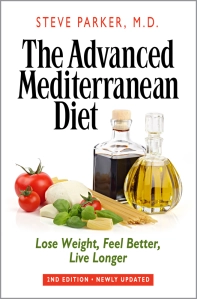
So, please consider my Advanced Mediterranean Diet: Lose Weight, Feel Better, Live Longer (2nd Edition). If you have diabetes or prediabetes, see better options below.

I’ve also published a free, online, stripped-down version of my healthy lifestyle program: the Do-It-Yourself Mediterranean Diet.

Also free is my Ketogenic Mediterranean Diet, which is very low-carb.

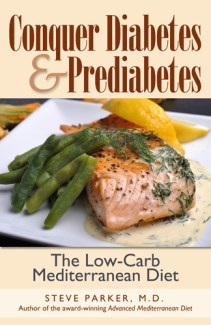
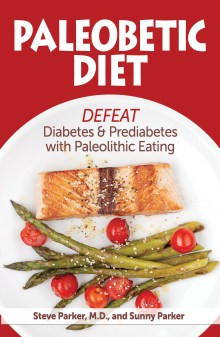
For folks with diabetes and prediabetes, I’ve put together Conquer Diabetes and Prediabetes: The Low-Carb Mediterranean Diet and Paleobetic Diet: Defeat Diabetes and Prediabetes with Paleolithic Eating.

I’m doing everything I can to help you live longer and healthier!

Whatever your choice, I wish you success and good health in 2020 and beyond!

Steve Parker, M.D.

Last modification date: Jan 22, 2020

Steve Parker MD, Advanced Mediterranean Diet

Click the pic to purchase at Amazon.com. E-book versions also available at Smashwords. com.

Click pic to purchase at Amazon.com. E-book versions also available at Smashwords. com.

Click pic to purchase at Amazon.com. E-book versions also available at Smashwords.com.


Prepare For Weight Loss, Part 7: Creative Visualization

How will your life be different after you make a commitment and have the willpower to lose weight permanently?

Odds are, you will be more physically active than you are now. Exercise will be a habit, four to seven days per week. Not necessarily vigorous exercise, perhaps just walking for 30 or 45 minutes. It won’t be a chore. It will be pleasant, if not fun. The exercise will make you more energetic, help you sleep better, and improve your self-esteem.

After you achieve your goal weight, you’ll be able to cut back on exercise to three or four days per week, if you want. If you enjoy eating as much as I do, you may want to keep very active physically so that you can eat more. I must tell you that I rarely see anyone lose a major amount of weight and keep it off without a regimen including regular physical activity. I wish that weren’t the case, and probably you do too, but that is the reality I have witnessed. Please don’t think you’ll be an exception; the odds are overwhelmingly against you. Plan on regular exercise being a part of your new lifestyle.

Commitment and willpower will alter your relationship with food. You will eat to live, rather than live to eat. You have important things to do with your life, dreams to pursue, and so little time left. If you have no long-range goals and are unclear about your purpose for living, you are certainly not alone. I urge you to consult a spiritual adviser such as a minister, priest, or rabbi.

Food is a necessary and enjoyable tool that helps you achieve your goals and fulfill your purpose by keeping you strong and healthy. Chronic overindulgence is a distraction. Carrying excess baggage impedes your progress on life’s journey.

Your new relationship with food will involve two phases: 1) weight loss, and 2) maintenance of that loss.

During the weight-loss phase, you will occasionally feel deprived due to calorie restriction. Your willpower will be tested and sometimes broken. But you recover control and press on. You don’t have to swear off all your favorite foods, just limit them. You will learn to eat reasonable portions of varied, balanced nutrients. You learn to delay gratification. You eat real food that is readily available and good for everyone in the household. You don’t have to sit there sipping your dinner out of a can while others at the table eat baked chicken, broccoli, and bread.

You’re excited and enthusiastic at first, full of hope, particularly when you lose those first three or four pounds. You’re not expecting to lose six or 10 pounds per week as in the TV infomercials because you know those results are bogus or unsustainable. You’re happy losing one-half to one-and-a-half pounds weekly because you know the loss is fat, not water or intestinal contents. You’ve held a pound of butter (four sticks) in your hand—that’s what you’ve lost. And it’s quite an accomplishment. The excitement wears off after three to six weeks, but it’s easier to deal with since you knew it was coming. You focus on the long-term benefits and renew your commitment. It helps that you’re now getting compliments from your friends and co-workers.

After much dedicated effort on your part, you finally attain your goal weight. You feel good about yourself. You take pride, justifiably, in your hard work, discipline, and willpower. You look better, sleep better, have more energy, and have rewarded yourself with some new clothes. But this is a critical juncture with risk—the risk of regaining fat and returning to your starting point. You must successfully navigate the transition to “maintenance phase,” in which you confirm and solidify your weight loss achievement. This is the most puzzling, problematic, and frustrating area in the field of weight management. To some extent, you must chart your own course.

Your relationship to food in the maintenance phase will have certain characteristics, however. In your weight-loss phase, you had been converting 400–600 calories worth of fat into energy every day. Now that you have reached your goal weight and have the will to stay there, you have options. You can 1) start eating an extra 400–600 calories daily, 2) reduce your physical activity by 400–600 calories daily, or 3) mix No. 1 and No. 2 such that you increase your current calorie budget by 400–600 calories. This is our old friend, the Energy Balance Equation.

In view of exercise’s benefits, many people choose to eat more food and continue their exercise program. At this point, the natural inclination, sometimes overwhelming, is to eat more than 400–600 extra calories per day. And you know what will happen. You will need perhaps even more commitment and willpower to keep from slipping back into your old habits, into your lifestyle of the last 10 years. You vow to admit this reality: you can never again eat all you want, whenever you want, over sustained periods of time. You look at a brownie, a candy bar, or a piece of apple pie, and you ask yourself, “Do I really want to walk an extra hour or jog an extra three miles today to burn off those calories?” If so, enjoy. If not, remember what they say: “A moment on the lips, a lifetime on the hips.”

You vow also to admit this reality: you’re going to “fall off the wagon” occasionally and gain four, five, or more pounds of fat. But it’s not the end of the world. You’re not a failure. An extra five or eight pounds won’t hurt you one bit, physically. But you draw the line, stand up straight, hold your head high, and simply return to your weight-loss program for a month or two. You’ve done it before and know you can do it again.

Changing your lifestyle is like breaking a horse. You’re in for a rough ride and you’re going to get thrown a few times. But you pick yourself up, dust yourself off, and climb back on. With time and persistence, your will prevails.

After you commit to permanent weight loss and maintenance, you will likely find yourself eating different types of food than your usual fare. Most people settle into a routine and eat the same 10 or 12 meals over and over. Do you start the day with fried eggs, bacon, biscuits and butter? Perhaps one of your regular meals is fried chicken with mountains of mashed potatoes and gravy. Pizza and soda pop? Maybe you like a hamburger with large fries a couple days per week. During the maintenance phase of weight management, those meals are fine on occasion. But over the long run you will eat substitute meals that are lower in calories, incorporating more fruits, vegetables, and whole grains. As a result you will feel better, obtain more healthy anti-oxidants and other micronutrients, and keep your weight under control.

Steve Parker, M.D.

Are We Fat Because We’re Less Active Now?

Less active

Much of the globe has seen a significant decline in populaton-wide physical activity over the last few decades, according to Nike-sponsored research reported in Obesity Reviews.

Countries involved with the study are the U.S., U.K., Brazil, China, and India.  How did they measure activity levels?

Using detailed historical data on time allocation, occupational distributions, energy expenditures data by activity, and time-varying measures of metabolic equivalents of task (MET) for activities when available, we measure historical and current MET by four major PA domains (occupation, home production, travel and active leisure) and sedentary time among adults (>18 years).

The authors note the work of Church, et al, who found decreased work-related activity in the U.S. over the last half of the 20th century.

Inexplicably, they don’t mention the work of Westerterp and colleagues who found no decrease in energy expenditure in North American and European populations since the 1980s.

More active

My gut feeling is that advanced populations around the globe probably are burning fewer calories by physical activity over the last 50 years, if not longer, thanks to technologic advances.  We in the U.S. are also eating more calories lately.  Since the 1970s, average daily consumption by women is up by 150 calories, and up 300 by men.  Considering both these trends together, how could we not be fat?

Steve Parker, M.D. 

Mediterranean Diet + Nuts = Reversal of Metabolic Syndrome

An article published in 2008 by Bloomberg.com presents results of a scientific study in Spain that showed reduction in “metabolic syndrome” by the Mediterranean diet supplemented with nuts. CBSnews.com, Reuters, and others helped spread the news. The Bloomberg article was written by Nicole Ostrow.

Metabolic syndrome is a constellation of clinical factors that are associated with increased risk of type 2 diabetes and atherosclerotic complications such as heart attack and stroke. (Sometimes metabolic sydrome is called Syndrome X, which I sorta like. Oh, the mystery!) One in six Americans have the syndrome. Diagnosis requires at least three of the following five conditions:

  • High blood pressure (130/85 or higher, or using a high blood pressure medication)
  • Low HDL cholesterol: under 40 mg/dl in a man, under 50 in a women (or either sex taking a cholesterol-lowering drug)
  • Triglycerides over 150 mg/dl (or taking a cholesterol-lowering drug)
  • Abdominal fat: waist circumference 40 inches or greater in a man, 35 inches or greater in a woman
  • Fasting blood glucose over 100 mg/dl

The scientific study at hand is part of the PREDIMED study being conducted in Spain. For this portion of the study, 1,224 participants at high risk for cardiovascular disease were randomized to follow a 1) low-fat diet (considered the control group), 2) Mediterranean diet plus 1 liter virgin olive oil per week, or 3) Mediterranean diet plus 30 gm daily of mixed nuts.

Note that the nuts used in this study were walnuts, almonds, and hazelnuts. Half of all nuts were walnuts; a quarter of the nuts were almonds and a quarter were hazelnuts.

Participants were 55-80 years old, and 61% had metabolic syndrome at baseline. Participants could eat all they wanted, and there was no increase in physical activity for any of the groups. Participants were given instructions at baseline and quarterly.

After one year of intervention, the prevalence of metabolic syndrome was reduced by 14% in the Mediterranean diet plus nuts group compared to the control, low-fat diet group. The Mediterranean diet plus extra olive oil group reduced prevalence of metabolic syndrome by 7%, but this did not reach statistical significance (P=0.18).

New cases of metabolic syndrome continued to develop at about the same rate in all three groups. I.e., incident rates were not significantly different. So, the lower prevalence of metabolic syndrome after one year reflected reversion or clearing of the syndrome in many people who had it at baseline. Compared to the control group, people in the nutty group were 70% more likely to resolve their metabolic syndrome. Individuals in the oily group were 30% more likely than controls to resolve the condition.

(Feel free to consult a dictionary for definitions of “prevalence” and “incidence.”)

The researchers conclude that:

A traditional Mediterranean diet enriched with nuts could be a useful tool in the management of the metabolic syndrome.

My Comments:

Thirty grams (daily) of nuts is a decent-sized snack of about 180 calories. Thirty grams of almonds formed a heap in the palm of my hand, not touching my fingers. This is more than the “two tablespoons” reported by CBSnews.com December 9.

If you have metabolic syndrome, you might want to try reversing it with all the usual methods (e.g., lose excess fat weight, exercise more) along with a traditional Mediterranean diet enriched with 30 gm of mixed nuts daily. As usual, check with your personal healthcare provider first. Be aware that many of them won’t know about this study.

The puzzling thing to me is: If the Mediterranean diet plus extra nuts is so effective in reversing metabolic syndrome, why didn’t that study cohort see fewer new cases of metabolic syndrome?

Steve Parker, M.D.

Additional reference: Salas-Salvado, Jordi, et al. Effect of a Mediterranean Diet Supplemented With Nuts on Metabolic Syndrome Status: One-Year Results of the PREDIMED Randomized Trial. Archives of Internal Medicine, 168 (2008): 2,449-2,458.

Omega-3 Fatty Acid Supplements Fail to Stall Age-Related Brain Decline

I like fish, but cold whole dead fish leave me cold

Supplementation with omega-3 fatty acids does not help prevent age-related cognitive decline or dementia, according to an article at MedPage Today.

The respected Cochrane organization did a meta-analysis of three pertinent studies done in several countries (Holland, UK, and ?).

The investigators leave open the possibility that longer-term studies—over three years—may show some benefit.

I leave you with a quote from the MedPage Today article:

And while cognitive benefits were not demonstrated in this review, Sydenham and colleagues emphasized that consumption of two servings of fish each week, with one being an oily fish such as salmon or sardines, is widely recommended for overall health benefits.

Steve Parker, M.D.

Reference:
Sydenham E, et al “Omega 3 fatty acid for the prevention of cognitive decline and dementia” Cochrane Database of Systematic Reviews 2012; DOI: 10.1002/14651858.CD005379.pub3.

Feeling Tired and Easily Fatigued? It May Be Your Medication

“Dr. Parker tells me to exercise but I’m always exhausted!”

Especially if you’re a woman taking a statin drug.

-Steve

Prepare For Weight Loss, Part 6: Weight Goals

“This thing must be broken!”

Despite all the chatter about how to lose weight, few talk about how much should be lost.

If you are overweight, deciding how much weight you should lose is not as simple as it seems at first blush. I rarely have to tell a patient she’s overweight. She knows it and has an intuitive sense of whether it’s mild, moderate, or severe in degree. She’s much less clear about how much weight she should lose. If it’s any consolation, clinicians in the field aren’t always sure either.

Five weight standards have been in common usage over the last quarter-century:

  1. Metropolitan Life Insurance Company Height and Weight Tables from 1983
  2. Aesthetic Ideal Weights
  3. USDA/HHS Healthy Weights
  4. Realistic Weights
  5. Body Mass Index.

The Metropolitan Life Insurance Company Weight Tables list desirable or ideal weights that were felt at one time to be associated with maximum longevity. We know now that populations can be a bit heavier than the Metropolitan weights without impairment of health or longevity. The tables were controversial right out of the gate and are little used now; I mention them for historical interest.

Aesthetic Ideal Weights are somewhat personal, although clearly influenced by culture. You know without much thought at what weight you look your best. Whether others agree with you, and whether you could realistically hope to reach that weight, are entirely different matters.

If your personal Aesthetic Ideal Weight matches the Hollywood hunk or sex kitten actress du jour, prepare for failure. Thespians and models want to be thin because the camera puts weight on them. Many of our beloved photogenic celebrities workout three hours daily with a personaal trainer. And on top of that , many visit plastic surgeons.

I suggest you find a friend with your type of body frame and height who looks “normal” and healthy to you. What does he or she weigh? I also suggest validation of your Aesthetic Ideal Weight by a trusted adviser. Now you’ve got something to shoot for.

In 1995, the U.S. Department of Agriculture and U.S. Department of Health and Human Services issued a chart of Suggested Healthy Weight ranges. By the turn of the century, the USDA/HHS’s Dietary Guidelines for Americans had abandoned the Healthy Weight table, recommending the use of BMI instead.

A Realistic Weight goal is one that you have a reasonable expectation of achieving, accompanied by significant psychological or medical benefits. This standard is flexible. There is no weight chart to consult since your potential psychological or medical benefits are unique. These weights tend to be higher than the other benchmarks thus far reviewed.

The Realistic Weight concept accepts that you can feel better, look better, and have fewer medical problems while falling far short of the recommended “healthy” body mass index (BMI, discussed later). Many of the illnesses caused or aggravated by overweight are improved significantly by loss of only 5 or 10 percent of body weight. The concept admits the the body cannot always be shaped at will: much of your shape and fat distribution are genetically determined. If all your blood relatives, have big buttocks, thighs, and legs, you will also, although you do have control over degree.

For many people, the Realistic Weight concept is helpful and valid, and prevents the discouragement felt when performance falls short of ideal. Let’s not allow the perfect to be the enemy of the good. It’s not realistic to expect a 40-year-old mother of three to weigh the same as a 17-year-old girl with no kids.

Body Mass Index (BMI) is your weight in kilograms divided by your height in meters squared (kg/m2). To determine your BMI but skip the math, use an online calculator.

From a health standpoint, BMIs between 18.5 and 24.9 are the best for people under 65–75 years old. About a third of the United States population is at this healthy weight. If you are 5-feet, 3-inches tall, your maximum healthy weight is 140 pounds (BMI 24.9). If you are 5-feet, 9-inches tall, your maximum healthy weight is 169 pounds (BMI 24.9).

BMIs between 25 and 29.9 designate “overweight” and accurately describe about 35 percent of the U.S. population. A BMI of 30 or higher defines “obesity” and indicates high risk for poor health. About 30 percent of us are obese. At a BMI of 35 and above, the incidence of death and disease increases sharply.

The BMI concept is helpful to researchers and obesity clinicians, but the number doesn’t mean much yet to the average person on the street, nor to many physicians. It should be used more widely. Know your BMI. If it is under 25, any excess fat you carry is unlikely to affect your health and longevity; your efforts to lose weight would be purely cosmetic.

If we look only at older Americans, over 65–75 years old, being overweight, but not obese, seems to prolong life on average. Longest life spans are seen in these older people with a body mass index between 25 and 30. Disability rates are lowest for older Americans with a BMI around 24. So, if you are over 65, you may have less disability at a body mass index of 24, but you may die slightly earlier that someone with a BMI in the overweight range. These numbers, of course, apply only to groups of people defined by BMI, not to individuals.

So, how much weight should you lose?

As a medical man, I endorse the healthy BMI concept (BMI 18.5 to 24.9) while realizing you may have aesthetic reasons to shoot for the lower end of the range. If you have weight-related health issues, aim for a BMI of 18.5-24.9, with 25 to 30 as your fallback position. If you are over 65, consider a goal BMI between 25 and 30.

It’s important to set a weight goal. If you don’t know where you’re going, you’ll never get there.

Steve Parker, M.D.

Prepare For Weight Loss, Part 5: Supportive Social System

Success at any major endeavor is easier when you have a supportive social system. And make no mistake: losing a significant amount of weight and keeping it off long-term is a major endeavor.

As an example of a supportive social system, consider childhood education. A network of actors play supportive roles. Parents provide transportation, school supplies, a home study area, help with homework, etc. Siblings leave the child alone so he can do his homework, and older ones set an example. Neighbors may participate in carpooling. Taxpayers provide money for public schools. Teachers do their part. The school board oversees the curriculum, supervises teachers, and does long-range planning.

Success is more likely when all the actors work together for their common goal: education of the child. Similarly, your starring role in a weight-loss program may win an Academy Award if you have a strong cast of supporting actors. Your mate, friends, co-workers, and relatives may be helpers or hindrances. It will help if they:

  • give you encouragement instead of criticism
  • don’t tempt you with taboo foods
  • show respect for your commitment and willpower
  • give you time to exercise
  • go an a diet or exercise with you, if they are overweight or need exercise
  • understand why there are no longer certain foods in the house
  • appreciate the nutritious, sensible foods that are now in the house
  • forgive and understand when you occasionally backslide
  • gently remind you of your commitment when needed
  • reward you with compliments as you make progress
  • don’t compare your physique unfavorably with supermodels or surgically-sculpted bodies
  • don’t get jealous when you lose weight and are more attractive and energetic.

Your social support system can make or break your commitment and willpower. Ask them to help you.

Steve Parker, M.D.