
The traditional maximum recommended dose of alcohol is one drink daily for women, two for men. Of course, many should not drink at all.


RSS Feed
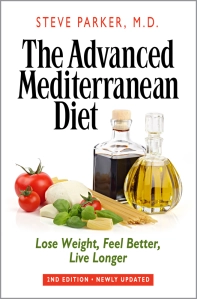
Click the pic to purchase at Amazon.com. E-book versions also available at Smashwords.com.
-
Join 427 other subscribers
Top Posts & Pages
- FTC Says Eukanuba Won't Prolong Fido's Life
- Compared to 1986's Cambridge Diet, a Milk Diet Helps Preserve Body Proteins
- Paul Ingraham on Patellofemoral Pain Syndrome (PFPS)
- Both Alcohol Abstinence AND Heavy Consumption Are Linked to Dementia
- Denninger Predicts Severe Economic Contraction in 2024, Thanks to Uncontrolled Healthcare Spending
- Considering "The Fast Diet"? Read Dr. Freedhoff's Review First
- Are Proton Pump Inhibitors Safe?
- What's the Best Treatment for Knee Osteoarthritis?
- Face masks: Panacea or Poppycock? #COVID19
- Why Life Jackets Should Be Mandatory
-
Most Recent Posts
Categories
- Advice To My Children (10)
- Alcohol (42)
- Alzheimer Disease (31)
- ANFSCD (18)
- Bariatric Surgery (2)
- Book Review (5)
- Boy Scouts (13)
- Cancer (41)
- Chocolate (2)
- Coronary Heart Disease (58)
- Coronavirus (224)
- Dementia (64)
- Diabetes (78)
- Diet Reviews (26)
- Diet-Heart Hypothesis (9)
- Economics (2)
- Exercise (124)
- Glycemic Index (8)
- green tea (13)
- Healthcare Reform (64)
- Heart Disease (98)
- Heart Failure (2)
- High Blood Pressure (25)
- Hiking (21)
- Ketogenic Mediterranean Diet (43)
- Kidney Disease (2)
- knee pain (14)
- Liver Disease (16)
- Longevity (129)
- Low Back Pain (11)
- Low-Carb Eating (27)
- Low-Carb Mediterranean Diet (21)
- Lungs (3)
- Metabolic Syndrome (7)
- Microplastics (2)
- My Fitness (19)
- Nuts (12)
- Osteoporosis (7)
- Outdoors (3)
- Overweight & Obesity (93)
- Paleo Diet (6)
- Parkinson's Disease (1)
- Pollution (4)
- prediabetes (3)
- Prepare For Weight Loss (8)
- QOTD (51)
- Quote of the Day (51)
- Recipes (47)
- Russia (5)
- Salads (22)
- Shameless Self-Promotion (13)
- Stroke (34)
- Sugar (10)
- Sugar Substitutes (8)
- Supplements (10)
- Uncategorized (516)
- Vegetarianism (4)
- Weight Loss (122)
- Weight Regain (16)
- Weight-Loss Drugs (8)
Blogroll
Links
Worthwhile Sites
Google+ Profile


