Category Archives: Weight Loss

14 Indispensable Weight-Loss Tips

“Look…the soda’s not for me, OK?”


These have worked for lots of my patients.  Take what works for you and discard the rest.

  1. Plan on grocery shopping, meal preparation, and taking meals to your workplace.
  2. Keeping a record of your food consumption is often the key to success.
  3. Accountability is another key.  Do you have a friend or spouse who wants to lose weight?  Start the same program at the same time and support each other.  That’s one of many ways to have accountability.
  4. If you tend to over-eat or snack too much, floss and brush your teeth after you’re full.  You’ll be less likely to go back for more anytime soon.
  5. Eat at least two or three meals daily.  Eat breakfast every day.  Ignore the diet gurus who say you must eat every two or three hours.
  6. Eat slowly and allow yourself time to enjoy the delicious recipes in this book; you’ll also be a better judge of when your’re full.
  7. Don’t eat while watching TV.
  8. Give yourself a specific reward for every 10 pounds (4.5 kg) of weight lost.  Consider a weekend get-way, jewelry, new clothes, an evening at the theater, a professional massage, etc.  Choose the reward in advance, to give you something to work toward.
  9. Don’t start a diet during a time of stress.
  10. Maintain a consistent eating pattern throughout the week and year.
  11. If you know you’ve eating enough at a meal to satisfy your nutritional requirements yet you still feel hungry, drink a large glass of water and wait a while.  Or try a sugar-free psyllium fiber supplement: three grams of fiber in 8 oz (240 ml) of water.
  12. Weigh yourself frequently: daily during your active weight-loss phase and during the first two months of your maintenance-of-weight-loss phase.  Weekly thereafter.
  13. Be aware that you’ll probably regain five or 10 pounds (2.3 or 4.5 kg) of fat now and then.  That’s normal.  Just get back on your original weight-loss plan for a month or two.
  14. Tell your housemates you’re on a diet and ask for their support.  You may also need to tell your co-workers and others with whom you spend significant time.  If they care about you, they’ll be careful not to tempt you off the diet.

Indispensable?  OK, maybe that’s a little over the top.  But each of these tips has  proven indispensable to at least one of my patients.

Steve Parker, M.D.

Which Diet Is Better for Weight Loss: Low-Carb or Low-Fat?

I’ve written about a 2009 New England Journal of Medicine article comparing weight-loss diets of various macronutrient (fat, protein, carbohydrate) composition. Its conclusion: Cut back on calories and you will lose weight, regardless of macrontrient percentages.

A blurry low-carb high-fat breakfast

A blog reader, Matt, brought up some interesting comments and questions. What follows will make little sense unless you read that prior post.

Matt writes:

Dr. Parker,

If the study folks didn’t do the real low carb diet because they “knew” that ketosis wouldn’t occur, couldn’t they at least have tried it, since what they were trying to prove was a calorie is a calorie?

Looking at the menus, the diet that they are purporting as low carb is really nothing close to a real low carb diet. It is a slightly lower carb diet, and not high enough in fat to prove anything. 35% carb is not Atkins phase anything. For a participant consuming 1600 calories, that’s 140g carb — too high for anyone attempting to restrict carbohydrates for health.

Please comment on the fact that the highest carb diet provided the worst lipid improvement.

Following up a little more, there really is no inference whatsoever that can be made with regard to a low carb diet with this study. Did you read the sample menu? No low carb diet phase would have any of the following as a typical meal. You can tell by looking at the menus that they had to be really PC about a “high fat” diet as well. I mean skim milk on a low carb / high fat diet? Note my level of surprise by the ? and ! in the parens with each “typical meal” option:

Breakfast:

1 poached egg

1/2 bagel (??)

4 oz apple juice (????!!!!)

skim (????) milk

Lunch:

1/2 cup spaghetti (??!!)

1/2 cup squash

1/2 cup peppers

1/2 cup mushrooms

1.5 T Olive Oil

1 small banana (????)

Dinner:

2 oz beef

1 small potato (????!!!!)

3/4 mixed veggies/legumes corn/carrots/lima/peas/green beans (???? since these are among the higher carb veggie choices)

1/2 cup cabbage

1 mini box raisins (??)

1 small apple (?????)

4 t Olive Oil

7 walnut halves

Snack

Skim (???) Milk

1 Graham cracker sheet (??????)

If you want a LC diet with what LC would consider a higher level of carbs (~60g) you need to do this:

Breakfast:

2-4 poached eggs

2 T olive oil

spinach

1 cup whole milk

Lunch:

1/2 cup squash

1/2 cup peppers

1/2 cup mushrooms

2 T Olive Oil

4-6 oz fish

Dinner:

4-6 oz beef

3/4 mixed lower carb (cruciferous/leafy) veggies such as broccoli, collards or other greens,

1/2 cup cabbage

2 T Olive Oil

20 walnut halves

1/2 cup low carb fruit such as cantaloupe

Snack

1/2 cup strawberries

1 cup whole milk yogurt ot cottage cheese

*******************************************

My response:

Thanks for your thoughtful comments/questions, Matt.

You’re right: The “low-carb” diet they studied indeed was not very low-carb, as succinctly illustrated by the sample menu you provided. (I didn’t read the supplementary appendix myself.)

You mention that the “highest carb diet provided the worst lipid improvement.” It’s not that clear-cut.

(Lipid changes are on pages 865-7 of the article, for anyone following along. Conventional wisdom is that better cardiovascular health is associated, generally, with lower total cholesterols, higher HDL chol, lower total LDL chol, and lower triglycerides.)

The study had two low-fat diets, with either 55 or 65% of total calories derived from carbohydrates. The two high fat diets had either 35 or 45% of total calories from carbohydrates.

Total cholesterol levels dropped by about 3 mg/dl in the low-fat diets compared to “no change” in the high-fat diets (2-year values). Measured at 6 months, total chol levels were down by about 5.5 mg/dl in the low-fat groups, and about 3 mg/dl in the high-fat groups. Baseline total chol levels for the whole group averaged 202 mg/dl.

The authors on page 865 write:

All the diets reduced risk factors for cardiovascular disease and diabetes at 6 months and 2 years. At 2 years, the two low-fat diets and the highest-carbohydrate diet decreased low-density lipoprotein [LDL] cholesterol levels more than did the high-fat diets or lowest-carbohydrate diet.

The lowest-carb diet increased HDL chol more than the highest carb diet, but we’re only talking about a 2 mg/dl difference measured at 2 years. HDL rose in all groups. Average baseline HDL level for the entire study group was 49 mg/dl.

All diets decreased triglycerides similarly, by 12-17%.

The magnitude of these changes is not great, and I question whether clinically important. The take-home point for me is that low-carb eating may not be (and probably isn’t) as atherogenic as warned by the medical community 15-20 years ago, judging purely from lipid changes. Other studies found similar numbers. But we’ve already agreed the this was not a serious trial of low-carb dieting.

The study authors write that HDL chol is a biomarker for carbohydrate intake: reducing dietary carbs tends to increase HDL chol levels, and vice versa.

If I understand “Nutrient Intake per Day” in Table 2 correctly, the participants who were told to increase their percentage of calories from fat really didn’t do it: they reduced it by 3.5% (!?). The low-fat cohorts had more success with compliance.

Clearly, it’s quite difficult to get free-living people to change their macronutrient intake and sustain the change for even six months, much less two years. Would compliance have been better if subjects had been allowed to choose a diet according to their natural inclinations? Maybe.

A recent study suggests that eating low-carb helps with prevention of weight regain because it burns an extra 300 calories a day compared to those eating low-fat.  Dr. Barbara Berkeley took a close look at this research on June 30.

Steve Parker, M.D.

Prevention of Weight Regain Is NOT Impossible

I often hear from the general public, and even my physician colleagues, that losing weight and keeping it off is a hopeless goal.  So, why try?

Because it’s not hopeless.

The March 12, 2008, edition of the Journal of the American Medical Association includes an article from the Weight Loss Maintenance Collaborative Research Group.  Researchers identified a group of 1,032 overweight or obese adults who lost at least 8.8 pounds (4 kg) during a 6-month weight loss program.  These adults had high blood pressure, blood lipid abnormalities, or both.  38% were African American and 63% were women.

Average weight of the group before losing weight was 213 pounds (96.7 kg).  The weight-loss program consisted of 20 weekly group sessions, exercise goal of 180 minutes per week (26 minutes per day, usually walking), reduced caloric intake, and adoption of the Dietary Approaches to Stop Hypertension eating pattern.  The goal rate of weight loss was 1 or 2 pounds per week (0.45 to 0.91 kg per week).  Study subjects were taught how to keep records of their caloric intake and physical activity.

Except for the weekly group sessions, this program is similar to the Advanced Mediterranean Diet.

So each of these folks lost at least 8.8 pounds on this program.  Researchers followed them over the next 30 months to see how much weight would be regained.  Average weight loss for the entire group actually was 19 pounds (8.6 kg).  As expected, many people did regain weight over the next 30 months, between 6 and 9 pounds on average.  Of course, some individuals lost much more weight initially, and didn’t gain any back.  Some regained all of the lost weight, plus extra.

Overall, 42% of participants “maintained at least 4 kg [8.8 pounds] of weight loss compared with entry weight…” over the 30 months of follow-up.  37% remained at least 5% below their initial weight.

The “5%” figure stands out, for me, because we see improvement in obesity-related medical problems with loss of just 5 to 10% of body weight.

The authors cite studies indicating that “each kilogram [2.2 pounds] of weight loss is associated with a decrease in systolic blood pressure of 1.0 to 2.4 mmHg and a reduction of incident diabetes of 16%.”

To summarize the weight changes:  Study participants weighed 213 pounds before the behavioral weight-loss program.  Average weight loss was 19 pounds, down to 194 pounds.  Average weight regain over 30 months was in the range of 6 to 9 pounds.  Participants were still pretty big, but 37% of them probably saw some improvement in their medical status.

A huge amount of effort went into this study, on the part of both researchers and study participants.  Nevertheless, average results are relatively modest.  Keep in mind, however, that the numbers are averages, and you are not average.  I’m sure some of the participants went from 220 pounds down to 150 pounds and stayed there.  That could be you.

Steve Parker, M.D.

Reference: Svetkey, Laura et al.  Comparison of Strategies for Sustaining Weight Loss: The Weigth Loss Maintenance Randomized Controlled Trial.  Journal of the American Medical Association, 299 (2008): 1,139-1,148.

FDA Approves Qsymia for Weight Loss

“These are flying off the shelves!”

On July 17, 2012, the U.S. Food and Drug Administration approved the combination of phentermine and topiramate for weight loss and management.  They will be marketed in the U.S. as Qsymia.  Don’t ask me how to pronounce it.

The drugs individually had been approved by the FDA years ago for other purposes, so we already know a lot about them.  If memory serves me, phentermine alone is FDA-approved for weight loss, but only for up to 12 weeks.

The press releases from the FDA and Vivus, Inc., don’t say how long the combo drug can be used.  I’m guessing up to one year since that’s how long the clinical trials lasted.

Who Can Take Qsymia?

Obese adults with a body mass index 30 or higher.  Or overweight adults with BMI 27 or higher if they have one or more weight-related condition such as high blood pressure, type 2 diabetes, or high cholesterol.

You Should NOT Take Qsymia If You Have or Are:

  • Pregnant
  • Glaucoma
  • Overactive thyroid
  • Recent stroke
  • Recent unstable heart disease

If I Take the Pill, Do I Still Have to Exercise and Watch My Calories?

Yes.

What’s the Dose?

Phentermine 7.5 mg and topiramate 46 mg daily.  A double strength pill (15 + 92 mg) is available for select patients.

Final Thoughts

Lorcaserin (Belviq) is a weight loss drug approved by the FDA within the last month.  These are the first new weight loss drugs on the U.S. market since 1999.

Abbott voluntarily withdrew Meridia (sibutramine) from the U.S. market in 2010 due to concern about it causing heart attacks and strokes.

In 2008, the European Medicines Agency withdrew prescription-writing for the weight-loss drug rimonabant, citing concern about psychiatric side effects.

Between 1997 and 2007, five weight-loss drugs were removed from various markets around the world due to safety or effectiveness considerations: phenylpropanolamine HCl, dexfenfluramine HCl (e.g., Redux), fenfluramine HCl (Pondimin), diethylpropion HCl (Tenuate), and phentermine HCl (e.g., Ionamin).

It’s unknown whether weight-loss drug therapy reduces the morbidity and mortality of obesity over the long run.

I’ll wait at least two or three years before giving these new drugs to my patients—I’ve seen too many drugs withdrawn from the market because of adverse effects showing up years after drug approval.

Without permanent changes in lifestyle, lost weight is likely to return after you stop taking any weight-loss pill.

Clearly, drugs are no panacea.

Steve Parker, M.D.

Eat Slowly to Increase Meal Satisfaction and Reduce Consumption

Some weight-management gurus advocate a slow eating rate to reduce food intake when on a weight loss diet, but there has never been much proof that it works.  Now there is, at least in healthy normal-weight women.

The Journal of the American Dietetic Association in 2008 reported a study in which 30 women were told to eat as much at meals as they wanted, until they were satisfied.  The abstract of the article doesn’t specify, but I assume each participant was studied for several meals and was told to eat either slowly or quickly at different meals.

When eating quickly, the women ate 646 calories per meal.  Eating slowly resulted in 579 calories per meal.  Sixty-seven calories less per meal doesn’t sound like much, but would quickly add up over time to a substantial calorie deficit which could help with weight loss.  Additionally, satisfaction with the meal was higher under the slow eating condition.

So if you’re watching your weight, why not slow down and enjoy your meals?

Steve Parker, M.D.

Reference: Andrade, Ana M., Greene, Geoffrey W., and Melanson, Kathleen J.  Eating slowly led to decreases in energy intake within meals in healthy women.  Journal of the American Dietetic Association, 108 (2008): 1,186-1,191.

DIRECT Trial Compares Mediterranean, Low-Fat, and Low-Carb Eating for Weight Loss

Today’s post is a reprint of my 2008 analysis of the DIRECT trial.

In 2008, the New England Journal of Medicine published a well-done study comparing the Mediterranean, low-carb, and low-fat weight-loss diets in an Israeli population over the course of two years.  The researchers conclude that “Mediterranean and low-carbohydrate diets may be effective alternatives to low-fat diets.  The more favorable effects on lipids (with the low-carbohydrate diet) and on glycemic control (with the Mediterranean diet) suggest that personal preferences and metabolic considerations might inform individualized tailoring of dietary interventions.”

How was the study set up?

Moderately obese participants (322) were randomly assigned to one of the three diets: 1) low-fat, calorie-restricted, 2) Mediterranean, calorie-restricted, or 3) low-carbohydrate, non-restricted.  Calories in the low-fat and Mediterranean diets were “restricted” to 1800 per day for the men, 1500 for the women.  Average age of participants was 52, and average body mass index was 31.  [A 5-foot, 10-inch man weighing 216 pounds (98.2 kg) has a BMI of 31.]  Nearly all participants – 277 or 86% of the total – were men.  So there were only 45 women.  Forty-six participants had type 2 diabetes.

The low-fat diet was based on the American Heart Association guidelines of 2000: 30% of calories from fat [this isn’t very low], 10% of calories from saturated fat, cholesterol limited to 300 mg/day.  [The AHA revised their guidelines in 2006.]  Low-fat dieters “were counseled to consume low-fat grains, vegetables, fruits, and legumes and to limit their consumption of additional fats, sweets, and high-fat snacks.”

The Mediterranean diet was based on the recommendations of Walter Willett and P.J. Skerrett as in their book, Eat, Drink, and be Healthy: The Harvard Medical School Guide to Health Eating.  Mediterranean dieters ate 2 fish meals per week, a handful of nuts daily, 30-45 grams of extra virgin olive oil per day, etc.  [One tablespoon of olive oil is 14 grams.]  The AHA states that “this diet reflects the current recommendations from the American Heart Association.”  There were no specific recommendations regarding alcohol in any of the diets.

The low-carb diet was based on  Atkins’ New Diet Revolution of 2002.  The goal was to provide 20 grams of carbohydrate per day for the 2-month induction phase, with a gradual increase to a maximum of 120 grams daily to maintain weight loss.  Total calories, protein, and fat were not limited.  “Participants were counseled to choose vegetarian sources of fat and protein….”

Whole grains were recommended for the low-fat and Mediterranean cohorts.

All participants worked at the same nuclear research facility in Dimona, Israel.  They were given careful instructions, initially and periodically, regarding the diet to which they were assigned.  Lunch is the main meal of the day in Israel, and they all ate lunch at the facility’s self-service cafeteria, which prompted them to choose the proper food items.  I assume they were told to maintain the diet when off-duty.  Adherence to the diets was assessed by a food-frequency questionnaire.

Findings

  • After 24 months, how many participants were still involved?  90% in the low-fat group, 85% in the Mediterranean, 78% in the low-carb.
  • There was little change in the usage of medications, and no significant differences among the groups.
  • Daily energy intake (calories or kcal) decreased from baseline levels significantly – about 450 calories – in all groups at 6, 12, and 24 months compared with baseline, with no significant differences among the groups in the amount of decrease.
  • All groups started with 51% of energy intake (calories) from carbohydrate.
  • At 24 months, the low-carb dieters were getting 40% of their daily calories as carbohydrates.  The other two groups were eating 50% of energy intake from carbs. [This still seems like a lot of carbs on the Atkins diet.  A gram of carbs has 4 calories.  The stated carbohydrate goal was a maximum of 120 grams of carbs daily, on a diet of 1800 calories.  So 120 grams of carbohydrate should be 27% of total daily calories.  At no point did the low-carb group reduce their average percentage of calories from carbohydrates under 40%.  OK, maybe be in the first two weeks but those data are not reported.  On an 1800 calorie diet, 40% of calories from carbs would be 180 grams.]
  • At 24 months, the low-carb dieters were getting 39% of their daily calories as fat.  The other two groups were in the 30-33% range.
  • Baseline fat intake for all groups was 31-32% of total calories, with saturated fat being 10% of the fat calories.
  • The low-fat cohort dropped their fat calories from 31 to 30% of total calories, which is essentially no change from baseline percentage.
  • At 24 months, the low-carbers were getting 22% of their daily calories from protein.  The other groups were at 19%.  [The low-carb Atkins diet is often criticized as having too much protein.]
  • Only the low-carb group made major changes in macronutrient composition of their diet.  Macronutrients are protein, fat, and carbohydrates.  This Atkins group increased saturated fat from 10 to 12% of total calories, reduced carbs from 51 to 40% of calories, increased protein from 19 to 22% of calories, and increased total fat from 32% to 39% or total calories.
  • All cohorts lost weight, but losses were greater in the low-carb and Mediterranean groups.  For the 272 participants who completed the full 24 months of intervention, the losses averaged 3.3 kg (7.3 lb) for the low-fat group, 4.6 kg (10.1 lb) for the Mediterraneans, and 5.5 kg (12.1 lb) for the low-carb group.
  • Among the 45 women, the low-fat group lost only 0.1 kg (0.22 lb), the Mediterraneans lost 6.2 kg (13.6 lb), and the low-carbers lost 2.4 kg (5.3 lb).  There were only 15, 20, and 10 women in these groups, respectively.
  • All groups had significant blood pressure reductions: about 4 mmHg systolic and 1 mmHg diastolic.
  • HDL cholesterol (the “good cholesterol”) increased in all groups, 8.4 mg/dl in the low-carb group, about 6.3 in the others.
  • LDL cholesterol (the “bad cholesterol”) fell 5.6 mg/dl in the Mediterraneans, 3.0 mg/dl in the low-carbers, and none in the low-fat group.  But these were not statistically significant differences between the groups.
  • The ratio of total to HDL cholesterol decreased for all groups, but the relative 20% decrease in the low-carb group was statistically significant compared to the 12% relative decrease in the low-fat group.  The ratio fell 16% in the Mediterranean group.  [The total/HDL ratio is thought to reflect risk of developing atherosclerotic complications.  You want it under 5 to 1, and 3.5 to 1 may be ideal.]
  • The level of high-sensitivity C-reactive protein decreased significantly only in the Mediterranean and low-carb cohorts.  [C-reactive protein is felt to be a marker of the systemic inflammation that has a role in atherosclerosis or hardening of the arteries.]
  • Thirty-six of the diabetics had adequate lab studies for analysis – about 12 in each diet group.  Only those in the Mediterranean group had a significant decrease in fasting glucose – 33 mg/dl.  The low-fat group had an increase.  Glycated hemoglobin decreased in all three groups although to a significant degree (0.9%) only in the low-carb group.  [High glycated hemoglobin levels reflect poor control of blood sugar levels in diabetics.]
  • Insulin levels decreased significantly in all three groups, diabetic or not.  [Abnormally high insulin levels are felt to have adverse health effects.]

Limitations of the study

  • Relatively few women, making it difficult to reliably generalize results to women.
  • Relatively few people with diabetes, making it difficult to reliably generalize results to people with diabetes.
  • Israeli gene pool?  Results not applicable to others?
  • No change in physical activity recommended to participants.  Increased exercise should enhance weight loss.

Take-Home Points

  • Caloric restriction leads to weight loss.
  • Mild degrees of weight loss reduce blood pressure.
  • In this study, the low-carb/Atkins and Mediterranean diets were more effective than the “low-fat” diet.
  • Atkins dieters can lose weight without counting calories, by limiting carbohydrate intake.
  • You gotta wonder if the low-carb group would have been even more successful if they had actually limited carbs to 120 grams daily, or less.
  • It’s possible a lower-fat diet may have been more efficacious than the one utilized here.
  • This study did not enroll enough women to prove that a calorie-restricted Mediterranean diet is superior to low-fat and Atkins diets.  The greater weight loss – 13.6 pounds for Mediterranean versus 5.3 with Atkins – is suggestive and requires further study.
  • The average amounts of weight loss are not much when you think about the effort expended over 24 months of intervention.
  • These dieters reportedly reduced their daily caloric intake from baseline levels by about 450 calories, over the course of two years.  Yet they lost relatively little weight.  The numbers do not jive.  Most likely there is a problem with the methodology.  I doubt the average daily calorie deficit was as high as 450.
  • The Mediterranean diet seems to have been better for the people with diabetes.  Confirmatory studies are imperative.  Insulin resistance is an important factor in type 2 diabetes.  Monounsaturated fats, which are prominent in olive oil and the Mediterranean diet, are linked to improvement in insulin resistance in other studies.
  • For people who need to lose excess fat yet refuse to consciously restrict overall caloric  intake, the low-carb Atkins diet is a reasonable option.
  • The traditional Mediterranean diet has demonstrable long-term health benefits: longer lifespan, less cancer (colon, prostate, breast, uterus), reduction of cardiovascular disease, less dementia, and prevention of type 2 diabetes.  The Atkins diet cannot make those claims in 2008.

-Steve Parker, M.D.

Reference:  Shai, Iris, et al.  Weight Loss with a Low-Carbohydrate, Mediterranean, or Low-Fat Diet.  New England Journal of Medicine, 359 (2008): 229-241.

Additional information and critical analysis:

Dr. Dean Ornish’s analysis in Newsweek online   Dr. Ornish is a leading low-fat diet advocate.

American Heart Association comments on the study in a July 19, 2008, news release

Update on August 23, 2008:

The Mediterranean diet used in this study is based on Walter Willett’s 2001 book, Eat, Drink, and Be Healthy: The Harvard Medical School Guide to Healthy Eating.  From the author:

I wrote this book to show you where the USDA Pyramid is wrong and why it is wrong.  I wanted to offer a new healthy eating guide based of the best scientific evidence, a guide that fixed the fundamental flaws of the USDA Pyramid and helps you make better choices about what you eat.  I also wanted to give you the latest information on new discoveries that shuould have profound effects on our eating patterns. 

Dr. Willett made a conscious decision not to call his new eating plan a Mediterranean diet.  Elsewhere in the book he notes that the Mediterranean diet pyramid promoted by Oldways Preservation and Exchange Trust is a good, evidence-based guide for healthy eating.  The entire book promotes Harvard’s Healthy Eating Pyramid, not the Mediterranean diet per se.

Harvard’s Healthy Eating Pyramid:

Harvard's Healthy Eating Pyramid

So were the Mediterranean dieters in the study at hand even following the Mediterranean diet?  The most glaring difference is Harvard’s lack of emphasis on olive oil.  Of lesser note is Harvard’s recommendation to eat white rice, white bread, potatoes, and refined-flour pasta only sparingly.  However, the researchers for this study directed Mediterranean diet participants to ingest 30-45 grams of olive oil per day.  After comparing the Harvard pyramid with the Oldways Mediterranean pyramid and other Mediterranean diet descriptions, it is fair to say the dieters here were indeed instructed on a Mediterranean diet.  In fact, the Mediterranean diet in this study is quite similar to the Advanced Mediterranean Diet.

Traditional healthy Mediterranean diet pyramid of Oldways Preservation and Exchange Trust:

Traditional healthy Mediterranean diet pyramid of Oldways Preservation and Exchange Trust

Is Exercise Important for Maintenance of Weight Loss In Women?

This news is a bit stale, but I wanted my readers to be sure to see it.

An article in the July 28, 2008, issue of Archives of Internal Medicine teaches us the role of regular physical activity in keeping lost weight from returning to once-overweight women.

Methodology

201 overweight women (body mass index 27-40) aged 21 to 45 wanted to lose excess weight.  They were sedentary at baseline, exercising fewer than three days a week for under 20 minutes.  Sound familiar?  Depending on baseline weight, the participants were assigned to eat either 1200 or 1500 calories per day, and to exercise according to one of four different exercise programs.  Exercise recommendations were to burn a certain number of calories per week (1000 or 2000 calories) at either moderate or vigorous intensity.  There were weekly group meetings for discussion of eating and exercise for the first six months, twice monthly meetings during the next 6 months, and monthly for the next six months.  There was telephone contact for between months  19 to 24.  This is pretty intense contact.  Each participant was given a treadmill to use at home, but my impression is that other forms of exercise were permitted and discussed.

Ten subjects were excluded from follow-up analysis, mostly because they got pregnant.  Nineteen others lost interest and dropped out.

Participants self-reported their physical activity levels.

At 24 months into the study, 170 of the original 201 participants were able to provide objective weight loss data.

Findings

Of the 170 subjects available for full analysis at 24 months, 54 either gained weight or lost none.  Thirty-three lost 0 to 4.9% of initial body weight, 36 lost 5 to 9.9% initial body weight, and 47 (24.6%) lost 10% or more of initial body weight.  [Who says diets don’t work?]

People who lost 10% or more of initial body weight at 24 months reported performing more physical activity – 275 minutes a week – compared with those who lost less than 10% of initial body weight.  This amount of exercise equates to 55 minutes of exercise on five days per week above the baseline level of activity, which was sedentary as you recall.  Whether they were assigned to “moderate” or “vigorous” exercise intensity didn’t seem to matter.  Whether they actually performed at the assigned level is unclear.

These women who sustained a weight loss of 10% or more of initial body weight at 24 months were burning 1835 calories a week in physical activity.

Women who lost less than 10% of initial body weight, or lost no weight, exercised an average of 34 minutes a day on five days a week.

By 24 months, participants on average had regained about half of the weight they had lost during the first six months  [which is typical].

Take-Home Points

After six months of dieting, many people start to regain half of what they lost.  We saw this phenomenon in the Israeli study of low-fat vs low-carb vs Mediterranean diet (DIRECT trial).

If you have a lot of excess fat to lose, you have to wonder if it would make sense to start a different diet program every six months, until you reach your weight goal.  Maybe there’s something about the novelty and excitement of a new diet program that keeps you motivated and disciplined for six months.

The authors note there are few similar long-term studies examining the amount and intensity of physical activity needed to improve weight loss success.  So this is important information.

In using exercise to help prevent weight regain, it may not matter whether the exercise is moderate or intense.

The authors write:

…the inability to sustain weight loss appears to mirror the inability to sustain physical activity.

Long-term sustained weight loss is possible for a significant portion of overweight women.  Although most women won’t do it, success is enhanced by exercising for 55 minutes on five days a week.  Most men won’t exercise that much either.  Which camp do you fall into?

[For physical activity instruction and information, visit Shape Up America!, Physical Activity for Everyone, or Growing Stronger: Strength Training for Older Adults.]

Steve Parker, M.D.

Reference:  Jakicic, John M., et al.  Effect of Exercise on 24-Month Weight Loss Maintenance in Overweight Women.  Archives of Internal Medicine, 168 (2008): 1,550-1,559.  

Benefits of a Food Journal

Nearly every successful weight-loss effort involves conscious reduction of caloric intake.

Let’s assume you are 40 pounds (18.2 kg) overweight. To hold steady at that weight, you are eating a certain amount of calories, on average, on a daily basis. To lose weight, you have to eat fewer calories than your baseline level, whatever that is. Or you could start burning up more calories through physical activity while holding caloric intake steady. Many people combine caloric restriction with increased exercise. Whichever path is chosen, the result is conversion of excess fat into weightless energy.

Be that as it may, I have run across a few people who can say, “I’ll just cut out soda pop and snack chips,” and they’re able to lose weight. These individuals are a distinct minority of “successful losers.” Most people end up replacing their soda pop and chip calories with other calories, and don’t lose weight.

The idea behind a food journal, also called a log or diary, is to record everything you eat – the type of food and the caloric content – for as long as you are watching your weight. How could this help?

  • You think twice before cheating on your diet.
  • You stay within your specified calorie restriction.
  • It can help you reach your consumption goals for specific nutrients.
  • You learn how many calories are in your food. If you have a teaspoon of sugar in your coffee but drink four cups daily, that sugar becomes significant.
  • If you decide to cheat and exceed you calorie limit, you know how many calories to avoid tomorrow to make up for it.
  • It can help you identify triggers for “emotional eating,” when food is a pacifier instead of necessary nutrition.
  • It helps you learn what is an appropriate amount of food to eat.
  • In short, the food journal improves compliance with the diet.

It’s well established that keeping track of your food intake increases your odds of successful weight loss. Most diets do work, if only temporarily. Compliance deteriorates over time, and that’s when the diet stops working. ‘Cause you’re not on it anymore!

Read more about food journals at CalorieLab or About.com. The article at About.com, by Shereen Jegtvig, is comprehensive and allows you to print her journal page forms.

One of the beautiful things about the Advanced Mediterranean Diet is that it is highly customizable. For example, you have four options for caloric intake, based on your age, sex, and activity level. Each calorie intake level is designed to help you approximate the traditional Mediterranean diet while losing excess weight.

Advanced Mediterranean Diet food journals, which I call Daily Logs, are now available free online here. They include space to record physical activity and miscellaneous comments. Print the PDFs on your printer holding standard (8.5 x 11-inch) printer paper. Each page holds logs for three days. These logs also work with the free DIY Mediterranean Diet (Do-It-Yourself).

Why the term “log” instead of journal or diary? Think of James T. Kirk dictating, “Captain’s log, stardate 754428 . . .” “Daring to go where no man has gone before . . .” Your successful weight-loss journey has been pioneered by others. Now it’s your turn.

Steve Parker, M.D.

PS: NutritionData.com has added a free food diary called “My Tracking.”

How to Choose a Weight-Loss Program

I listed most of your weight-loss program options in Part 1 of this series. Now it’s time to make a choice. And it’s not easy sorting through all the options.

Straight away, I must tell you that women over 300 pounds (136 kg) and men over 350 pounds (159 kg) rarely have permanent success with self-help methods such as diet books, meal replacement programs, diet pills or supplements, and meal-delivery systems. People at those high weights who have tried and failed multiple different weight-loss methods should seriously consider bariatric surgery.

I respect your intelligence and desire to do your “due diligence” and weigh all your options: diet books, diet pills and supplements, bariatric surgery, meal replacement products (e.g., SlimFast), portion-control meal providers (e.g., NutriSystem), Weight Watchers, fad diets, no-diet diets, “just cutting back,” etc. You have to make the choice; I can’t make it for you. Here are some well-respected sources of advice to review before you choose:

For me personally, the “diet book” option is appealing. Why? Convenience. Low cost. Effectiveness. If I forget or don’t understand something, I can re-read it.

Since I’m a diet book author, you may consider me biased in favor of my own books, which are more about lifestyle modification than short-term dieting. If I didn’t think I could do better than the other books on the market, I wouldn’t have bothered to write my own.

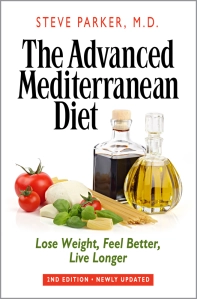
So, please consider my Advanced Mediterranean Diet: Lose Weight, Feel Better, Live Longer (2nd Edition). If you have diabetes or prediabetes, see better options below.

I’ve also published a free, online, stripped-down version of my healthy lifestyle program: the Do-It-Yourself Mediterranean Diet.

Also free is my Ketogenic Mediterranean Diet, which is very low-carb.

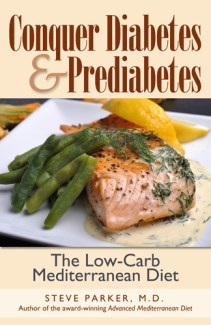
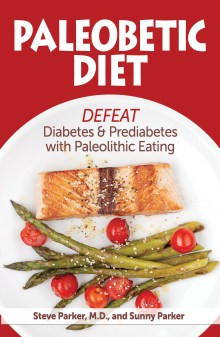
For folks with diabetes and prediabetes, I’ve put together Conquer Diabetes and Prediabetes: The Low-Carb Mediterranean Diet and Paleobetic Diet: Defeat Diabetes and Prediabetes with Paleolithic Eating.

I’m doing everything I can to help you live longer and healthier!

Whatever your choice, I wish you success and good health in 2020 and beyond!

Steve Parker, M.D.

Last modification date: Jan 22, 2020

Steve Parker MD, Advanced Mediterranean Diet

Click the pic to purchase at Amazon.com. E-book versions also available at Smashwords. com.

Click pic to purchase at Amazon.com. E-book versions also available at Smashwords. com.

Click pic to purchase at Amazon.com. E-book versions also available at Smashwords.com.


Prepare For Weight Loss, Part 7: Creative Visualization

How will your life be different after you make a commitment and have the willpower to lose weight permanently?

Odds are, you will be more physically active than you are now. Exercise will be a habit, four to seven days per week. Not necessarily vigorous exercise, perhaps just walking for 30 or 45 minutes. It won’t be a chore. It will be pleasant, if not fun. The exercise will make you more energetic, help you sleep better, and improve your self-esteem.

After you achieve your goal weight, you’ll be able to cut back on exercise to three or four days per week, if you want. If you enjoy eating as much as I do, you may want to keep very active physically so that you can eat more. I must tell you that I rarely see anyone lose a major amount of weight and keep it off without a regimen including regular physical activity. I wish that weren’t the case, and probably you do too, but that is the reality I have witnessed. Please don’t think you’ll be an exception; the odds are overwhelmingly against you. Plan on regular exercise being a part of your new lifestyle.

Commitment and willpower will alter your relationship with food. You will eat to live, rather than live to eat. You have important things to do with your life, dreams to pursue, and so little time left. If you have no long-range goals and are unclear about your purpose for living, you are certainly not alone. I urge you to consult a spiritual adviser such as a minister, priest, or rabbi.

Food is a necessary and enjoyable tool that helps you achieve your goals and fulfill your purpose by keeping you strong and healthy. Chronic overindulgence is a distraction. Carrying excess baggage impedes your progress on life’s journey.

Your new relationship with food will involve two phases: 1) weight loss, and 2) maintenance of that loss.

During the weight-loss phase, you will occasionally feel deprived due to calorie restriction. Your willpower will be tested and sometimes broken. But you recover control and press on. You don’t have to swear off all your favorite foods, just limit them. You will learn to eat reasonable portions of varied, balanced nutrients. You learn to delay gratification. You eat real food that is readily available and good for everyone in the household. You don’t have to sit there sipping your dinner out of a can while others at the table eat baked chicken, broccoli, and bread.

You’re excited and enthusiastic at first, full of hope, particularly when you lose those first three or four pounds. You’re not expecting to lose six or 10 pounds per week as in the TV infomercials because you know those results are bogus or unsustainable. You’re happy losing one-half to one-and-a-half pounds weekly because you know the loss is fat, not water or intestinal contents. You’ve held a pound of butter (four sticks) in your hand—that’s what you’ve lost. And it’s quite an accomplishment. The excitement wears off after three to six weeks, but it’s easier to deal with since you knew it was coming. You focus on the long-term benefits and renew your commitment. It helps that you’re now getting compliments from your friends and co-workers.

After much dedicated effort on your part, you finally attain your goal weight. You feel good about yourself. You take pride, justifiably, in your hard work, discipline, and willpower. You look better, sleep better, have more energy, and have rewarded yourself with some new clothes. But this is a critical juncture with risk—the risk of regaining fat and returning to your starting point. You must successfully navigate the transition to “maintenance phase,” in which you confirm and solidify your weight loss achievement. This is the most puzzling, problematic, and frustrating area in the field of weight management. To some extent, you must chart your own course.

Your relationship to food in the maintenance phase will have certain characteristics, however. In your weight-loss phase, you had been converting 400–600 calories worth of fat into energy every day. Now that you have reached your goal weight and have the will to stay there, you have options. You can 1) start eating an extra 400–600 calories daily, 2) reduce your physical activity by 400–600 calories daily, or 3) mix No. 1 and No. 2 such that you increase your current calorie budget by 400–600 calories. This is our old friend, the Energy Balance Equation.

In view of exercise’s benefits, many people choose to eat more food and continue their exercise program. At this point, the natural inclination, sometimes overwhelming, is to eat more than 400–600 extra calories per day. And you know what will happen. You will need perhaps even more commitment and willpower to keep from slipping back into your old habits, into your lifestyle of the last 10 years. You vow to admit this reality: you can never again eat all you want, whenever you want, over sustained periods of time. You look at a brownie, a candy bar, or a piece of apple pie, and you ask yourself, “Do I really want to walk an extra hour or jog an extra three miles today to burn off those calories?” If so, enjoy. If not, remember what they say: “A moment on the lips, a lifetime on the hips.”

You vow also to admit this reality: you’re going to “fall off the wagon” occasionally and gain four, five, or more pounds of fat. But it’s not the end of the world. You’re not a failure. An extra five or eight pounds won’t hurt you one bit, physically. But you draw the line, stand up straight, hold your head high, and simply return to your weight-loss program for a month or two. You’ve done it before and know you can do it again.

Changing your lifestyle is like breaking a horse. You’re in for a rough ride and you’re going to get thrown a few times. But you pick yourself up, dust yourself off, and climb back on. With time and persistence, your will prevails.

After you commit to permanent weight loss and maintenance, you will likely find yourself eating different types of food than your usual fare. Most people settle into a routine and eat the same 10 or 12 meals over and over. Do you start the day with fried eggs, bacon, biscuits and butter? Perhaps one of your regular meals is fried chicken with mountains of mashed potatoes and gravy. Pizza and soda pop? Maybe you like a hamburger with large fries a couple days per week. During the maintenance phase of weight management, those meals are fine on occasion. But over the long run you will eat substitute meals that are lower in calories, incorporating more fruits, vegetables, and whole grains. As a result you will feel better, obtain more healthy anti-oxidants and other micronutrients, and keep your weight under control.

Steve Parker, M.D.