Category Archives: Longevity

Low-Carb Diets May Shorten Your Life

…and high-carb diets might be just as harmful. In the research at hand, low-carb was defined as under 40% of calories from carbohydrate, and high-carb was over 70% of calories.
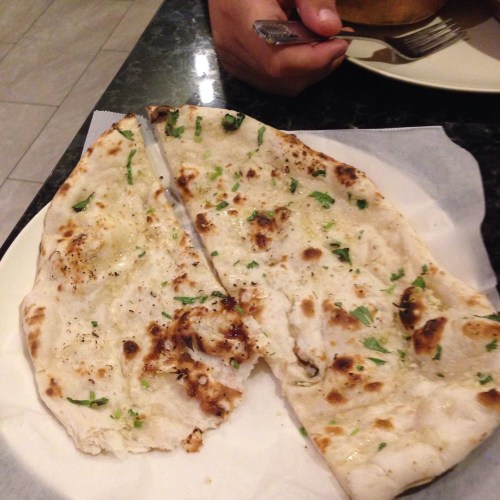
Garlic Naan, a type of flat bread

The longevity sweet spot was 50-55% of calories from carbs. Guess what? That’s the typical carb percentage in the traditional Mediterranean diet.

If you want to eat low-carb, read further to identify the possibly healthier substitutions for carbs. Tl;dr version: Eat plant-derived protein and fats.

From a 2018 study in The Lancet Public Health:

Background

Low carbohydrate diets, which restrict carbohydrate in favour of increased protein or fat intake, or both, are a popular weight-loss strategy. However, the long-term effect of carbohydrate restriction on mortality is controversial and could depend on whether dietary carbohydrate is replaced by plant-based or animal-based fat and protein. We aimed to investigate the association between carbohydrate intake and mortality.

Methods

We studied 15 428 adults aged 45–64 years, in four US communities, who completed a dietary questionnaire at enrolment in the Atherosclerosis Risk in Communities (ARIC) study (between 1987 and 1989), and who did not report extreme caloric intake (4200 kcal per day for men and 3600 kcal per day for women). The primary outcome was all-cause mortality. We investigated the association between the percentage of energy from carbohydrate intake and all-cause mortality, accounting for possible non-linear relationships in this cohort. We further examined this association, combining ARIC data with data for carbohydrate intake reported from seven multinational prospective studies in a meta-analysis. Finally, we assessed whether the substitution of animal or plant sources of fat and protein for carbohydrate affected mortality.

Findings

During a median follow-up of 25 years there were 6283 deaths in the ARIC cohort, and there were 40 181 deaths across all cohort studies. In the ARIC cohort, after multivariable adjustment, there was a U-shaped association between the percentage of energy consumed from carbohydrate (mean 48·9%, SD 9·4) and mortality: a percentage of 50–55% energy from carbohydrate was associated with the lowest risk of mortality. In the meta-analysis of all cohorts (432 179 participants), both low carbohydrate consumption (70%) conferred greater mortality risk than did moderate intake, which was consistent with a U-shaped association (pooled hazard ratio 1·20, 95% CI 1·09–1·32 for low carbohydrate consumption; 1·23, 1·11–1·36 for high carbohydrate consumption). However, results varied by the source of macronutrients: mortality increased when carbohydrates were exchanged for animal-derived fat or protein (1·18, 1·08–1·29) and mortality decreased when the substitutions were plant-based (0·82, 0·78–0·87).

Interpretation

Both high and low percentages of carbohydrate diets were associated with increased mortality, with minimal risk observed at 50–55% carbohydrate intake. Low carbohydrate dietary patterns favouring animal-derived protein and fat sources, from sources such as lamb, beef, pork, and chicken, were associated with higher mortality, whereas those that favoured plant-derived protein and fat intake, from sources such as vegetables, nuts, peanut butter, and whole-grain breads, were associated with lower mortality, suggesting that the source of food notably modifies the association between carbohydrate intake and mortality.

Source: Dietary carbohydrate intake and mortality: a prospective cohort study and meta-analysis – The Lancet Public Health

Steve Parker, M.D.

PS: These types of studies are often unreliable.

Steve Parker MD, Advanced Mediterranean Diet

Click the pic to purchase at Amazon.com. E-book versions also available at Smashwords. com.


Is This the Optimal Anti-Aging Regimen?

dementia, memory loss, Mediterranean diet, low-carb diet, glycemic index, dementia memory loss

“Darling, think about upping your NMN dose.”

David Sinclair is a PhD professor and researcher at Harvard. Harriet Hall, M.D., reviewed his 2019 anti-aging book at Science-Based Medicine. Here’s his current anti-aging regimen as outlined by Dr Hall:

He makes no recommendations for others except “Eat fewer calories”, “Don’t sweat the small stuff”, and “Exercise”.

But he argues that if he does nothing, he will age and die, so he has nothing to lose by trying unproven treatments, and he has personally chosen to do these things:

    • He takes a gram each of NMN [nicotinamide mononucleotide] resveratrol, and metformin daily.
    • He takes vitamin D, vitamin K2, and 83 mg. aspirin.
    • He limits sugar, bread, and pasta intake, doesn’t eat desserts, and avoids eating meat from animals.
    • He skips one meal a day.
    • He gets frequent blood tests to monitor biomarkers; if not optimal, he tries to moderate them with food and exercise.
    • He stays active, goes to the gym, jogs, lifts weights, uses the sauna and then dunks in an ice-cold pool.
    • He doesn’t smoke.
    • He avoids microwaved plastic, excessive UV exposure, X-rays, and CT scans.
    • He tries to keep environmental temperatures on the cool side.
    • He maintains a BMI of 23-25 [click to calculate your BMI].

He plans to fine-tune his regimen as research evolves. He acknowledges “It’s impossible to say if my regimen is working…but it doesn’t seem to be hurting.” He says he feels the same at 50 as he did at 30.

Source: Aging: Is It a Preventable Disease? – Science-Based Medicine

Steve Parker, M.D.

PS: P.D. Mangan posted an interview it Alan S. Green, M.D., who’s using rapamycin to slow aging.

PPS: The Mediterranean diet has an anti-aging effect if you consider improved longevity to be anti-aging.

Steve Parker MD, Advanced Mediterranean Diet

Click the pic to purchase at Amazon.com. E-book versions also available at Smashwords. com.
70 is the new 60 (but not for everyone in the U.S.)

“The 21st century is a great time to be alive”

From Market Watch:

Better living conditions, easier work, and better health care are all helping shave years off our effective ages, researchers have said. The progress is steady and consistent, they have found. A typical American woman of 67 today is about as healthy as her mom was at age 60, and at 89 she’s likely to be as healthy as her mom was at 75, the report released this week said.

Health-wise, older people are 10 years younger than their grandparents. “A 70-year-old born in 1960 is predicted to be about as healthy as a 60-year-old born in 1910,” the authors wrote. The authors, Ana-Lucia Abeliansky, Devil Erel and Holger Strulik, economists and statisticians at the University of Goettingen in Germany, crunched medical data on thousands of Americans.

Elderly African-Americans didn’t see the youthfulness gain.

Furthermore:

From 1950 to 2000, average life expectancy has risen more in Western Europe than in the U.S. Europeans have gained 11.3 years, on average, compared with 8.6 years for Americans.

Source: Good news for older Americans: 70 is the new 60 (but not for everyone) – MarketWatch

Didn’t we know this already?: Marriage linked to longer lifespan

dementia, memory loss, Mediterranean diet, low-carb diet, glycemic index, dementia memory loss

“Sweat Pea, let’s schedule a check-up with Dr. Gupta.”

From UPI:

Married men in 2017 had an age-adjusted death rate of 943 per 100,000, compared to 2,239 for widowers. The death rate was 1,735 per 100,000 for lifelong bachelors and 1,773 for divorced men.

Married women had a death rate of 569 per 100,000, two-and-a-half times lower than the 1,482 rate for widows. The death rate was 1,096 for divorcees and 1,166 for never-married women.

*  *  *

While the death rate for married men and women declined by the same 7 percent, women’s overall death rate was much lower.

But the death rates among men in all other marital categories remained essentially the same between 2010 and 2017, researchers found.

On the other hand, the death rate for widowed women rose 5 percent, while the rate for never-married women declined by 3 percent and remained stable for divorced women.

Source: Marriage linked to longer lifespan, new data shows – UPI.com

Steve Parker, M.D.

Steve Parker MD, Advanced Mediterranean Diet

Click the pic to purchase at Amazon.com. E-book versions also available at Smashwords. com.

Dog Ownership Lowers Risk of Death From Heart Attack and Stroke

Young Hank

From UPI:

A pair of new reports found that dog owners have a lower risk of early death than people without canine companionship, particularly when it comes to dying from a heart attack or stroke.

Dog ownership decreases a person’s overall risk of premature death by 24 percent, according to researchers who conducted a review of the available medical evidence.

The benefit is most pronounced in people with existing heart problems. Dog owners had a 65 percent reduced risk of death following a heart attack and a 31 percent reduced risk of death from heart disease, the researchers said.

Source: Having a dog can lower risk of death from heart attack, stroke – UPI.com

Steve Parker, M.D.

Steve Parker MD, Advanced Mediterranean Diet

Click the pic to purchase at Amazon.com. E-book versions also available at Smashwords. com.
Red and Processed Meats May Not Be the Killers We Imagined

From New York Times:

Public health officials for years have urged Americans to limit consumption of red meat and processed meats because of concerns that these foods are linked to heart disease, cancer and other ills.

But on Monday, in a remarkable turnabout, an international collaboration of researchers produced a series of analyses concluding that the advice, a bedrock of almost all dietary guidelines, is not backed by good scientific evidence.

Whew…What a relief! Dodged that bullet.

Click for Gina Kolata’s article.

Steve Parker, M.D.

Steve Parker MD, Advanced Mediterranean Diet

Click the pic to purchase at Amazon.com

Is Rapamycin the Holy Grail of Anti-Aging Medicine?

MRI of brain

Rapamycin may prevent chronic age-related diseases like Alzheimer’s Disease. From P.D. Mangan who interviewed Alan S. Greeen, M.D., prescriber and user of the drug himself:

For many informed observers of anti-aging science and practice, rapamycin appears to be one of the most promising anti-aging treatments currently available. Originally (and still) used as an immunosuppressant for transplant patients, it’s been found to increase lifespan in lab animals.

Side effects of rapamycin are a problem, but it’s since been found that a transient (3-month) treatment with rapamycin can extend life expectancy up to 60%. More studies are needed to determine the dosing regimen with maximal efficacy and minimal side effects. Intermittent dosing at once every 5 days also extends lifespan in mice, and this “demonstrates that the anti-aging potential of rapamycin is separable from many of its negative side effects and suggests that carefully designed dosing regimens may permit the safer use of rapamycin and its analogs for the treatment of age-related diseases in humans. ” Note also that this dosing regimen wasn’t started until the mice were quite old, at 20 months, and it still extended lifespan.

The principal mechanism of action of rapamycin is the inhibition of the cellular nutrient sensor and growth regulator mTOR. In elderly humans, weekly dosing of an mTOR inhibitor (not rapamycin) increased immune function as measured by response to a flu vaccine.

Given all of this, rapamycin as it relates to the slowing or reversal of aging, is still an experimental drug. However, we will be waiting a long time, perhaps forever, for the FDA to approve rapamycin for anti-aging, and since it’s a generic drug, there’s little incentive for drug companies to pursue clinical trials. Meanwhile, many people have begun to realize that they could be dead before this treatment becomes recognized – again, if ever.

Source: Rapamycin Anti-Aging Medicine: An Update with Alan S. Green, M.D. – Rogue Health and Fitness

Mangan’s site is a trove of anti-aging strategies.

Steve Parker, MD.

Steve Parker MD, Advanced Mediterranean Diet

Click the pic to purchase at Amazon.com

Soft Drinks Kill

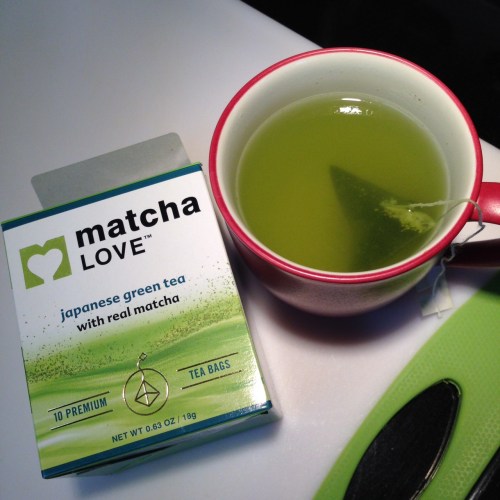
Green tea is not linked to premature death

The study at hand involved Europeans. It’s the first time I’ve seen artificially-sweetened soft drinks linked to premature death.

From JAMA Network:

This study found that consumption of total, sugar-sweetened, and artificially sweetened soft drinks was positively associated with all-cause deaths in this large European cohort; the results are supportive of public health campaigns aimed at limiting the consumption of soft drinks.

Source: Association Between Soft Drink Consumption and Mortality in 10 European Countries | Cardiology | JAMA Internal Medicine | JAMA Network

Steve Parker, M.D.

Steve Parker MD, Advanced Mediterranean Diet

Click the pic to purchase at Amazon.com

The Oldest Folks in the World May Not Be THAT Old

A healthy diet has room for grapes

In The Blue Zones book, Dan Buettner discusses geographic regions where people live significantly longer than average. Sardinia, for example.

From Vox:

We’ve long been obsessed with the super-elderly. How do some people make it to 100 or even 110 years old? Why do some regions — say, Sardinia, Italy, or Okinawa, Japan — produce dozens of these “supercentenarians” while other regions produce none? Is it genetics? Diet? Environmental factors? Long walks at dawn?

A new working paper released on bioRxiv, the open access site for prepublication biology papers, appears to have cleared up the mystery once and for all: It’s none of the above.

Instead, it looks like the majority of the supercentenarians (people who’ve reached the age of 110) in the United States are engaged in — intentional or unintentional — exaggeration.

Source: Study: many of the “oldest” people in the world may not be as old as we think – Vox

Steve Parker, M.D.

PS: The Mediterranean diet has long been linked to longevity.

Steve Parker MD, Advanced Mediterranean Diet

Click the pic to purchase at Amazon.com


Older Women Don’t Need the Proverbial 10,000 Steps a Day for Longevity

Overton trail near Scottsdale, AZ

Among older women [average age 72], as few as approximately 4400 steps/d was significantly related to lower mortality rates compared with approximately 2700 steps/d. With more steps per day, mortality rates progressively decreased before leveling at approximately 7500 steps/d. Stepping intensity was not clearly related to lower mortality rates after accounting for total steps per day.

Source: Association of Step Volume and Intensity With All-Cause Mortality in Older Women | Geriatrics | JAMA Internal Medicine | JAMA Network

10,000 steps is about five miles, depending on stride length. 6,000 steps would be about three miles. Walking at two miles per hour, a leisurely stroll, it would take 90 minutes to walk three miles.

Steve Parker, M.D.

Steve Parker MD, Advanced Mediterranean Diet

Click the pic to purchase at Amazon.com