Category Archives: Coronavirus

More Evidence for Effectiveness of Ivermectin Against COVID-19

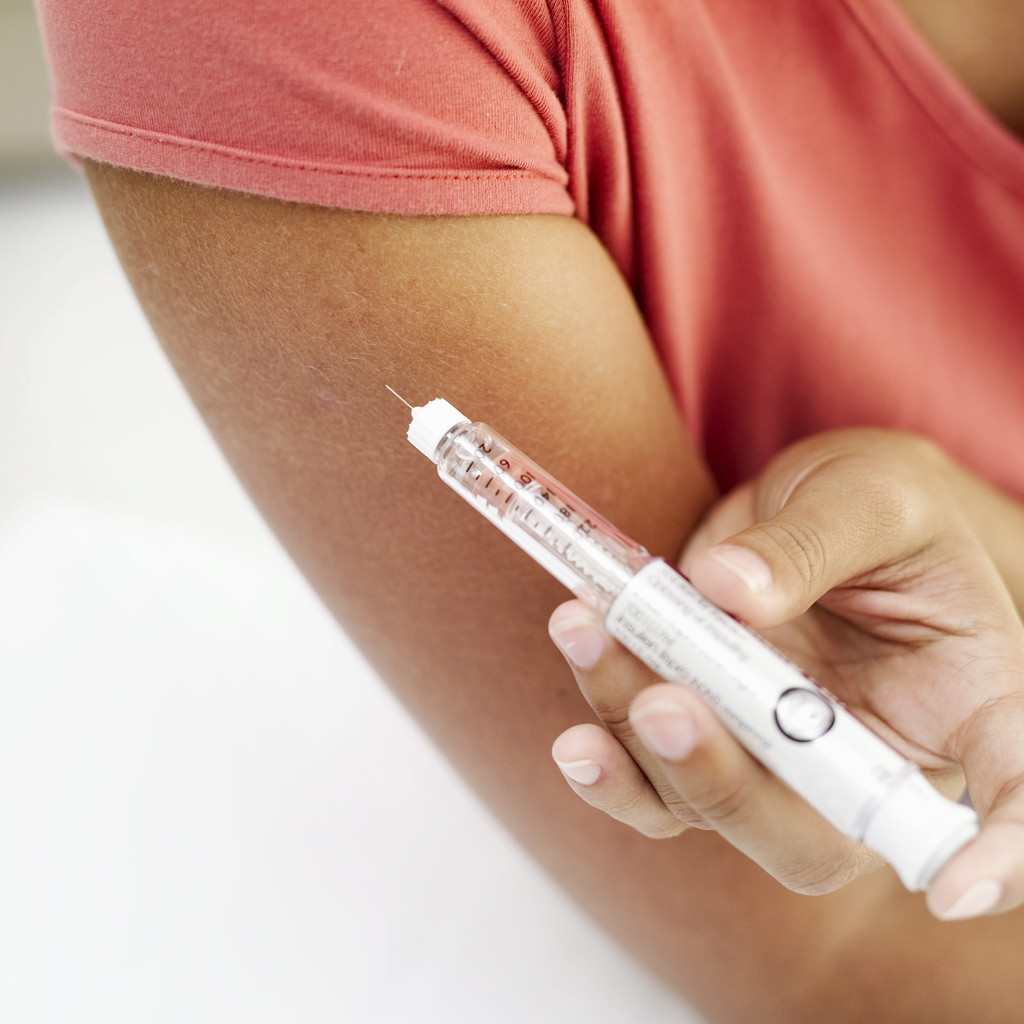
No, you don’t have to inject the vaccine yourself

The May-June 2021 issue of American Journal of Therapeutics has a meta-analysis of various experiments using ivermectin both as prophylaxis against and treatment for COVID-19. I’m starting to think ivermectin is effective. Not only that, it’s inexpensive and relatively non-toxic.

From the aforementioned article:

Background: 

After COVID-19 emerged on U.S shores, providers began reviewing the emerging basic science, translational, and clinical data to identify potentially effective treatment options. In addition, a multitude of both novel and repurposed therapeutic agents were used empirically and studied within clinical trials.

Areas of Uncertainty: 

The majority of trialed agents have failed to provide reproducible, definitive proof of efficacy in reducing the mortality of COVID-19 with the exception of corticosteroids in moderate to severe disease. Recently, evidence has emerged that the oral antiparasitic agent ivermectin exhibits numerous antiviral and anti-inflammatory mechanisms with trial results reporting significant outcome benefits. Given some have not passed peer review, several expert groups including Unitaid/World Health Organization have undertaken a systematic global effort to contact all active trial investigators to rapidly gather the data needed to grade and perform meta-analyses.

Data Sources: 

Data were sourced from published peer-reviewed studies, manuscripts posted to preprint servers, expert meta-analyses, and numerous epidemiological analyses of regions with ivermectin distribution campaigns.

Therapeutic Advances: 

A large majority of randomized and observational controlled trials of ivermectin are reporting repeated, large magnitude improvements in clinical outcomes. Numerous prophylaxis trials demonstrate that regular ivermectin use leads to large reductions in transmission. Multiple, large “natural experiments” occurred in regions that initiated “ivermectin distribution” campaigns followed by tight, reproducible, temporally associated decreases in case counts and case fatality rates compared with nearby regions without such campaigns.

Conclusions: 

Meta-analyses based on 18 randomized controlled treatment trials of ivermectin in COVID-19 have found large, statistically significant reductions in mortality, time to clinical recovery, and time to viral clearance. Furthermore, results from numerous controlled prophylaxis trials report significantly reduced risks of contracting COVID-19 with the regular use of ivermectin. Finally, the many examples of ivermectin distribution campaigns leading to rapid population-wide decreases in morbidity and mortality indicate that an oral agent effective in all phases of COVID-19 has been identified.

Parker here again. My understanding of Emergency Use Authorization, which applies to all COVID vaccines used in the U.S. today, is that they are authorized only if there are no other proven effective treatments available. In which case, the Big Pharma vaccine manufacturers may want to suppress the study at hand.

Steve Parker, M.D.

PS: There is no consensus on the dose of ivermectin for the patients I see, i.e, those sick enough to be in the hospital. Single dose of 0.4 to 0.15 mg/kg? Subsequent dose seven days later “if needed”? I see multiple different dosing regimens in the article.
front cover of paleobetic diet

Click to purchase at Amazon.com. E-book also available at Smashwords. com.
Scientists say new vaccines needed within a year

face mask, young woman
She’s at little risk of serious illness if she’s generally healthy

The problem is that the virus mutates over time, perhaps to the point that the vaccinated immune system doesn’t recognize the new mutant. Learn the word endemic; you’ll be hearing it more often.

From The Guardian in March, 2021:

The planet could have a year or less before first-generation Covid-19 vaccines are ineffective and modified formulations are needed, according to a survey of epidemiologists, virologists and infectious disease specialists.

* * *

The grim forecast of a year or less comes from two-thirds of respondents, according to the People’s Vaccine Alliance, a coalition of organisations including Amnesty International, Oxfam, and UNAIDS, who carried out the survey of 77 scientists from 28 countries. Nearly one-third of the respondents indicated that the time-frame was likely nine months or less.

Source: Covid: new vaccines needed globally within a year, say scientists | Coronavirus | The Guardian

Another issue is that we don’t know how long the vaccine’s effectiveness lasts. Pfizer’s CEO recently suggested a booster by be needed as soon as six months after the last shot.

Steve Parker, M.D.

front cover of paleobetic diet

Click to purchase at Amazon.com. E-book also available at Smashwords. com.

Trainer Mark Rippetoe On the Impact of the Pandemic

young woman, exercise, weight training, gym
Not enough weight!
<p value="<amp-fit-text layout="fixed-height" min-font-size="6" max-font-size="72" height="80">Mark Rippetoe posted an interesting <a rel="noreferrer noopener" href="https://startingstrength.com/article/the-new-fitness-industry&quot; data-type="URL" data-id="https://startingstrength.com/article/the-new-fitness-industry&quot; target="_blank">article on changes in the fitness industry precipitated by the coronavirus pandemic</a>. He also appreciates the difference between exercise/recreation and <em>training</em>:Mark Rippetoe posted an interesting article on changes in the fitness industry precipitated by the coronavirus pandemic. He also appreciates the difference between exercise/recreation and training:

When the opportunity to expand the government’s control in the name of Public Health or Safety or Your Continued Well-being or Not Overwhelming the Healthcare System or whatever comes along next, suddenly your having fun is not nearly as important as obeying the commands of the petty little fucks that enjoy telling other people what to do. Fun is “non-essential,” you see. Your obedience isessential. And that is why your globogym is now closed. 

Depending on where you live and how much cash the corporation has on hand, it may be closed for a long time, or it might be closed permanently. Because it is viewed as Recreation, and is therefore “non-essential,” the petty fucks in charge feel no responsibility to ensure your fun – as if the kind of innocent fun a person has is their decision to make. 

And the government has already described their ideas about exercise. I wrote an article about this several years ago that shows you how completely divorced from our particular reality these fools are. It could be argued that their version of exercise is so utterly wasteful of time that you would in fact be better off locked in your house. And that is what they intend to do.

So it’s time for a paradigm shift. Training – the process we employ to intentionally increase our strength and our health over time – is fundamentally different than stopping by the club on the way home, catching a pump, catching a sweat, catching a shower, and finishing the trip having had fun. Training may actually be no fun at all. The results of training are enjoyable, but the process is hard, and it requires commitment, patience, and eventually the courage to do things you’re not sure you can do. It is an educational process, of teaching both your body and mind to be stronger.

Steve Parker, M.D.

front cover of paleobetic diet

Click to purchase at Amazon.com. E-book also available at Smashwords. com.
What About Convalescent Plasma for Covid-19?

From a January 2021 editorial in NEJM:

Considering the number of SARS-CoV-2 infections, the paucity of treatment options, and the enthusiasm for and controversy about convalescent plasma, a high-quality, multicenter, randomized, controlled trial is most welcome. Libster and colleagues now report in the Journal the results of a well-executed trial of early convalescent plasma in older adult patients in whom symptomatic SARS-CoV-2 infection was diagnosed with the use of a polymerase-chain-reaction assay. In this double-blind trial, 250 ml of convalescent plasma with an IgG titer greater than 1:1000 against SARS-CoV-2 spike (S) protein was compared with saline placebo in patients who were 65 to 74 years of age and had prespecified coexisting conditions and in patients who were 75 years of age or older with or without coexisting conditions.

The patients received convalescent plasma or placebo less than 72 hours after symptom onset. In the intention-to-treat population, a primary end-point event (progression to predefined severe disease during follow-up) occurred in 16% (13 of 80 patients) and 31% (25 of 80 patients) of the well-matched convalescent plasma and placebo groups, respectively. A dose-dependent effect relative to the antibody titers after infusion was observed, and this effect was larger after the exclusion of 6 patients who had a primary end-point event before infusion. The benefits of convalescent plasma with respect to the secondary end points were consistent with those associated with the primary end point. No serious adverse events were observed. The authors conclude that “early administration of high-titer convalescent plasma against SARS-CoV-2 to mildly ill infected older adults reduced the progression of Covid-19.” Even before the current trial, the EUA [emergency use authorization] emphasized the potential advantages of early therapy with high-titer convalescent plasma. Unfortunately, a direct comparison of antibody levels in the current trial with assays specified in the FDA EUA is not available. Antibody titers in the recipients at enrollment were not provided, so no comment can be made about the usefulness of seroreactivity in patients as a criterion for convalescent plasma use.

At this time, convalescent plasma should be reserved for patients in whom the duration, severity, and risk of progression of illness are similar to those in the patients in this trial. Younger high-risk patients (and certain immunodeficient patients) with these disease characteristics should be considered as well.

Source: (A Little) Clarity on Convalescent Plasma for Covid-19 | NEJM

front cover of paleobetic diet

Click to purchase at Amazon.com. E-book also available at Smashwords. com.
Daily Users of Proton Pump Inhibitors Have Double the Risk of COVID-19

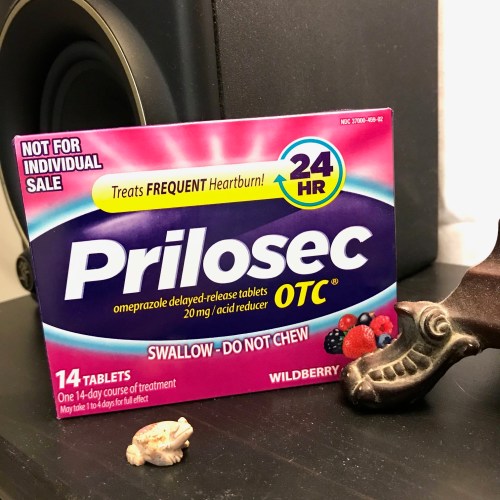
Are you tired of this pic yet?

Click for details.

You should assume there’s a good reason or two why we have acidic stomach juice. One reason is to prevent infection. I see too many patients who are put on these drugs for a good reason, but they keep taking them after the drug has finished its job. An “as needed” H2 blocker like Pepcid may be a reasonable substitute for PPIs. Check with your personal physician.

I have nothing against Prilosec in particular. It can be very helpful. It’s one of several PPIs on the market.

Steve Parker, M.D.

front cover of paleobetic diet

Click to purchase at Amazon.com. E-book also available at Smashwords. com.
Do Antibody Infusions Work Against COVID-19?

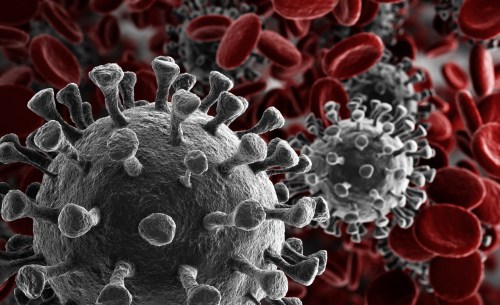
artist rendition of coronavirus
See the spikes? Or are they golf tees?

A monoclonal antibody given to patients with mild COVID-19 reduced symptom severity and the odds of needing hospitalization.

About 10 days ago the hospital where I work started giving intravenous antibodies to COVID-19 patients in the emergency department. These are folks with COVID-19 symptoms and a positive COVID PCR test within the last three days but they’re not sick enough to warrant admission. My impression is that the infusion is monoclonal antibodies, different from the convalescent plasma we were offering to inpatients several months ago.

The antibody used in the study at hand is “LY-CoV555 (also known as LY3819253), a potent antispike neutralizing monoclonal antibody that binds with high affinity to the receptor-binding domain of SARS-CoV-2,” and “was derived from convalescent plasma obtained from a patient with Covid-19.” I assume scientists figured out a way to synthesize that antibody in a lab.

Click on Abstract for full details.

Abstract

BACKGROUND

Severe acute respiratory syndrome coronavirus 2 (SARS-CoV-2) causes coronavirus disease 2019 (Covid-19), which is most frequently mild yet can be severe and life-threatening. Virus-neutralizing monoclonal antibodies are predicted to reduce viral load, ameliorate symptoms, and prevent hospitalization.

This was a very small study; only a little over a hundred patients in each of three treatment groups (three different doses) and the placebo group.

METHODS

In this ongoing phase 2 trial involving outpatients with recently diagnosed mild or moderate Covid-19, we randomly assigned 452 patients to receive a single intravenous infusion of neutralizing antibody LY-CoV555 in one of three doses (700 mg, 2800 mg, or 7000 mg) or placebo and evaluated the quantitative virologic end points and clinical outcomes. The primary outcome was the change from baseline in the viral load at day 11. The results of a preplanned interim analysis as of September 5, 2020, are reported here.

RESULTS

At the time of the interim analysis, the observed mean decrease from baseline in the log viral load for the entire population was −3.81, for an elimination of more than 99.97% of viral RNA. For patients who received the 2800-mg dose of LY-CoV555, the difference from placebo in the decrease from baseline was −0.53 (95% confidence interval [CI], −0.98 to −0.08; P=0.02), for a viral load that was lower by a factor of 3.4. Smaller differences from placebo in the change from baseline were observed among the patients who received the 700-mg dose (−0.20; 95% CI, −0.66 to 0.25; P=0.38) or the 7000-mg dose (0.09; 95% CI, −0.37 to 0.55; P=0.70). On days 2 to 6, the patients who received LY-CoV555 had a slightly lower severity of symptoms than those who received placebo. The percentage of patients who had a Covid-19–related hospitalization or visit to an emergency department was 1.6% in the LY-CoV555 group and 6.3% in the placebo group.

CONCLUSIONS

In this interim analysis of a phase 2 trial, one of three doses of neutralizing antibody LY-CoV555 appeared to accelerate the natural decline in viral load over time, whereas the other doses had not by day 11. (Funded by Eli Lilly; BLAZE-1 ClinicalTrials.gov number, NCT04427501. opens in new tab

Another study looked at the use of a cocktail containing two monoclonal antibodies in non-hospitalized patients. Researchers concluded:

In this interim analysis, the REGN-COV2 antibody cocktail reduced viral load, with a greater effect in patients whose immune response had not yet been initiated or who had a high viral load at baseline. Safety outcomes were similar in the combined REGN-COV2 dose groups and the placebo group. (Funded by Regeneron Pharmaceuticals and the Biomedical and Advanced Research and Development Authority of the Department of Health and Human Services; ClinicalTrials.gov number, NCT04425629. opens in new tab.)

Click for details.

Their report indicated that those who received the antibodies were less likely to need subsequent medical visits. But they didn’t put that in their concluding paragraph so I will assume it didn’t reach statistical significance.

Neither of these studies reported reduction in death rates.

+ + +

Obesity, particularly BMI 35 or higher, is risk factor for serious COVID-19 disease. If obese, you’ve had almost a year to work on it. How ya doin’? I can help if needed. See the book below.

Steve Parker, M.D.

front cover of paleobetic diet

Click to purchase at Amazon.com. E-book also available at Smashwords. com.

What About Melatonin for COVID-19?

Photo by Anna Shvets on Pexels.com

Melatonin is a commonly-available over-the-counter sleep aid. In 2020, the Cleveland Clinic did epidemiological study that linked melatonin usage with a 30% reduced risk of contracting COVID-19. Clinical psychologist Michael J Breus, Ph D has an article at Psychology Today on the use of melatonin as a preventative or treatment for COVID-19.

Melatonin, of course, is best known as a sleep regulator. But melatonin also plays an important role in regulating the immune system. One way it does so is by influencing the production of small proteins known as cytokines, which act as signalers from the immune system to cells around the body. Cytokines can be inflammation producing (pro-inflammatory cytokines) or inflammation restricting (anti-inflammatory cytokines). Melatonin has been shown to reduce the production of pro-inflammatory cytokines. Melatonin also is well known to be an antioxidant, neutralizing free radical cells and limiting oxidative stress and damage, which contribute inflammation.

Pro-inflammatory cytokines serve an important purpose, in marshaling the inflammatory response that fights off viruses, bacteria, and other pathogens. That’s the protective mechanism of inflammation at work. But for the pro-inflammatory cytokine response to be beneficial, it must be proportional to the threat. A too vigorous response of pro-inflammatory cytokines creates a dangerous amount of inflammation—and can actually serve to spread the viral infection, rather than tamping it down. It is this inflammatory overreaction and viral spread that appears to take place in the most serious cases of COVID-19.

I spent 10 minutes on the Internet trying to find the appropriate dose of melatonin for its possible preventative and treatment powers. But no luck. It’s likely in the range of 1 to 10 mg/day, typically taken at night or bedtime. For insomnia in my hospitalized patients, I start at 1.5 mg. Most of my colleagues use a much higher dose. Dr Josh Farkas at emcrit.org suggests that the treatment dose is 5 mg/day.

As always, check with your personal physician first.

Steve Parker, M.D.

front cover of paleobetic diet

Click to purchase at Amazon.com. E-book also available at Smashwords. com.
Does Remdesivir Help Fight COVID-19?

intubation, mechanical ventilation, ventilator
Intubated to prevent death

Remdesivir and hydroxychloroquine don’t do much good for hospitalized COVID-19 patients, according to this abstract of the SOLIDARITY trial:

BACKGROUND

World Health Organization expert groups recommended mortality trials of four repurposed antiviral drugs — remdesivir, hydroxychloroquine, lopinavir, and interferon beta-1a — in patients hospitalized with coronavirus disease 2019 (Covid-19).

METHODS

We randomly assigned inpatients with Covid-19 equally between one of the trial drug regimens that was locally available and open control (up to five options, four active and the local standard of care). The intention-to-treat primary analyses examined in-hospital mortality in the four pairwise comparisons of each trial drug and its control (drug available but patient assigned to the same care without that drug). Rate ratios for death were calculated with stratification according to age and status regarding mechanical ventilation at trial entry.

RESULTS

At 405 hospitals in 30 countries, 11,330 adults underwent randomization; 2750 were assigned to receive remdesivir, 954 to hydroxychloroquine, 1411 to lopinavir (without interferon), 2063 to interferon (including 651 to interferon plus lopinavir), and 4088 to no trial drug. Adherence was 94 to 96% midway through treatment, with 2 to 6% crossover. In total, 1253 deaths were reported (median day of death, day 8; interquartile range, 4 to 14). The Kaplan–Meier 28-day mortality was 11.8% (39.0% if the patient was already receiving ventilation at randomization and 9.5% otherwise). Death occurred in 301 of 2743 patients receiving remdesivir and in 303 of 2708 receiving its control (rate ratio, 0.95; 95% confidence interval [CI], 0.81 to 1.11; P=0.50), in 104 of 947 patients receiving hydroxychloroquine and in 84 of 906 receiving its control (rate ratio, 1.19; 95% CI, 0.89 to 1.59; P=0.23), in 148 of 1399 patients receiving lopinavir and in 146 of 1372 receiving its control (rate ratio, 1.00; 95% CI, 0.79 to 1.25; P=0.97), and in 243 of 2050 patients receiving interferon and in 216 of 2050 receiving its control (rate ratio, 1.16; 95% CI, 0.96 to 1.39; P=0.11). No drug definitely reduced mortality, overall or in any subgroup, or reduced initiation of ventilation or hospitalization duration.

CONCLUSIONS

These remdesivir, hydroxychloroquine, lopinavir, and interferon regimens had little or no effect on hospitalized patients with Covid-19, as indicated by overall mortality, initiation of ventilation, and duration of hospital stay.

Steve Parker, M.D.

front cover of paleobetic diet

Click to purchase at Amazon.com. E-book also available at Smashwords. com.

From the UK: More COVID-19 Vaccine Skepticism

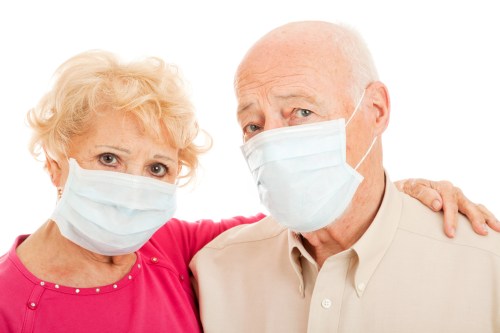
face mask, elderly, worried
Very few, if any, vaccine trial participants were elderly and carrying major co-morbidities

UK Medical Freedom Alliance has published a white paper on the new vaccines:

The morbidity and mortality impact on public health from SARS-CoV-2 must be balanced with the risks and costs of a vaccine roll-out. We have shown that the mortality and morbidity from SARS-CoV-2 is no longer an existential threat to society.

It is a huge responsibility to roll out a vaccine manufactured with novel technology. To do so with the intention that all 60+ million people in the UK should receive the vaccine as soon as possible, without full transparency as to potential risks, may be viewed as irresponsible, potentially even negligent, from a legal standpoint. We urge you to heed the wisdom in the Hippocratic Oath: “First, do no harm“.

The only alliance team member I’ve heard of is Dr Malcolm Kendrick. I’m sure none of them have ever heard of me.

I haven’t decided what I’ll tell my my mother if she asks me if she should take the vaccine soon. She’s 89 years old and readily admits she’s ready to go to Heaven. What has she got to lose? I’ll back her choice either way.

Steve Parker, M.D.

Ivermectin for COVID-19?

face mask, young woman
Probably at little risk of serious illness if she’s generally healthy

From Diabetes Metab Syndr in Sept 2020:

The clinical efficacy and utility of ivermectin in SARS CoV-2 infected patients are unpredictable at this stage, as we are dealing with a completely novel virus. However, repurposing existing drugs as possible COVID-19 treatment is astute usage of existing resources, and we await results of well-designed large scale randomized controlled clinical trials exploring treatment efficacy of ivermectin to treat SARS-CoV-2.

The authors of this letter mention current clinical trials (~38) with a dose [presumably by mouth] ranging from 200 to 1200 mcg/kg body weight, for a duration of 3–7 days, which is showing promising results both in terms of symptoms as well as viral load reduction. Another article mentioned the usual treatment dose is 0.2mg/kg on day 1 and day 3 followed by Days 6 and 8 if not recovered.

The authors cite the Broward Health hospital system study from South Florida. In this small pilot study, hospitalized patients treated with ivermectin had a better survival rate compared with “standard care,” whatever that was back in Spring 2020. The ivermectin-treated patients received “at least one dose” of the drug at 200 mcg/kg, by mouth. Has this report been peer-reviewed and published yet? If not, why not? (Update on Sept 3, 2021: the article was published in Chest in Oct 2020. The protocol was a single dose of ivermectin 200 microgram/kg by mouth, presumably early in hospitalization, with a second dose seven days later at the discretion of the physician.)

Moving on…

One small study (probably 60 each in the treatment and placebo groups) found that 12 mg ivermectin by mouth once a month impressively protected healthcare workers against COVID-19.

Another study: “Two-dose ivermectin prophylaxis at a dose of 300 μg/kg with a gap of 72 hours was associated 73% reduction of COVID-19 infection among [hospital] healthcare workers for the following one-month. Further research is required before its large scale use.”

After hydroxychloroquine, azithromycin, and ivermectin, will nitazoxanide be the next panacea? You heard it first here!

A small study in Barcelona found no benefit from a single standard dose (200 mcg/kg) of ivermectin in patients hospitalized with severe disease. They suggest that a higher dose might be useful.

I’ve spent about 90 minutes on my day off trying to figure out if I should prescribe ivermectin to my hospitalized patients. My conclusion is that we need more and better data before it’s ready for prime time. I agree with Dr Ananda Swaminathan, who probably spent many hours more on the subject:

Evidence for the use of Ivermectin is based on in vitro [lab studies, not living animals], prophylaxis, clinical, safety, and large-scale epidemiologic studies (heterogenous populations in multiple different settings) BUT…

Many of the trials thus far are methodologically flawed without enough information about baseline demographics, multiple primary outcomes, soft/subjective outcomes, convenience samples, and unclear definitions, just to name a few

Additionally, a valid concern in evaluating the literature is that many of the trials have not yet passed the peer review process and are in pre-print format

Although Ivermectin is cheap, readily available, with a fairly safe side effect profile, based on the evaluation of the literature above, at this time, Ivermectin should not be recommended outside of a clinical trial to ensure we get a true answer of effect

Ivermectin is interesting, there is certainly signal to evaluate further, but in our desire to want a treatment option, let’s not continue to do the same thing over and over again, as we saw play out with Hydroxychloroquine

Like they say, “more studies are needed.”

Steve Parker, M.D.

PS: Something you can do to help prevent and survive COVID-19 is to get and stay as healthy as possible. Let me help:

front cover of paleobetic diet

Click to purchase at Amazon.com. E-book also available at Smashwords. com.