Ramen Linked to Higher Fatal Stroke Risk in Japan

I rarely eat ramen, but understand it’s fairly popular among young adults in the U.S, particularly among college students because it’s cheap, quick, and tasty.

Click for details of the study in Nutrition Journal. Some background from the article:

Ramen is one of the most popular foods in Japan, despite being of Chinese origin [11]. Since its original introduction in Japan, ramen has been adapted and now consists of wheat noodles served in broth topped with sliced pork, seaweed, or menma (a Japanese condiment made from lacto-fermented bamboo shoots; Additional file 1). Being tasty and inexpensive, ramen became a popular food that was available from street food stands in Japan after World War ΙΙ. Although the number of ramen stands has decreased markedly, ramen remains highly popular in Japan. High dietary sodium content was recently reported to be a risk factor for stroke [12]; ramen has a high sodium content. However, the relationship between stroke and ramen consumption remains unclear. In this study, we investigated the association between the number of ramen restaurants in each Japanese prefecture and stroke mortality in that prefecture.

Steve Parker, M.D.

Steve Parker MD, Advanced Mediterranean Diet

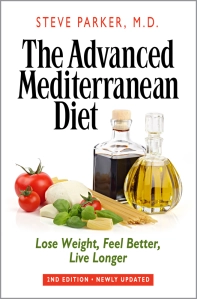
Click the pic to purchase at Amazon.com. E-book versions also available at Smashwords. com.


The Jerusalem Post: Has The Mediterranean Diet Gone Keto-Crazy? 

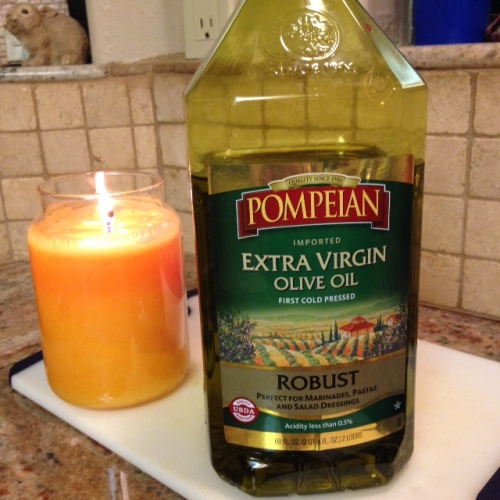
Olive oil is a prominent component of the Mediterranean diet

The Jerusalem Post has an article comparing and combining the Mediterranean and ketogenic diets:

Why choose a favorite when you can have both? Instead of making the tough Keto vs Mediterranean diet decision, many people have instead decided to combine the most appealing parts of the two diets to create a new option called the Keto Mediterranean Diet (KMD). Macronutrients are divided as follows:

• 7-10% carbs

• 55-65% fat

• 22-30% protein

• 5-10% alcohol

What is The Keto Mediterranean Diet Food List?

• Fats – olive oil, coconut oil and avocados

• Proteins – fish, cheese, eggs and lean meats • Vegetables – non-starchy varieties

• Red wine – moderate amount

• No sugars, starches, grains allowed

Carbs are limited, the way they are with the Keto diet and red wine is allowed, like in the Mediterranean diet. For people who want keto results and still enjoy going out at night for a drink, this seems like a good compromise!

Keto Mediterranean Diet Pros and Cons

Pros:

• Benefits of the Keto diet while still enjoying a glass of red wine

• More flexibility in food choices

• Healthy option  for diabetes sufferers

• Lower risk of experiencing keto-flu symptomsCons:

• Constant checking to make sure you are still in ketosis

• No strong boundaries which could weaken the results you experience

Source: Has The Mediterranean Diet Gone Keto-Crazy? – Special Content – Jerusalem Post

Unfortunately, I see nothing in the article that you can use from a practical standpoint unless you’re a dietitian or nutrition nerd, like me.

Steve Parker, M.D.

Click the pic to purchase at Amazon.com. E-book versions also available at Smashwords. com.

Steve Parker MD, Advanced Mediterranean Diet

Click the pic to purchase at Amazon.com. E-book versions also available at Smashwords. com.


Didn’t we know this already?: Marriage linked to longer lifespan

dementia, memory loss, Mediterranean diet, low-carb diet, glycemic index, dementia memory loss

“Sweat Pea, let’s schedule a check-up with Dr. Gupta.”

From UPI:

Married men in 2017 had an age-adjusted death rate of 943 per 100,000, compared to 2,239 for widowers. The death rate was 1,735 per 100,000 for lifelong bachelors and 1,773 for divorced men.

Married women had a death rate of 569 per 100,000, two-and-a-half times lower than the 1,482 rate for widows. The death rate was 1,096 for divorcees and 1,166 for never-married women.

*  *  *

While the death rate for married men and women declined by the same 7 percent, women’s overall death rate was much lower.

But the death rates among men in all other marital categories remained essentially the same between 2010 and 2017, researchers found.

On the other hand, the death rate for widowed women rose 5 percent, while the rate for never-married women declined by 3 percent and remained stable for divorced women.

Source: Marriage linked to longer lifespan, new data shows – UPI.com

Steve Parker, M.D.

Steve Parker MD, Advanced Mediterranean Diet

Click the pic to purchase at Amazon.com. E-book versions also available at Smashwords. com.

Dog Ownership Lowers Risk of Death From Heart Attack and Stroke

Young Hank

From UPI:

A pair of new reports found that dog owners have a lower risk of early death than people without canine companionship, particularly when it comes to dying from a heart attack or stroke.

Dog ownership decreases a person’s overall risk of premature death by 24 percent, according to researchers who conducted a review of the available medical evidence.

The benefit is most pronounced in people with existing heart problems. Dog owners had a 65 percent reduced risk of death following a heart attack and a 31 percent reduced risk of death from heart disease, the researchers said.

Source: Having a dog can lower risk of death from heart attack, stroke – UPI.com

Steve Parker, M.D.

Steve Parker MD, Advanced Mediterranean Diet

Click the pic to purchase at Amazon.com. E-book versions also available at Smashwords. com.

A New Theory of Obesity 

paleo diet, paleolithic diet, caveman diet

Not Kevin Hall

At Scientific American:

Nutrition researcher Kevin Hall strives to project a Zen-like state of equanimity. In his often contentious field, he says he is more bemused than frustrated by the tendency of other scientists to “cling to pet theories despite overwhelming evidence that they are mistaken.” Some of these experts, he tells me with a sly smile, “have a fascinating ability to rationalize away studies that don’t support their views.”

Among those views is the idea that particular nutrients such as fats, carbs or sugars are to blame for our alarming obesity pandemic. (Globally the prevalence of obesity nearly tripled between 1975 and 2016, according to the World Health Organization. The rise accompanies related health threats that include heart disease and diabetes.) But Hall, who works at the National Institute of Diabetes and Digestive and Kidney Diseases, where he runs the Integrative Physiology section, has run experiments that point fingers at a different culprit. His studies suggest that a dramatic shift in how we make the food we eat—pulling ingredients apart and then reconstituting them into things like frosted snack cakes and ready-to-eat meals from the supermarket freezer—bears the brunt of the blame. This “ultraprocessed” food, he and a growing number of other scientists think, disrupts gut-brain signals that normally tell us that we have had enough, and this failed signaling leads to overeating.

*  *  *

At the end of the 19th century, most Americans lived in rural areas, and nearly half made their living on farms, where fresh or only lightly processed food was the norm. Today most Americans live in cities and buy rather than grow their food, increasingly in ready-to-eat form. An estimated 58 percent of the calories we consume and nearly 90 percent of all added sugars come from industrial food formulations made up mostly or entirely of ingredients—whether nutrients, fiber or chemical additives—that are not found in a similar form and combination in nature. These are the ultraprocessed foods, and they range from junk food such as chips, sugary breakfast cereals, candy, soda and mass-manufactured pastries to what might seem like benign or even healthful products such as commercial breads, processed meats, flavored yogurts and energy bars.

Wasn’t David Kessler, M.D., saying the same things ten years ago?

Here’s another new theory from me: If you had to kill and butcher your own animals, you’d eat less.

Steve Parker, M.D.

Steve Parker MD, Advanced Mediterranean Diet

Click the pic to purchase at Amazon.com. E-book versions also available at Smashwords. com.

Have You Been Wiping Your Ass Wrong All These Years?

This is a topic I’d never run across online until recently. In the anal hygeine department, it looks like the Europeans and Japanese—with their bidets—are ahead of us in North America.

From Insider:

To keep your backside happy, Goldstein [a rectal surgeon] recommended using a patting motion rather than a wiping motion and being as gentle as possible. Ideally, he added, you should use a bidet to clean yourself and then pat the excess water dry with a bit of toilet paper if need be.

From MF (Mental Floss):

Asbury [a dermatologist] is an advocate of the standalone or add-on toilet accessory that squirts a spray of water between your cheeks to flush out residual fecal matter. While bidets are common in Europe and Japan, the West has been slower to adopt this superior method of post-poop clean-up; others might be wary of tapping into existing home plumbing to supply fresh water, even though DIY installation is quite easy. For those patients, Asbury has developed an alternative method.

TRY PAPER TOWELS AND WATER

“What I tell people to use is Viva, a really soft, thick paper towel made by Kleenex,” he says. “You get a squirt bottle and you leave it near the toilet and moisten the paper towel.” Regular toilet paper is usually too flimsy to stand up to a soaking, while normal paper towels are too harsh for rectal purposes. Viva is apparently just right. (And no, Asbury is not a brand ambassador, nor does Kleenex endorse this alternative use.)

This advice does come with a major caveat: Viva wipes are not flushable and might very well clog your pipes if you try to send them down the drain.

From Shape:

When it comes to wiping, less is more and not just because it keeps you from replacing the toilet paper roll every other day. “Overwiping can irritate the perianal skin and lead to small abrasions that trigger inflammation and itching,” Sheth [a gastroenterologist] says. One or two wipes are all it takes, he says. If you need to wipe more than that you may not have completely emptied your system or you could be constipated (in which case, up your fiber and water intake like you would to prevent hemorrhoids). If you still require more than a few wipes, consider switching to wet toilet paper or unscented baby wipes. “Moist wipes decrease the friction of wiping and cause less irritation,” Sheth says.

The first two links recommend against baby wipes.

From Sussex Surgery:

Many people cannot bear the thought of a dirty anus and they go to great lengths to keep their anus spotlessly clean using large amounts of toilet paper and vigorously washing the area, especially after defaecation.  Unfortunately this breaks down the fragile anal skin and then this usually effective barrier to bacteria lets in microbes to the surrounding tissues.  This is very irritating to local nerves and people then get in to a viscious cycle because they get itchy, feeling the need to clean the anus even more, which breaks down the anal skin barrier even further.  Therefore it is ironically and usually the cleanest people that end up in my specialist bowel surgery clinic rather than the dirtiest!

The first thing to do is to break the vicious cycle and I recommend that people tone down their anal cleaning routine.  Fingernails and abrasive materials such as rough toilet paper should be kept away from the anus.  Non-scented baby wipes or luxury toilet tissue are usually the kindest and most effective ways of wiping the bottom after opening the bowels.  Running water is the best way to wash the anal surfaces.

Often people think that they must keep on wiping their bottom with toilet paper until they do not see any more brown smears on the toilet paper but this can cause significant damage.  Instead people should stop wiping when the brown smears have lessened but before they rub their fragile anal skin raw.

From Atlas Obscura:

All of this provides a mixed view on the ideal material for wiping. Water is very good, because it’s gentle and won’t cause tears, but you want to stay away from residual moistness. Toilet paper isn’t bad, because it easily soaks up any moisture, but it also can be a little rough, which is bad. The ideal method would probably be a water bath followed by careful, gentle, and immediate drying, whether that’s with toilet paper or a jet of warm air.

For a history of anal hygeine and a tour of various cultures, visit Toilet Guru.

Steve Parker, M.D.

Steve Parker MD, Advanced Mediterranean Diet

Click the pic to purchase at Amazon.com. E-book versions also available at Smashwords.com.


Red and Processed Meats May Not Be the Killers We Imagined

From New York Times:

Public health officials for years have urged Americans to limit consumption of red meat and processed meats because of concerns that these foods are linked to heart disease, cancer and other ills.

But on Monday, in a remarkable turnabout, an international collaboration of researchers produced a series of analyses concluding that the advice, a bedrock of almost all dietary guidelines, is not backed by good scientific evidence.

Whew…What a relief! Dodged that bullet.

Click for Gina Kolata’s article.

Steve Parker, M.D.

Steve Parker MD, Advanced Mediterranean Diet

Click the pic to purchase at Amazon.com

Use It or Lose It: Fitness Deteriorates With Just Two Weeks of Laziness

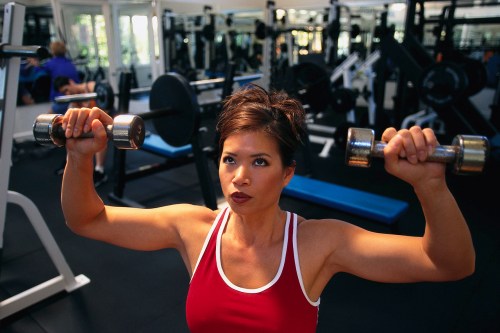
exercise for weight loss and management, dumbbells

At least he’s trying…

From UPI:

A new study proves that the old adage “use it or lose it” is definitely true when it comes to fitness.After just two weeks of sedentary behavior, formerly fit people had:

—A decline in heart and lung health

—Increased waist circumference

—Greater body fat and liver fat

—Higher levels of insulin resistance

Source: Study: Two weeks of no exercise enough to damage fit people’s bodies – UPI.com

It’s a small study, just 28 subjects, so may not be reproducible. But I bet it’s reliable.

Steve Parker, M.D.

Steve Parker MD, Advanced Mediterranean Diet

This life-changing book has an entire chapter on exercise. Click the pic to purchase at Amazon.com


Nuts May Prevent Age-Related Weight Gain

Remember…peanuts aren’t nuts, they’re legumes

From NPR:

Eating a handful of almonds, walnuts, peanuts or any type of nut on a regular basis may help prevent excessive weight gain and even lower the risk of obesity, new research suggests.

It may be that substituting healthy nuts for unhealthy snacks is a simple strategy to ward off the gradual weight gain that often accompanies aging, according to the researchers. Nuts also help us feel full longer, which might offset cravings for junk food.Researchers looked at the diet and weight of more than 280,000 adults taking part in three long-term research studies. Over more than 20 years of monitoring, participants were asked every four years about their weight and, among other things, how often, over the preceding year, they had eaten a serving (about one ounce) of nuts.

Source: Just A Handful Of Nuts May Help Keep Us From Packing On The Pounds As We Age : The Salt : NPR

Steve Parker, M.D.

PS: Both of my Mediterranean Diets include nuts.

Steve Parker MD, Advanced Mediterranean Diet

Is Rapamycin the Holy Grail of Anti-Aging Medicine?

MRI of brain

Rapamycin may prevent chronic age-related diseases like Alzheimer’s Disease. From P.D. Mangan who interviewed Alan S. Greeen, M.D., prescriber and user of the drug himself:

For many informed observers of anti-aging science and practice, rapamycin appears to be one of the most promising anti-aging treatments currently available. Originally (and still) used as an immunosuppressant for transplant patients, it’s been found to increase lifespan in lab animals.

Side effects of rapamycin are a problem, but it’s since been found that a transient (3-month) treatment with rapamycin can extend life expectancy up to 60%. More studies are needed to determine the dosing regimen with maximal efficacy and minimal side effects. Intermittent dosing at once every 5 days also extends lifespan in mice, and this “demonstrates that the anti-aging potential of rapamycin is separable from many of its negative side effects and suggests that carefully designed dosing regimens may permit the safer use of rapamycin and its analogs for the treatment of age-related diseases in humans. ” Note also that this dosing regimen wasn’t started until the mice were quite old, at 20 months, and it still extended lifespan.

The principal mechanism of action of rapamycin is the inhibition of the cellular nutrient sensor and growth regulator mTOR. In elderly humans, weekly dosing of an mTOR inhibitor (not rapamycin) increased immune function as measured by response to a flu vaccine.

Given all of this, rapamycin as it relates to the slowing or reversal of aging, is still an experimental drug. However, we will be waiting a long time, perhaps forever, for the FDA to approve rapamycin for anti-aging, and since it’s a generic drug, there’s little incentive for drug companies to pursue clinical trials. Meanwhile, many people have begun to realize that they could be dead before this treatment becomes recognized – again, if ever.

Source: Rapamycin Anti-Aging Medicine: An Update with Alan S. Green, M.D. – Rogue Health and Fitness

Mangan’s site is a trove of anti-aging strategies.

Steve Parker, MD.

Steve Parker MD, Advanced Mediterranean Diet

Click the pic to purchase at Amazon.com