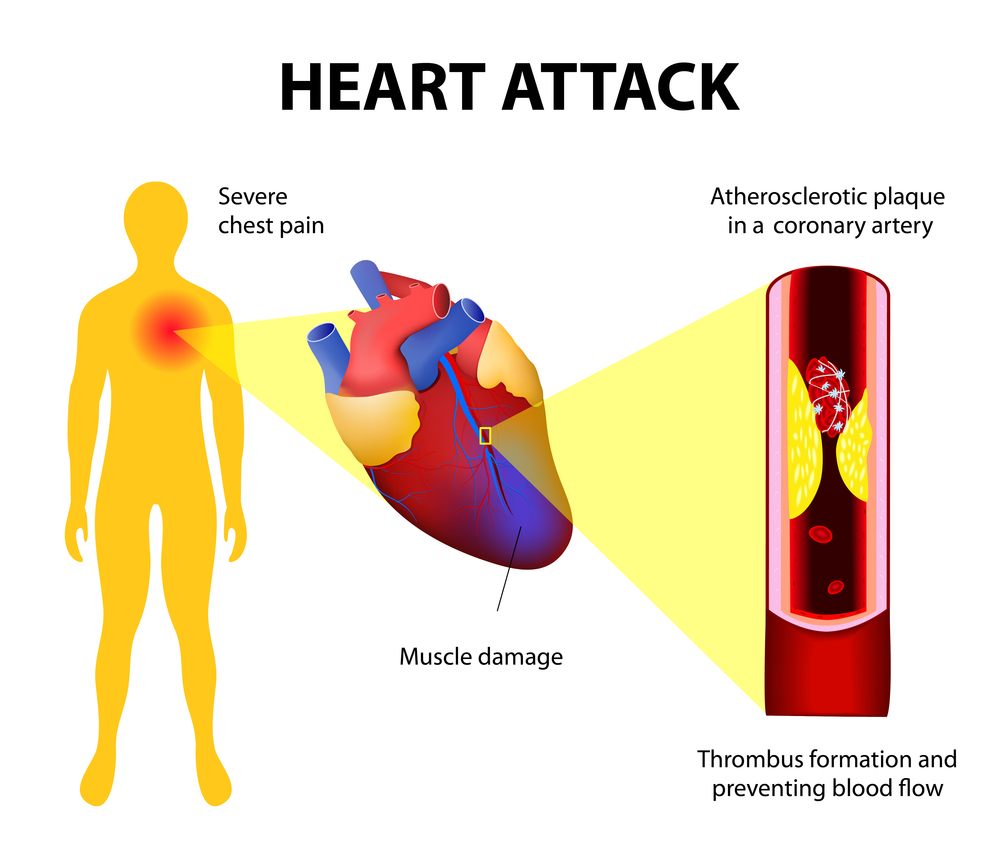
Ketogenic Diet May Prevent Cardiovascular Disease

In July, 2023, the journal Nutrients published a review of literature on the effect of ketogenic diets on cardiovascular disease. The abstract mentions potentially beneficial changes blood lipids, inflammation, blood pressure, etc., without going where the rubber meets the road: the effect on mortality and incidence of cardiovascular events in live humans. Click the link to see the entire article.

The Abstract:

“The most common and increasing causes of death worldwide are cardiovascular diseases (CVD). Taking into account the fact that diet is a key factor, it is worth exploring this aspect of CVD prevention and therapy. The aim of this article is to assess the potential of the ketogenic diet in the prevention and treatment of CVD. The article is a comprehensive, meticulous analysis of the literature in this area, taking into account the most recent studies currently available. The ketogenic diet has been shown to have a multifaceted effect on the prevention and treatment of CVD. Among other aspects, it has a beneficial effect on the blood lipid profile, even compared to other diets. It shows strong anti-inflammatory and cardioprotective potential, which is due, among other factors, to the anti-inflammatory properties of the state of ketosis, the elimination of simple sugars, the restriction of total carbohydrates and the supply of omega-3 fatty acids. In addition, ketone bodies provide “rescue fuel” for the diseased heart by affecting its metabolism. They also have a beneficial effect on the function of the vascular endothelium, including improving its function and inhibiting premature ageing. The ketogenic diet has a beneficial effect on blood pressure and other CVD risk factors through, among other aspects, weight loss. The evidence cited is often superior to that for standard diets, making it likely that the ketogenic diet shows advantages over other dietary models in the prevention and treatment of cardiovascular diseases. There is a legitimate need for further research in this area.”


Steve Parker, M.D.

PS: If you have the 2nd edition of The Advanced Mediterranean Diet, you already have my ketogenic Mediterranean diet.

Specific Diets That Lower CRP Levels May Prevent Chronic Diseases

Olive oil is a prominent component of the Mediterranean diet

C-reactive protein (CRP) is a bloodstream marker of body-wide inflammation. A prominent theory is that if your CRP is too high, it causes chronic disease states like hypertension, dementia, and cardiovascular disease. A 2024 meta-analysis published in British Journal of Nutrition looked at the effects of various diets on CRP. The implication is that your odds of developing particular chronic diseases is lowered if you adopt a diet that lowers your CRP. Check the Abstract below to see how your diet stacks up:

Adopting a healthy dietary pattern may be an initial step in combating inflammation-related chronic diseases; however, a comprehensive synthesis evaluating current evidence is lacking. This umbrella review aimed to summarise the current evidence on the effects of dietary patterns on circulating C-reactive protein (CRP) levels in adults. We conducted an exhaustive search of the Pubmed, Scopus and Epistemonikos databases, spanning from their inception to November 2023, to identify systematic reviews and meta-analyses across all study designs. Subsequently, we employed a random-effects model to recompute the pooled mean difference. Methodological quality was assessed using the A Measurement Tool to Assess Systematic Reviews 2 (AMSTAR 2) checklist, and evidence certainty was categorised as non-significant, weak, suggestive, highly suggestive or convincing (PROSPERO: CRD42023484917). We included twenty-seven articles with thirty meta-analyses of seven dietary patterns, fifteen of which (50 %) exhibited high methodological quality. The summary effects of randomised controlled trials (RCT) found that the Mediterranean diet was the most effective in reducing circulating CRP levels, followed by Vegetarian/Vegan and Energy-restricted diets, though the evidence was of weak quality. In contrast, Intermittent Fasting, Ketogenic, Nordic and Paleolithic diets did not show an inverse correlation with circulating CRP levels. Some results from combined interventional and observational studies, as well as solely observational studies, also agreed with these findings. These dietary patterns show the potential in reducing CRP levels in adults, yet the lack of high-quality evidence suggests future studies may alter the summary estimates. Therefore, further well-conducted studies are warranted.

Steve Parker, M.D.

“Resuscitating U.S. Healthcare” Book Now on Sale

I’d be much appreciative of some Amazon reviews of my 2024 book, Resuscitating U.S. Healthcare: An Insider’s Manifesto for Reform.

To make the book available to more readers, I just dramatically reduced the price at the U.S. Amazon store. $2.99 for the e-book (Kindle) or $9.95 for the paperback. If you’re curious, Amazon pays me $2.06 for each e-book sold, and $2.74 for the paperback.

I don’t care if you leave a favorable or bad review at Amazon. Just be honest. I’ll incorporate helpful and insightful criticism into the 2nd edition.

BTW, Luigi Mangioni’s manifesto was under 300 words. Mine’s about 35,000. But it’s a quick read.

Steve Parker, M.D.

“Dry January” Is Almost Over; Should You Extend It to 100 Days?

I don’t know Andrew Huberman’s credentials or reliability, but you might find the following helpful. I haven’t watched it yet and may never; it’s two hours.

QOTD: Evidence of Idiocracy or Lower Educational Standards?

Free Parthenon, Athens, Greece photo“/ CC0 1.0

In 100 years we have gone from teaching Latin and Greek in high schools to teaching Remedial English in college.

Joseph Sobran

Another sentence from the linked article above:
” A recent meta-analysis found that while the average American undergraduate in 1960 had an IQ of 120, the figure has now sunk to 102, equal to that of the average white American. There is no longer anything “higher” about higher education.”

Food for thought.

Steve Parker, M.D.

PS: I didn’t vote in the last U.S. Presidential election, but if I did it would have been a write-in for Dwayne Elizondo Mountain Dew Herbert Comacho.

Merry Christmas: Peace on Earth and Good Will to all Men

From the Holy Bible (NIV), Matthew 22:36-40:

36 “Teacher, which is the greatest commandment in the Law?”

37 Jesus replied: “‘Love the Lord your God with all your heart and with all your soul and with all your mind.’ 38 This is the first and greatest commandment. 39 And the second is like it: ‘Love your neighbor as yourself.’[ 40 All the Law and the Prophets hang on these two commandments.”

Or if you prefer, click for a written account of The Christmas Truce of 1914.

Have You Heard of “Dry January”?

See you in February. Or not.

I’ve run across a number of people who slowly increased their alcohol consumption over months or years, not realizing it was causing or would cause problems for them. Alcohol is dangerous, lethal at times.

From a health standpoint, the generally accepted safe levels of consumption are:

  • no more than one standard drink per day for women
  • no more than two standard drinks per day for men

One drink is 5 ounces of wine, 12 ounces of beer, or 1.5 ounces of 80 proof distilled spirits (e.g., vodka, whiskey, gin).

Dry January was conceived in the UK in 2012 or 2014. (A related concept is Sober October.) The idea is simply to abstain from all alcohol for the month of January. The Alcohol Change UK website can help you git ‘er done. Many folks notice that they sleep better, have more energy, lose weight, and save money. There are other potential benefits.

If you think you may have an unhealthy relationship with alcohol, check your CAGE score. It’s quick and easy.

Alternatively, if you make a commitment to a Dry January but can’t do it, you may well have a problem.

Steve Parker, M.D.

Wonderful Music and Art: It May Help Control Your High Blood Pressure

Check your blood pressure and pulse, watch this video, then re-check your numbers.

Steve Parker, M.D.

Should We Convert U.S. Health Insurance Into True Insurance?

William M. Briggs thinks that would be a great idea. He starts with this explanation:

Health Insurance should be, but isn’t, a bet you make that you hope you lose.

It has become instead an inefficient form of socialized medicine, increasing costs. Here’s how.

Here’s what insurance should be. You bet with an Insurer that you get cancer, say. If you get it, the Insurer pays costs of care X. If you lose and remain cancer free, you pay Y. You re-bet every month (or whatever). You pay Y every time you lose. The X and Y are negotiated between you and the Insurer, and the risk of cancer is decided by you and separately by the Insurer. That is the bare bones of true Insurance. Or, indeed, of any bet.

You can also group diseases, say cancer and CHF. Then you pay Y_1 + Y_2 (say) and the costs are X_1 + X_2. The result is a contract bet just the same. But with higher stakes for both.

Suppose you already have cancer and bet the Insurer you won’t get it. You immediately win the bet! The Insurer must pay X.

How much should the Insurer charge you for this sure-thing bet? X. After all, your “pre-existing condition” is a sure-thing bet the Insurer is bound to lose. There is no sense in you making the bet.

Unless a Ruler steps in and says “Insurer, you must take this bet!” Which, of course, happens. Then the Insurer must spread the costs of X to others.

If the Insurer doesn’t spread the costs, he has sure loss (assuming calibrate bets, about which more later). Which means if you bet you have cancer when you do, when your neighbor makes a bet for cancer when he doesn’t have it, he must pay Y+S, where S represents the spread. The more people in the system, the smaller S is.

Voilà! With coverage mandates Insurance automatically becomes socialized medicine. Very inefficient, too, because not only are we paying a private entity to manage this, and take his profits, we pay bureaucrats to monitor it all. Costs must increase. Health care won’t get better, but costs must rise. 

It’s worse than all this, too!

RTWT. I discuss the pros and cons of this approach in my new book below.

Steve Parker, M.D.

Is Ozempic Banned in Europe??!!

In the video below, JP implies that it is. He’s technically correct in that it is banned in some European countries according to a January 2024 article at HealthNews. Ozempic and Wegovy are brand names for the same drug: semaglutide, a GLP-1 receptor agonist. Wegovy is FDA-approved for treatment of certain folks with obesity whereas Ozempic is FDA-approved for treatment of type 2 diabetes.

I understand the superficial appeal of drug-induced weight management: no need to fool with exercise and dietary restriction.

Steve Parker, M.D.