#COVID19 Vaccine Manufacturers Won’t Take Responsibility for Adverse Effects

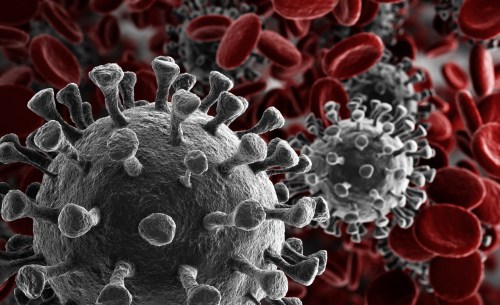
artist rendition of coronavirus
Artist’s rendition of coronavirus

Developing safe and effective vaccines is a costly and expensive endeavor. One way to motivate vaccine manufacturers is to guarantee up front that governments will purchase large quantities of vaccine. From NEJM:

Equally important is offering companies protection against potentially substantial liability should Covid-19 vaccines cause real or perceived injuries to recipients. Manufacturers won’t agree to procurement contracts or ship vaccine without liability protection. According to an AstraZeneca executive, for example, in the company’s bilateral contracts, it has been granted protection against legal claims arising from the use of its vaccine products, since it “cannot take the risk” of liability. As early as 2006, the International Federation of Pharmaceutical Manufacturers and Associations, the global pharmaceutical-industry lobbying group, publicly demanded that manufacturers be granted protection from lawsuits associated with vaccine-related adverse events if they were going to participate in pandemic responses. In the United States, the Public Readiness and Emergency Preparedness Act provides manufacturers immunity from lawsuits related to injuries caused by vaccines, with narrow exceptions. People injured by Covid-19 vaccines must file claims with a fund administered by the Department of Health and Human Services.

For a vaccine that will most likely be distributed worldwide, there is an inevitable risk of serious adverse events, such as seizures and allergic reactions, even with a very safe product. Such events might not begin surfacing until a substantial number of people have been vaccinated. During the 2009 H1N1 influenza pandemic, the incidence of serious adverse events after immunization varied by country. In the United States, the Vaccine Adverse Event Reporting System received reports of such events at a rate of 2.45 per 100,000 doses. China’s equivalent surveillance system found that 1083 of the 8067 adverse events recorded (1.21 per 100,000 doses) were serious. Compensation costs also varied. One H1N1 vaccine that contained an adjuvant was associated with an increased risk of narcolepsy, which resulted in substantial compensation claims in Northern European countries.

Source: No-Fault Compensation for Vaccine Injury — The Other Side of Equitable Access to Covid-19 Vaccines | NEJM

So the vaccine manufacturers smartly offload the liability risk onto governments. The manufacturers don’t mind at all if fears of COVID-19 are overblown: they sell more vaccine in that environment. Looking at all comers, the risk of death or serious adverse effects from COVID-19 are under 0.5% for an individual. The full risks of an adverse effect from a vaccine may not be known for several years after release. This is why so many folks will be reluctant to take the vaccine. The risk:benefit ratio will vary with your age and co-morbidities. For instance, an obese 70-year-old with diabetes, heart failure, and emphysema may benefit from the vaccine very much more than a healthy 25-year-old.

Steve Parker, M.D.

PS: Reduce your risk of death by getting and staying as healthy as possible. Let me help:
front cover of paleobetic diet

Click to purchase at Amazon.com. E-book also available at Smashwords. com.
How to Have a Virus-Free Thanksgiving #COVID19 #Coronavirus

thanksgiving, turkey, family
No masks and no social distancing

Click for the Centers for Disease Control’s advice. Like don’t travel. Six-foot social distancing. Have guests (risky!) bring their own food, beverages, and utinsils. Eat outdoors.

My family will be ignoring many of many of the CDCs tips. We’ve invited an elderly couple over to the house, and they’re not very healthy. My son and stepson are coming in from out of town. We’re eating indoors.

But we’ll wash our hands more than usual.

I’m wishing you an happy and healthy Thanksgiving with people you love. You can’t be sure when or if you’ll see them again.

Steve Parker, M.D.

front cover of paleobetic diet

Click to purchase at Amazon.com. E-book also available at Smashwords. com.

Ketogenic Diet Dramatically Reduces Liver Fat in Non-Alcoholic Fatty Liver Disease #NAFLD

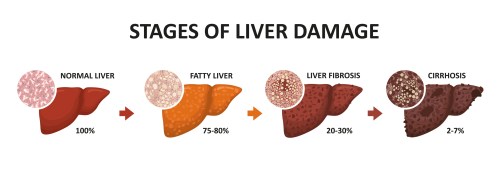
stages of liver damage
<p class="has-drop-cap" value="<amp-fit-text layout="fixed-height" min-font-size="6" max-font-size="72" height="80">Excessive fat accumulation in the liver is also referred to as fatty liver or hepatic steatosis. When enough fat accumulates, it starts hurting the liver, then we call it non-alcoholic fatty liver disease (NAFLD). This can lead to cirrhosis in which scar tissue replaces healthy liver cells, and is one of the leading reasons for liver transplantation. Experts debate which is the best diet for reducing liver fat, but nearly all agree that losing overall excess body weight is helpful, assuming a well-designed diet that avoids nutritional deficiencies. Excessive fat accumulation in the liver is also referred to as fatty liver or hepatic steatosis. When enough fat accumulates, it starts hurting the liver, then we call it non-alcoholic fatty liver disease (NAFLD). This can lead to cirrhosis in which scar tissue replaces healthy liver cells, and is one of the leading reasons for liver transplantation. Experts debate which is the best diet for reducing liver fat, but nearly all agree that losing overall excess body weight is helpful, assuming a well-designed diet that avoids nutritional deficiencies.

Fat in the liver and elsewhere in the body is composed almost entirely of molecules called triglycerides. When you lose fat weight, you’re converting the triglycerides into energy your body can use.

<p value="<amp-fit-text layout="fixed-height" min-font-size="6" max-font-size="72" height="80">Here's a study that found dramatic results in just six days:Here’s a study that found dramatic results in just six days:

Ketogenic diet is an effective treatment for nonalcoholic fatty liver disease (NAFLD). Here, we present evidence that hepatic mitochondrial fluxes and redox state are markedly altered during ketogenic diet-induced reversal of NAFLD in humans. Ketogenic diet for 6 d markedly decreased liver fat content and hepatic insulin resistance. These changes were associated with increased net hydrolysis of liver triglycerides and decreased endogenous glucose production and serum insulin concentrations.

Source: Effect of a ketogenic diet on hepatic steatosis and hepatic mitochondrial metabolism in nonalcoholic fatty liver disease

Steve Parker, M.D.

The Ketogenic Mediterranean Diet is incorporated into the Advanced Mediterranean Diet, 2nd edition.

front cover of paleobetic diet

Click to purchase at Amazon.com. E-book also available at Smashwords. com.

Image

Seen at my Local AnyTime Fitness #Humor

The Electoral College Declares the President-Elect, Not the Mainstream Media

I’m neither a Republican nor Democrat and this is not a political blog. However I do have at least a little concern that the recent U.S. presidential election was influenced by fraudulent “voting.” Investigations are underway and maybe we’ll have an answer by Dec 14, 2020, the deadline for the electoral college to declare a clear and legal winner. I’m reproducing these tweets here, hoping that they’ll be preserved even if Twitter decides to censor and delete them. Twitter would not allow me to copy one of President Trump’s tweets of Nov 7.

On a lighter note, here’s a pic of a jade plant started from a clipping from an outdoors jade plant from Oceanside, CA, from summer of 2019. It has tripled size since then, but does not do well in 100+ degree heat.

No Big Difference Among Popular Diets

The french fries and 40 diet

From MedPage Today:

When it comes to choosing among popular diets, patients might as well choose the one they like. The diets all result in modest weight loss and their differences generally disappear at 12 months, scientists said.

The meta-analysis of 121 randomized clinical trials comparing 14 popular diets found that the top three in terms of mean weight loss and blood pressure reductions at 6 months were Atkins (5.5 kg, 5.1 mm Hg systolic); Zone (4.1 kg, 3.5 mm Hg); and DASH (3.6 kg, 4.7 mm Hg), reported Bradley Johnston, PhD, of McMaster University in Hamilton, Ontario, and colleagues.

However, as shown in the study online in The BMJ, the other popular diets were associated with some degree of weight loss and blood pressure improvement at 6 months, on the order of 2-3 kg for body weight and 3-4 mm Hg for systolic blood pressure.

By 12 months, the effects had diminished to the degree that the differences between diets were negligible, the team said.

None of the popular diets were associated with significant reductions in lipids, with the notable exception of the Mediterranean diet, for which there was a mean 4.59 mg/dL reduction in low-density lipoprotein (LDL) cholesterol at 6 months. The Mediterranean diet was also notable in that this effect did not diminish at 12 months, the researchers said.

Source: Study: No Big Difference Among Popular Diets | MedPage Today

Diets don’t work if you don’t follow them. Compliance drops off dramatically after 6-12 months. People go back to their old ways of eating and regain the last weight.

Steve Parker, M.D.

PS: The Advanced Mediterranean Diet is not popular. But if you don’t follow it, you’ll gain back the lost weight.

front cover of paleobetic diet

Click to purchase at Amazon.com. E-book also available at Smashwords. com.
Anna Lee’s 10 Tips for Weight Loss

She’s smart and “on the money.” The only additional advice I’d give is to do resistance training, aka weight training.

More about Anna Lee’s transformation:

front cover of paleobetic diet

Click to purchase at Amazon.com. E-book also available at Smashwords. com.

How Effective Is Remdesivir for #Covid19 ?  #CoronaVirus 

artist rendition of coronavirus
Are you tired of this pic yet?

At the hospital where I work, the active treatment options we have for COVID-19 are dexamethasone, convalescent plasma, and remdesivir.

From NEJM:

In an analysis that used a proportional-odds model with an eight-category ordinal scale, the patients who received remdesivir were found to be more likely than those who received placebo to have clinical improvement at day 15 (odds ratio, 1.5; 95% CI, 1.2 to 1.9, after adjustment for actual disease severity). The Kaplan–Meier estimates of mortality were 6.7% with remdesivir and 11.9% with placebo by day 15 and 11.4% with remdesivir and 15.2% with placebo by day 29 (hazard ratio, 0.73; 95% CI, 0.52 to 1.03). Serious adverse events were reported in 131 of the 532 patients who received remdesivir (24.6%) and in 163 of the 516 patients who received placebo (31.6%).

CONCLUSIONS

Our data show that remdesivir was superior to placebo in shortening the time to recovery in adults who were hospitalized with Covid-19 and had evidence of lower respiratory tract infection.

Source: Remdesivir for the Treatment of Covid-19 — Final Report | NEJM

Steve Parker, M.D.

PS: Obesity is linked to increase risk of COVID-19. Let me help.

front cover of paleobetic diet

Click to purchase at Amazon.com. E-book also available at Smashwords. com.
Altering the omega-6/omega-3 fatty acid ratio reduces liver fat in obese adolescents

salmon, salad
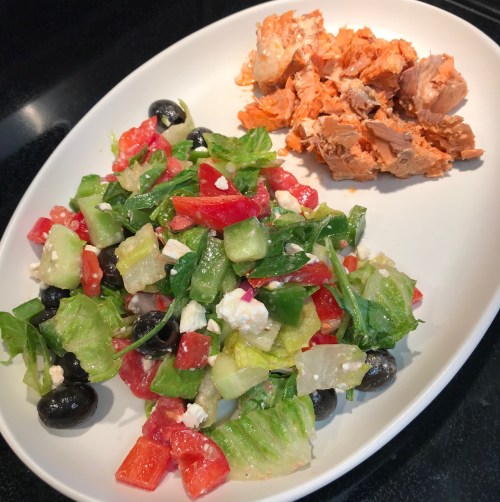
Greek salad with canned salmon. Salmon is one of the cold-water fatty fish.

Omega-6 fatty acids predominate in vegetable oils, including soybean oil. Omega-3 fatty acids, on the other hand, are concentrated in cold-water fatty fish. Some experts believe that excessive consumption of omega-6 fatty acids is inflammatory, contributing to chronic diseases of civilization.

The usual U.S. omega-6/omega-3 fatty acid diet ratio is 15:1. The study at hand altered that to 4:1. That is, they reduced omega-6 or increased omega-3 fatty acid consumption over 12 weeks.

I’ve written about fatty liver disease many times (use search box in interested). The worst outcome is chronic inflammation leading to cirrhosis.

liver disease, hepatic steatosis, NASH
Stages of liver damage. Healthy, fatty, liver fibrosis and cirrhosis. Vector illustration

The study at hand suggests that reducing dietary omega-6 fatty acids and increasing omega-3s can help reverse fat build-up in the liver, at least in obese adolescents.

From a poster presentation published by the American Diabetes Association:

Recent literature suggests that the dietary imbalance between high omega-6 (n6) and low omega-3 (n3) polyunsaturated fatty acids (PUFA) intake, characteristic of the Western diet (average ratio 15:1), leads to development of fatty liver disease. We aimed to determine whether 12 weeks of a low n6/n3 PUFA ratio (4:1) normo-caloric diet might impact fatty liver (MRI assessed hepatic fat content ≥5.5%). Twenty obese adolescents with fatty liver were recruited (13.2±2.9y). Abdominal MRI and OGTT were performed at baseline and after 12-weeks intervention, the oxidized derivatives of linoleic acid (OXLAM) were measured every 4 weeks to assess compliance. Food was supplied to participants isocaloric to their pre-study diet. To control for weight change variable, weight was maintained stable throughout the study. Seventeen adolescents completed the study. After 12 weeks HFF%, decreased of about 26% (Figure 1). There was also a significant decrease in plasma concentrations of ALT (Figure 1), triglycerides (p=0.04) cholesterol (p=0.03), LDL (p=0.07) and an improvement of whole-body insulin resistance (p=0.01). There was a significant decrease of the OXLAM, 9- and 13-HODE (p=0.03 and p=0.01, respectively) and 9- and 13-oxo-ODE (p=0.05 and p=0.01, respectively). These data suggest that, independent of weight loss, a low n6/n3 PUFA diet is effective to ameliorate the metabolic phenotype of adolescents with fatty liver disease.

Source: 772-P: Effect of a Low n6/n3 PUFA Diet on Intrahepatic Fat Content in Obese Adolescents | Diabetes

Steve Parker, M.D.

PS: The Mediterranean diet traditionally is low in omega-6 and rich with omega-3 fatty acids.

front cover of paleobetic diet

Click to purchase at Amazon.com. E-book also available at Smashwords. com.

Does Vitamin D Help Prevent and Fight #COVID19 ? #Coronavirus

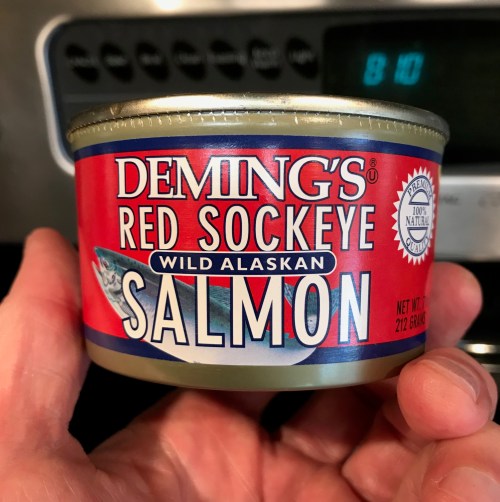
canned salmon
Dietary sources of vitamin D include cold-water fatty fish, red meat, liver, egg yolks, and some fortified foods. Of course, you can make your own vitamin D with enough skin exposure to sunlight.

Maybe. At vitamin D is relatively cheat and many folks are deficient in vitamin D yet don’t know it. From The Journal of Nutrition:

As others have mentioned, it is unlikely that one silver bullet will end the COVID-19 pandemic; however, evidence-based recommendations can be made that may reduce the risk of a severe response to SARS-CoV-2 infection or viral reactivation. Simpson and Katsanis have reported the benefits of exercising during the COVID-19 pandemic that was based on the evidence they found in their spaceflight research. We recommend that people maintain optimal vitamin D status to support immune function and lower their risk of viral reactivation, a recommendation that also comes from our National Aeronautics and Space Administration (NASA)–funded research. We are not advocating for ultra-high doses of vitamin D supplementation because of possible side effects, but rather a level of supplementation that will prevent vitamin D deficiency and maintain serum concentrations >30 ng/mL. We determined from our Antarctic research that doses of 1000–2000 IU/d, which are within IOM guidelines, are likely sufficient. Modifiable measures such as these may have the potential to safely and easily offer some protection and reduce risk.

Source: Vitamin D and COVID-19: Lessons from Spaceflight Analogs | The Journal of Nutrition | Oxford Academic

Steve Parker, M.D.

PS: The Advanced Mediterranean diet promotes cold-water fatty fish consumption. But it’s not a requirement.

front cover of paleobetic diet

Click to purchase at Amazon.com. E-book also available at Smashwords. com.