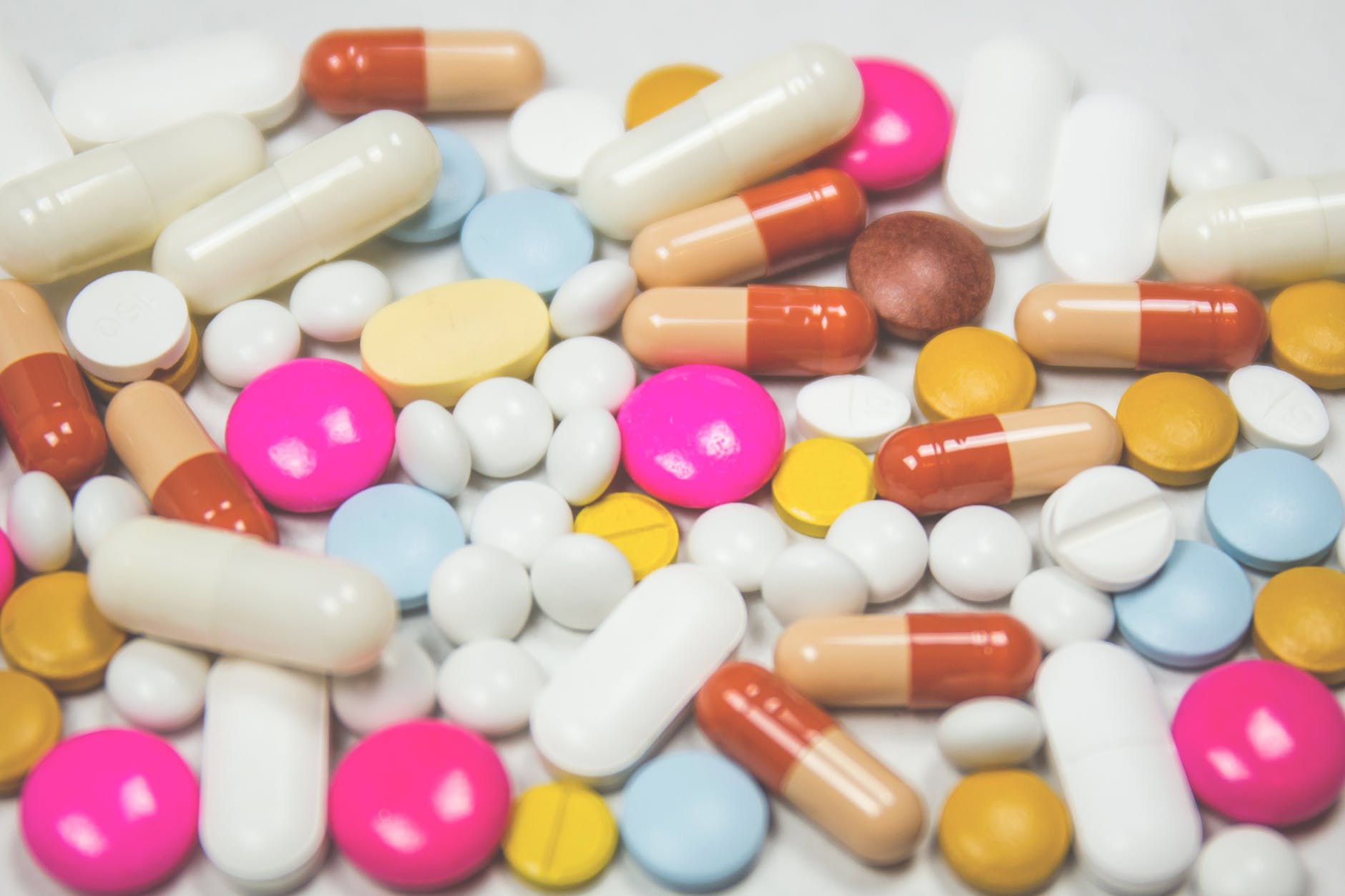
The Justice Department alleges Walmart violated federal law by selling thousands of prescriptions for controlled substances that its pharmacists “knew were invalid,” said Jeffrey Clark, the acting assistant attorney general in charge of the Justice Department’s civil division.
Federal law required Walmart to spot suspicious orders for controlled substances and report those to the Drug Enforcement Administration, but prosecutors charge the company didn’t do that.
This could get interesting. Questions immediately arise:
Are the Feds trying to deflect blame from themselves?
Did Walmart fail to make adequate political contributions and/or bribes?
Pharmacists, not pharmacies, are supposed to be on the lookout for illegitimate prescriptions. Where do they stand in this?
Will the customers or “patients” be let off the hook?
Is this just a bold career move by a stagnant Justice Department bureaucrat?
Are the Feds trying to extort Walmart to help reduce the federal deficit?
Are you addicted to opioids and want to tape off and quit? Click for one method.
Posted onDecember 29, 2020|Comments Off on Blood Pressure Lowering Barely Lowered the Incidence of Dementia in New Meta-Analysis
“C’mon now! Let’s go Mediterranean before it’s too late.”
I haven’t read the entire article below and probably won’t ever. It will be used to promote treatment of mild to moderate hypertension in order to prevent dementia, despite cost and drug side effects. Results are distinctly unimpressive. Four years of drug therapy reduced the incidence of dementia and cognitive decline by less than 1%.
I was expecting and hoping for a much more significant reduction. Nevertheless, anti-hypertensive drug therapy is pretty well established as an effective preventative for cardiovascular disease, including stroke.
From JAMA Network:
Fourteen randomized clinical trials were eligible for inclusion (96 158 participants), of which 12 reported the incidence of dementia (or composite of dementia and cognitive impairment [3 trials]) on follow-up and were included in the primary meta-analysis, 8 reported cognitive decline, and 8 reported changes in cognitive test scores. The mean (SD) age of trial participants was 69 (5.4) years and 40 617 (42.2%) were women. The mean systolic baseline blood pressure was 154 (14.9) mm Hg and the mean diastolic blood pressure was 83.3 (9.9) mm Hg. The mean duration of follow-up was 49.2 months. Blood pressure lowering with antihypertensive agents compared with control was significantly associated with a reduced risk of dementia or cognitive impairment (12 trials; 92 135 participants) (7.0% vs 7.5% of patients over a mean trial follow-up of 4.1 years; odds ratio [OR], 0.93 [95% CI, 0.88-0.98]; absolute risk reduction, 0.39% [95% CI, 0.09%-0.68%]; I2 = 0.0%) and cognitive decline (8 trials) (20.2% vs 21.1% of participants over a mean trial follow-up of 4.1 years; OR, 0.93 [95% CI, 0.88-0.99]; absolute risk reduction, 0.71% [95% CI, 0.19%-1.2%]; I2 = 36.1%). Blood pressure lowering was not significantly associated with a change in cognitive test scores.
Conclusions and Relevance
In this meta-analysis of randomized clinical trials, blood pressure lowering with antihypertensive agents compared with control was significantly associated with a lower risk of incident dementia or cognitive impairment.
Posted onDecember 27, 2020|Comments Off on Should You Consider a “Dry January”?
Goodbye to you. Maybe see you in February.
I’ve run across a number of people who slowly increased their alcohol consumption over months or years, not realizing it was causing or would cause problems for them. Alcohol is dangerous, lethal at times.
From a health standpoint, the generally accepted safe levels of consumption are:
no more than one standard drink per day for women
no more than two standard drinks per day for men
One drink is 5 ounces of wine, 12 ounces of beer, or 1.5 ounces of 80 proof distilled spirits (e.g., vodka, whiskey, gin).
Dry January was conceived in the UK in 2012 or 2014. The idea is simply to abstain from all alcohol for the month of January. The Alcohol Change UK website can help you git ‘er done. Many folks notice that they sleep better, have more energy, lose weight, and save money. There are other potential benefits.
If you think you may have an unhealthy relationship with alcohol, check your CAGE score. It’s quick and easy.
Alternatively, if you make a commitment to a Dry January but can’t do it, you may well have a problem.
PS: I did the Dry January in January 2020. The only definite change I saw was that I was more productive. E.g., I blogged more regularly, worked out a bit more. The lesson for me is that alcohol makes me a little lazy. At three weeks in, I started thinking maybe I was able to fall asleep sooner but still woke up often, as usual. I also lost three pounds of body weight fat, but had consciously cut back on food intake.
Mediterranean diet (MD) has been related to reduced overall mortality and improved diseases’ outcome. Purpose of our study was to estimate the impact of MD on duration of admission, financial cost and mortality (from hospitalization up to 24 months afterwards) in elderly, hospitalized patients.
Research Methods & Procedures:
One hundred eighty three elderly patients (aged >65 years), urgently admitted for any cause in the Internal Medicine department of our hospital, participated in this observational study. Duration of admission and its financial cost, mortality (during hospitalization, 6 and 24 months after discharge), physical activity, medical and anthropometric data were recorded and they were correlated with the level of adherence to MD (MedDiet score).
Results:
In multivariate analyses, duration of admission decreased 0.3 days for each unit increase of MedDiet score (p<0.0001), 2.1 days for each 1g/dL increase of albumin (p=0.001) and increased 0.1 days for each day of previous admissions (p<0.0001). Extended hospitalization (p<0.0001) and its interaction with MedDiet score (p=0.01) remained the significant associated variables for financial cost. Mortality risk increased 3% per each year increase of age (HR=1.03, p=0.02), 6% for each previous admission (HR=1.06, p=0.04) whereas it decreased 13% per each unit increase of MedDiet score (HR=0.87, p<0.0001).
Conclusion:
Adoption of MD decreases duration of admission and long-term mortality in elderly hospitalized patients with parallel reduction of relevant financial cost.
The clinical efficacy and utility of ivermectin in SARS CoV-2 infected patients are unpredictable at this stage, as we are dealing with a completely novel virus. However, repurposing existing drugs as possible COVID-19 treatment is astute usage of existing resources, and we await results of well-designed large scale randomized controlled clinical trials exploring treatment efficacy of ivermectin to treat SARS-CoV-2.
The authors of this letter mention current clinical trials (~38) with a dose [presumably by mouth] ranging from 200 to 1200 mcg/kg body weight, for a duration of 3–7 days, which is showing promising results both in terms of symptoms as well as viral load reduction. Another article mentioned the usual treatment dose is 0.2mg/kg on day 1 and day 3 followed by Days 6 and 8 if not recovered.
The authors cite the Broward Health hospital system study from South Florida. In this small pilot study, hospitalized patients treated with ivermectin had a better survival rate compared with “standard care,” whatever that was back in Spring 2020. The ivermectin-treated patients received “at least one dose” of the drug at 200 mcg/kg, by mouth. Has this report been peer-reviewed and published yet? If not, why not? (Update on Sept 3, 2021: the article was published in Chest in Oct 2020. The protocol was a single dose of ivermectin 200 microgram/kg by mouth, presumably early in hospitalization, with a second dose seven days later at the discretion of the physician.)
Moving on…
One small study (probably 60 each in the treatment and placebo groups) found that 12 mg ivermectin by mouth once a month impressively protected healthcare workers against COVID-19.
Another study: “Two-dose ivermectin prophylaxis at a dose of 300 μg/kg with a gap of 72 hours was associated 73% reduction of COVID-19 infection among [hospital] healthcare workers for the following one-month. Further research is required before its large scale use.”
A small study in Barcelona found no benefit from a single standard dose (200 mcg/kg) of ivermectin in patients hospitalized with severe disease. They suggest that a higher dose might be useful.
I’ve spent about 90 minutes on my day off trying to figure out if I should prescribe ivermectin to my hospitalized patients. My conclusion is that we need more and better data before it’s ready for prime time. I agree with Dr Ananda Swaminathan, who probably spent many hours more on the subject:
Evidence for the use of Ivermectin is based on in vitro [lab studies, not living animals], prophylaxis, clinical, safety, and large-scale epidemiologic studies (heterogenous populations in multiple different settings) BUT…
Many of the trials thus far are methodologically flawed without enough information about baseline demographics, multiple primary outcomes, soft/subjective outcomes, convenience samples, and unclear definitions, just to name a few
Additionally, a valid concern in evaluating the literature is that many of the trials have not yet passed the peer review process and are in pre-print format
Although Ivermectin is cheap, readily available, with a fairly safe side effect profile, based on the evaluation of the literature above, at this time, Ivermectin should not be recommended outside of a clinical trial to ensure we get a true answer of effect
Ivermectin is interesting, there is certainly signal to evaluate further, but in our desire to want a treatment option, let’s not continue to do the same thing over and over again, as we saw play out with Hydroxychloroquine
Like they say, “more studies are needed.”
Steve Parker, M.D.
PS: Something you can do to help prevent and survive COVID-19 is to get and stay as healthy as possible. Let me help:
Posted onDecember 10, 2020|Comments Off on Where Do You Go For Satisfaction After Injury by the New COVID-19 Vaccine?
No, you won’t have to inject the vaccine yourself
I know it’s a little early to be asking that question. Within a year, an unknown number of you will be asking. Where do you go for satisfaction? The “National Vaccine Injury Compensation Program.” Forget about suing the vaccine manufacturer, distributor, or medical practitioner who jabbed you. They got the federal government to absolve them of liability in most cases.
As far as I know, this program only applies to U.S. residents. Perhaps only U.S. citizens.
The following is verbatim from the NVICP web page, not my words:
Vaccines save lives by preventing disease.
Most people who get vaccines have no serious problems. Vaccines, like any medicines, can cause side effects, but most are very rare and very mild. Some health problems that follow vaccinations are not caused by vaccines.
In very rare cases, a vaccine can cause a serious problem, such as a severe allergic reaction.
In these instances, the National Vaccine Injury Compensation Program (VICP) may provide financial compensation to individuals who file a petition and are found to have been injured by a VICP-covered vaccine. Even in cases in which such a finding is not made, petitioners may receive compensation through a settlement.
How does the VICP work?
The National Vaccine Injury Compensation Program is a no-fault alternative to the traditional legal system for resolving vaccine injury petitions.
It was created in the 1980s, after lawsuits against vaccine companies and health care providers threatened to cause vaccine shortages and reduce U.S. vaccination rates, which could have caused a resurgence of vaccine preventable diseases.
Any individual, of any age, who received a covered vaccine and believes he or she was injured as a result, can file a petition. Parents, legal guardians and legal representatives can file on behalf of children, disabled adults, and individuals who are deceased.
What is the process?
An individual files a petition with the U.S. Court of Federal Claims.
The U.S. Department of Health and Human Services medical staff reviews the petition, determines if it meets the medical criteria for compensation and makes a preliminary recommendation.
The U.S. Department of Justice develops a report that includes the medical recommendation and legal analysis and submits it to the Court.
The report is presented to a court-appointed special master, who decides whether the petitioner should be compensated, often after holding a hearing in which both parties can present evidence. If compensation is awarded, the special master determines the amount and type of compensation.
The Court orders the U.S. Department of Health and Human Services to award compensation. Even if the petition is dismissed, if certain requirements are met, the Court may order the Department to pay attorneys’ fees and costs.
The special master’s decision may be appealed and petitioners who reject the decision of the court (or withdraw their petitions within certain timelines) may file a claim in civil court against the vaccine company and/or the health care provider who administered the vaccine.
Parker here again. I’d never heard of a “special master” before. Makes me think you’re a slave when you enter the system. I searched the “covered vaccines” but didn’t see the COVID-19 vaccines. But I bet they’re covered.
Don’t label me as anti-vaccine in general. I am not. As a child I got the vaccines for polio, measles, mumps, rubella, tetanus, and probably diphtheria, maybe others. I took the hepatitis B vaccine as an adult because I’m exposed to blood from my patients. I’m due for another tetanus booster and will take it without reservation.
I’ve got risk factors for more serious COVID-19 disease: age 66 and hypertension. After reviewing what little data are available from the Warp Speed vaccine trials, I’m not convinced the vaccines are safe enough for me. I’ll take my chances with the virus rather than the vaccine. I’m not afraid of dying from COVID-19; if that happens I’ll be in heaven with Jesus. I’ve lived a full and lucky life, blessed by a wonderful wife, fantastic children, good health, missed Viet Nam by a few years, no major economic upheaval. My biggest concern about catching the virus is the burden it would lay on my co-workers if I’m off-duty for 1 to 3 weeks.
That said, if I were older and had other co-morbidities, I might take the vaccine now. When we have more long-term data on vaccine safety, I might take the vaccine. It could take up to a couple years before we have that data.
Steve Parker, M.D.
PS: I’m doing everything I can to optimize my health and immune system, including weight management and regular exercise.
I’m wrong about the NVICP compensating you financially if injured but the current COVID-19 vaccines. The correct program seems to be the CICP: Countermeasures Injury Compensation Program. File your claim within a year of vaccination.
Posted onDecember 9, 2020|Comments Off on Will Your Proton Pump Inhibitor Cause Dementia?
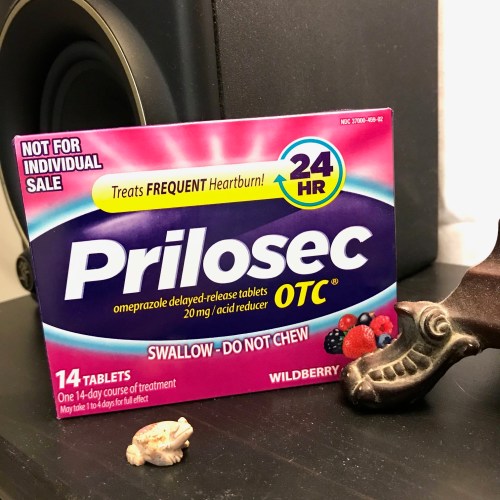
I have nothing against Prilosec in particular. It can be very helpful.
We have two major classes of drugs that reduce acid production by the stomach. The first was H2 blockers, the granddaddy being Tagamet (cimetidine). Tagamet was the first PPI (proton pump inhibitor) on the market in the U.S., probably 25-30 years ago. Several H2 blockers are are available without a prescription. The second and later class of acid-reducing drugs is the PPI. These are more potent than H2 blockers. Because of H2 blockers and PPIs, and the discovery that H. pylori causes many ulcers, we have many fewer patients requiring surgery for upper gastrointestinal ulcers. Surgery like vagotomy and pyloroplasty. Once the ulcer heals, most folks don’t need to take a PPI for the rest of their lives.
There are reasons our stomachs produce acid. One is that the acid helps kill pathogens in our food before they make us sick. Another is to start the digestion of proteins we eat. You can imagine that drastically reducing stomach acid production has some potential adverse effects.
A German population study a few years ago linked PPI usage with higher risk of dementia.
A total of 73,679 participants 75 years of age or older and free of dementia at baseline were analyzed. The patients receiving regular PPI medication (n = 2950; mean [SD] age, 83.8 [5.4] years; 77.9% female) had a significantly increased risk of incident dementia compared with the patients not receiving PPI medication (n = 70,729; mean [SD] age, 83.0 [5.6] years; 73.6% female) (hazard ratio, 1.44 [95% CI, 1.36-1.52]; P < .001).
“Sweat Pea, why don’t you ask you doctor if it’s safe to stop that PPI you’ve been taking for the last six months?”
The avoidance of PPI medication may prevent the development of dementia. This finding is supported by recent pharmacoepidemiological analyses on primary data and is in line with mouse models in which the use of PPIs increased the levels of β-amyloid in the brains of mice. Randomized, prospective clinical trials are needed to examine this connection in more detail.
I don’t know about Germany, but there’s evidence that the incidence of dementia has been decreasing lately in the U.S. I’m guessing that the use of PPIs has been increasing over the last couple decades. So this doesn’t fit with the PPI-dementia theory.
Posted onNovember 30, 2020|Comments Off on CA Filipino Nurses in Hospitals Disproportionately Affected By #COVID19 #Coronavirus
New York Governor Cuomo was sending COVID-19 patients to nursing homes from the hospital, to help spread the infection, I guess.
<p class="has-drop-cap" value="<amp-fit-text layout="fixed-height" min-font-size="6" max-font-size="72" height="80">I work with and respect,many Filipino hospital nurses in Arizona. I wonder what % of California hospital nurses are Filipino. I figure there are federal government programs that facilitate immigration of Filipino nurses to the U.S.I work with and respect,many Filipino hospital nurses in Arizona. I wonder what % of California hospital nurses are Filipino. I figure there are federal government programs that facilitate immigration of Filipino nurses to the U.S.
Filipino nurses in particular were found, as of September, to represent a third of the nursing population’s COVID-19 deaths, despite only making up 4% of all nurses in the United States. National Nurses United believes the death count has gone up since then.
A report release in September by National Nurses United, the country’s largest nurses union, found that California is leading in COVID-19 infection rates amongst health care workers nationwide. The Golden State reported 35,525 infection cases, followed by Georgia at 17,317, then Florida at 16,380. California ranks third in overall health care worker deaths, behind New York and New Jersey.
“A lot of Filipino nurses hold bedside positions,” explained Elizabeth West, a Sacramento registered nurse of Filipino decent who became infected with COVID-19. “We are right next to the patient when they get intubated… when they go into cardiac arrest… we are the first ones there.”
Posted onNovember 29, 2020|Comments Off on Olive Oil Lowers Cardiovascular Disease Risk
Olives, olive oil, and vinegar: classic Mediterranean foods
A new analysis of the Nurses Health Study confirms the headline above. Olive oil, of course, is a primary component of the healthy Mediterranean diet. From the American College of Cardiology:
Higher olive oil intake was associated with a lower risk of CHD [coronary heart disease] and total CVD [cardiovascular disease] in two large prospective cohorts of US men and women. The substitution of margarine, butter, mayonnaise, and dairy fat with olive oil could lead to lower risk of CHD.
***
This study of well-educated health professionals is the first in the United States to show the relative value of higher intake of olive oil for preventing CHD and CVD. It was conducted in the era that margarine was primarily trans fatty acids and would not apply to the present soft and liquid margarines. The benefit attributed to olive oil is not simply the substitution for saturated fatty acid. The modest benefit of olive oil in the United States occurred at relatively low olive oil intake (average 12 g/day). In contrast, the Mediterranean diet generally has over 25 g/day. In European studies, a healthy cohort had a 7% reduction in CHD risk for each 10 g/d increase in olive oil; extra virgin olive oil reduced cerebrovascular events by 31% in a high-risk group, and regular olive oil was associated with a 44% lower risk of CHD after about 7.8 years in Italian women survivors of an MI. Amongst the benefits of olive oil include positive effects on inflammation, endothelial function, hypertension, insulin sensitivity, and diabetes.