You should assume there’s a good reason or two why we have acidic stomach juice. One reason is to prevent infection. I see too many patients who are put on these drugs for a good reason, but they keep taking them after the drug has finished its job. An “as needed” H2 blocker like Pepcid may be a reasonable substitute for PPIs. Check with your personal physician.
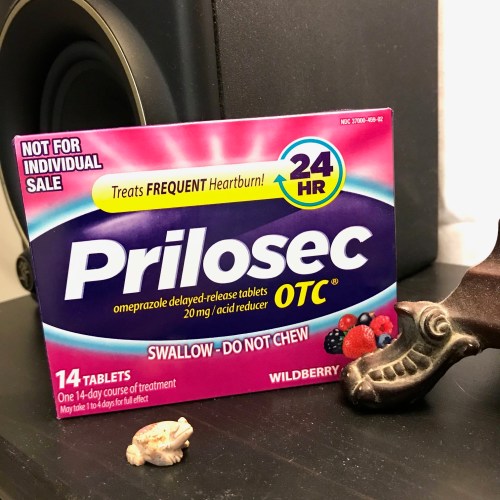
I have nothing against Prilosec in particular. It can be very helpful. It’s one of several PPIs on the market.
Posted onFebruary 17, 2021|Comments Off on Ketogenic Diet More Effective Than Low-Fat for Obesity and Diabetes
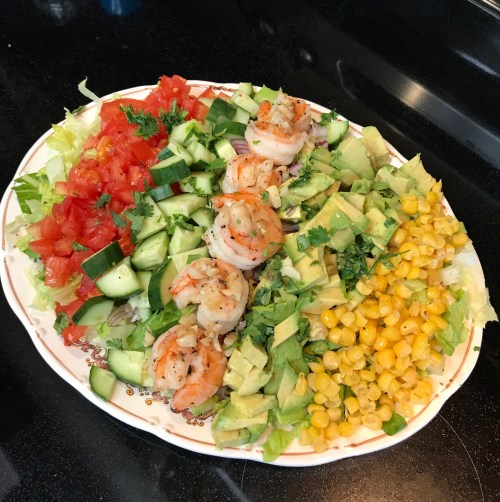
One of many ketogenic salads
From The Journal of Nutrition:
For >50 y, dietary guidelines in the United States have focused on reducing intakes of saturated and total fat. However, rates of obesity and diabetes rose markedly throughout this period, with potentially catastrophic implications for public health and the economy. Recently, ketogenic diets have received substantial attention from the general public and nutrition research community. These very-low-carbohydrate diets, with fat comprising >70% of calories, have been dismissed as fads. However, they have a long history in clinical medicine and human evolution. Ketogenic diets appear to be more effective than low-fat diets for treatment of obesity and diabetes. In addition to the reductions in blood glucose and insulin achievable through carbohydrate restriction, chronic ketosis might confer unique metabolic benefits of relevance to cancer, neurodegenerative conditions, and other diseases associated with insulin resistance. Based on available evidence, a well-formulated ketogenic diet does not appear to have major safety concerns for the general public and can be considered a first-line approach for obesity and diabetes. High-quality clinical trials of ketogenic diets will be needed to assess important questions about their long-term effects and full potential in clinical medicine.
Posted onFebruary 5, 2021|Comments Off on Low to Moderate Alcohol Drinking Linked to Improved Cognitive Function in Adults
Jameson’s in a hotel bar near Chicago
From JAMA network:
These findings suggested that low to moderate alcohol drinking was associated with better global cognition scores, and these associations appeared stronger for white participants than for black participants.
Posted onJanuary 26, 2021|Comments Off on Do Antibody Infusions Work Against COVID-19?
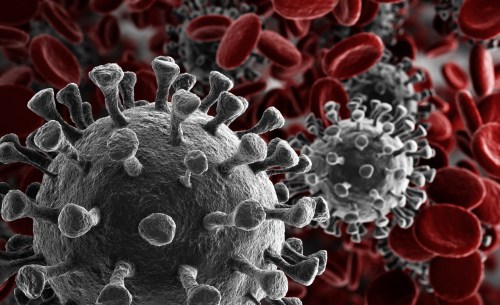
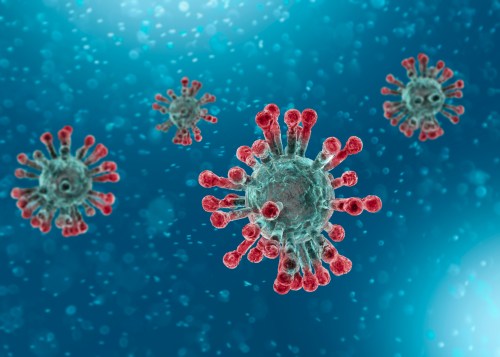
See the spikes? Or are they golf tees?
A monoclonal antibody given to patients with mild COVID-19 reduced symptom severity and the odds of needing hospitalization.
About 10 days ago the hospital where I work started giving intravenous antibodies to COVID-19 patients in the emergency department. These are folks with COVID-19 symptoms and a positive COVID PCR test within the last three days but they’re not sick enough to warrant admission. My impression is that the infusion is monoclonal antibodies, different from the convalescent plasma we were offering to inpatients several months ago.
The antibody used in the study at hand is “LY-CoV555 (also known as LY3819253), a potent antispike neutralizing monoclonal antibody that binds with high affinity to the receptor-binding domain of SARS-CoV-2,” and “was derived from convalescent plasma obtained from a patient with Covid-19.” I assume scientists figured out a way to synthesize that antibody in a lab.
Severe acute respiratory syndrome coronavirus 2 (SARS-CoV-2) causes coronavirus disease 2019 (Covid-19), which is most frequently mild yet can be severe and life-threatening. Virus-neutralizing monoclonal antibodies are predicted to reduce viral load, ameliorate symptoms, and prevent hospitalization.
This was a very small study; only a little over a hundred patients in each of three treatment groups (three different doses) and the placebo group.
METHODS
In this ongoing phase 2 trial involving outpatients with recently diagnosed mild or moderate Covid-19, we randomly assigned 452 patients to receive a single intravenous infusion of neutralizing antibody LY-CoV555 in one of three doses (700 mg, 2800 mg, or 7000 mg) or placebo and evaluated the quantitative virologic end points and clinical outcomes. The primary outcome was the change from baseline in the viral load at day 11. The results of a preplanned interim analysis as of September 5, 2020, are reported here.
RESULTS
At the time of the interim analysis, the observed mean decrease from baseline in the log viral load for the entire population was −3.81, for an elimination of more than 99.97% of viral RNA. For patients who received the 2800-mg dose of LY-CoV555, the difference from placebo in the decrease from baseline was −0.53 (95% confidence interval [CI], −0.98 to −0.08; P=0.02), for a viral load that was lower by a factor of 3.4. Smaller differences from placebo in the change from baseline were observed among the patients who received the 700-mg dose (−0.20; 95% CI, −0.66 to 0.25; P=0.38) or the 7000-mg dose (0.09; 95% CI, −0.37 to 0.55; P=0.70). On days 2 to 6, the patients who received LY-CoV555 had a slightly lower severity of symptoms than those who received placebo. The percentage of patients who had a Covid-19–related hospitalization or visit to an emergency department was 1.6% in the LY-CoV555 group and 6.3% in the placebo group.
CONCLUSIONS
In this interim analysis of a phase 2 trial, one of three doses of neutralizing antibody LY-CoV555 appeared to accelerate the natural decline in viral load over time, whereas the other doses had not by day 11. (Funded by Eli Lilly; BLAZE-1 ClinicalTrials.gov number, NCT04427501. opens in new tab
Another study looked at the use of a cocktail containing two monoclonal antibodies in non-hospitalized patients. Researchers concluded:
In this interim analysis, the REGN-COV2 antibody cocktail reduced viral load, with a greater effect in patients whose immune response had not yet been initiated or who had a high viral load at baseline. Safety outcomes were similar in the combined REGN-COV2 dose groups and the placebo group. (Funded by Regeneron Pharmaceuticals and the Biomedical and Advanced Research and Development Authority of the Department of Health and Human Services; ClinicalTrials.gov number, NCT04425629. opens in new tab.)
Their report indicated that those who received the antibodies were less likely to need subsequent medical visits. But they didn’t put that in their concluding paragraph so I will assume it didn’t reach statistical significance.
Neither of these studies reported reduction in death rates.
+ + +
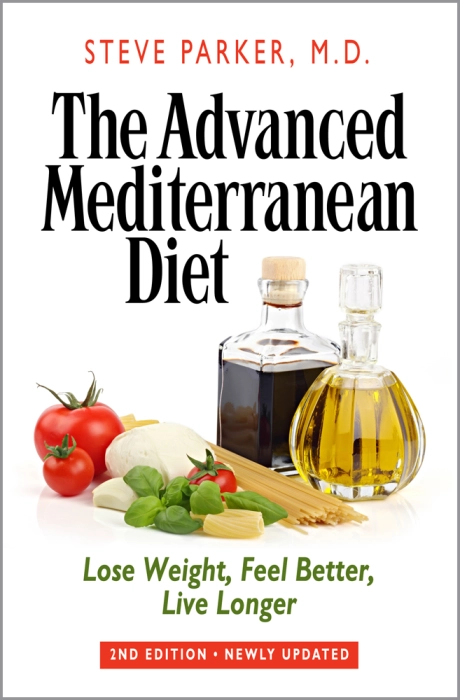
Obesity, particularly BMI 35 or higher, is risk factor for serious COVID-19 disease. If obese, you’ve had almost a year to work on it. How ya doin’? I can help if needed. See the book below.
Pro-inflammatory cytokines serve an important purpose, in marshaling the inflammatory response that fights off viruses, bacteria, and other pathogens. That’s the protective mechanism of inflammation at work. But for the pro-inflammatory cytokine response to be beneficial, it must be proportional to the threat. A too vigorous response of pro-inflammatory cytokines creates a dangerous amount of inflammation—and can actually serve to spread the viral infection, rather than tamping it down. It is this inflammatory overreaction and viral spread that appears to take place in the most serious cases of COVID-19.
I spent 10 minutes on the Internet trying to find the appropriate dose of melatonin for its possible preventative and treatment powers. But no luck. It’s likely in the range of 1 to 10 mg/day, typically taken at night or bedtime. For insomnia in my hospitalized patients, I start at 1.5 mg. Most of my colleagues use a much higher dose. Dr Josh Farkas at emcrit.org suggests that the treatment dose is 5 mg/day.
As always, check with your personal physician first.
Posted onJanuary 16, 2021|Comments Off on COVID-19: Do Lock-Downs Work?
Artist’s rendition of Coronavirus
If you’re looking for evidence that stay-at-home orders and business closures don’t help control COVID-19, here it is:
In summary, we fail to find strong evidence supporting a role for more restrictive non-pharmacological interventions in the control of COVID in early 2020. We do not question the role of all public health interventions, or of coordinated communications about the epidemic, but we fail to find an additional benefit of stay-at-home orders and business closures.
Posted onJanuary 15, 2021|Comments Off on Despite Pasta, You Can Still Lose Weight With a Mediterranean Diet
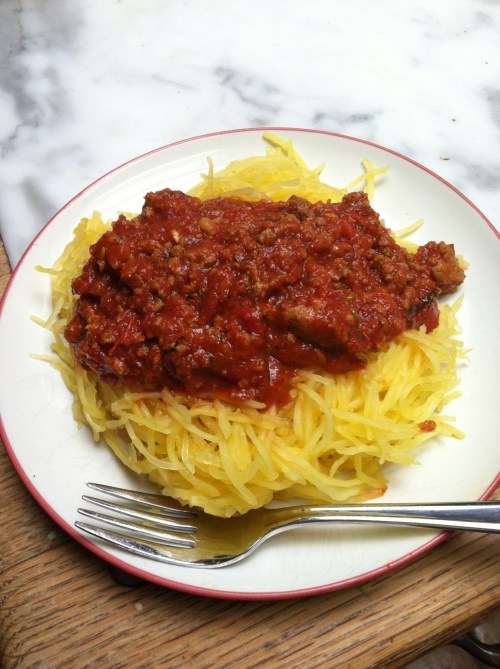
Spaghetti squash is an alternative to pasta
The title above sums it up. If you’re eating pasta frequently and trying to lose weight, you do have to be careful not to over-eat. In other words, you generally have to restrict calories. In the study at hand, I don’t know how many daily calories were allowed since I haven’t read the full report. Here’s the abstract:
Background & aims
The effect of pasta consumption within a low-energy [read: calorie-restricted] Mediterranean diet on body weight regulation has been scarcely explored. This paper investigates the effect of two Mediterranean diets, which differed for lower or higher pasta intake, on body weight change in individuals with obesity.
Methods & Results
Forty-nine volunteers finished a quasi-experimental 6-month two–parallel group dietary intervention. Participants were assigned to a low-energy high pasta (HP) or to a low-energy low Pasta (LP) group on the basis of their pasta intake (HP ≥ 5 or LP ≤ 3 times/week). Anthropometrics, blood pressure and heart rate were measured every month. Weight maintenance was checked at month 12. Body composition (bioelectrical impedance analysis, BIA), food intake (24-h recall plus a 7-day carbohydrate record) and the perceived quality of life (36-item short-form health survey, SF-36) were assessed at baseline, 3 and 6 months. Blood samples were collected at baseline and month 6 to assess glucose and lipid metabolism. After 6-month intervention, body weight reduction was −10 ± 8% and −7 ± 4% in HP and LP diet, respectively, and it remained similar at month 12. Both dietary interventions improved anthropometric parameters, body composition, glucose and lipid metabolism, but no significant differences were observed between treatment groups. No differences were observed for blood pressure and heart rate between treatments and among times. HP diet significantly improved perception of quality of life for the physical component.
Conclusions
Independent of pasta consumption frequency, low-energy Mediterranean diets were successful in improving anthropometrics, physiological parameters and dietary habits after a 6-month weight-loss intervention.
Posted onJanuary 15, 2021|Comments Off on Melatonin for Insomnia
Dr. Emily Deans says if you need an alarm clock to wake up, you’re probably not getting enough sleep
I often get pages from hospital nurses regarding a patient’s request for a sleeping pill. (Or is the request really from the nurse because a sleeping patient is less hassle? LOL.) My hospital’s formulary limits me to ambien, restoril, trazodone, benadryl, and melatonin. Of those, melatonin seems to be the safest. But does it work?
The evidence is mixed and weak. There is some positive evidence for melatonin, and side effects are mild. I wouldn’t discourage anyone who wants to give it a try, but I think good sleep hygiene measures would be a better first step for treating insomnia.
Furthermore…
The optimum dosage has not been established. In studies, the doses have ranged from 1 to 12 mg. Supplements typically contain 1-3 mg. Dosages between 1 and 10 mg can raise melatonin levels to 3-60 times the levels normally found in the body.
Caution is advisable, since quality control is a documented problem. 71% of products did not contain within 10% of the labelled amount of melatonin, with variations ranging from -83% to +478%, lot-to-lot variability was as high as 465%, and the discrepancies were not correlated to any manufacturer or product type. To make matters worse, 8 out of 31 products were contaminated with the neurotransmitter serotonin.
If melatonin works by placebo effect alone, it will help ~10% of users, almost always without adverse effects. I dose it at 1.5 mg, with a repeat dose an hour later if needed.
Posted onJanuary 9, 2021|Comments Off on Snapshot of the Swiss Healthcare System
Switzerland?
<p class="has-drop-cap" value="<amp-fit-text layout="fixed-height" min-font-size="6" max-font-size="72" height="80"><span class="has-inline-color has-black-color">The Swiss have the U.S. beat in terms of longevity and percentage of gross domestic product devoted to healthcare. Their healthcare system may or may not have something to do with it.</span> Switzerland, which has twice as many square miles as New Jersy, only has 8,700,000 people compared to the 331,000,000 in the U.S. The Swiss have the U.S. beat in terms of longevity and percentage of gross domestic product devoted to healthcare. Their healthcare system may or may not have something to do with it. Switzerland, which has twice as many square miles as New Jersy, only has 8,700,000 people compared to the 331,000,000 in the U.S.
This analysis of the Swiss health system reviews recent developments in organization and governance, health financing, health care provision, health reforms and health system performance. The Swiss health system is highly complex, combining aspects of managed competition and corporatism (the integration of interest groups in the policy process) in a decentralized regulatory framework shaped by the influences of direct democracy. The health system performs very well with regard to a broad range of indicators. Life expectancy in Switzerland (82.8 years) is the highest in Europe after Iceland, and healthy life expectancy is several years above the European Union (EU) average. Coverage is ensured through mandatory health insurance (MHI), with subsidies for people on low incomes. The system offers a high degree of choice and direct access to all levels of care with virtually no waiting times, though managed care type insurance plans that include gatekeeping restrictions are becoming increasingly important. Public satisfaction with the system is high and quality is generally viewed to be good or very good. Reforms since the year 2000 have improved the MHI system, changed the financing of hospitals, strengthened regulations in the area of pharmaceuticals and the control of epidemics, and harmonized regulation of human resources across the country. In addition, there has been a slow (and not always linear) process towards more centralization of national health policy-making. Nevertheless, a number of challenges remain. The costs of the health care system are well above the EU average, in particular in absolute terms but also as a percentage of gross domestic product (GDP) (11.5%). MHI premiums have increased more quickly than incomes since 2003. By European standards, the share of out-of-pocket payments is exceptionally high at 26% of total health expenditure (compared to the EU average of 16%). Low and middle-income households contribute a greater share of their income to the financing of the health system than higher-income households. Flawed financial incentives exist at different levels of the health system, potentially distorting the allocation of resources to different providers. Furthermore, the system remains highly fragmented as regards both organization and planning as well as health care provision.
I wonder if we should adopt some of their system’s attributes.
Posted onJanuary 3, 2021|Comments Off on Does Remdesivir Help Fight COVID-19?
Intubated to prevent death
Remdesivir and hydroxychloroquine don’t do much good for hospitalized COVID-19 patients, according to this abstract of the SOLIDARITY trial:
BACKGROUND
World Health Organization expert groups recommended mortality trials of four repurposed antiviral drugs — remdesivir, hydroxychloroquine, lopinavir, and interferon beta-1a — in patients hospitalized with coronavirus disease 2019 (Covid-19).
METHODS
We randomly assigned inpatients with Covid-19 equally between one of the trial drug regimens that was locally available and open control (up to five options, four active and the local standard of care). The intention-to-treat primary analyses examined in-hospital mortality in the four pairwise comparisons of each trial drug and its control (drug available but patient assigned to the same care without that drug). Rate ratios for death were calculated with stratification according to age and status regarding mechanical ventilation at trial entry.
RESULTS
At 405 hospitals in 30 countries, 11,330 adults underwent randomization; 2750 were assigned to receive remdesivir, 954 to hydroxychloroquine, 1411 to lopinavir (without interferon), 2063 to interferon (including 651 to interferon plus lopinavir), and 4088 to no trial drug. Adherence was 94 to 96% midway through treatment, with 2 to 6% crossover. In total, 1253 deaths were reported (median day of death, day 8; interquartile range, 4 to 14). The Kaplan–Meier 28-day mortality was 11.8% (39.0% if the patient was already receiving ventilation at randomization and 9.5% otherwise). Death occurred in 301 of 2743 patients receiving remdesivir and in 303 of 2708 receiving its control (rate ratio, 0.95; 95% confidence interval [CI], 0.81 to 1.11; P=0.50), in 104 of 947 patients receiving hydroxychloroquine and in 84 of 906 receiving its control (rate ratio, 1.19; 95% CI, 0.89 to 1.59; P=0.23), in 148 of 1399 patients receiving lopinavir and in 146 of 1372 receiving its control (rate ratio, 1.00; 95% CI, 0.79 to 1.25; P=0.97), and in 243 of 2050 patients receiving interferon and in 216 of 2050 receiving its control (rate ratio, 1.16; 95% CI, 0.96 to 1.39; P=0.11). No drug definitely reduced mortality, overall or in any subgroup, or reduced initiation of ventilation or hospitalization duration.
CONCLUSIONS
These remdesivir, hydroxychloroquine, lopinavir, and interferon regimens had little or no effect on hospitalized patients with Covid-19, as indicated by overall mortality, initiation of ventilation, and duration of hospital stay.





 Advanced Mediterranean Diet