QOTD: Wesbury and Stein on Capitalism Versus Socialism

After capitalism

…it’s not possible to analyze the economy these days without focusing heavily on what government is doing.  Between the Federal Reserve, fiscal policy, and COVID-related restrictions, little in our lives avoids governmental influences.

…Certainly government has grown, in sheer size, and also in power.  When the CDC, a health agency, can impose a moratorium on evictions (in violation of property-owners rights), the U.S. has moved a long way from its historic roots.  If, after passing $5 trillion in emergency pandemic spending, the government can be talking about $4.5 trillion more, we have entered new territory.

The history of the world has been a battle between two competing ideologies of how resources should be distributed: Capitalism and Socialism.

Capitalism distributes resources to the most productive use through markets and competition, while at the same time putting brakes on greed and selfishness.  In order to accumulate resources in a capitalist system, you must provide goods or services for which someone else is willing to pay.  If your cost of production is greater than what the market is willing to pay, you will not create much wealth.  Or, if a competitor can provide the equivalent or better for a lower price, you will lose market share and therefore your wealth.

As a result, while it may be true that some people in a capitalist system become extremely wealthy, they do it by creating goods or services that people want and in a way that competitors have a difficult time copying.

Under Socialism, on the other hand, politicians distribute resources.  They tax individuals who have been able to create income and wealth and then transfer those resources to their favored causes or group, often while shutting down competition.  Governments do not create wealth, they spend it.

Brian Wesbury and Robert Stein

Science-Based Osteoarthritis Treatment Guidelines

Voltaren is over-the-counter in the U.S.

Here’s a link to a long, boring scientific article on the non-surgical treatment of knee, hip, and multiple-joint osteoarthritis, aka degenerative joint disease (DJD).

My main reason for posting this is that I thought that topical capsaicin cream was proven as effecting in relieving pain. According to the article a hand, it is not. The authors don’t recommend it. It may work for some folks. BTW, do not let any of it get into your eye like I did! Wash your hands well after use.

I tried it anyway

From my reading elsewhere (link to NEJM), topical NSAIDs are recommended over systemic use. NSAID = non-steroidal anti-inflammatory drug. I picked up a tube of Voltaren (diclofenac) recently to try on my knee. I must say I was disappointed to read on the box that application four times daily for a couple weeks may be necessary before you feel relief. That seemed like too much hassle so I didn’t give it a fair trial. Guess I wasn’t hurting enough. I diagnosed my acute pain later as pes anserinus pain syndrome anyway, not DJD.

Steve Parker, M.D.

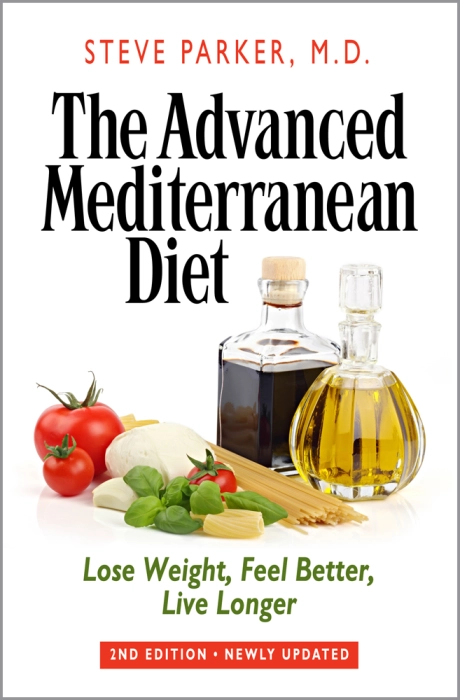
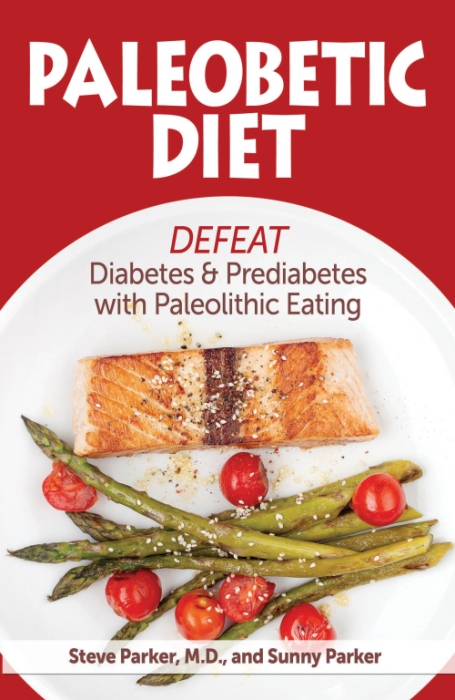
front cover of paleobetic diet

Click to purchase at Amazon.com. E-book also available at Smashwords. com.

Despite World’s Highest Vax Rate, CDC Recommends Avoiding Travel to Gibralter

Not the Rock of….

Gibralter is pandemic-famous for being the first nation to vaccinate its entire adult population. The effort only took nine weeks and was completed in March 2021. Gibralter has only 34,000 inhabitants in its 2.6 square miles.

So Gibralter should be wide open an back to normal life now, right?

Guess again.

A couple weeks ago, the CDC added Gibralter to its “very high COVID-19 risk” list. CDC recommends not traveling to countries on the list. The linked article at WDSU.com notes that:

Destinations that fall into the “very high” risk category have had more than 500 cases per 100,000 residents in the past 28 days, according to CDC parameters.

These vaccines are increasingly looking like a pig in a poke.

Steve Parker, M.D.

front cover of paleobetic diet

Click to purchase at Amazon.com. E-book also available at Smashwords. com.

COVID-19 Delta Variant on the Rise in Iceland Despite Incredibly High Vaccination Rate

The various available vaccines likely have different adverse effect and efficacy profiles

From News.com.au on August 10, 2021:

Some 96 per cent of all Icelandic women over 16 have received at least one vaccine dose. The figure for men is about 90 per cent.

In total, 86 per cent of the population has been fully vaccinated. 

It is an outstanding result – so much so, the Reykjavík government felt they had this pandemic beaten.

In June, they rolled back social distancing, mask and travel restrictions.

But those restrictions have been reimposed as a Covid-19 Delta outbreak has sent case numbers soaring.

And even with a significantly reduced rate of severe illness, the explosive outbreak is seriously straining the tiny nation’s health system.

I was vaccinated against tetanus, polio, rubella, whooping cough, and measles: and I never came down with any of those infections. Not even mild forms of them.

It’s starting to look like the COVID-19 vaccines aren’t all they were promised to be.

Steve Parker, M.D.

front cover of paleobetic diet

Click to purchase at Amazon.com. E-book also available at Smashwords. com.

QOTD: C.S. Lewis on Omnipotent Moral Busybodies

Of all tyrannies, a tyranny sincerely exercised for the good of its victims may be the most oppressive. It would be better to live under robber barons than under omnipotent moral busybodies. The robber baron’s cruelty may sometimes sleep, his cupidity may at some point be satiated; but those who torment us for our own good will torment us without end for they do so with the approval of their own conscience. They may be more likely to go to Heaven yet at the same time likelier to make a Hell of earth. This very kindness stings with intolerable insult. To be “cured” against one’s will and cured of states which we may not regard as disease is to be put on a level of those who have not yet reached the age of reason or those who never will; to be classed with infants, imbeciles, and domestic animals.

h/t Bayou Renaissance Man

Who Says the Mediterranean Diet Is Best?

U.S. News and World Report once again ranks the Mediterranean diet #1 in Best Overall Diets:

It’s generally accepted that the folks in countries bordering the Mediterranean Sea live longer and suffer less than most Americans from cancer and cardiovascular ailments. The not-so-surprising secret is an active lifestyle, weight control, and a diet low in red meat, sugar and saturated fat and high in produce, nuts and other healthful foods. The Mediterranean Diet may offer a host of health benefits, including weight loss, heart and brain health, cancer prevention, and diabetes prevention and control. By following the Mediterranean Diet, you could also keep that weight off while avoiding chronic disease.

Source: What is the Mediterranean Diet? Best Diet Overall | U.S. News

I can’t find a date at the source URL but I think it was January , 2021,

Steve Parker, M.D.

front cover of paleobetic diet

Click to purchase at Amazon.com. E-book also available at Smashwords. com.

front cover of paleobetic diet

Click to purchase at Amazon.com. E-book also available at Smashwords. com.
Pfizer’s COVID-19 Vaccine Losing Effectiveness in Israel

face mask, young woman
“I’m healthy and young. The vaccine is more dangerous to me than the ‘rona.”

The experts said we’d get back to normal when enough of us got vaccinated. They promised we could start socializing again, stop wearing the masks. Well, it hasn’t turned out that way for Israel, which has one of the highest fully vaccinated rates in the world at 62% fully vaccinated. The predominant (only?) vaccine there is Pfizer/BioNTech’s.

According to CNN on Aug 5, 2021:

“Israeli Prime Minister Naftali Bennett is warning that Israelis over 60 are at risk unless they go get their third booster shot immediately.

“In a recorded audio message meant to be forwarded to friends and family, Bennett said that in the next two to three weeks anyone who is over the age of 60 and has not yet received their third vaccine is six times more likely to become seriously ill from the coronavirus, compared to those who are five days past their third shot. 

“Bennett warned that all those over the age of 60 take extreme caution until they get their third dose, including not being in crowded places, and only seeing their grandchildren outside and masked. 

“Israel is facing a new wave of infections, with 3,430 testing positive on Wednesday according to the Israeli Ministry of Health, while 250 people are listed as in serious condition. Two weeks ago, that figure stood at 62.”

The article also mentions that if you’re traveling to Israel from the U.S., you have to quarantine upon arrival, even if you’re vaccinated. Gee, that makes me think they don’t have much faith in the vaccine. I’m guessing the quarantine is for 10-14 days.

I wonder if U.S. businesses and governments requiring COVID-19 vaccination for employees (and customers) will change course with all the recent news about disappointing effectiveness.

Nah…their bloated egos will not allow.

Steve Parker, M.D.

front cover of paleobetic diet

Click to purchase at Amazon.com. E-book also available at Smashwords. com.

Moderna and Pfizer COVID-19 Vaccines: Ronald B Brown on Absolute versus Relative Risk Reduction

Ronald B Brown has criticized the initial clinical trials (three months long?) of Pfizer and Moderna vaccines for not reporting the absolute risk reduction of COVID-19 infection by the vaccines. What’s been reported is the relative risk reduction, aka efficacy or effectiveness. The absolute risk reductions were 0.7% (Pfizer) and 1.1% (Moderna), compared to relative risk reductions of 95% or so. Brown says the much higher figures for effectiveness (relative risk reduction) tend to convince the general public and many healthcare providers that the vaccines are much more beneficial than in reality. Ignorance of the “absolute versus relative risk reduction” issue is how many physicians get tricked into prescribing drugs that provide very little, if any, benefit to the average individual patient.

See Brown’s article in Medicina.

Steve Parker, M.D.

front cover of paleobetic diet

Click to purchase at Amazon.com. E-book also available at Smashwords. com.
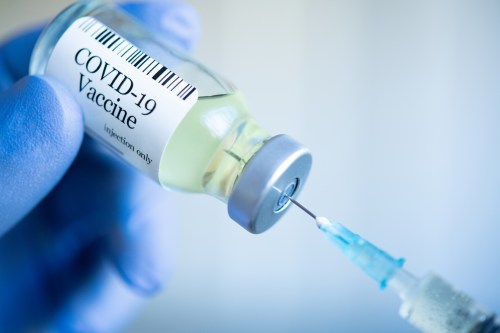
Where’s the Beef: Six-Month Clinical Data from the Moderna Vaccine EUA Trial

Two years of Moderna stock performance as of Aug 5, 2021.

Moderna’s original clinical trial that led to Emergency Use Authorization enrolled ~30,000 participants, half of whom got a placebo injection instead of the vaccine. I tried, unsuccessfully, to find the six-month clinical data from this trial. Mostly what I found was press releases touting ongoing high “effectiveness” (93%), without defining effectiveness. From an article at Reuters Aug 5:

The six-month data also suggests that Moderna’s vaccine still provides 98% protection against severe disease and was 100% effective at preventing death caused by COVID-19. There were three deaths in the placebo arm of the trial.

I need more data. What caused the three deaths in the placebo group? Were there any deaths in the vaccinees? Pfizer’s clinical trial at six months reported 16 deaths in their 22,000 vaccinees. What if the vaccines replace COVID-19 deaths with heart attack and stroke deaths?

I need more data. Moderna has it. It’s suspicious that they’re not sharing.

Steve Parker, M.D.

PS: The formal name of the pertinent Moderna clinical trial is Phase 3 COVE Study of mRNA-1273.

front cover of paleobetic diet

Click to purchase at Amazon.com. E-book also available at Smashwords. com.

Wasteful Spending on Heathcare in the U.S.: $1,800 to $5,700 per person per year

hospital emergency room

From a December 2020 article in the American Journal of Public Health:

Landmark reports from reputable sources have concluded that the United States wastes hundreds of billions of dollars every year on medical care that does not improve health outcomes. While there is widespread agreement over how wasteful medical care spending is defined, there is no consensus on its magnitude or categories. A shared understanding of the magnitude and components of the issue may aid in systematically reducing wasteful spending and creating opportunities for these funds to improve public health.

To this end, we performed a review and crosswalk analysis of the literature to retrieve comprehensive estimates of wasteful medical care spending. We abstracted each source’s definitions, categories of waste, and associated dollar amounts. We synthesized and reclassified waste into 6 categories: clinical inefficiencies, missed prevention opportunities, overuse, administrative waste, excessive prices, and fraud and abuse.

Aggregate estimates of waste varied from $600 billion to more than $1.9 trillion per year, or roughly $1800 to $5700 per person per year. Wider recognition by public health stakeholders of the human and economic costs of medical waste has the potential to catalyze health system transformation.

Source: Excess Medical Care Spending: The Categories, Magnitude, and Opportunity Costs of Wasteful Spending in the United States | AJPH | Vol. 110 Issue 12

Steve Parker, M.D.

PS: Let me help you escape the clutches of the medical-industrial complex.

front cover of paleobetic diet

Click to purchase at Amazon.com. E-book also available at Smashwords. com.