High Protein Weight-Loss Diets Do NOT Cause Bone Damage

…at least in post-menopausal women on the diet for two years. AJCN has the details:

“It has been hypothesized that hip-fracture rates are higher in developed than developing countries because high-protein (HP) Western diets induce metabolic acidosis and hypercalciuria. Confounders include interactions between dietary protein and calcium, sodium, and potassium.”

In conclusion:

“High dietary protein intake [at least 90 grams/day] during weight loss has no clinically significant effect on bone density….”

Both Mediterranean and DASH Diets Linked to Better Brain Function With Aging

…according to a study in AJCN.

“Higher levels of accordance to both the DASH and Mediterranean dietary patterns were associated with consistently higher levels of cognitive function in elderly men and women over an 11-y period. Whole grains and nuts and legumes were positively associated with higher cognitive functions and may be core neuroprotective foods common to various healthy plant-centered diets around the globe.”

Chaz Bono Loses 65 Pounds On Low-Carb Diet

Examiner.com has the details:

“I really avoid grains and starches, so meats and vegetables and fruits are my diet,” he tweeted. “I make them all different ways to keep it interesting. What’s worked for me is no sugar, no grains, no dairy except goat cheese, no white starches, portion control, and high intensity workouts.”

My Advanced Mediterranean Diet offers a low-carb option in addition to the traditional Mediterranean diet.

Gut Bacteria Affect Obesity and Leanness

Keep your fat germs away from me!

Keep your fat germs away from me!

From a Gina Kolata article at The New York Times:

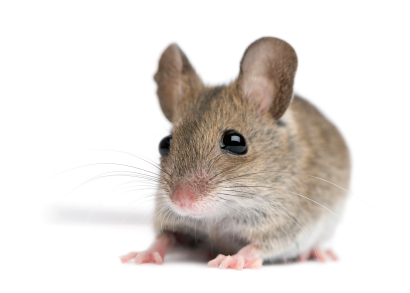
The evidence is from a novel experiment involving mice and humans that is part of a growing fascination with gut bacteria and their role in health and diseases like irritable bowel syndrome and Crohn’s disease. In this case, the focus was on obesity. Researchers found pairs of human twins in which one was obese and the other lean. They transferred gut bacteria from these twins into mice and watched what happened. The mice with bacteria from fat twins grew fat; those that got bacteria from lean twins stayed lean.

Here’s the experiment write-up.

These findings may lead the way to new obesity treatments.

QOTD: Thomas Jefferson on Liberty and Tyranny

When governments fear the people, there is liberty. When the people fear the government, there is tyranny. The strongest reason for the people to retain the right to keep and bear arms is, as a last resort, to protect themselves against tyranny in government.

—Thomas Jefferson, author of the U.S. Declaration of Independence

QOTD: John Quincy Adams on Foreign Intervention

“America does not go abroad in search of monsters to destroy. She is the well-wisher to freedom and independence of all. She is the champion and vindicator only of her own.”

        – John Quincy Adams, 6th President of the U.S.

Sleep Deprivation May Not Cause Overweight After All

Advanced Mediterranean Diet

Dr. Emily Deans says if you need an alarm clock to wake up, you’re probably not getting enough sleep

It’s currently popular to blame inadequate sleep time for overweight and obesity. I found a study supporting that idea in children, but not adults. Here’s the authors’ conclusion:

While shorter sleep duration consistently predicts subsequent weight gain in children, the relationship is not clear in adults. We discuss possible limitations of the current studies: 1.) the diminishing association between short sleep duration on weight gain over time after transition to short sleep, 2.) lack of inclusion of appropriate confounding, mediating, and moderating variables (i.e. sleep complaints and sedentary behavior), and 3.) measurement issues.

I found another analysis from a different team that is skeptical about the association of sleep deprivation and obesity in adults.

Everybody knows adults are getting less sleep now than we did decades ago, right? Well, not really. From Sleep Duration Across the Lifespan: Implications for Health:

Twelve studies, representing data from 15 countries and a time period of approximately 40 years, attempted to document changes in sleep duration over that time period. They found that, overall, there is no consistent evidence that sleep durations worldwide are declining among adults. Sleep duration decreased in six countries, sleep duration increased in seven countries, and mixed results were detected in two (one of which was the USA). In particular, the data from the USA suggest that although mean sleep duration may have actually increased slightly over the past 40 years, the proportion of short sleepers (six hours per night or less) also seems to have increased over the past several decades.

See, it’s complicated. Don’t believe everything you read. Not even this.

Steve Parker, M.D.

PS: It’s fun being an iconoclast now and then!

Wine Consumption Linked to Less Depression

…according to an article in The Guardian. This finding is from the PREDIMED study of Spaniards aged 50 to 88. Those who drank between two and seven glasses of wine were less prone to develop depression.

Do We Really Know the Cause of Overweight and Obesity?

So easy to over-eat!

So easy to over-eat!

Isn’t it just ’cause we eat too much and exercise too little due to lack of discipline and willpower?

Science writer David Berreby has an article at Aeon suggesting it’s way more complicated than that. Even if we do eat too much, why do we? Some quotes:

And so we appear to have a public consensus that excess body weight (defined as a Body Mass Index of 25 or above) and obesity (BMI of 30 or above) are consequences of individual choice. It is undoubtedly true that societies are spending vast amounts of time and money on this idea. It is also true that the masters of the universe in business and government seem attracted to it, perhaps because stern self-discipline is how many of them attained their status. What we don’t know is whether the theory is actually correct.

***

As Richard L Atkinson, Emeritus Professor of Medicine and Nutritional Sciences at the University of Wisconsin and editor of the International Journal of Obesity, put it in 2005: ‘The previous belief of many lay people and health professionals that obesity is simply the result of a lack of willpower and an inability to discipline eating habits is no longer defensible.’

Like liver, skeletal muscle, and brain, our body fat is a tissue that is carefully regulated by genes, hormones, enzymes, etc., which I’ll lump together as “metabolism.” Regulatory metabolic processes for liver, muscle, and brain will be different from each other and from fat tissue. Some processes aid fat storage, others lead to fat breakdown and weight loss.

Mr. Berreby discusses various trendy factors that may directly alter fat tissue metabolic processes, leading to overweight and obesity. Here’s his list:

  • lack of sleep
  • viruses (e.g., Ad-36)
  • stress
  • bacteria (e.g., Methanobrevibacter smithii in the large intestine)
  • industrial chemical contaminants (e.g., BPA, heavy metals, detergents, sunscreen, fire retardants, cosmetics)
  • electrification (e.g., too much light exposure, especially at night)
  • heat and air conditioning
  • undernutrition (“starvation”) during pregnancy: the children hatched are more likely to be overweight or obese as adults
  • intergenerational influence (epigenetic)

Read all about it.

Steve Parker, M.D.

Fruit Lowers Risk of Developing Type 2 Diabetes

…according to an article at MedPageToday. The Mediterranean diet provides copious fruit, perhaps partially explaining why it too is linked to lower diabetes risk.

You’ll get all the fruit you need in my Advanced Mediterranean Diet. And lose excess weight, to boot!