Category Archives: Uncategorized

Fish With Omega-3 Fatty Acids Reduce Risk of Blindness

Age-related macular degeneration is the leading cause of blindness in Americans over 65. Impaired vision precedes blindness. A recent study linked consumption of omega-3 fatty acids with 30% lower risk of developing macular degeneration. Believe me, it’s a lot better to prevent it than try to treat it once present.

(I have a couple older relatives with macular degeneration, so I pay close attention to the scientific literature.)

What’s the best source of omega-3 fatty acids? Our friend, the fish. Especially cold-water fatty fish such as tuna, trout, sardines, herring, mackerel, halibut, and sea bass. A few plants are also decent sources, but our bodies don’t utilize those omega-3 fatty acids as well as they do from fish.

Note that both the Advanced Mediterranean Diet and Ketogenic Mediterranean Diet feature fish.

Steve Parker, M.D.

Reference: SanGiovanni, J.P., et al. Long-chain polyunsaturated fatty acid intake and 12-y incidence of neovascular age-related macular degeneration and central geographic atrophy: AREDS report 30, a prospective cohort study from the Age-Related Eye Disease Study. American Journal of Clinical Nutrition, 90 (2009): 1,601-1,607. First published October 7, 2009. doi:10.3945/ajcn.2009.27594

Take Vitamin D With Largest Meal to Increase Blood Level

The Healthy Librarian at the Happy Healthy Long Life blog wrote about a small scientific study documenting an incredibly easy way to increase blood levels of vitamin D in people taking supplemental vitamin D:

Take the supplement with the largest meal of the day

Subjects of this research were taking vitamin D supplements—often a very high dose—for medical reasons, yet blood levels remained unacceptably low. Blood levels of vitamin D (25-hydroxyvitamin D) rose by 50% simply by taking the same dose with the largest daily meal.

Other people, including young healthy adults, may or may not respond the same way. Do you know?

As for me, I’ll be sure to take my vitamin D supplement with my largest meal.

Steve Parker, M.D.

Disclaimer: All matters regarding your health require supervision by a personal physician or other appropriate health professional familiar with your current health status. Always consult your personal physician before making any dietary, nutritional supplement, or exercise changes.

The Ever-Popular Mediterranean Diet: Origins and Definition

ORIGINS

It all starts with Ancel Keys.

Keys was the leader of the team who put together the Seven Countries Study, which seemed to demonstrate lower rates of coronary heart disease in countries consuming less saturated fat. [Coronary heart disease is the leading cause of death in Western cultures.] He also found that cardiovascular disease rates rose in tandem with blood cholesterol levels. The two countries particularly illustrative of these connections were Italy and Greece, both Mediterranean countries.

The other countries he analyzed in “Seven Countries” were the United States, Yugoslavia, Japan, Finland, and the Netherlands.

Keys and his wife Margaret, a biochemist, drilled deeper in to the “Mediterranean diet” that was characteristic of Italy, Greece, and other countries on or near the Mediterranean Sea in the 1950s and 1960s. [“Diet” in this context refers to the usual food and drink of a person, not a weight-loss program.] Their efforts culminated in the publication of several best-selling Mediterranean diet books in the 1970s, and Keys’ photo on the cover of Time magazine in 1961.

Thus began the still-popular Mediterranean diet.

Oldways Preservation Trust re-invigorated the Mediterranean diet around 1990, helping the public incorporate Mediterranean diet principals into everyday life. Oldways founder, K. Dun Gifford, passed away in 2011.

DEFINITION

There is no monolithic, immutable, traditional Mediterranean diet. But there are similarities among many of the regional countries that tend to unite them, gastronomically speaking. Greece and southern Italy are particularly influential in this context.

So here are the characteristics of the traditional, healthy Mediterranean diet of the mid-20th century:

•It maximizes natural whole foods and minimizes highly processed ones

•Small amounts of red meat

•Less than four eggs per week

•Low to moderate amounts of poultry and fish

•Daily fresh fruit

•Seasonal locally grown foods with minimal processing

•Concentrated sugars only a few times per week

•Wine in low to moderate amounts, and usually taken at mealtimes

•Milk products (mainly cheese and yogurt) in low to moderate amounts

•Olive oil as the predominant fat

•Abundance of foods from plants: vegetables, fruits, beans, potatoes, nuts, seeds, breads and other whole grain products

•Naturally low in saturated fat, trans fats, and cholesterol

•Naturally high in fiber, phytonutrients, vitamins (e.g., folate), antioxidants, and minerals (especially when compared with concentrated, refined starches and sugars in a modern Western diet)

•Naturally high in monounsaturated and polyunsaturated fats, particularly as a replacement for saturated fats

CONTROVERSIES

Keys has been criticized for “cherry-picking” the data that linked saturated fat consumption with increased heart disease. Subsequent studies indicate a weak link, if any. A list of the pertinent studies de-linking heart disease and saturated fat is at the Advanced Mediterranean Diet Blog.

The Seven Countries Study included only men. It’s practical implications, therefore, may not apply to women.

The traditional Mediterranean diet is increasingly a thing of the past as Mediterranean countries adopt the Western diet characterized by “fast food” and highly processed foods.

FUN FACTS FOR FOOD GEEKS

Ever heard of K rations used by the U.S. military in World War II? Keys invented them. He earned Ph.D.s in biology and physiology. Keys lived to age 100 and was said to be intellectually active through his 97th year.

Steve Parker, M.D.

References:

Keys, Ancel (1970). Coronary heart disease in seven countries. Circulation, 41

Keys, Ancel. Coronary heart disease in seven countries. Circulation, 41, (1970) supplement I: I-1 through I-211.

Keys, Ancel. Seven Countries: A Multivariate Analysis of Death and Coronary Artery Disease. Harvard University Press, 1980.

Oldways website.

What About the Omega-6-Omega-3 Fatty Acid Ratio?

It’s estimated that the Old Stone Age diet provided much more omega-3 fatty acids and much less omega-6s, compared to modern Western diets. This may have important implications for development of certain chronic diseases like cancer and heart disease.

Fatty acids, by the way, refer to the long chains of molecules that comprise the majority of fats and oils.

Some folks speculate that the Stone Age (Paleolithic) diet may be the healthiest way to eat because our genes are adapted to it. In other words, we evolved in a certain food environment over hundreds of thousands of years, so we should have optimal health if we follow our ancestral diet (whatever that is).

A major change in human eating habits over the last century has been the dramatic increase in consumption of industrial seed oils like corn and soybean oil. These have dramatically increased the omega-6 fatty acids in our diets. i.e., they’v3e increased the omega-6/omega-3 ratio. Another major change starting about 10,000 years ago is the increase in consumption of grains.

This’ll improve your omega-6/omega-3 ratio!

I haven’t studied omega-6/omega-3 ratio issue in great detail but hope to do so at some point. Evelyn Tribole has strong opinions on it; I may get one of her books.

I saw an online video of William E.M.Lands, Ph.D., discussing the omega-6/omega-3 ratio. He mentioned free software available from the National Insitutes of Health that would help you monitor and adjust your ratio.

You can see the video here. Dr. Lands’ talk starts around minute 12 and lasts about 45 minutes. He says it’s just as important (if not more so) to reduce your omega-6 consumption as to increase your omega-3. And don’t overeat.

Steve Parker, M.D.

What About Raw Milk?

Caveat emptor

Interest in consuming nonpasteurized milk and cheese seems to be increasing in the U.S. over the last couple years.  I don’t know why.  Is it safe?

In case you’ve forgotten, the process of pasteurization is designed to kill pathogenic organisms that raw milk may harbor.  Campylobacter and Salmonella are two of the common pathogens.

The U.S. Centers for Disease Control and Prevention this month published an article on disease outbreaks associated with nonpasteurized dairy products.  Bottom line: Nonpasteurized products are 150 times more likely to be associated with foodborne illness compared to pasteurized product.  The CDC wants states to consider more stringent regulation.

It’s hard to be sure, but my sense is that foodborne illness related to nonpasteurized dairy products in the U.S. is pretty uncommon, if not rare.

Mark Crislip at Science-Based Medicine says pasteurization is a good thing.

As for me, I see no reason to go out of my way looking for nonpasteurized milk and cheese.

Steve Parker, M.D.

Does Eating Meat, Poultry, and Fish Ruin YOUR Mood?

Cow's in a good mood. What a great place to live!

Your mood might improve if you restrict meat, poultry, and fish, according to a pilot study in Nutrition Journal. I don’t have time to read it anytime soon. Why don’t you, and comment below?

-Steve

Reference: Beezhold, Bonnie and Johnston, Carol. Restriction of meat, fish, and poultry in omnivores improves mood: a pilot randomized controlled trial. Nutrition Journal 2012, 11:9 doi:10.1186/1475-2891-11-9. Published: 14 February 2012

Whatever Happened to Lard?

Lard? Wut choo talkin' 'bout, Willis?

Lard may be making a come-back. An NPR article reviews its fall from grace, with mention of Upton Sinclair, Procter and Gamble, and Crisco.

Steve Parker, M.D.

h/t Laura Dolson

Is Organic Food Worth It?

The American Council on Science and Health in 2008 published a skeptical article on organic food benefits.  If you have updated references, feel free to note them in the comments section below.

I’m neither endorsing nor repudiating the ACSH’s positions, but they are certainly worth serious consideration.

Steve Parker, M.D.

The Inimitable Denise Minger on the “Cherry Picking” Ancel Keys

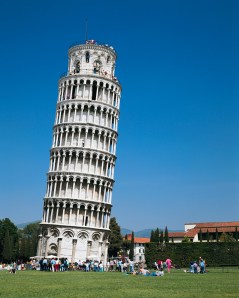
Keys lived his last years in Pioppi, Italy, not near the Tower of Pisa

Here’s her take on Ancel Keys, the father of cardiovascular epidemiology and the what we now consider the healthy Mediterranean diet.  She is funny. Warning: Her post is only for serious nutrition science geeks.

Too bad he’s not alive to defend himself.  He died young, almost reaching 101. Check out his New York Times obituary.

Steve Parker, M.D.

Is That “Annual Physical” Worthwhile?

Dr. Harriet Hall at Science-Based Medicine provides one suprising answer.

-Steve