Category Archives: High Blood Pressure

It’s Not Just For Adults: Mediterranean Diet May Benefit Children and Adolescents

From a study published in Journal of the American Medical Association Network in July of 2024:

The findings of this systematic review and meta-analysis of randomized controlled trials suggest that Mediterranean-based interventions are associated with reductions in systolic blood pressure, triglycerides, total cholesterol, and LDL-Cholesterol and an increase in HDL-Cholesterol among children and adolescents. These results underscore the importance of promoting healthy eating habits in youths, as these habits may lead to substantially improved cardiometabolic health, even during the early stages of life.

Steve Parker, M.D.

Specific Diets That Lower CRP Levels May Prevent Chronic Diseases

Olive oil is a prominent component of the Mediterranean diet

C-reactive protein (CRP) is a bloodstream marker of body-wide inflammation. A prominent theory is that if your CRP is too high, it causes chronic disease states like hypertension, dementia, and cardiovascular disease. A 2024 meta-analysis published in British Journal of Nutrition looked at the effects of various diets on CRP. The implication is that your odds of developing particular chronic diseases is lowered if you adopt a diet that lowers your CRP. Check the Abstract below to see how your diet stacks up:

Adopting a healthy dietary pattern may be an initial step in combating inflammation-related chronic diseases; however, a comprehensive synthesis evaluating current evidence is lacking. This umbrella review aimed to summarise the current evidence on the effects of dietary patterns on circulating C-reactive protein (CRP) levels in adults. We conducted an exhaustive search of the Pubmed, Scopus and Epistemonikos databases, spanning from their inception to November 2023, to identify systematic reviews and meta-analyses across all study designs. Subsequently, we employed a random-effects model to recompute the pooled mean difference. Methodological quality was assessed using the A Measurement Tool to Assess Systematic Reviews 2 (AMSTAR 2) checklist, and evidence certainty was categorised as non-significant, weak, suggestive, highly suggestive or convincing (PROSPERO: CRD42023484917). We included twenty-seven articles with thirty meta-analyses of seven dietary patterns, fifteen of which (50 %) exhibited high methodological quality. The summary effects of randomised controlled trials (RCT) found that the Mediterranean diet was the most effective in reducing circulating CRP levels, followed by Vegetarian/Vegan and Energy-restricted diets, though the evidence was of weak quality. In contrast, Intermittent Fasting, Ketogenic, Nordic and Paleolithic diets did not show an inverse correlation with circulating CRP levels. Some results from combined interventional and observational studies, as well as solely observational studies, also agreed with these findings. These dietary patterns show the potential in reducing CRP levels in adults, yet the lack of high-quality evidence suggests future studies may alter the summary estimates. Therefore, further well-conducted studies are warranted.

Steve Parker, M.D.

Wonderful Music and Art: It May Help Control Your High Blood Pressure

Check your blood pressure and pulse, watch this video, then re-check your numbers.

Steve Parker, M.D.

Meta-Analysis Finds Ketogenic Diet Doesn’t Help Control High Blood Pressure

Not bad

From an April, 2024, Nutrition, Metabolism & Cardiovascular Diseases issue:

Abstract

Aims

Cardiovascular diseases (CVDs) are major causes of mortality around the world. High blood pressure (BP) or hypertension is one of the most significant predisposing factors to CVDs. Ketogenic diets (KDs) have been the center of attention for their possible health benefits. The aim of this analysis is to study the impact of KDs on BP through the existing literature.

Data synthesis

We investigated the impact of KDs on systolic and diastolic blood pressures (SBP and DBP) conducted in the format of randomized controlled trials (RCTs). Four online databases (PubMed/Medline, SCOPUS, Cochrane Library, and Google Scholar) were searched from inception up to November 2022. Subgroup analyses were carried out to find the sources of heterogeneities.

Twenty-three RCTs with 1664 participants were identified. KDs did not exert any significant impacts on SBP (WMD: −0.87 mmHg, 95% CI: −2.05, 0.31) nor DBP (WMD: −0.11 mmHg, 95% CI -1.14, 0.93). Subgroup analyses did not reveal any further information. Also, non-linear dose-response analysis could not detect any associations between the percentage of calorie intake from fat in the KD format and BP levels.

Conclusion

KDs do not seem to be effective in improving BP. Nonetheless, further investigations are recommended to examine the proportion of fat intake needed to induce favorable clinical impacts.


Steve Parker, M.D.

What Is the Best Goal Blood Pressure in Hypertension

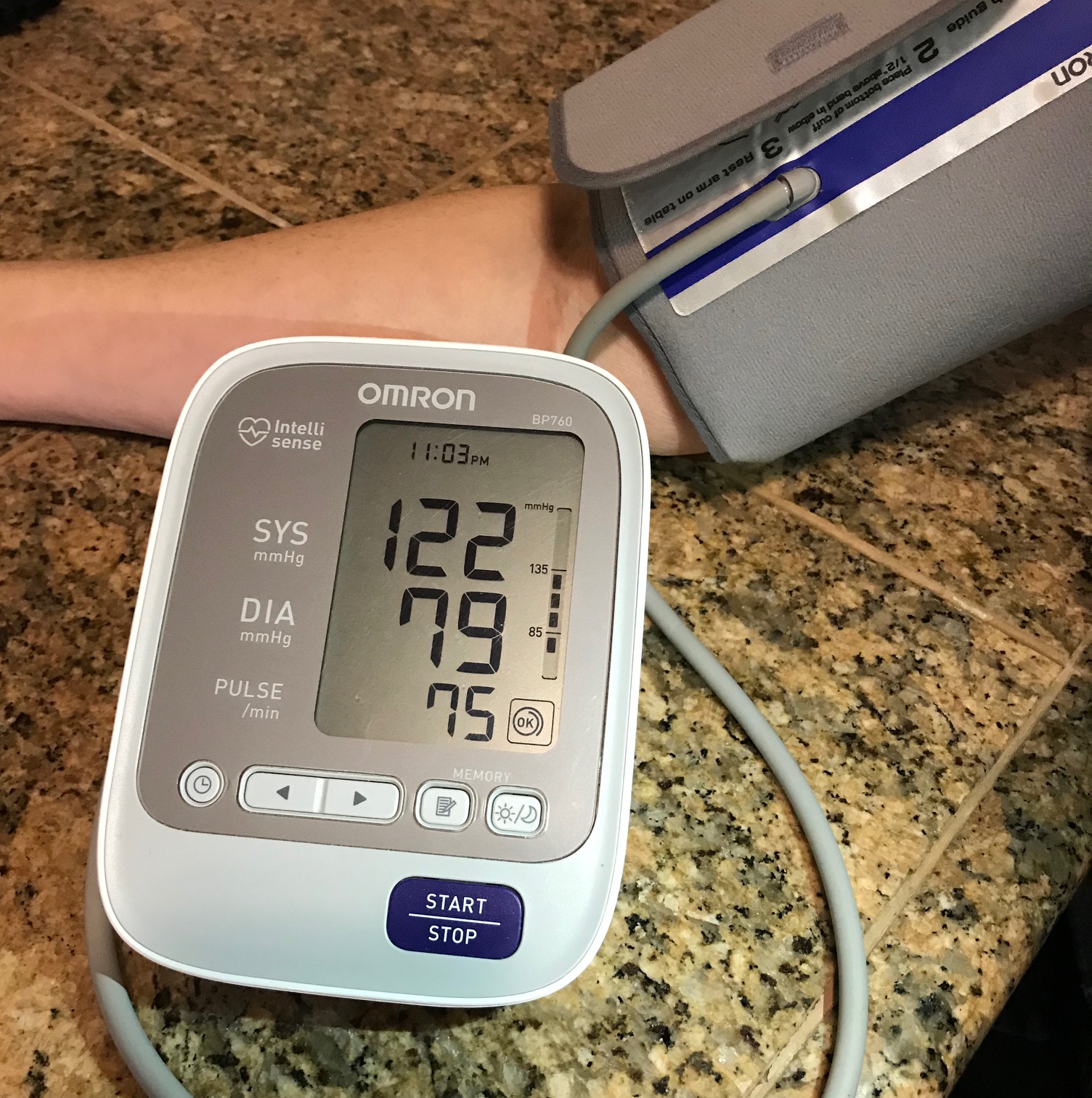
Not a bad monitor

First, remember that blood pressure is reported as two numbers: systolic and diastolic. E.g., 135/92. The first number is the systolic number. A systolic pressure goal of under 120 mmHg may be better than the traditional goal of under 140, at least if you’re “at increased risk for cardiovascular disease.” The study at hand excluded folks with diabetes or prior stroke.

We randomly assigned 9,361 participants who were at increased risk for cardiovascular disease but did not have diabetes or previous stroke to adhere to an intensive treatment target (systolic blood pressure, <120 mm Hg) or a standard treatment target (systolic blood pressure, <140 mm Hg). The primary outcome was a composite of myocardial infarction, other acute coronary syndromes, stroke, acute decompensated heart failure, or death from cardiovascular causes. Additional primary outcome events occurring through the end of the intervention period (August 20, 2015) were adjudicated after data lock for the primary analysis. We also analyzed post-trial observational follow-up data through July 29, 2016.

RESULTS

At a median of 3.33 years of follow-up, the rate of the primary outcome and all-cause mortality during the trial were significantly lower in the intensive-treatment group than in the standard-treatment group (rate of the primary outcome, 1.77% per year vs. 2.40% per year; hazard ratio, 0.73; 95% confidence interval [CI], 0.63 to 0.86; all-cause mortality, 1.06% per year vs. 1.41% per year; hazard ratio, 0.75; 95% CI, 0.61 to 0.92). Serious adverse events of hypotension, electrolyte abnormalities, acute kidney injury or failure, and syncope were significantly more frequent in the intensive-treatment group. When trial and post-trial follow-up data were combined (3.88 years in total), similar patterns were found for treatment benefit and adverse events; however, rates of heart failure no longer differed between the groups.

Steve Parker, M.D.

PS: Exercise and loss of excess weigh helps control and prevent high blood pressure. Let me help.

front cover of paleobetic diet

Click to purchase at Amazon.com. E-book also available at Smashwords. com.

Blood Pressure Lowering Barely Lowered the Incidence of Dementia in New Meta-Analysis

dementia, memory loss, Mediterranean diet, low-carb diet, glycemic index, dementia memory loss
“C’mon now! Let’s go Mediterranean before it’s too late.”

I haven’t read the entire article below and probably won’t ever. It will be used to promote treatment of mild to moderate hypertension in order to prevent dementia, despite cost and drug side effects. Results are distinctly unimpressive. Four years of drug therapy reduced the incidence of dementia and cognitive decline by less than 1%.

I was expecting and hoping for a much more significant reduction. Nevertheless, anti-hypertensive drug therapy is pretty well established as an effective preventative for cardiovascular disease, including stroke.

From JAMA Network:

Fourteen randomized clinical trials were eligible for inclusion (96 158 participants), of which 12 reported the incidence of dementia (or composite of dementia and cognitive impairment [3 trials]) on follow-up and were included in the primary meta-analysis, 8 reported cognitive decline, and 8 reported changes in cognitive test scores. The mean (SD) age of trial participants was 69 (5.4) years and 40 617 (42.2%) were women. The mean systolic baseline blood pressure was 154 (14.9) mm Hg and the mean diastolic blood pressure was 83.3 (9.9) mm Hg. The mean duration of follow-up was 49.2 months. Blood pressure lowering with antihypertensive agents compared with control was significantly associated with a reduced risk of dementia or cognitive impairment (12 trials; 92 135 participants) (7.0% vs 7.5% of patients over a mean trial follow-up of 4.1 years; odds ratio [OR], 0.93 [95% CI, 0.88-0.98]; absolute risk reduction, 0.39% [95% CI, 0.09%-0.68%]; I2 = 0.0%) and cognitive decline (8 trials) (20.2% vs 21.1% of participants over a mean trial follow-up of 4.1 years; OR, 0.93 [95% CI, 0.88-0.99]; absolute risk reduction, 0.71% [95% CI, 0.19%-1.2%]; I2 = 36.1%). Blood pressure lowering was not significantly associated with a change in cognitive test scores.

Conclusions and Relevance

In this meta-analysis of randomized clinical trials, blood pressure lowering with antihypertensive agents compared with control was significantly associated with a lower risk of incident dementia or cognitive impairment.

Source: Association of Blood Pressure Lowering With Incident Dementia or Cognitive Impairment: A Systematic Review and Meta-analysis | Dementia and Cognitive Impairment | JAMA | JAMA Network

Steve Parker, M.D.

PS: You know what has been proven to reduce the risk of dementia? The Mediterranean diet!

front cover of paleobetic diet

Click to purchase at Amazon.com. E-book also available at Smashwords. com.

Is Hypertension a True Risk Factor for Serious Illness from #COVID19? #Coronavirus

“I’ll practice extreme social distancing even after house-arrest is lifted for others.”

BREAKING NEWS: Gray hair is a risk factor for serious COVID-19 infection.

I keep reading that hypertension (high blood pressure) makes one vulnerable to COVID-19. For instance, many patients hospitalized in New York  had hypertension. The implication is that something about hypertension weakens your immune system such that you’re more likely to die.

In the study linked above, average age of all hospitalized was 63. Fifty-seven percent of them had hypertension. Most healthcare providers know that the prevalence of hypertension rises with age. So you’d expect lots of 63-year-olds to have hypertension. At least 25% of them, right?

With just ten seconds of googling, I found that the prevalence of hypertension in the U.S. for those 60 and older is 63%. I fully expect my blood pressure would be higher than it is now if I lived in New York City, which I’ll never do.

If you’re 63-years-old and hospitalized in New York City for anything, odds are you’re likely to have hypertension. Just like you’re more likely to have gray hair than someone younger. Hypertension and gray hair are incidental markers for advancing age. They don’t per se increase your risk of serious illness from COVID-19.

Now, that being said, be aware that uncontrolled hypertension can damage some major organs that are important for health and longevity. That’s why we treat it. That damage can weaken your heart, kidneys, arteries, and brain. You need those systems to help you fight off any serious infection, not just COVID-19. If you already have organ damage from uncontrolled hypertension, I’ll bet that increases your chances of a bad outcome from any serious infection. Regarding hypertension and function of the immune system, I’m not aware of any good data or connection.

My first link above was to a JAMA Network article detailing the co-morbidities of over 5,000 New York City area residents hospitalized with COVID-19. A few other data points from it:

  • 42% were obese. What’s the obesity rate for 63-year-olds in New York City? I don’t know. Among all adults in New York state, the prevalence of obesity is 28%. This is about 3 points lower than the national average.
  • 34% had diabetes. The study authors don’t make it easy to find, but I bet this is mostly type 2 diabetes. I don’t know the prevalence of diabetes in New York City. In the U.S. overall, among those 65 or older, the prevalence of diabetes is 27%. I’d say at least 90% of that is type 2 diabetes. That 27% includes the 5% who don’t know they have it.
  • Mortality rates for those who received mechanical ventilation in the 18-to-65 and older-than-65 age groups were 76.4% and 97.2%, respectively. Those mortality rates are scary high, but let’s not put too much emphasis on them yet since some of these folks were still in the hospital at the time the report was prepared.

Tracheal intubation in prep for mechanical ventilation

Bottom Line

If I were a 30-years-old and had well-controlled hypertension or gray hair, I wouldn’t worry much about my risk of COVID-19. On the other hand, if I were obese, I’d work on fixing that, starting NOW. Regarding diabetes, if you can’t cure it, keep it under control.

Steve Parker, M.D.

PS: Did you know the definition of hypertension changes over time? Even the one below is outdated. The linked CDC report above used this definition:

Hypertension: Systolic blood pressure greater than or equal to 140 mmHg or diastolic blood pressure greater than or equal to 90 mmHg, or currently taking medication to lower high blood pressure.

PPS: Admittedly, “60 and older” includes 93-year-olds.   You may argue that the incidence of hypertension among 93-year-olds is 85% compared to 45% in 60-70 year-olds. Please do the research and show your work. I’m out of time.

PPPS: Overall prevalence of hypertension in the U.S. is 29%. Curious about the incidence of hypertension in other U.S. age groups?

  • age group 18-39: 7.5%
  • age 40-59: 33.2%
  • 60 and over: 63.1%

Steve Parker MD, Advanced Mediterranean Diet

Click the pic to purchase at Amazon.com. E-book versions also available at Smashwords. com.
Click pic to purchase at Amazon.com. E-book versions also available at Smashwords. com.


 

Which Dietary Patterns Lower Blood Pressure?

Not a bad monitor

Increasingly, I’m suspicious of results from meta-analyses. Anyway, here’s the abstract of one from American Journal of Clinical Nutrition in 2020. In case you’re not familiar with the LDL-lowering, vegetarian, “portfolio diet,” click for an infographic.

Background: Many systematic reviews and meta-analyses have assessed the efficacy of dietary patterns on blood pressure (BP) lowering but their findings are largely conflicting.

Objective: This umbrella review aims to provide an update on the available evidence for the efficacy of different dietary patterns on BP lowering.

Methods: PubMed and Scopus databases were searched to identify relevant studies through to June 2020. Systematic reviews with meta-analyses of randomized controlled trials (RCTs) were eligible if they measured the effect of dietary patterns on systolic (SBP) and/or diastolic blood pressure (DBP) levels. The methodological quality of included systematic reviews was assessed by A Measurement Tool to Assess Systematic Review version 2. The efficacy of each dietary pattern was summarized qualitatively. The confidence of the effect estimates for each dietary pattern was graded using the NutriGrade scoring system.

Results: Fifty systematic reviews and meta-analyses of RCTs were eligible for review. Twelve dietary patterns namely the Dietary Approaches to Stop Hypertension (DASH), Mediterranean, Nordic, vegetarian, low-salt, low-carbohydrate, low-fat, high-protein, low glycemic index, portfolio, pulse, and Paleolithic diets were included in this umbrella review. Among these dietary patterns, the DASH diet was associated with the greatest overall reduction in BP with unstandardized mean differences ranging from -3.20 to -7.62 mmHg for SBP and from -2.50 to -4.22 mmHg for DBP. Adherence to Nordic, portfolio, and low-salt diets also significantly decreased SBP and DBP levels. In contrast, evidence for the efficacy of BP lowering using the Mediterranean, vegetarian, Paleolithic, low-carbohydrate, low glycemic index, high-protein, and low-fat diets was inconsistent.

Conclusion: Adherence to the DASH, Nordic, and portfolio diets effectively reduced BP. Low-salt diets significantly decreased BP levels in normotensive Afro-Caribbean people and in hypertensive patients of all ethnic origins.

Source: Efficacy of different dietary patterns on lowering of blood pressure level: an umbrella review – PubMed

Steve Parker, M.D.

PS: Losing a significant amount of excess weight by any reasonable method commonly lowers blood pressure.

front cover of paleobetic diet

Click to purchase at Amazon.com. E-book also available at Smashwords. com.

Taking Hypertension Meds at Bedtime Prevents Cardiovascular Events

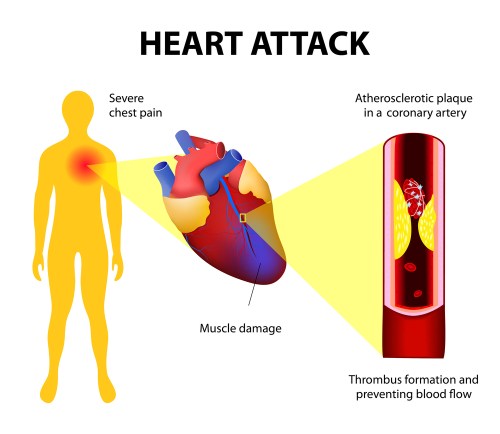
High blood pressure is linked to heart attacks

Very recently I’ve noticed hypertension patients taking their medications at bedtime. Now I know why.

From Medscape:

Taking antihypertensive medication at bedtime led to an almost halving of cardiovascular events in a new study.

The Hygia Chronotherapy Trial is the largest ever study to investigate the effect of the time of day when people take their antihypertensive medication on the risk of cardiovascular events.

The trial randomly assigned 19,084 patients to take their medication on waking or at bedtime and followed them for an average of 6 years.Results showed that patients who took their pills at bedtime had a 45% reduction in overall cardiovascular events. This included a 56% reduction in cardiovascular death, a 34% reduction in myocardial infarction (MI), a 40% reduction in coronary revascularization [bypass surgery and angioplasty/stenting], a 42% reduction in heart failure, and a 49% reduction in stroke, all of which were statistically significant.

***

“We showed that if blood pressure is elevated during sleep then patients have increased cardiovascular risk regardless of daytime pressure, and if blood pressure during sleep is normal then cardiovascular risk is low even if the [doctor’s] office pressure is elevated,” Hermida said.

***

Results showed that during the 6.3-year median patient follow-up, 1752 participants experienced the primary cardiovascular disease (CVD) outcome (a composite of CVD death, MI, coronary revascularization, heart failure, or stroke).

Drug classes at physicians’ disposal were ARBs (angiotensin receptor blockers, calcium channel blockers, ACE inhibitors, and diuretics. Preventative effects were most pronounced for ARBs and ACE inhibitors.

Don’t change your BP medication dosing until you check with your personal physician.

Source: Bedtime Dosing of Hypertension Meds Reduces CV Events

Did you know most heart attacks occur in the morning, and those tend to be the most serious?

Steve Parker, M.D.

Steve Parker MD, Advanced Mediterranean Diet

Click the pic to purchase at Amazon.com. E-book versions also available at Smashwords. com.


Animal Versus Plant Protein: Which Is Healthier?

Filet mignon and sautéed asparagus

“In this large prospective study, higher plant protein intake was associated with lower total and CVD-related mortality. Although animal protein intake was not associated with mortality outcomes, replacement of red meat protein or processed meat protein with plant protein was associated with lower total, cancer-related, and CVD-related mortality.”

Source: Association of Animal and Plant Protein Intake With All-Cause and Cause-Specific Mortality | Cardiology | JAMA Internal Medicine | JAMA Network

Steve Parker, M.D.

Steve Parker MD, Advanced Mediterranean Diet

Click the pic to purchase at Amazon.com