Category Archives: Coronavirus

Face masks: Panacea or Poppycock? #COVID19

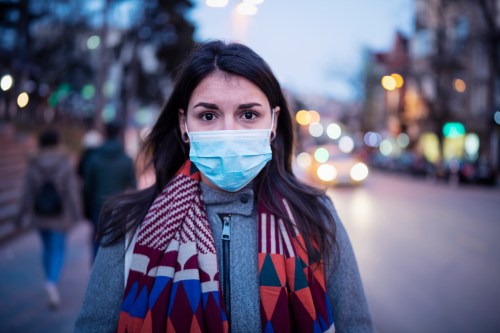
face mask, young woman
If she got the ‘rona, her mask my protect YOU, whether or not you wear a mask

Here’s an excerpt from the recent Danish study that questions the efficacy of facemarks in preventing transmission of SARS-CoV-2 virus. Note that there were ~3,000 folks in both the experimental and control groups. The experimental group wore surgical masks, so this study says nothing about cloth masks, N95s, or bandanas. Also note this study was done at at time early in the pandemic when mask-wearing by the public was not at all common, quite a bit different from today’s world in many places. The investigators suggest that for face masks to prevent transmission of the virus, the masks need to be worn by already-infected, viral-shedding people.

In this community-based, randomized controlled trial conducted in a setting where mask wearing was uncommon and was not among other recommended public health measures related to COVID-19, a recommendation to wear a surgical mask when outside the home among others did not reduce, at conventional levels of statistical significance, incident SARS-CoV-2 infection compared with no mask recommendation. We designed the study to detect a reduction in infection rate from 2% to 1%. Although no statistically significant difference in SARS-CoV-2 incidence was observed, the 95% CIs are compatible with a possible 46% reduction to 23% increase in infection among mask wearers. These findings do offer evidence about the degree of protection mask wearers can anticipate in a setting where others are not wearing masks and where other public health measures, including social distancing, are in effect. The findings, however, should not be used to conclude that a recommendation for everyone to wear masks in the community would not be effective in reducing SARS-CoV-2 infections, because the trial did not test the role of masks in source control of SARS-CoV-2 infection. During the study period, authorities did not recommend face mask use outside hospital settings and mask use was rare in community settings. This means that study participants’ exposure was overwhelmingly to persons not wearing masks.

Source: Effectiveness of Adding a Mask Recommendation to Other Public Health Measures to Prevent SARS-CoV-2 Infection in Danish Mask Wearers: A Randomized Controlled Trial: Annals of Internal Medicine: Vol 0, No 0

Steve Parker, M.D.

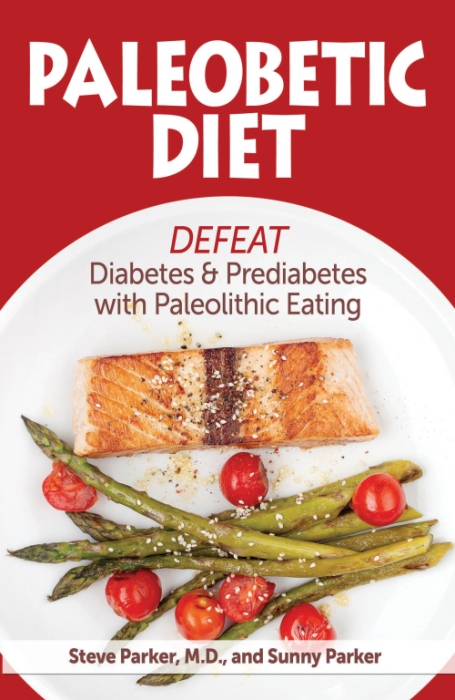
front cover of paleobetic diet

Click to purchase at Amazon.com. E-book also available at Smashwords. com.
Is a Patient With #COVID19 Infectious as Long as Their PCR Test Is Positive? #Coronavirus

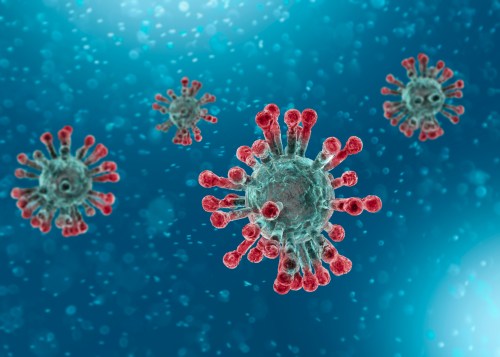
artist's rendition of coronavirus
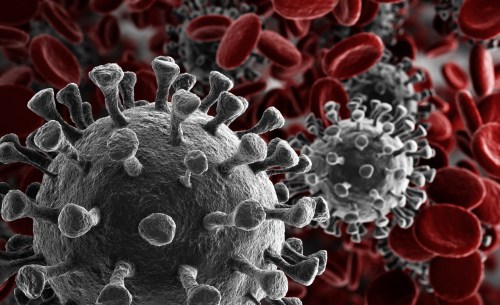
Artist’s rendition of Coronavirus

Investigators in the UK reviewed the literature of evidence on how long someone with COVID-19 remains infectious. Their answer: No longer than eight days after symptom onset. Source:

Viral cultures for COVID-19 infectivity assessment – a systematic review (Update 4) 

This is important to know because the PCR test for diagnosis of cases can remain positive for up to 83 days. Transmission of infection requires whole live virus – the more the better – not just the fragments of RNA that the PCR tests detect.

The best evidence for ongoing infectiousness is when virus from body fluids can be seen to grow in tissue cultures. Perhaps second best is when tissues or cell cultures are exposed to virus, and microscopic examination shows cell damage.

The commonly used clinical test of COVID-19 infection is called PCR (more accurately, reverse transcriptase polymerase chain reaction to RT-PCR). This test detects fragments of viral RNA, and amplifies them to make them easier to detect. The amount of amplification required for detection is called “cycle threshold” or Ct. If a lot of viral RNA is present, it doesn’t require much amplification. There are many different coronavirus tests on the market. If a test requires too much amplification (i.e., Ct is over 25-35), then it’s probably not a true positive test for SARS-CoV-2; it may be detecting RNA from some other coronavirus, or contamination. Interestingly, my patients have probably been tested with at least three or four different PCR tests over the last six months: the test reports I see never report their cycle threshold.

A false positive PCR test is one where the test is positive but the patient isn’t really infected. If you’re a government who wants a high “case” number, choose a test with a high Ct, over 30-35. (Again, it depends on the particular fragment of RNA being looked for, and other esoteric factors.)

The authors cited a couple cases of COVID-19 in which viral RNA was found in secretions at 78 and 83 days after initial diagnosis. They fully expect, however, that the RNA detected was viral debris, not whole infectious virus.

Remember, this is just one study. It hasn’t been peer-reviewed yet. We’re learning more as each month passes. Stay tuned.

Steve Parker, M.D.

front cover of paleobetic diet

Click to purchase at Amazon.com. E-book also available at Smashwords. com.

British Medical Journal Editor Is Skeptical About #COVID19 Vaccines #Coronavirus

professor, equations
The governments “top men” are working on it

Peter Doshi, an associate editor at British Medical Journal, is not favorably impressed with the recent vaccine trial announcements. “90% effective.” “95% effective!”

Coronavirus guru Anthony Fauci assures us that a coronavirus vaccine will only be FDA-approved if it’s “safe and effective.”

From Doshi:

But what will it mean exactly when a vaccine is declared “effective”? To the public this seems fairly obvious. “The primary goal of a covid-19 vaccine is to keep people from getting very sick and dying,” a National Public Radio broadcast said bluntly.

Peter Hotez, dean of the National School of Tropical Medicine at Baylor College of Medicine in Houston, said, “Ideally, you want an antiviral vaccine to do two things . . . first, reduce the likelihood you will get severely ill and go to the hospital, and two, prevent infection and therefore interrupt disease transmission.”

Yet the current phase III trials are not actually set up to prove either. None of the trials currently under way are designed to detect a reduction in any serious outcome such as hospital admissions, use of intensive care, or deaths. Nor are the vaccines being studied to determine whether they can interrupt transmission of the virus.

Will COVID-19 vaccines save lives? Current trials aren’t designed to tell us.
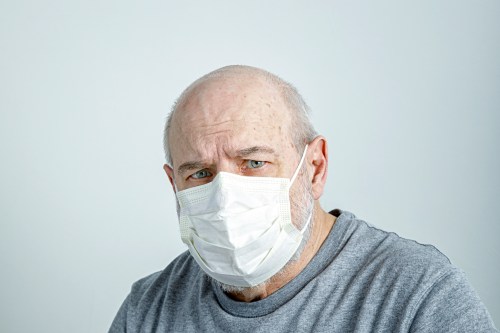
elderly man, face mask
Do you ever wonder why we didn’t see widespread use face masks during a typical flu season in the past?

Switching gears to the flu vaccine for a minute. The flu vaccine’s been a godsend in preventing influenza death among the frail elderly, right? Not so fast there, pardner. Doshi again:

But the truth is that the science remains far from clear cut, even for influenza vaccines that have been used for decades. Although randomised trials have shown an effect in reducing the risk of symptomatic influenza, such trials have never been conducted in elderly people living in the community to see whether they save lives.

Only two placebo controlled trials in this population have ever been conducted, and neither was designed to detect any difference in hospital admissions or deaths.

Moreover, dramatic increases in use of influenza vaccines has not been associated with a decline in mortality.

The Moderna and Pfizer trials enrolled 30,000 and 44,000 participants, respectively. That sounds like a lot of people to be vaccinated. But they only vaccinate half the folks. The other have serve as a control group. Next, the investigators track the occurrence of coronavirus events over time, then compare the two groups. An “event” may be anything from a cough plus positive COVID-19 PCR test, to hospitalization or death. Of course, they also look at potential adverse effect of vaccination, comparing the two groups.

The trials aren’t going to give us good information on COVID-19 hospitalizations and death rates because those outcomes are so infrequent. Most people with symptomatic COVID-19 experience only mild symptoms; there are relatively few cases of serious disease in a general population of 30,000.

Who needs a safe and effective vaccine the most?

  • Those over 60-65
  • Anybody seriously immunocompromised (i.e., a poor immune system too weak to fight infection).

Immunocompromised people are excluded from the seven ongoing trials. So these trials focus on those over 60, right? Wrong. The Moderna trial eligibility started at age 18. Pfizer’s accepted 12-year-olds.

Surely the vaccine trials will have some participants over 60-years-old. There just may not be enough to generate clinically meaningful data on serious disease outcomes and adverse effects in the elderly.

Who’s paying the millions of dollars for these studies?

Steve Parker, M.D.

PS: I am not generally anti-vaccination.

Update on Nov 18, 2020:

Steven Novella says Moderna developed their vaccine with a grant from the U.S. government. Pfizer funded themselves. Each vaccine has cost over two billion dollars to develop. They will be the first ever mRNA vaccines approved by the FDA. Our other vaccines are based on different technology. Both vaccines require two shots, 28 days apart.

front cover of paleobetic diet

Click to purchase at Amazon.com. E-book also available at Smashwords. com.
Virus Lockdowns Do More Harm Than Good #COVID19 #Coronavirus

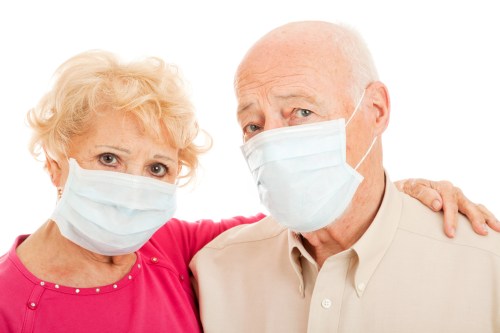
face mask, elderly, worried
They survived the 1957-1958 Asian flu pandemic

New York Post has an article written by Dr. Martin Kulldorff, professor of medicine at Harvard University; Dr. Sunetra Gupta, an epidemiologist at Oxford University; and Dr. Jay Bhattacharya, a physician and epidemiologist at Stanford University calling for a different approach to dealing with the novel coronavirus than the lockdown model:

As infectious-disease epidemiologists and public-health scientists, we have grave concerns about the damaging physical and mental-health impacts of the prevailing COVID-19 policies and recommend an approach we call Focused Protection.

Coming from both the left and right, and around the world, we have devoted our careers to protecting people. Current lockdown policies are producing devastating effects on short- and long-term public health.The results (to name a few) include lower childhood-vaccination rates, worsening cardiovascular-disease outcomes, fewer cancer screenings and deteriorating mental health — leading to greater excess mortality in years to come, with the working class and younger members of society carrying the heaviest burden. Keeping students out of school is a grave injustice.Keeping these measures in place until a vaccine is available will cause irreparable damage, with the underprivileged disproportionately harmed.

Source: Medical experts: Lockdowns do more harm than good

The article ultimately links to the Great Barrington Declaration. The current number of medical practitioner signatories is 34,663. I signed on a couple weeks ago. It’s very similar to my proposal of early April 2020.

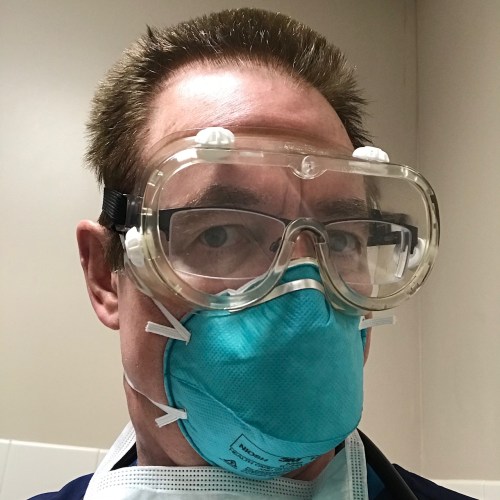
n95 mask, goggles
I’m ready for the 3nd wave in AZ
<p value="<amp-fit-text layout="fixed-height" min-font-size="6" max-font-size="72" height="80">Few of you will remember the <a href="https://www.cdc.gov/flu/pandemic-resources/1957-1958-pandemic.html">1957-1958 Asian flu (H2N2) pandemi</a>c. The estimated number of deaths was 1.1 million worldwide and <strong>116,000 in the United States</strong>. (U.S. population in 1957 was 172 million, half what it is now.) We didn't lockdown the population then. And we shouldn't now.Few of you will remember the 1957-1958 Asian flu (H2N2) pandemic. The estimated number of deaths was 1.1 million worldwide and 116,000 in the United States. (U.S. population in 1957 was 172 million, half what it is now.) We didn’t lockdown the population then. And we shouldn’t now.

Steve Parker, M.D.

front cover of paleobetic diet

Click to purchase at Amazon.com. E-book also available at Smashwords. com.
#COVID19 Vaccine Manufacturers Won’t Take Responsibility for Adverse Effects

artist rendition of coronavirus
Artist’s rendition of coronavirus

Developing safe and effective vaccines is a costly and expensive endeavor. One way to motivate vaccine manufacturers is to guarantee up front that governments will purchase large quantities of vaccine. From NEJM:

Equally important is offering companies protection against potentially substantial liability should Covid-19 vaccines cause real or perceived injuries to recipients. Manufacturers won’t agree to procurement contracts or ship vaccine without liability protection. According to an AstraZeneca executive, for example, in the company’s bilateral contracts, it has been granted protection against legal claims arising from the use of its vaccine products, since it “cannot take the risk” of liability. As early as 2006, the International Federation of Pharmaceutical Manufacturers and Associations, the global pharmaceutical-industry lobbying group, publicly demanded that manufacturers be granted protection from lawsuits associated with vaccine-related adverse events if they were going to participate in pandemic responses. In the United States, the Public Readiness and Emergency Preparedness Act provides manufacturers immunity from lawsuits related to injuries caused by vaccines, with narrow exceptions. People injured by Covid-19 vaccines must file claims with a fund administered by the Department of Health and Human Services.

For a vaccine that will most likely be distributed worldwide, there is an inevitable risk of serious adverse events, such as seizures and allergic reactions, even with a very safe product. Such events might not begin surfacing until a substantial number of people have been vaccinated. During the 2009 H1N1 influenza pandemic, the incidence of serious adverse events after immunization varied by country. In the United States, the Vaccine Adverse Event Reporting System received reports of such events at a rate of 2.45 per 100,000 doses. China’s equivalent surveillance system found that 1083 of the 8067 adverse events recorded (1.21 per 100,000 doses) were serious. Compensation costs also varied. One H1N1 vaccine that contained an adjuvant was associated with an increased risk of narcolepsy, which resulted in substantial compensation claims in Northern European countries.

Source: No-Fault Compensation for Vaccine Injury — The Other Side of Equitable Access to Covid-19 Vaccines | NEJM

So the vaccine manufacturers smartly offload the liability risk onto governments. The manufacturers don’t mind at all if fears of COVID-19 are overblown: they sell more vaccine in that environment. Looking at all comers, the risk of death or serious adverse effects from COVID-19 are under 0.5% for an individual. The full risks of an adverse effect from a vaccine may not be known for several years after release. This is why so many folks will be reluctant to take the vaccine. The risk:benefit ratio will vary with your age and co-morbidities. For instance, an obese 70-year-old with diabetes, heart failure, and emphysema may benefit from the vaccine very much more than a healthy 25-year-old.

Steve Parker, M.D.

PS: Reduce your risk of death by getting and staying as healthy as possible. Let me help:

front cover of paleobetic diet

Click to purchase at Amazon.com. E-book also available at Smashwords. com.
How to Have a Virus-Free Thanksgiving #COVID19 #Coronavirus

thanksgiving, turkey, family
No masks and no social distancing

Click for the Centers for Disease Control’s advice. Like don’t travel. Six-foot social distancing. Have guests (risky!) bring their own food, beverages, and utinsils. Eat outdoors.

My family will be ignoring many of many of the CDCs tips. We’ve invited an elderly couple over to the house, and they’re not very healthy. My son and stepson are coming in from out of town. We’re eating indoors.

But we’ll wash our hands more than usual.

I’m wishing you an happy and healthy Thanksgiving with people you love. You can’t be sure when or if you’ll see them again.

Steve Parker, M.D.

front cover of paleobetic diet

Click to purchase at Amazon.com. E-book also available at Smashwords. com.
How Effective Is Remdesivir for #Covid19 ?  #CoronaVirus 

artist rendition of coronavirus
Are you tired of this pic yet?

At the hospital where I work, the active treatment options we have for COVID-19 are dexamethasone, convalescent plasma, and remdesivir.

From NEJM:

In an analysis that used a proportional-odds model with an eight-category ordinal scale, the patients who received remdesivir were found to be more likely than those who received placebo to have clinical improvement at day 15 (odds ratio, 1.5; 95% CI, 1.2 to 1.9, after adjustment for actual disease severity). The Kaplan–Meier estimates of mortality were 6.7% with remdesivir and 11.9% with placebo by day 15 and 11.4% with remdesivir and 15.2% with placebo by day 29 (hazard ratio, 0.73; 95% CI, 0.52 to 1.03). Serious adverse events were reported in 131 of the 532 patients who received remdesivir (24.6%) and in 163 of the 516 patients who received placebo (31.6%).

CONCLUSIONS

Our data show that remdesivir was superior to placebo in shortening the time to recovery in adults who were hospitalized with Covid-19 and had evidence of lower respiratory tract infection.

Source: Remdesivir for the Treatment of Covid-19 — Final Report | NEJM

Steve Parker, M.D.

PS: Obesity is linked to increase risk of COVID-19. Let me help.

front cover of paleobetic diet

Click to purchase at Amazon.com. E-book also available at Smashwords. com.
Does Vitamin D Help Prevent and Fight #COVID19 ? #Coronavirus

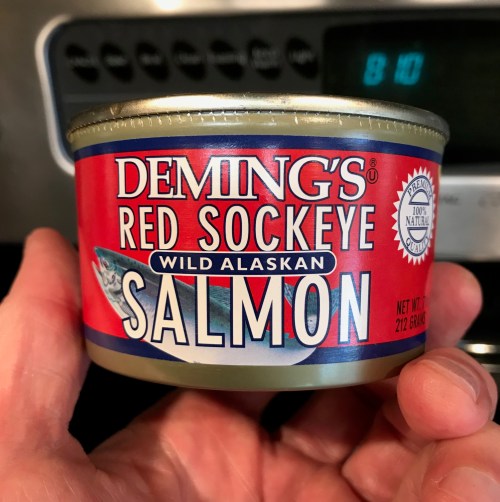
canned salmon
Dietary sources of vitamin D include cold-water fatty fish, red meat, liver, egg yolks, and some fortified foods. Of course, you can make your own vitamin D with enough skin exposure to sunlight.

Maybe. At vitamin D is relatively cheat and many folks are deficient in vitamin D yet don’t know it. From The Journal of Nutrition:

As others have mentioned, it is unlikely that one silver bullet will end the COVID-19 pandemic; however, evidence-based recommendations can be made that may reduce the risk of a severe response to SARS-CoV-2 infection or viral reactivation. Simpson and Katsanis have reported the benefits of exercising during the COVID-19 pandemic that was based on the evidence they found in their spaceflight research. We recommend that people maintain optimal vitamin D status to support immune function and lower their risk of viral reactivation, a recommendation that also comes from our National Aeronautics and Space Administration (NASA)–funded research. We are not advocating for ultra-high doses of vitamin D supplementation because of possible side effects, but rather a level of supplementation that will prevent vitamin D deficiency and maintain serum concentrations >30 ng/mL. We determined from our Antarctic research that doses of 1000–2000 IU/d, which are within IOM guidelines, are likely sufficient. Modifiable measures such as these may have the potential to safely and easily offer some protection and reduce risk.

Source: Vitamin D and COVID-19: Lessons from Spaceflight Analogs | The Journal of Nutrition | Oxford Academic

Steve Parker, M.D.

PS: The Advanced Mediterranean diet promotes cold-water fatty fish consumption. But it’s not a requirement.

front cover of paleobetic diet

Click to purchase at Amazon.com. E-book also available at Smashwords. com.

#COVID-19 May Suppress the Flu Over Next Six Months

…in the northern hemisphere. Our flu season starts in November and runs through April, more or less. The coronavirus pandemic seems to have greatly diminished the flu season in the southern hemisphere. Remember, when it’s summer in the northern ‘sphere, it’s winter down there. And winter is flu season.

Artist’s rendition of Coronavirus

So if you think you’re going to die from the combination of flu and COVID-19, find something else to lose sleep over.

From Daily Mail:

“In Australia, just 14 positive flu cases were recorded in April, compared with 367 during the same month in 2019 – a 96 per cent drop. 

By June, usually the peak of its flu season, there were none. In fact, Australia has not reported a positive case to the WHO since July.

In Chile, just 12 cases of flu were detected between April and October. There were nearly 7,000 during the same period in 2019.” https://www.dailymail.co.uk/health/article-8875201/Has-Covid-killed-flu.html

“And in South Africa, surveillance tests picked up just two cases at the beginning of the season, which quickly dropped to zero over the following month – overall, a 99 per cent drop compared with the previous year.

In the UK, our flu season is only just beginning. But since Covid-19 began spreading in March, just 767 cases have been reported to the WHO compared with nearly 7,000 from March to October last year. “

Read the article for theories on how the pandemic may be influencing influenza.

Steve Parker, M.D.

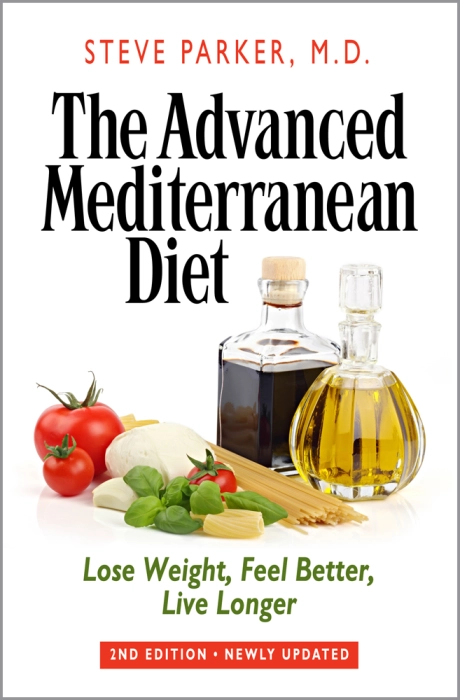
Steve Parker MD, Advanced Mediterranean Diet
Click the pic to purchase at Amazon.com. E-book versions also available at Smashwords. com.

Who Dies From #COVID19 #Coronavirus in the U.S.?

Artist’s rendition of Coronavirus

In July, the CDC published data on the characteristics of 50,000 U.S. residents who died of COVID-19 between mid-Feb and mid-May, 2020.

Some points:

  • 55% were male
  • 80% were aged ≥65 years
  • 14% were Hispanic/Latino (Hispanic)
  • 21% were black
  • 40% were white
  • 4% were Asian
  • 0.3% were American Indian/Alaska Native (AI/AN),
  • 3% were multiracial or other race
  • race/ethnicity was unknown for 18.0%
  • median decedent age was 78 years (median means half who died were over 78, half were under 78)

CDC didn’t have much clinical data on all 50,000 decedents. But they were able to collect supplementary data on close to 11,000 of them;

  • 61% were male
  • 75% were aged ≥65 years
  • 24% were Hispanic
  • 25% were black
  • 35% were white
  • 6% were Asian
  • 3% were multiracial or other race
  • race/ethnicity was unknown for 6%
  • decedent age varied by race and ethnicity; median age was 71 years among Hispanic decedents, 72 years among all nonwhite, non-Hispanic decedents, and 81 years among white decedents. The percentages of Hispanic (35%) and nonwhite (30%) decedents who were aged <65 years were more than twice those of white decedents (13%)

What about underlying conditions among these 11,000 decedents for whom supplementary data was available?

At least one underlying medical condition was reported for 8,134 (76%) of decedents for whom sup­plementary data were collected, including 83% of decedents aged <65 years. Overall, the most common underlying medical conditions were:

  • cardiovascular disease (61%)
  • diabetes mellitus (40%)
  • chronic kidney disease (21%)
  • chronic lung disease (19%)
  • among decedents aged <65 years, 83% had one or more underlying medical conditions
  • among decedents aged ≥85 years, 70% had one or more underlying medical conditions
  • diabetes was more common among decedents aged <65 years (50%) than among those aged ≥85 years (26%).

From the CDC report

Regional and state level efforts to examine the roles of these factors in SARS-CoV-2 transmission and COVID-19-associated deaths could lead to targeted, community-level, mortality prevention initiatives. Examples include health communication campaigns targeted towards Hispanics and nonwhite persons aged <65 years. These campaigns could encourage social distancing and the need for wearing cloth face coverings in public settings. In addition, health care providers should be encouraged to consider the possibility of disease progression, particularly in Hispanic and nonwhite persons aged <65 years and persons of any race/ethnicity, regardless of age, with underlying medical conditions, especially diabetes.

Steve Parker, M.D.

Steve Parker MD, Advanced Mediterranean Diet

Click the pic to purchase at Amazon.com. E-book versions also available at Smashwords. com.