Category Archives: Coronary Heart Disease

Mediterranean Diet Prevents Progression of Coronary Artery Disease

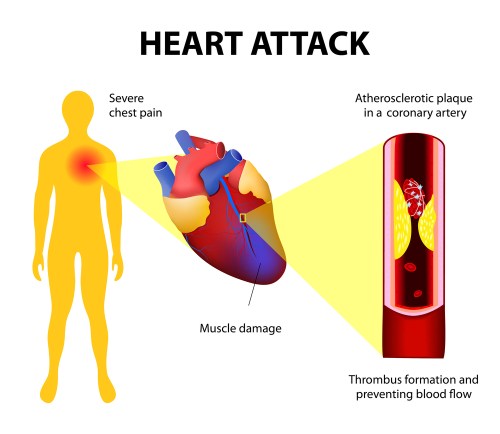
Heart attacks and chest pains are linked to blocked arteries in the heart

Most patients with a heart attack have underlying atherosclerosis (“hardening of the arteries”) in the heart, called coronary artery disease. Around the time of a heart attack (if not before), doctors and patients should focus on mitigating risk factors for future heart attacks and other cardiac events. This is called “secondary prevention.” Risk factor modification might include smoking cessation, regular exercise, stress reduction, and diet modification. For years, I’ve been recommending the Mediterranean diet. Many others recommend a low-fat diet instead. A recent study supports my diet recommendation.

One way to assess risk of progressive atherosclerosis is to measure the thickness of the the carotid artery wall by ultrasound. Increasing thickness of the artery wall is linked to higher risk of atherosclerotic complications like heart attack and stroke. To drill down deeper, it’s the thickness of the innermost two layers of the artery wall, called the intima-media, that matters. The study at hand showed a reduction in carotid artery intima-media thickness over five years on a Mediterranean diet compared to a low-fat diet. Here’s the abstract:

Background and Purpose:

Lifestyle and diet affect cardiovascular risk, although there is currently no consensus about the best dietary model for the secondary prevention of cardiovascular disease. The CORDIOPREV study (Coronary Diet Intervention With Olive Oil and Cardiovascular Prevention) is an ongoing prospective, randomized, single-blind, controlled trial in 1002 coronary heart disease patients, whose primary objective is to compare the effect of 2 healthy dietary patterns (low-fat rich in complex carbohydrates versus Mediterranean diet rich in extra virgin olive oil) on the incidence of cardiovascular events. Here, we report the results of one secondary outcome of the CORDIOPREV study. Thus, to evaluate the efficacy of these diets in reducing cardiovascular disease risk. Intima-media thickness of both common carotid arteries (IMT-CC) was ultrasonically assessed bilaterally. IMT-CC is a validated surrogate for the status and future cardiovascular disease risk.

Methods:

From the total participants, 939 completed IMT-CC evaluation at baseline and were randomized to follow a Mediterranean diet (35% fat, 22% monounsaturated fatty acids, <50% carbohydrates) or a low-fat diet (28% fat, 12% monounsaturated fatty acids, >55% carbohydrates) with IMT-CC measurements at 5 and 7 years. We also analyzed the carotid plaque number and height.

Results:

The Mediterranean diet decreased IMT-CC at 5 years (−0.027±0.008 mm; P<0.001), maintained at 7 years (−0.031±0.008 mm; P<0.001), compared to baseline. The low-fat diet did not modify IMT-CC. IMT-CC and carotid plaquemax height were higher decreased after the Mediterranean diet, compared to the low-fat diet, throughout follow-up. Baseline IMT-CC had the strongest association with the changes in IMT-CC after the dietary intervention.

Conclusions:

Long-term consumption of a Mediterranean diet rich in extravirgin olive oil, if compared to a low-fat diet, was associated with decreased atherosclerosis progression, as shown by reduced IMT-CC and carotid plaque height. These findings reinforce the clinical benefits of the Mediterranean diet in the context of secondary cardiovascular prevention.

Reference

Parker here again. Undoubtedly, it would be more helpful if the investigators reported the actual rates of heart attack, stroke, and death in the two diet groups over five years. I suspect that will be in a future report.

An article in Clinical Cardiology states the serious nature of coronary artery disease (CAD) in those with diabetes (DM): “CAD is the main cause of death in both type 1 and type 2 DM, and DM is associated with a 2 to 4-fold increased mortality risk from heart disease. Over 70% of people >65 years of age with DM will die from some form of heart disease or stroke. Furthermore, in patients with DM there is an increased mortality after MI [myocardial infarction], and worse overall long-term prognosis with CAD.”

Steve Parker, M.D.
front cover of paleobetic diet

Click to purchase at Amazon.com. E-book also available at Smashwords. com.
“Doc, I Have a Positive COVID-19 Test But Feel Fine. Am I Infectious?”

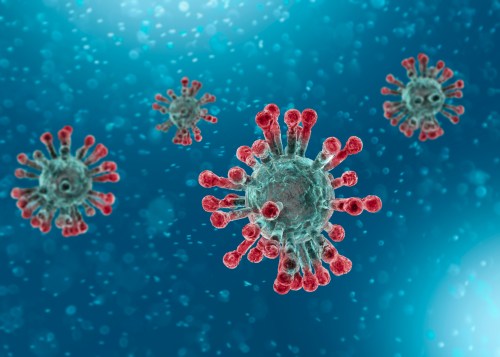
artist's rendition of coronavirus
Artist’s rendition of Coronavirus SARS-CoV-2

One of the arguments for forcing everybody to take a COVID-19 vaccine is that you could have the virus infecting you, but not know it because you have no symptoms. I.e., you’re an asymptomatic “case.” Then you engage with others, coughing and sneezing and spitting on their food, resulting in transmission of your infection to others. Your germs in the wrong person – e.g., old and sickly – could kill them.

I haven’t done a formal search of the medical literature yet, but did run across one article addressing transmission of SARS-CoV-2 infection by asymptomatic individuals. This article says it doesn’t happen

Abstract

Stringent COVID-19 control measures were imposed in Wuhan between January 23 and April 8, 2020. Estimates of the prevalence of infection following the release of restrictions could inform post-lockdown pandemic management. Here, we describe a city-wide SARS-CoV-2 nucleic acid screening programme between May 14 and June 1, 2020 in Wuhan. All city residents aged six years or older were eligible and 9,899,828 (92.9%) participated. No new symptomatic cases and 300 asymptomatic cases (detection rate 0.303/10,000, 95% CI 0.270–0.339/10,000) were identified. There were no positive tests amongst 1,174 close contacts of asymptomatic cases. 107 of 34,424 previously recovered COVID-19 patients tested positive again (re-positive rate 0.31%, 95% CI 0.423–0.574%). The prevalence of SARS-CoV-2 infection in Wuhan was therefore very low five to eight weeks after the end of lockdown.

https://www.nature.com/articles/s41467-020-19802-w

Go ahead and analyze the article and tell me why it’s invalid. It was generated in China, and some will say we can’t trust any of the pandemic info originating there.

Asymptomatic infection with various germs is a real thing. Off the top of my head, I can’t think of any respiratory infection for which we would isolate an asymptomatic patient. Because they’re not a significant infectious risk to others.

It appears that a person with symptomatic COVID-19 can shed potentially infectious particles for some period of time even after they’re feeling back to normal. We’ve shortened that period of viral shedding as we’ve learned more about this virus (is it about a week now?).

Fauci told us earlier this year that vaccinated folks are getting symptomatic COVID-19 infections and they’re just as infectious as the un-vaccinated symptomatic patients.

The most common arguments against mandated COVID-19 vaccinations are:

  • The vaccinations haven’t been proven to be adequately safe, so I’ll take my chances with catching the virus. I’ll reconsider after we have 3-5 years of good clinical data on effectiveness and adverse events.
  • I’ve already had COVID-19 so I’m immune and present no infectious risk to anybody else.
  • I feel fine but if I develop COVID-19 symptoms I’ll get tested right away and self-isolate until I’m not a risk to anyone else.
  • The religious exemption: God gave me this life and body so I need to be a good steward and protect it. The vaccine may kill me or permanently injure me, whereas as I might never catch the virus. And if I did, I have a great chance of recovering fully. OR: I’ll depend on God to protect me. If I get sick, it’s God’s will and I accept it. OR: click for extensive documentation from Orthodox Christianity.
  • My body, my choice.

Steve Parker, M.D.

front cover of paleobetic diet

Click to purchase at Amazon.com. E-book also available at Smashwords. com.

Sweden Suspends Moderna COVID-19 Vaccination for Those Under 30

…because of the risk of myocarditis (heart inflammation). Daily Mail reports.

U.S. Deaths Attributable to COVID-19 Vaccines

elderly man, face mask
If he’s age 85 and has obesity, diabetes, COPD, and CHF, odds of death over next six months are relatively high, regardless of COVID-19 vaccination

A computer programmer and healthcare data analyst alleges that deaths potentially attributable to COVID-19 vaccines as of July 2021 are 45,000. Not the 9,000 in the Vaccine Adverse Event Reporting System (VAERS) database. Here’s part of the sworn statement of a whistleblower:

On July 9, 2021, there were 9,048 deaths reported in VAERS. I verified these numbers by collating all of the data from VAERS myself, not relying on a third party to report them. In tandem, I queried data from CMS medical claims with regard to vaccines and patient deaths, and have assessed that the deaths occurring within 3 days of vaccination are higher than those reported in VAERS by a factor of at least 5. This would indicate the true number of vaccine-related deaths was at least 45,000. Put in perspective, the swine flu vaccine was taken off the market which only resulted in 53 deaths.

https://renz-law.com/45k-whistleblower-suit

Even the figure of 9,048 deaths attributable to the vaccine is highly debatable. Could be lower, could be higher. I’m not sure anybody anybody knows the true number. But I bet it’s higher than Fauci and most public health authorities claim.

In the U.S., 162,000,000 have been fully vaccinated thus far. If 9,048 actually died from the vaccination, the odds of death for an individual are 0.0056%. If the true number is five times higher, the odds are 0.028%. In more understandable terms, the risk of death is 1 in 18,900 versus 1 in 89,000. If my math is correct.

If the whistleblower’s figure is correct, a one in 18,900 chance of death doesn’t sound too bad. But what if the age-adjusted rates are more like one in a million for 20-year olds compared to one in 1,000 for 60-year-olds? Would that affect your vaccination decision if you’re a healthy 60-years-old?

Astute reader will note my ignoring the other potential adverse effects of the experimental vaccines, including blood clots, strokes, heart attacks, myocarditis, and miscarriages. And effects that may take several years to manifest. Remember, these are the first ever gene therapy vaccines tried in humans.

I’ve never seen the consent form for a COVID-19 vaccine. If it doesn’t at least mention the possiblity of death, it’s not informed consent. It’s fraud.

Steve Parker, M.D.

front cover of paleobetic diet

Click to purchase at Amazon.com. E-book also available at Smashwords. com.

Olive Oil Lowers Cardiovascular Disease Risk

Steve Parker MD, low-carb diet, diabetic diet
Olives, olive oil, and vinegar: classic Mediterranean foods

A new analysis of the Nurses Health Study confirms the headline above. Olive oil, of course, is a primary component of the healthy Mediterranean diet. From the American College of Cardiology:

Higher olive oil intake was associated with a lower risk of CHD [coronary heart disease] and total CVD [cardiovascular disease] in two large prospective cohorts of US men and women. The substitution of margarine, butter, mayonnaise, and dairy fat with olive oil could lead to lower risk of CHD.

***

This study of well-educated health professionals is the first in the United States to show the relative value of higher intake of olive oil for preventing CHD and CVD. It was conducted in the era that margarine was primarily trans fatty acids and would not apply to the present soft and liquid margarines. The benefit attributed to olive oil is not simply the substitution for saturated fatty acid. The modest benefit of olive oil in the United States occurred at relatively low olive oil intake (average 12 g/day). In contrast, the Mediterranean diet generally has over 25 g/day. In European studies, a healthy cohort had a 7% reduction in CHD risk for each 10 g/d increase in olive oil; extra virgin olive oil reduced cerebrovascular events by 31% in a high-risk group, and regular olive oil was associated with a 44% lower risk of CHD after about 7.8 years in Italian women survivors of an MI. Amongst the benefits of olive oil include positive effects on inflammation, endothelial function, hypertension, insulin sensitivity, and diabetes.

Source: Olive Oil Consumption and Cardiovascular Risk – American College of Cardiology

Steve Parker, M.D.

front cover of paleobetic diet

Click to purchase at Amazon.com. E-book also available at Smashwords. com.
Is Body Weight Linked to Survival of Heart Patients with #COVID19? #Coronavirus

This can’t be a good prognostic sign

Maybe…

We have very little data thus far relating body mass index and survival of COVID-19 in any population.

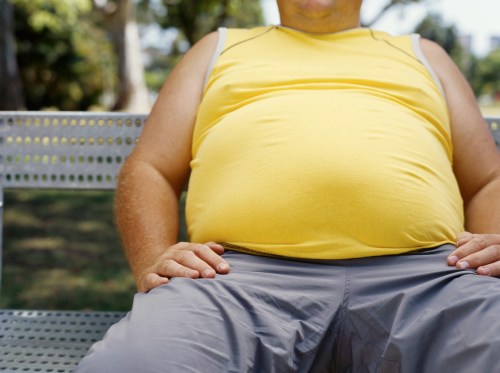
I ran across a small study out of Wuhan, China. Researchers compared 16 heart patients admitted to the ICU with 96 admitted elsewhere in the hospital. Of the non-survivors, nearly all had BMI over 25. Of the survivors, only one in five had BMI over 25.

Conclusion: COVID-19 patients combined with cardiovascular disease are associated with a higher risk of mortality. Critical patients are characterized with lower lymphocyte counts. Higher BMI are more often seen in critical patients and non-survivor. ACE inhibitor/Angiotensin receptor blocker drug use does not affect the morbidity and mortality of COVID-19 combined with cardiovascular disease. Aggravating causes of death include fulminant inflammation, lactic acid accumulation and thrombotic events.

Remember, in non-Asians, BMI between 25 and 30 is simply overweight. BMI over 30 qualifies as obesity in most cases. In the U.S., about a third of adults are overweight, and a third are obese.

Adverse effects of obesity occurs at lower BMIs in Chinese and other populations. So obesity in Chinese adults is a BMI over 28. The obesity rate among both men and women in China is 14%.

Source: [Clinical Characteristics and Outcomes of 112 Cardiovascular Disease Patients Infected by 2019-nCoV] – PubMed

Steve Parker, M.D.

Steve Parker MD, Advanced Mediterranean Diet

Click the pic to purchase at Amazon.com. E-book versions also available at Smashwords. com.
Dog Ownership Lowers Risk of Death From Heart Attack and Stroke

Young Hank

From UPI:

A pair of new reports found that dog owners have a lower risk of early death than people without canine companionship, particularly when it comes to dying from a heart attack or stroke.

Dog ownership decreases a person’s overall risk of premature death by 24 percent, according to researchers who conducted a review of the available medical evidence.

The benefit is most pronounced in people with existing heart problems. Dog owners had a 65 percent reduced risk of death following a heart attack and a 31 percent reduced risk of death from heart disease, the researchers said.

Source: Having a dog can lower risk of death from heart attack, stroke – UPI.com

Steve Parker, M.D.

Steve Parker MD, Advanced Mediterranean Diet

Click the pic to purchase at Amazon.com. E-book versions also available at Smashwords. com.

Animal Versus Plant Protein: Which Is Healthier?

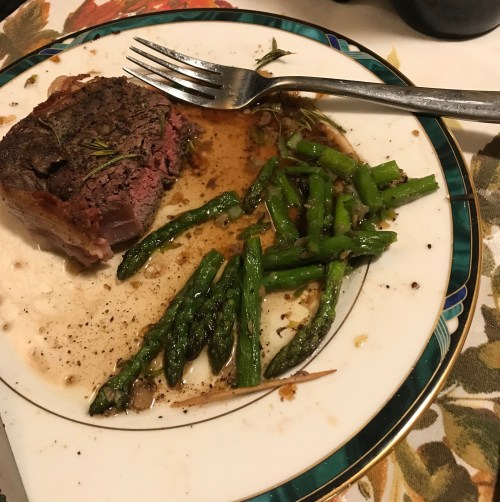
Filet mignon and sautéed asparagus

“In this large prospective study, higher plant protein intake was associated with lower total and CVD-related mortality. Although animal protein intake was not associated with mortality outcomes, replacement of red meat protein or processed meat protein with plant protein was associated with lower total, cancer-related, and CVD-related mortality.”

Source: Association of Animal and Plant Protein Intake With All-Cause and Cause-Specific Mortality | Cardiology | JAMA Internal Medicine | JAMA Network

Steve Parker, M.D.

Steve Parker MD, Advanced Mediterranean Diet

Click the pic to purchase at Amazon.com

Gum Disease May Cause or Promote Alzheimer’s Disease

From Medical Xpress:

“Researchers have determined that gum disease (gingivitis) plays a decisive role in whether a person develops Alzheimer´s or not.

“We discovered DNA-based proof that the bacteria causing gingivitis can move from the mouth to the brain,” says researcher Piotr Mydel at Broegelmanns Research Laboratory, Department of Clinical Science, University of Bergen (UiB).

The bacteria produces a protein that destroys nerve cells in the brain, which in turn leads to loss of memory and ultimately, Alzheimer’s.”

Source: Brush your teeth—postpone Alzheimer’s

I take this with a large grain of salt. Click for detailed info on the theory and the Porphyromonas gingivalis bacterium. This organism is the most common bacterium found in the arteries of patients with cardiovascular disease.

Steve Parker, M.D.

Steve Parker MD, Advanced Mediterranean Diet

Click the pic to purchase at Amazon.com in the U.S.

Is It Time to Abandon the Mediterranean Diet?

Bastian is also skeptical about the health benefits of judicious alcohol consumption. Fair enough.

Hilda Bastian at PLOS Blogs wrote about the recent retraction of a PREDIMED sub-study published in the New England Journal of Medicine in 2013. The suspect conclusion of that study was: “Among persons at high cardiovascular risk, a Mediterranean diet supplemented with extra-virgin olive oil or nuts reduced the incidence of major cardiovascular events.”

From Ms Bastian:

A very influential nutrition trial just tanked. It was retracted from the New England Journal of Medicine (NEJM) on 13 June, and re-published with new analyses and toned-down conclusions.Both Gina Kolata, writing in the New York Times, and Alison McCook, writing at NPR, imply, at least to some extent, that it might make no difference to the evidence. But I disagree.

Here’s what’s happened to the trial, and where I think it leaves the overall evidence.Called PREDIMED, it was a multi-center trial from Spain, with the NEJM final report published in 2013. Altogether, 7,447 people at risk of cardiovascular disease (CVD) – heart attack and stroke – were reported as randomized to one of 3 groups:

  • Mediterranean diet with free olive oil provided, along with individual and group training sessions at the start, and then quarterly;
  • Mediterranean diet with free nuts provided, along with individual and group training sessions at the start, and then quarterly;
  • Advice to reduce fat intake, with a leaflet – but after the first 3 years, people in this control group were also offered individual and group training sessions.

The primary endpoint for the trial was a composite one of major cardiovascular events: myocardial infarction, stroke, or CVD-related death. And the trial was stopped early. More people dropped out of the control group than the Mediterranean diet groups.There are several alarm bells here already, and we’ll come back to those.

Source: What Does the PREDIMED Trial Retraction & Reboot Mean for the Mediterranean Diet? | Absolutely Maybe

I encourage you to read Ms Bastian’s article if you enjoy such debates. I consider the 2013 PREDIMED sub-study to be one of numerous pieces of the nutritional puzzle.

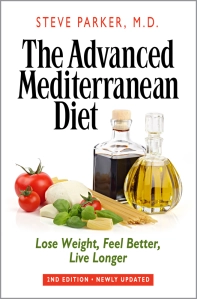
I published the 2nd edition of my Advanced Mediterranean Diet in 2012, so the 2013 PREDIMED sub-study was not available to me. At the end of my book you’ll find not one, but 43 scientific references supporting the healthfulness of the Mediterranean diet.

Steve Parker MD, Advanced Mediterranean Diet

Two diet books in one

Steve Parker, M.D.