Why Should I Care About Target Heart Rate?

To get the full health benefits of regular physical activity, you need to put some effort into it. A leisurely hour-long stroll in the mall while window-shopping doesn’t pass muster, although that’s better than nothing.

One rough way to gauge whether you’re working hard enough during aerobic exercise is to monitor your heart rate, also known as pulse. Subtract your age from 220. The result is your theoretical maximum heart rate in beats per minute. Your heart rate goal, or target, during sustained aerobic exercise is a pulse that is 60 to 80 percent of your theoretical maximum pulse. For example: maximum heart rate for a 40-year-old is 180 (220 – 40 = 180), so the target heart rate zone during exercise is between 108 and 144 (60 to 80 percent of 180). Exceeding the upper end of the target zone is usually too uncomfortable to be sustainable. Exercise heart rates below the target zone suggest you’re not working hard enough to reap the full long-term benefits of aerobic exercise.

Here’s how to determine your pulse. After five or 10 minutes of exercise, stop moving and place the tips of your first two fingers lightly over the pulse spot inside your wrist just below the base of your thumb. Count the pulsations for 15 seconds and multiply the number by four. The result is your pulse or heart rate. It will take some practice to find those pulsations coming from your radial artery. If you can’t find it, ask a nurse or doctor for help.

Like all rules-of-thumb, this target heart rate zone isn’t always an accurate gauge of cardiovascular workout intensity. For instance, it is of very little use in people taking drugs called beta blockers, which keep a lid on heart rate.

As you become more fit, you’ll notice that you have to work harder to get your heart rate up to a certain level. This is a sure sign that your heart and muscles are responding to your challenge. You may also want to monitor your resting heart rate taken in the morning before you get out of bed. Unfit, sedentary people have resting pulses of 60 to 90. Athletes are more often in the 40s or low 50s. Their hearts have become more efficient and just don’t need to beat as often to get the job done.

As you become more fit, you’ll also notice that you have more energy overall and it’s easier to move about and handle physical workloads. You’ll feel more relaxed and have a sense of accomplishment. Expect these benefits eight to 12 weeks after starting a regular exercise program.

Steve Parker, M.D.

Anti-Aging and Other Metabolic Benefits of Exercise

At my Diabetic Mediterranean Diet blog, I recently noted that regular physical activity prevented or postponed death. Onward now to other benefits.

Waist Management

Where does the fat go when you lose weight dieting? Chemical reactions convert it to energy, water, and carbon dioxide, which weigh less than the fat. Most of your energy supply is used to fuel basic life-maintaining physiologic processes at rest, referred to as resting or basal metabolism. Basal metabolic rate (BMR) is expressed as calories per kilogram of body weight per hour.

The major determinants of BMR are age, sex, and the body’s relative proportions of muscle and fat. Heredity plays a lesser role. Energy not used for basal metabolism is either stored as fat or converted by the muscles to physical activity. Most of us use about 70 percent of our energy supply for basal metabolism and 30 percent for physical activity. Those who exercise regularly and vigorously may expend 40–60 percent of their calorie intake doing physical activity. Excess energy not used in resting metabolism or physical activity is stored as fat.

Insulin, remember, is the main hormone converting that excess energy into fat; and carbohydrates are the major cause of insulin release by the pancreas.

To some extent, overweight and obesity result from an imbalance between energy intake (food) and expenditure (exercise and basal metabolism). Excessive carbohydrate consumption in particular drives the imbalance towards overweight, via insulin’s fat-storing properties.

In terms of losing weight, the most important metabolic effect of exercise is that it turns fat into weightless energy. We see that weekly on TV’s “Biggest Loser” show; participants exercise a huge amount. Please be aware that conditions set up for the show are totally unrealistic for the vast majority of people.

Physical activity alone as a weight-loss method isn’t very effective. But there are several other reasons to recommend exercise to those wishing to lose weight. Exercise counteracts the decrease in basal metabolic rate seen with calorie-restricted diets. In some folks, exercise temporarily reduces appetite (but others note the opposite effect). While caloric restriction during dieting can diminish your sense of energy and vitality, exercise typically does the opposite. Many dieters, especially those on low-calorie poorly designed diets, lose lean tissue (such as muscle and water) in addition to fat. This isn’t desirable over the long run. Exercise counteracts the tendency to lose muscle mass while nevertheless modestly facilitating fat loss.

How much does exercise contribute to most successful weight-loss efforts? Only about 10 percent on average. The other 90 percent is from food restriction.

Fountain of Youth

Regular exercise is a demonstrable “fountain of youth.” Peak aerobic power (or fitness) naturally diminishes by 50 percent between young adulthood and age 65. In other words, as age advances even a light physical task becomes fatiguing if it is sustained over time. By the age of 75 or 80, many of us depend on others for help with the ordinary tasks of daily living, such as housecleaning and grocery shopping. Regular exercise increases fitness (aerobic power) by 15–20 percent in middle-aged and older men and women, the equivalent of a 10–20 year reduction in biological age! This prolongation of self-sufficiency improves quality of life.

Heart Health

Exercise helps control multiple cardiac (heart attack) risk factors: obesity, high cholesterol, elevated blood pressure, high triglycerides, and diabetes. Regular aerobic activity tends to lower LDL cholesterol, the “bad cholesterol.” Jogging 10 or 12 miles per week, or the equivalent amount of other exercise, increases HDL cholesterol (“good cholesterol”) substantially. Exercise increases heart muscle efficiency and blood flow to the heart. For the person who has already had a heart attack, regular physical activity decreases the incidence of fatal recurrence by 20–30 percent and adds an extra two or three years of life, on average.

Effect on Diabetes

Eighty-five percent of type 2 diabetics are overweight or obese. It’s not just a random association. Obesity contributes heavily to most cases of type 2 diabetes, particularly in those predisposed by heredity. Insulin is the key that allows bloodstream sugar (glucose) into cells for utilization as energy, thus keeping blood sugar from reaching dangerously high levels. Overweight bodies produce plenty of insulin, often more than average. The problem in overweight diabetics is that the cells are no longer sensitive to insulin’s effect. Weight loss and exercise independently return insulin sensitivity towards normal. Many diabetics can improve their condition through sensible exercise and weight management.

Miscellaneous Benefits

In case you need more reasons to start or keep exercising, consider the following additional benefits: 1) enhanced immune function, 2) stronger bones, 3) preservation and improvement of flexibility, 4) lower blood pressure by 8–10 points, 5) diminished premenstrual bloating, breast tenderness, and mood changes, 6) reduced incidence of dementia, 7) less trouble with constipation, 7) better ability to handle stress, 8) less trouble with insomnia, 9) improved self-esteem, 10) enhanced sense of well-being, with less anxiety and depression, 11) higher perceived level of energy, and 12) prevention of weight regain.

People who lose fat weight but regain it cite lack of exercise as one explanation. One scientific study by S. Kayman and associates looked at people who dropped 20 percent or more of their total weight, and the role of exercise in maintaining that loss. Two years after the initial weight loss, 90 percent of the successful loss-maintainers reported exercising regularly. Of those who regained their weight, only 34 percent were exercising.

Steve Parker, M.D.

Getting Started With Strength Training

What’s “strength training”? It’s also called muscle-strengthening activity, resistance training, weight training, and resistance exercise. Examples include lifting weights, work with resistance bands, digging, shoveling, yoga, push-ups, chin-ups, and other exercises that use your body weight or other loads for resistance.

Strength training three times a week increases your strength and endurance, allows you to sculpt your body to an extent, and counteracts the loss of lean body mass (muscle) so often seen during efforts to lose excess weight. It also helps maintain your functional abilities as you age. For example, it’s a major chore for many 80-year-olds to climb a flight of stairs, carry in a bag of groceries from the car, or vacuum a house. Strength training helps maintain these abilities that youngsters take for granted.

According to the U.S. Centers for Disease Control and Prevention: “To gain health benefits, muscle-strengthening activities need to be done to the point where it’s hard for you to do another repetition without help. A repetition is one complete movement of an activity, like lifting a weight or doing a sit-up. Try to do 8–12 repetitions per activity that count as 1 set. Try to do at least 1 set of muscle-strengthening activities, but to gain even more benefits, do 2 or 3 sets.”

If this is starting to sound like Greek to you, consider instruction by a personal trainer at a local gym or health club. That’s a good investment for anyone unfamiliar with strength training, in view of its great benefits and the potential harm or waste of time from doing it wrong. Alternatives to a personal trainer would be help from an experienced friend or instructional DVD. If you’re determined to go it alone, Internet resources may help, but be careful. Consider “Growing Stronger: Strength Training for Older Adults” (http://www.cdc.gov/physicalactivity/downloads/growing_stronger.pdf). Don’t let the title turn you off if you’re young—its a good introduction to strength training for folks of any age. Doug Robb’s blog, HealthHabits, is a wonderful source of strength training advice (http://www.healthhabits.ca/).

People with diabetes must be particularly cautious before starting a fitness program.

Current strength training techniques are much different than what you remember from high school 30 years ago—modern methods are better. Some of the latest research suggests that strength training may be even more beneficial than aerobic exercise.

Steve Parker, M.D.

Words to Live By

Michael Pollan is credited with the aphorism, “Eat food. Not too much. Mostly plants.” Tag lines are just good marketing; nothing wrong with that as long as it’s honest.

Bill Gottlieb interviewed me last year on the topic of prediabetes for his upcoming book (Bottom Line’s Breakthroughs in Natural Healing 2012). Bill had given me a preparatory list of questions, one of which was,”What are the best dietary recommendations? I’m looking for fun, fresh specificity here—along the lines of your book!” Also, “What’s the best way for a person to implement it—specific, practical, small-step actions that would lead to actually changing the diet?”

We didn’t have a chance to get to those in the interview, but here are some of my thoughts:

  • Give up all man-made food*
  • Give up all sugar-sweetened sodas and “sports drinks”
  • Give up all flour products
  • Give up all flours, starches, and added sugars
  • Give up deserts

But “giving up” is not a message people want to hear when contemplating a diet change, even if it’s for their own good. Nor do they want to hear, “Don’t eat . . .” “Avoid” and “cut back on” are not specific. “Forego” works, but is just a euphemism for “give up.”

“Eat only God-made foods” works for me but might turn off the atheists and agnostics.

Here’s a more marketable catch-phrase that I rather like and claim as my own:

Eat natural food.*

By “natural,” I mean “present in or produced by nature.” This would not include candy bars, potato and corn chips, soda pop, sports drinks, apple pie, bread and other flour products, cookies, etc. That still leaves a lot of different foods to eat, including most of the items on the Low-Carb Mediterranean Diet and Advanced Mediterranean Diet.

Whether modern, mass-produced versions of fruits and vegetables are natural is a debate for another day. I suspect modern corn, for example, is nothing close to the maize cultivated by Native Americans 400 years ago.

Why the asterisk? The exceptions to the “eat natural food” rule are red wine, olive oil, and vinegar. Those are partly natural, partly man-made. (Where do we get vinegar?) The red wine and olive oil are potentially healthful, and many of us like vinegar on our natural salad vegetables.

Eat natural food.

I bet the average person eating the standard American diet would tend to lose excess weight and be healthier by making the switch.

Steve Parker, M.D.

* Exceptions: red wine, olive oil, vinegar

Book Review: The New Sonoma Diet

Last year I read The New Sonoma Diet: Trimmer Waist, More Energy in Just 10 Days, by Dr. Connie Guttersen, RD, PhD, published in 2010. Per Amazon.com’s rating system, I give it four stars (I like it).

♦ ♦ ♦

The New Sonoma weight-loss method works because it counteracts the major cause of overweight—excessive consumption of sugars and refined starches—through portion control. This Mediterranean-style program is likely to reap the major health benefits of the traditional Mediterranean diet: longer life and less chronic disease (heart attacks, strokes, high blood pressure, diabetes, dementia, and cancer).

The New Sonoma Diet: Trimmer Waist, More Energy in Just 10 DaysMost of the food recommendations herein are consistent with Monica Reinagel’s wonderful new book, Nutrition Diva’s Secrets for a Healthy Diet: What to Eat, What to Avoid, and What to Stop Worrying About. On Sonoma, you’ll eat natural, minimally processed, whole foods.

The primary improvements over the 2005 version of Sonoma are the time-saving and budget-saving strategies. The recipes are easier and quicker. I didn’t try any, but they sound yummy. Dr. Guttersen also exands the “Power Foods” from 10 to 12, adding beans and citrus fruit. I’m glad to see the author addressed many of my criticisms of her great 2005 book. I do miss the old refrigerator-ready pull-out depicting the subdivided plates.

Here’s a brief summary for those unfamiliar with Sonoma. There are three Waves. Wave 1 lasts 10 days and is supposed to break your addiction to sugar and refined flour. Wave 2 lasts until your weight-loss goal is reached, and provides more calories, wine if desired, and more variety. Wave 3 is the lifelong maintenance phase: more fruit and veggies, plus occasional sugary desserts, potatoes, and refined flour. Portion size is controlled either by following her exact recipes or through her plate method. Breakfast fits on a 7″ plate (or 2-cup bowl), while lunch and dinner are on 9″ plates, subdivided into various food groups such as proteins, grains, or veggies. Optional recipes are provided for Wave 1 and the first two weeks of Wave 2.

As in 2005, Dr. Guttersen doesn’t reveal how many calories you’ll be eating. My estimate for Wave 3 is 2000 a day. Less for the earlier Waves.

You’ll find indispensible information on shopping and food preparation. Keeping a food journal is rightfully promoted in certain circumstances. I like the discussion of psychological issues, mindful eating, dining out tips, and weight-loss stalls. The mindful eating portion reminded me of Evelyn Tribole’s Intuitive Eating: A Revolutionary Program That Works and Intuitive Eating: A Practical Guide to Make Peace with Food, Free Yourself from Chronic Dieting, Reach Your Natural Weight.

The author makes a few claims that are either wrong or poorly supported by the scientific literature. Examples include: 1) beans are linked to longer life and reduced heart disease risk, 2) grapes are almost as good as wine for heart protection, 3) the health benefits of spinach “border on the miraculous,” and spinach helps prevent inflammatory conditions such as arthritis and asthma, 4) whole grains prevent stroke, gastrointestinal cancer, and diabetes, 5) adding salt and butter for flavor is unhealthy, 6) medicinal qualities of herbs and spices are well documented, 7) saturated fats “are found exclusively in highly processed food products,” 8) you’ll break a lifetime craving for sugary sweets in Wave 1, 9) 64 ounces of water a day is ideal, 10) exercise significanlty helps most people with weight loss, 11) low-carb eating cannot be maintained because it’s unhealthy and unsatisfying, and 12) saturated fats raise the risk of heart disease.

Much of the book reads like an infomercial; at times I even wondered if it was ghost-written by a marketing professional. The author is unflaggingly optimistic. The testimonials would have more credibility if attributed to full names, not just “Betty” or “Bill.” She overstates the health benefits of the individual Power Foods, which are all plant-derived. I’d like to see cold-water fatty fish on the list.

Dr. Guttersen has great faith in observational studies linking specific foods to health outcomes; I have much less faith. Such studies are far from proof that specific foods CAUSE the outcome. They’re just associations, such as swimsuit sales being linked to warm weather. Warm weather doesn’t cause folks to buy swimsuits; the desire to swim does.

Speaking of associations, a multitude of observational studies link whole grain consumption with 20-25% lower risk of heart disease. We may never have proof of cause and effect because the appropriate study is so difficult. Sonoma recommends two whole grain servings a day, which is the heart-healthy “dose” supported by science.

The author’s discussion of exercise is improved over 2005’s, but is still minimal. Why not refer readers to respected Internet resources? We agree that exercise can help with weight-loss stalls and long-term maintenance of weight loss.

Overall, this is one of the healthiest weight-loss programs available. The average person won’t go wrong with Sonoma. In fact, Sonoma-style eating may be the healthiest of all for the normal-weight general public, with the exception of its avoiding saturated and total fat.

Steve Parker, M.D.

Book Review: The Dukan Diet

With a suspicion that the Dukan Diet may be the next diet fad in the U.S., I reviewed The Dukan Diet: 2 Steps to Lose the Weight, 2 Steps to Keep It Off Forever by Pierre Dukan (2011, first American edition). On Amazon.com’s rating system, I give it two stars.

♦ ♦ ♦

Think of Dukan as a Low-Fat Atkins Diet.

The Dukan Diet is apparently very popular in Europe. It’s comprised of four phases. The Attack Phase, also called “Pure Protein,” lasts usually two to seven days. Eat all you want from the protein-rich food list, mostly skinless chicken, low-fat meat, fish, and nonfat dairy. No carbs at all except for the dairy. The Cruise Phase is next: Alternate Pure Protein days with proteins and non-starchy vegetables until you’re at your goal weight. Eat all you want from the low-carb veggie list. Consolidation Phase lasts five days for every pound lost. Eat more variety but limited quantities: two slices of whole grain bread, one portion each of fruit and cheese daily, one or two servings of starchy carbs (e.g., legumes, flour, cereals), plus two “celebration meals” a week, carefully defined. Proteins and low-carb veggies are still unlimited. Finally, the Permanent Stabilization Phase is lifelong and similar to Consolidation Phase, but requires one Pure Protein day per week, such as Thursdays. Also, take no stairs or elevators. All phases include prescribed servings of oat bran.

During the active weight loss phases, this diet is low-fat, low-carb, and high-protein. You don’t have to count carb grams, fat grams, or calories. Presumably, Dr. Dukan has done all that for you, although he never shares the average calories consumed nor the macronutrient breakdown (i.e., what percentage of calories are derived from protein, fat, or carbs). The latter two phases are still very low-fat but allow a bit more carbs.

I liked this book more than I expected. It’s obvious the author has copious experience with dieters, especially women. The writing is clear. He’s a serious, earnest man, not a charlatan. Although some will criticize the book’s repetitiveness, it’s a proven educational technique. For weight management, Dr. Dukan and I agree that 1) weighing daily is good, 2) abstinence from sugar rarely eliminates the longing for sweets, 3) artificial no-calorie sweeteners are OK, 4) the 4-7 pound weight loss in Attack Phase is mostly water, not fat, 5) discipline and willpower are important, 6) after losing weight, you’ll regain it if you ever return to your old ways, and 7) a realistic weight goal is essential.

Dr. Dukan recommends at least 20-30 minutes a day of walking. He provides little information on resistance training, although increasing evidence supports it as a great weight control measure. I wish he’d mentioned high intensity interval training (HIIT).

The book contains numerous recipes, including a week of menus for the Attack Phase. Disappointingly, none of the recipes include nutritional analysis.

You’ll find an index. It doesn’t list glycogen. Insulin, a primary fat-storage hormone, is mentioned on only one page, one sentence.

This is one fat-phobic diet. In Dr. Dukan’s view, “fat in food is the overweight person’s most deadly enemy.” All fat consumption contributes to fatness, and animal fats “pose a potential threat to the heart.” It seems Dr. Dukan never got the memo that total and saturated fat content of foods have little, if anything, to do with heart or other cardiovascular disease. While criticizing Dr. Atkins’ diet for demonizing carbohydrates, Dr. Dukan demonizes fats. Yet Dr. Dukan does all he can to banish both carbohydrates and fats from his weight loss phases.

Dr. Dukan makes several erroneous statements, including 1) all food is made up of only three nutrients, 2) all alcoholic beverages are high in carbohydrates, 3) all shellfish are carbohydrate-free, 4) he implies that when dieting or fasting, we convert much of our fat into glucose, 5) there are no indispensable fats, 6) fat is bad for the cardiovascular system, 7) vinegar is the only food containing sour taste, 8) fruit is the only natural food containing rapid-assimilation sugars, 9) “Anyone who loses and regains weight several times becomes immune to dieting,” 10) weight loss releases into the bloodstream artery-toxic fat and cholesterol, 11) many overweight folks are unusually good at extracting calories from food, 12) some people can gain weight even while they sleep, 13) exercise is vitally important for losing weight, and 14) the Atkins diet raises triglycerides and cholesterol levels dangerously.

Will the diet work? I’m sure many have lost weight with it and kept it off. It does, after all, limit two of the major causes of excess weight: sugars and refined starches.

In considering rating this book two or three stars, I asked myself if I’d recommend it to one of my patients looking to lose weight. Initially I had concern that the diet may be deficient in essential fatty acids since it’s so fat-phobic. “Essential” means necessary for life and health. Then I figured that the body’s own fat stores would provide adequate essential fatty acids, at least in the first two phases. The later stages, I’m not so sure. Carefully choosing specific foods would eliminate the risk, but how many people know how to do that? Separate from that potential drawback, there are other diets that are better, such as The New Atkins Diet for a New You, Protein Power, The Advanced Mediterranean Diet, the Ketogenic Mediterranean Diet (free on the Internet), and The New Sonoma Diet. You’ll have no risk of fatty acid deficiency with those.

If you limit carbs, there’s just no need for fat-phobia.

Steve Parker, M.D.

Mediterranean Diet Linked to Fewer Strokes

The Mediterranean diet reduces the risk of strokes seen on brain MRI scans, according to a study last year in Annals of Neurology.

Brain researchers at various U.S. institutions studied a multi-ethnic population in upper Manhattan (the WHICAP cohort). Average age of the 707 study participants was 80. Baseline diet was determined by a questionairre. A Mediterranean diet score was calculated to quantify adherence—or lack thereof—to the Mediterranean diet. Participants without dementia at baseline underwent MRI scanning initially, then again an average of six years later.

What Did They Find?

One third of participants had MRI evidence for a stroke. Higher adherence to the Mediterranean diet was linked to significantly lower odds of stroke. Compared to those eating least like the Mediterranean diet, those with the highest adherence had 37% lower odds of an stroke being found on MRI scan. Those with medium adherence had 20% lower odds.

So What?

This is the first study to show such an association between strokes on an MRI scan and the Mediterranean diet. Be aware that you can find a stroke on an MRI scan in someone who thought they were perfectly healthy; in other words a clinically silent stroke. The authors note only one previous report finding lower risk of clinically obvious stroke with the Mediterranean diet, in women—I thought there were more.

This same group of researchers had previously demonstrated that higher compliance with the Mediterranean diet is linked to lower risk of Alzheimers disease and mild cognitive impairment.

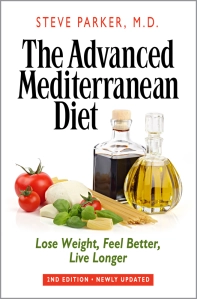
If I wanted to protect my brain from stroke, I’d be sure follow a Mediterranean-style diet, keep my blood pressure under 140/90 mmHg, stay physically active, keep my weight under control, and not smoke. The Advanced Mediterranean Diet combines weight management, exercise, and the Mediterranean diet.

Steve Parker, M.D.

Reference: Scarmeas, N., Luchsinger, J., Stern, Y., Gu, Y., He, J., DeCarli, C., Brown, T., & Brickman, A. (2011). Mediterranean diet and magnetic resonance imaging-assessed cerebrovascular disease Annals of Neurology, 69 (2), 257-268 DOI: 10.1002/ana.22317

Alcohol Consumption Linked to Lower Rates of Death and Heart Attack

Canadian and U.S. researchers report that moderate alcohol consumption seems to reduce 1) the incidence of coronary heart disease, 2) deaths from coronary heart disease, and 3) deaths from all causes. Reduction of death from all causes is a good counter-argument to those who say alcohol is too dangerous because of deaths from drunk driving, alcoholic cirrhosis, and alcohol-related cancers such as many in the esophagus.

Remember, we’re talking here about low to moderate consumption: one drink a day or less for women, two drinks or less a day for men. That’s a max of 12.5 alcohol for women, 25 g for men. No doubt, alcohol can be extremely dangerous, even lethal. I deal with that in my patients almost every day. Some people should never drink alcohol.

The recent meta-analysis in the British Medical Journal, which the authors say is the most comprehensive ever done, reviewed all pertinent studies done between 1950 and 2009, finally including 84 of the best studies on this issue. Thirty-one of these looked at deaths from all causes.

Compared with non-drinkers, drinkers had a 25% lower risk of developing coronary heart disease (CHD) and death from CHD. CHD is the leading cause of death in develop societies.

Stroke is also considered a cardiovascular disease. Overall, alcohol is not linked to stroke incidence or death from stroke. The researchers did see strong trends toward fewer ischemic strokes and more hemorrhagic strokes (bleeding in the brain) in the drinkers. So the net effect was zero.

Compared with non-drinkers, the lowest risk of death from any cause was seen in those consuming 2.5 to 14.9 g per day (one drink or less per day), whose risk was 17% lower. On the other hand, heavy drinkers (>60 g/day) had 30% higher risk of death.

In case you’re wondering, the authors didn’t try to compare the effects of beer versus wine versus distilled spirits.

On a related note, scientists at the Medical University of South Carolina found that middle-aged people who took up the alcohol habit had a lower risk of stroke and heart attack. Wine seemed to be more effective than other alcohol types. They found no differences in overall death rates between new drinkers persistent non-drinkers, perhaps because the study lasted only four years and they were following only 442 new drinkers.

This doesn’t prove that judicious alcohol consumption prevents heart attacks, cardiac deaths, and overall deaths. But it’s kinda lookin’ that way.

Steve Parker, M.D.

Reference: Ronksley PE, Brien SE, Turner BJ, Mukamal KJ, & Ghali WA (2011). Association of alcohol consumption with selected cardiovascular disease outcomes: a systematic review and meta-analysis. BMJ (Clinical research ed.), 342 PMID: 21343207

Low-Carb Diet Beats Low-Calorie for Treating Fatty Liver

Loss of excess weight is a mainstay of therapy for nonalcoholic fatty liver disease. A very-low-carb diet works better than a reduced-calorie diet, according to a study in the American Journal of Clinical Nutrition.

Nonalcoholic fatty liver disease (NAFLD) occurs in 20 to 40% of the general population, with most cases occuring between the ages of 40 and 60. It’s an accumulation of triglycerides in the liver. For every week I work in the hospital, I see five or 10 scans (either CT scans or sonograms) that incidentally show fat build-up in the liver.

Nonalcoholic steatohepatitis (NASH) is a subset of NAFLD, perhaps 30% of those with NAFLD. Steatohepatitis involves an inflammatory component, progressing to cirrhosis in 3 to 26% of cases.

Researchers at the University of Texas Southwestern Medical Center assigned 18 obese subjects (average BMI 35) to either a very-low-carb diet (under 20 grams a day) or a low-calorie diet (1200 to 1500 calories a day) for two weeks. Liver fat was measured by magnetic resonance technology. The low-carb groups’ liver fat decreased by 55% compared to 28% in the other group. Weight loss was about the same for both groups (4.6 vs 4 kg).

Bottom Line

This small study needs to be replicated, ideally with a larger group of subjects studied over a longer period. Nevertheless, it appears that a very-low-carb diet may be one of the best dietary approaches to nonalcoholic fatty liver disease. And I bet it’s more sustainable than severe calorie restriction. The Ketogenic Mediterranean Diet, by the way, provides 20-30 grams of carb daily.

Steve Parker, M.D.

Reference: Browning, Jeffrey, et al. Short-term weight loss and hepatic triglyceride reduction: evidence of a metabolic advantage with dietary carbohydrate restriction. Am J Clin Nutr, May 2011 vol. 93 no. 5 1048-1052. doi: 10.3945/ajcn.110.007674

Mediterranean Diet Good for Diabetics

In 2009, Current Diabetes Reports published “The usefulness of a Mediterranean-based diet in individuals with type 2 diabetes,” by Catherine M. Champagne, Ph.D., R.D., L.D.N. Unfortunately, the full article isn’t available to you at no cost. But I read it. Her article is a review of available scientific evidence related to the Mediterranean diet as applied to a diabetic population. Dr. Champagne wrote:

This diet is a viable treatment option; advisors should stress not only adherence to a fairly traditional Mediterranean eating plan but also a lifestyle that includes sufficient physical activity.

Dr. Champagne was very favorably impressed with the DIRECT trial of Shai et al, which I covered extensively elsewhere. DIRECT compared three diets over 24 months: Atkins, Mediterranean/calorie-restricted, and low-fat/calorie-restricted. Mind you, it was a weight loss study, but a fair number of diabetics participated. Mediterranean-style eating showed the most beneficial effects for diabetics.

I think the Mediterranean diet could be even healthier for people with diabetes if it had fewer carbohydrates. That’s why I composed the Low-Carb Mediterranean Diet.

Dr. Champagne also mentions evidence that a modified Mediterranean diet may help counteract the build-up of fat in the liver, seen in up to 70% of type 2 diabetics. I wrote recently about how a very-low-carb diet beat the low-fat diet so often recommended for this condition (hepatic steatosis or non-alcoholic fatty liver disease).

If you want full online access to Champagne’s 6-page article, you can purchase it for $34 (USD) at SpringerLink. I cite many of the same scientific sources and provide a whole lot more in my 216-page Conquer Diabetes and Prediabetes: The Low-Carb Mediterranean Diet, at Amazon.com for $16.95 or $9.99 (the Kindle edition) or in multiple ebook formats from Smashwords.

Steve Parker, M.D.

Reference: Champagne, Catherine (2009). The usefulness of a Mediterranean-based diet in individuals with type 2 diabetes. Current Diabetes Reports DOI: 10.1007/s11892-009-0060-3