Category Archives: Stroke

Ketogenic Diet May Prevent Cardiovascular Disease

In July, 2023, the journal Nutrients published a review of literature on the effect of ketogenic diets on cardiovascular disease. The abstract mentions potentially beneficial changes blood lipids, inflammation, blood pressure, etc., without going where the rubber meets the road: the effect on mortality and incidence of cardiovascular events in live humans. Click the link to see the entire article.

The Abstract:

“The most common and increasing causes of death worldwide are cardiovascular diseases (CVD). Taking into account the fact that diet is a key factor, it is worth exploring this aspect of CVD prevention and therapy. The aim of this article is to assess the potential of the ketogenic diet in the prevention and treatment of CVD. The article is a comprehensive, meticulous analysis of the literature in this area, taking into account the most recent studies currently available. The ketogenic diet has been shown to have a multifaceted effect on the prevention and treatment of CVD. Among other aspects, it has a beneficial effect on the blood lipid profile, even compared to other diets. It shows strong anti-inflammatory and cardioprotective potential, which is due, among other factors, to the anti-inflammatory properties of the state of ketosis, the elimination of simple sugars, the restriction of total carbohydrates and the supply of omega-3 fatty acids. In addition, ketone bodies provide “rescue fuel” for the diseased heart by affecting its metabolism. They also have a beneficial effect on the function of the vascular endothelium, including improving its function and inhibiting premature ageing. The ketogenic diet has a beneficial effect on blood pressure and other CVD risk factors through, among other aspects, weight loss. The evidence cited is often superior to that for standard diets, making it likely that the ketogenic diet shows advantages over other dietary models in the prevention and treatment of cardiovascular diseases. There is a legitimate need for further research in this area.”


Steve Parker, M.D.

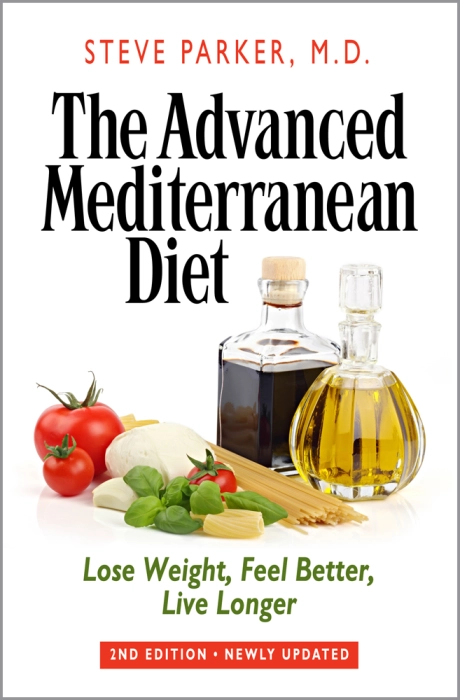
PS: If you have the 2nd edition of The Advanced Mediterranean Diet, you already have my ketogenic Mediterranean diet.
Specific Diets That Lower CRP Levels May Prevent Chronic Diseases

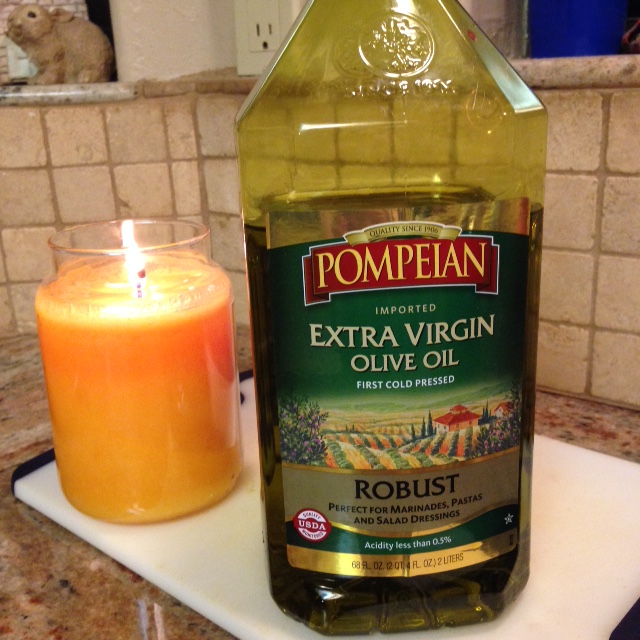
Olive oil is a prominent component of the Mediterranean diet

C-reactive protein (CRP) is a bloodstream marker of body-wide inflammation. A prominent theory is that if your CRP is too high, it causes chronic disease states like hypertension, dementia, and cardiovascular disease. A 2024 meta-analysis published in British Journal of Nutrition looked at the effects of various diets on CRP. The implication is that your odds of developing particular chronic diseases is lowered if you adopt a diet that lowers your CRP. Check the Abstract below to see how your diet stacks up:

Adopting a healthy dietary pattern may be an initial step in combating inflammation-related chronic diseases; however, a comprehensive synthesis evaluating current evidence is lacking. This umbrella review aimed to summarise the current evidence on the effects of dietary patterns on circulating C-reactive protein (CRP) levels in adults. We conducted an exhaustive search of the Pubmed, Scopus and Epistemonikos databases, spanning from their inception to November 2023, to identify systematic reviews and meta-analyses across all study designs. Subsequently, we employed a random-effects model to recompute the pooled mean difference. Methodological quality was assessed using the A Measurement Tool to Assess Systematic Reviews 2 (AMSTAR 2) checklist, and evidence certainty was categorised as non-significant, weak, suggestive, highly suggestive or convincing (PROSPERO: CRD42023484917). We included twenty-seven articles with thirty meta-analyses of seven dietary patterns, fifteen of which (50 %) exhibited high methodological quality. The summary effects of randomised controlled trials (RCT) found that the Mediterranean diet was the most effective in reducing circulating CRP levels, followed by Vegetarian/Vegan and Energy-restricted diets, though the evidence was of weak quality. In contrast, Intermittent Fasting, Ketogenic, Nordic and Paleolithic diets did not show an inverse correlation with circulating CRP levels. Some results from combined interventional and observational studies, as well as solely observational studies, also agreed with these findings. These dietary patterns show the potential in reducing CRP levels in adults, yet the lack of high-quality evidence suggests future studies may alter the summary estimates. Therefore, further well-conducted studies are warranted.

Steve Parker, M.D.

Reduce Risk of Death and Cardiovascular Disease With Coffee

A pinch of salt may cut the bitterness in a cup of coffee

From the European Journal of Preventive Cardiology:

Decaffeinated, ground, and instant coffee, particularly at 2–3 cups/day, were associated with significant reductions in incident cardiovascular disease and mortality. 

“Cardiovascular disease” includes coronary artery disease (e.g., heart attacks), heart failure, and ischemic strokes.

The study was done by Australian researchers using a UK database.

Steve Parker, M.D.

front cover of paleobetic diet

Click to purchase at Amazon.com. E-book also available at Smashwords. com.

Yet Another Study Supports the Life-Preserving Effect of the Mediterranean Diet

Cardiovascular diseases include heart attacks and strokes. Those are major killers. So it’s good to know about dietary habits that counteract the threat.

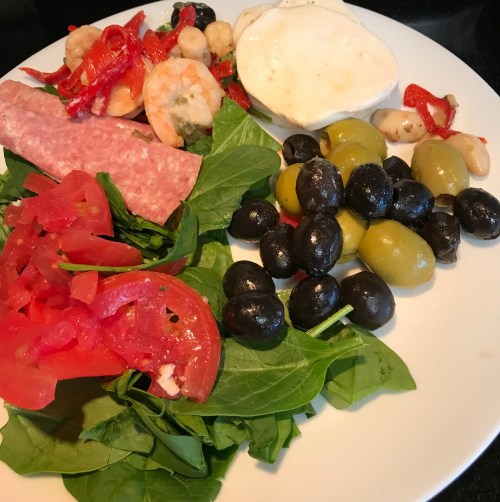
Mozzarella cheese, roasted garlic cloves, olives, salami, spinach, tomato, and roasted peppers

Article

ABSTRACT

Background

Examining a variety of diet quality methodologies will inform best practice use of diet quality indices for assessing all-cause and CVD [cardiovascular disease] mortality.

Objective

To examine the association between three diet quality indices (Australian Dietary Guideline Index, DGI; Dietary Inflammatory Index, DII; Mediterranean-DASH Intervention for Neurodegenerative Delay, MIND) and risk of all-cause mortality, CVD mortality and non-fatal CVD events up to 19 years later.Design

Data on 10,009 adults (51.8 years; 52% female) from the Australian Diabetes, Obesity and Lifestyle study were used. A food frequency questionnaire was used to calculate DGI, DII and MIND at baseline. Cox proportional hazard models were used to estimate hazard ratios (HR) and 95% CI of all-cause mortality, CVD mortality and non-fatal CVD events (stroke; myocardial infarction) according to 1 SD increase in diet quality, adjusted for age, sex, education, smoking, physical activity, energy intake, history of stroke or heart attack, and diabetes and hypertension status.Results

Deaths due to all-cause (n = 1,955) and CVD (n = 520), and non-fatal CVD events (n = 264) were identified during mean follow-ups of 17.7, 17.4 and 9.6 years, respectively. For all-cause mortality, HRs associated with higher DGI, DII and MIND were 0.94 (95% CI: 0.89, 0.99), 1.08 (95% CI: 1.02, 1.15) and 0.93 (95% CI: 0.89, 0.98), respectively. For CVD mortality, HRs associated with higher DGI, DII and MIND were 0.93 (95% CI: 0.85, 0.99), 1.10 (95% CI: 1.00, 1.24) and 0.90 (95% CI: 0.82, 0.98), respectively. There was limited evidence of associations between diet quality and non-fatal CVD events.Conclusions

Better quality diet predicted lower risk of all-cause and CVD mortality in Australian adults, while a more inflammatory diet predicted higher mortality risk. These findings highlight the applicability of following Australian dietary guidelines, a Mediterranean style diet and a low-inflammatory diet for the reduction of all-cause and CVD mortality risk.


Steve Parker, M.D.

front cover of paleobetic diet

Click to purchase at Amazon.com. E-book also available at Smashwords. com.

Aspirin 325 vs 81 mg/day: Which is Better?

Photo by Anna Shvets on Pexels.com

For patients with established cardiovascular disease, a recent study found that aspirin 81 mg/day was just as effective as 325 mg/day in preventing combined risk of death and hospitalization for heart attack or stroke. Rates of major bleeding were the same regardless of dose.

Click for details at NEJM.

Steve Parker, M.D.

PS: What else prevents heart attacks and strokes? The Mediterranean diet!

front cover of paleobetic diet

Click to purchase at Amazon.com. E-book also available at Smashwords. com.

Olive Oil Lowers Cardiovascular Disease Risk

Steve Parker MD, low-carb diet, diabetic diet
Olives, olive oil, and vinegar: classic Mediterranean foods

A new analysis of the Nurses Health Study confirms the headline above. Olive oil, of course, is a primary component of the healthy Mediterranean diet. From the American College of Cardiology:

Higher olive oil intake was associated with a lower risk of CHD [coronary heart disease] and total CVD [cardiovascular disease] in two large prospective cohorts of US men and women. The substitution of margarine, butter, mayonnaise, and dairy fat with olive oil could lead to lower risk of CHD.

***

This study of well-educated health professionals is the first in the United States to show the relative value of higher intake of olive oil for preventing CHD and CVD. It was conducted in the era that margarine was primarily trans fatty acids and would not apply to the present soft and liquid margarines. The benefit attributed to olive oil is not simply the substitution for saturated fatty acid. The modest benefit of olive oil in the United States occurred at relatively low olive oil intake (average 12 g/day). In contrast, the Mediterranean diet generally has over 25 g/day. In European studies, a healthy cohort had a 7% reduction in CHD risk for each 10 g/d increase in olive oil; extra virgin olive oil reduced cerebrovascular events by 31% in a high-risk group, and regular olive oil was associated with a 44% lower risk of CHD after about 7.8 years in Italian women survivors of an MI. Amongst the benefits of olive oil include positive effects on inflammation, endothelial function, hypertension, insulin sensitivity, and diabetes.

Source: Olive Oil Consumption and Cardiovascular Risk – American College of Cardiology

Steve Parker, M.D.

front cover of paleobetic diet

Click to purchase at Amazon.com. E-book also available at Smashwords. com.

If You’re Looking for Reasons to Avoid Processed Meats, Unprocessed Red Meat, and Poultry, Here You Go…

Steak vs vegetarian

Public health authorities in the West have been trying for years to scare us away from eating meat. Here’s an abstract of one of the weak studies that support that contention. Herein, heavier consumers of processed meats, unprocessed red meat, and poultry were a increased risk of cardiovascular disease. Fish and poultry were not linked to increased risk of death, while processed meat and unprocessed red meat were. And fish was not linked to cardiovascular disease. The authors admit that the differences in outcome were small.

Importance 

Although the associations between processed meat intake and cardiovascular disease (CVD) and all-cause mortality have been established, the associations of unprocessed red meat, poultry, or fish consumption with CVD and all-cause mortality are still uncertain.

Objective 

To identify the associations of processed meat, unprocessed red meat, poultry, or fish intake with incident CVD and all-cause mortality.

Design, Setting, and Participants 

This cohort study analyzed individual-level data of adult participants in 6 prospective cohort studies in the United States. Baseline diet data from 1985 to 2002 were collected. Participants were followed up until August 31, 2016. Data analyses were performed from March 25, 2019, to November 17, 2019.

Exposures 

Processed meat, unprocessed red meat, poultry, or fish intake as continuous variables.

Main Outcomes and Measures 

Hazard ratio (HR) and 30-year absolute risk difference (ARD) for incident CVD (composite end point of coronary heart disease, stroke, heart failure, and CVD deaths) and all-cause mortality, based on each additional intake of 2 servings per week for monotonic associations or 2 vs 0 servings per week for nonmonotonic associations.

Results 

Among the 29 682 participants (mean [SD] age at baseline, 53.7 [15.7] years; 13 168 [44.4%] men; and 9101 [30.7%] self-identified as non-white), 6963 incident CVD events and 8875 all-cause deaths were adjudicated during a median (interquartile range) follow-up of 19.0 (14.1-23.7) years. The associations of processed meat, unprocessed red meat, poultry, or fish intake with incident CVD and all-cause mortality were monotonic (P for nonlinearity ≥ .25), except for the nonmonotonic association between processed meat intake and incident CVD (P for nonlinearity = .006). Intake of processed meat (adjusted HR, 1.07 [95% CI, 1.04-1.11]; adjusted ARD, 1.74% [95% CI, 0.85%-2.63%]), unprocessed red meat (adjusted HR, 1.03 [95% CI, 1.01-1.06]; adjusted ARD, 0.62% [95% CI, 0.07%-1.16%]), or poultry (adjusted HR, 1.04 [95% CI, 1.01-1.06]; adjusted ARD, 1.03% [95% CI, 0.36%-1.70%]) was significantly associated with incident CVD. Fish intake was not significantly associated with incident CVD (adjusted HR, 1.00 [95% CI, 0.98-1.02]; adjusted ARD, 0.12% [95% CI, −0.40% to 0.65%]). Intake of processed meat (adjusted HR, 1.03 [95% CI, 1.02-1.05]; adjusted ARD, 0.90% [95% CI, 0.43%-1.38%]) or unprocessed red meat (adjusted HR, 1.03 [95% CI, 1.01-1.05]; adjusted ARD, 0.76% [95% CI, 0.19%-1.33%]) was significantly associated with all-cause mortality. Intake of poultry (adjusted HR, 0.99 [95% CI, 0.97-1.02]; adjusted ARD, −0.28% [95% CI, −1.00% to 0.44%]) or fish (adjusted HR, 0.99 [95% CI, 0.97-1.01]; adjusted ARD, −0.34% [95% CI, −0.88% to 0.20%]) was not significantly associated with all-cause mortality.

Conclusions and Relevance 

These findings suggest that, among US adults, higher intake of processed meat, unprocessed red meat, or poultry, but not fish, was significantly associated with a small increased risk of incident CVD, whereas higher intake of processed meat or unprocessed red meat, but not poultry or fish, was significantly associated with a small increased risk of all-cause mortality. These findings have important public health implications and should warrant further investigations.

Source: Associations of Processed Meat, Unprocessed Red Meat, Poultry, or Fish Intake With Incident Cardiovascular Disease and All-Cause Mortality | Cardiology | JAMA Internal Medicine | JAMA Network

Steve Parker, M.D.

PS: The traditional Mediterranean diet is low in meat and prominently features fish.

Steve Parker MD, Advanced Mediterranean Diet

Taking Hypertension Meds at Bedtime Prevents Cardiovascular Events

High blood pressure is linked to heart attacks

Very recently I’ve noticed hypertension patients taking their medications at bedtime. Now I know why.

From Medscape:

Taking antihypertensive medication at bedtime led to an almost halving of cardiovascular events in a new study.

The Hygia Chronotherapy Trial is the largest ever study to investigate the effect of the time of day when people take their antihypertensive medication on the risk of cardiovascular events.

The trial randomly assigned 19,084 patients to take their medication on waking or at bedtime and followed them for an average of 6 years.Results showed that patients who took their pills at bedtime had a 45% reduction in overall cardiovascular events. This included a 56% reduction in cardiovascular death, a 34% reduction in myocardial infarction (MI), a 40% reduction in coronary revascularization [bypass surgery and angioplasty/stenting], a 42% reduction in heart failure, and a 49% reduction in stroke, all of which were statistically significant.

***

“We showed that if blood pressure is elevated during sleep then patients have increased cardiovascular risk regardless of daytime pressure, and if blood pressure during sleep is normal then cardiovascular risk is low even if the [doctor’s] office pressure is elevated,” Hermida said.

***

Results showed that during the 6.3-year median patient follow-up, 1752 participants experienced the primary cardiovascular disease (CVD) outcome (a composite of CVD death, MI, coronary revascularization, heart failure, or stroke).

Drug classes at physicians’ disposal were ARBs (angiotensin receptor blockers, calcium channel blockers, ACE inhibitors, and diuretics. Preventative effects were most pronounced for ARBs and ACE inhibitors.

Don’t change your BP medication dosing until you check with your personal physician.

Source: Bedtime Dosing of Hypertension Meds Reduces CV Events

Did you know most heart attacks occur in the morning, and those tend to be the most serious?

Steve Parker, M.D.

Steve Parker MD, Advanced Mediterranean Diet

Click the pic to purchase at Amazon.com. E-book versions also available at Smashwords. com.


Dog Ownership Lowers Risk of Death From Heart Attack and Stroke

Young Hank

From UPI:

A pair of new reports found that dog owners have a lower risk of early death than people without canine companionship, particularly when it comes to dying from a heart attack or stroke.

Dog ownership decreases a person’s overall risk of premature death by 24 percent, according to researchers who conducted a review of the available medical evidence.

The benefit is most pronounced in people with existing heart problems. Dog owners had a 65 percent reduced risk of death following a heart attack and a 31 percent reduced risk of death from heart disease, the researchers said.

Source: Having a dog can lower risk of death from heart attack, stroke – UPI.com

Steve Parker, M.D.

Steve Parker MD, Advanced Mediterranean Diet

Click the pic to purchase at Amazon.com. E-book versions also available at Smashwords. com.

Red and Processed Meats May Not Be the Killers We Imagined

From New York Times:

Public health officials for years have urged Americans to limit consumption of red meat and processed meats because of concerns that these foods are linked to heart disease, cancer and other ills.

But on Monday, in a remarkable turnabout, an international collaboration of researchers produced a series of analyses concluding that the advice, a bedrock of almost all dietary guidelines, is not backed by good scientific evidence.

Whew…What a relief! Dodged that bullet.

Click for Gina Kolata’s article.

Steve Parker, M.D.

Steve Parker MD, Advanced Mediterranean Diet

Click the pic to purchase at Amazon.com