Category Archives: Microplastics

The Truth About Plastic Detoxification

Scott Gavura over at Science-Based Medicine writes about the desire to detoxify our bodies periodically:
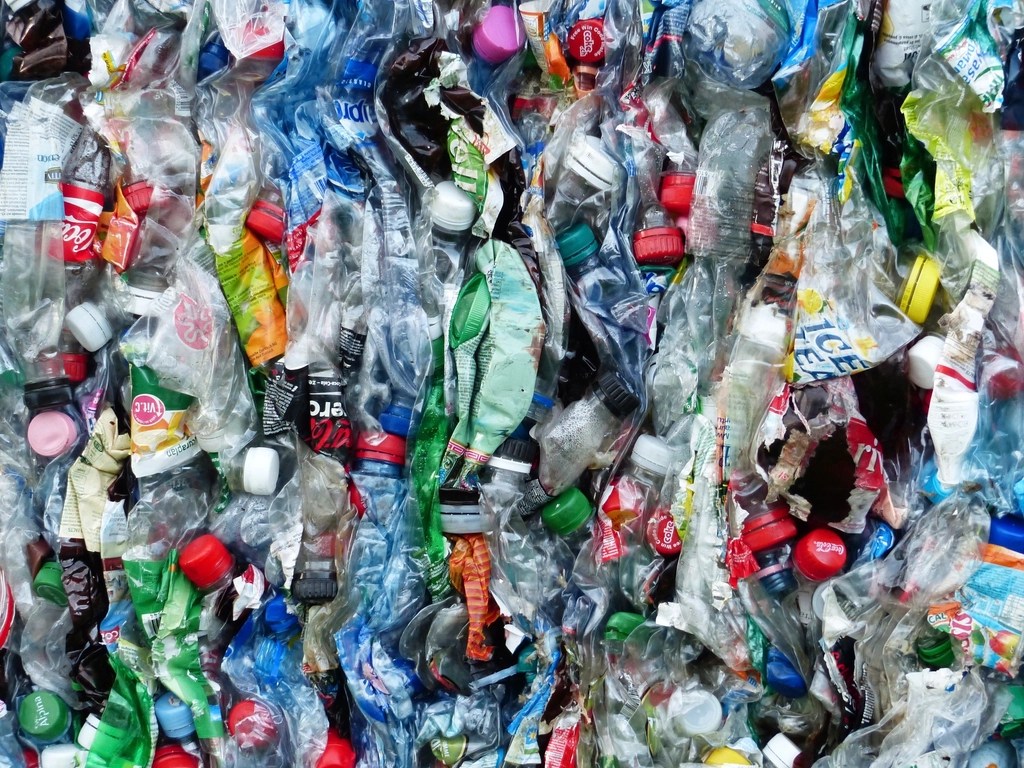
Free pile plastic bottles image“/ CC0 1.0

Headlines about plastic particles being detected in blood, lungs, placentas, and other tissues have been rapidly assimilated into the wellness ecosystem. Microplastics are tiny plastic particles that come from the breakdown of larger plastic pieces. Because microplastics are ubiquitous, persistent and easily dispersed, they are found in water, food and air – and our bodies. While their impact on human health continues to be studied, the message from wellness entrepreneurs has been simplified to: Plastics are accumulating inside you, and are causing you harm.

This is the perfect setting for detox marketing. Much like the Candida detox kits popular 20 years ago, supplements, binders, sauna protocols, and “plastic detox” programs now claim to remove microplastics (instead of yeast) from the body or reduce an individual’s “plastic burden.” Some businesses and clinics offer testing panels that purport to measure retained plastics, despite the absence of validated methods to do so in a clinically meaningful way. Unlike Candida, microplastics are a real environmental and health issue worthy of study. And that’s happening. But, just like older detox trends, a real scientific issue is already being used to justify claims that go far beyond the evidence.

What’s missing from the marketing claims is any evidence that these detox interventions actually work. Detecting microplastics in human tissues does not automatically imply that they can be selectively removed, or that proposed detox strategies meaningfully alter health outcomes. There is no credible evidence that supplements, saunas, chelation-like binders, or dietary protocols can “flush” plastics from the body. The leap to offering a personal detox solution is marketing, not evidence-based medicine.

The microplastics detox narrative we’re seeing also exploiting a familiar (and recurrent) misunderstanding of toxicology: the assumption that detection equals danger, and that identification necessitates purging. In reality, …

He’s justifiably skeptical about microplastics detoxification protocols. The time may come can rid ourselves of this contamination. But it’s not now.

Steve Parker, M.D.
Plastic Poisoning: Hoax or Horror Show?

It’s getting harder for me to ignore microplastics. They contaminate our water, food, soil, oceans, and air. The guy in this video says the average adult brain contains as much invasive plastic as a typical plastic fork (5 grams?). These plastics are said to cause medical problems although I’m not sure of the strength of the evidence. Very few physicians know about this issue. The video speaker below talks about nanoplastics but in my experience “microplastics” is more often used. Something nano would be smaller than micro, a thousand times smaller if we’re using the metric system. Colloquially, nano may just be “quite a bit smaller” than micro. Video about this issue was published at YouTube Dec 3, 2025:

The speaker refers to a scientific article published at Nature Medicine on Feb 3, 2025: Bioaccumulation of microplastics in decedent human brains. Seems to me they should have used “nanoplastics” in the title instead of “microplastics.”

Not only are the microplastics allegedly bad for us, they are linked to “forever chemicals” which may mediate the badness. E.g., BPA-like chemicals (bisphenol A).

Are you worried about microplastics in your body?

Click this link to NRDC (National Resources Defense Council) for ten tips to keep plastic out of your body.

Steve Parker, M.D.

Update on December 15, 2025:

Katie Couric interviewed Dr. Matthew J Campen, one of the authors of the study referenced above and a toxicology professor at the University of New Mexico. He impresses me with the idea that his study’s findings are very preliminary and need verification by other labs, and that the implications for how we live today are not clear by any means. He speculates that the nanoplastics he finds in human tissue samples were ingested as nanoparticles that originated in landfills years ago. Discarded plastic waste deteriorated over time, breaking down to nanoparticles that contaminated groundwater and also ended up in agricultural products. Therefore, he suggests that there is not much individuals can do about avoiding nanoplastics except perhaps limiting meat consumption. Dr Campen notes that cutting down on our use of plastics now is more likely to help those a couple generations hence than to help us. He is highly skeptical about any current remedies that purport to remove nanoplastics from our tissues. Yet he suggests that our bodies may indeed have an intrinsic mechanism to reject (eject?) the particles.

Dr Campen does not impress me as a hair-on-fire bomb-thrower. Couric did and impressive job interviewing him.

I may start referring to freshly discarded plastics as macroplastics.