
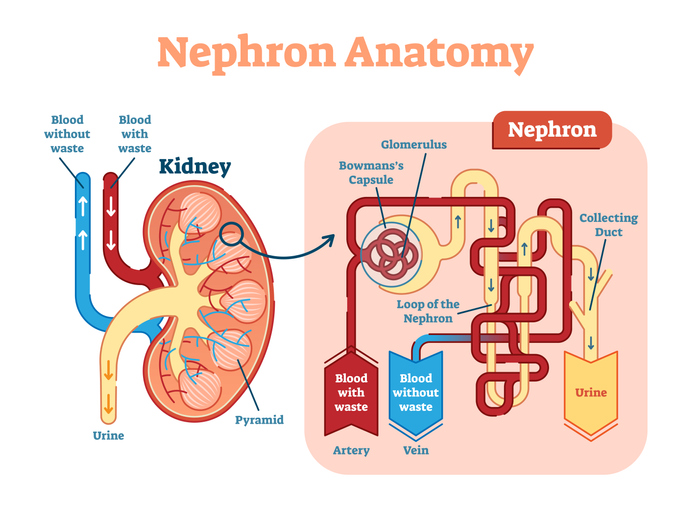
Autosomal Dominant Polycystic Kidney Disease (ADPKD) is the most common inherited cause of end-stage kidney disease and affects 500,000 Americans. It is characterized by fluid-filled cysts in both kidneys and gradual deterioration of kidney function. By age 70, affected folks constitute as much as 10% of the end-stage kidney disease population.
Autosomal Recessive Polycystic Kidney Disease is much less common but is more severe.
Trust me, you want to maintain normal kidney function if possible. In ADPKD, standard interventions include adequate fluid consumption, dietary sodium restriction, and keeping blood pressure below 120-125/80 mmHg.
A 2024 article in Nutrients suggests other potentially helpful dietary interventions: carbohydrate restriction and ketogenic diets. Also, avoid kidney stone formation. The Abstract:
Understanding chronic kidney disease (CKD) through the lens of evolutionary biology highlights the mismatch between our Paleolithic-optimized genes and modern diets, which led to the dramatically increased prevalence of CKD in modern societies. In particular, the Standard American Diet (SAD), high in carbohydrates and ultra-processed foods, causes conditions like type 2 diabetes (T2D), chronic inflammation, and hypertension, leading to CKD. Autosomal dominant polycystic kidney disease (ADPKD), a genetic form of CKD, is characterized by progressive renal cystogenesis that leads to renal failure. This review challenges the fatalistic view of ADPKD as solely a genetic disease. We argue that, just like non-genetic CKD, modern dietary practices, lifestyle, and environmental exposures initiate and accelerate ADPKD progression. Evidence shows that carbohydrate overconsumption, hyperglycemia, and insulin resistance significantly impact renal health. Additionally, factors like dehydration, electrolyte imbalances, nephrotoxin exposure, gastrointestinal dysbiosis, and renal microcrystal formation exacerbate ADPKD. Conversely, carbohydrate restriction, ketogenic metabolic therapy (KMT), and antagonizing the lithogenic risk show promise in slowing ADPKD progression. Addressing disease triggers through dietary modifications and lifestyle changes offers a conservative, non-pharmacological strategy for disease modification in ADPKD. This comprehensive review underscores the urgency of integrating diet and lifestyle factors into the clinical management of ADPKD to mitigate disease progression, improve patient outcomes, and offer therapeutic choices that can be implemented worldwide at low or no cost to healthcare payers and patients.
Steve Parker, M.D.



 Advanced Mediterranean Diet