Category Archives: Ketogenic Mediterranean Diet

Prevent Progression of Polycystic Kidney Disease With Diet Modification

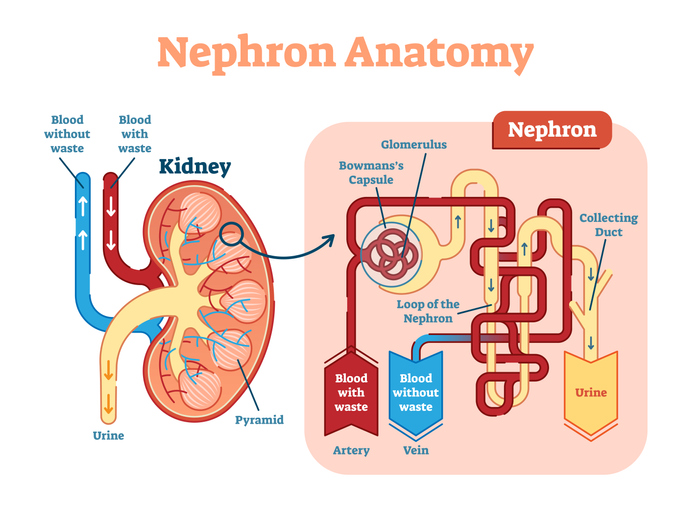
The nephron is the microscopic structural and functional unit of the kidney.

Autosomal Dominant Polycystic Kidney Disease (ADPKD) is the most common inherited cause of end-stage kidney disease and affects 500,000 Americans. It is characterized by fluid-filled cysts in both kidneys and gradual deterioration of kidney function. By age 70, affected folks constitute as much as 10% of the end-stage kidney disease population.

Autosomal Recessive Polycystic Kidney Disease is much less common but is more severe.

Trust me, you want to maintain normal kidney function if possible. In ADPKD, standard interventions include adequate fluid consumption, dietary sodium restriction, and keeping blood pressure below 120-125/80 mmHg.

A 2024 article in Nutrients suggests other potentially helpful dietary interventions: carbohydrate restriction and ketogenic diets. Also, avoid kidney stone formation. The Abstract:

Understanding chronic kidney disease (CKD) through the lens of evolutionary biology highlights the mismatch between our Paleolithic-optimized genes and modern diets, which led to the dramatically increased prevalence of CKD in modern societies. In particular, the Standard American Diet (SAD), high in carbohydrates and ultra-processed foods, causes conditions like type 2 diabetes (T2D), chronic inflammation, and hypertension, leading to CKD. Autosomal dominant polycystic kidney disease (ADPKD), a genetic form of CKD, is characterized by progressive renal cystogenesis that leads to renal failure. This review challenges the fatalistic view of ADPKD as solely a genetic disease. We argue that, just like non-genetic CKD, modern dietary practices, lifestyle, and environmental exposures initiate and accelerate ADPKD progression. Evidence shows that carbohydrate overconsumption, hyperglycemia, and insulin resistance significantly impact renal health. Additionally, factors like dehydration, electrolyte imbalances, nephrotoxin exposure, gastrointestinal dysbiosis, and renal microcrystal formation exacerbate ADPKD. Conversely, carbohydrate restriction, ketogenic metabolic therapy (KMT), and antagonizing the lithogenic risk show promise in slowing ADPKD progression. Addressing disease triggers through dietary modifications and lifestyle changes offers a conservative, non-pharmacological strategy for disease modification in ADPKD. This comprehensive review underscores the urgency of integrating diet and lifestyle factors into the clinical management of ADPKD to mitigate disease progression, improve patient outcomes, and offer therapeutic choices that can be implemented worldwide at low or no cost to healthcare payers and patients.

Steve Parker, M.D.

Introducing George Mann and His Role in the Diet-Heart Hypothesis

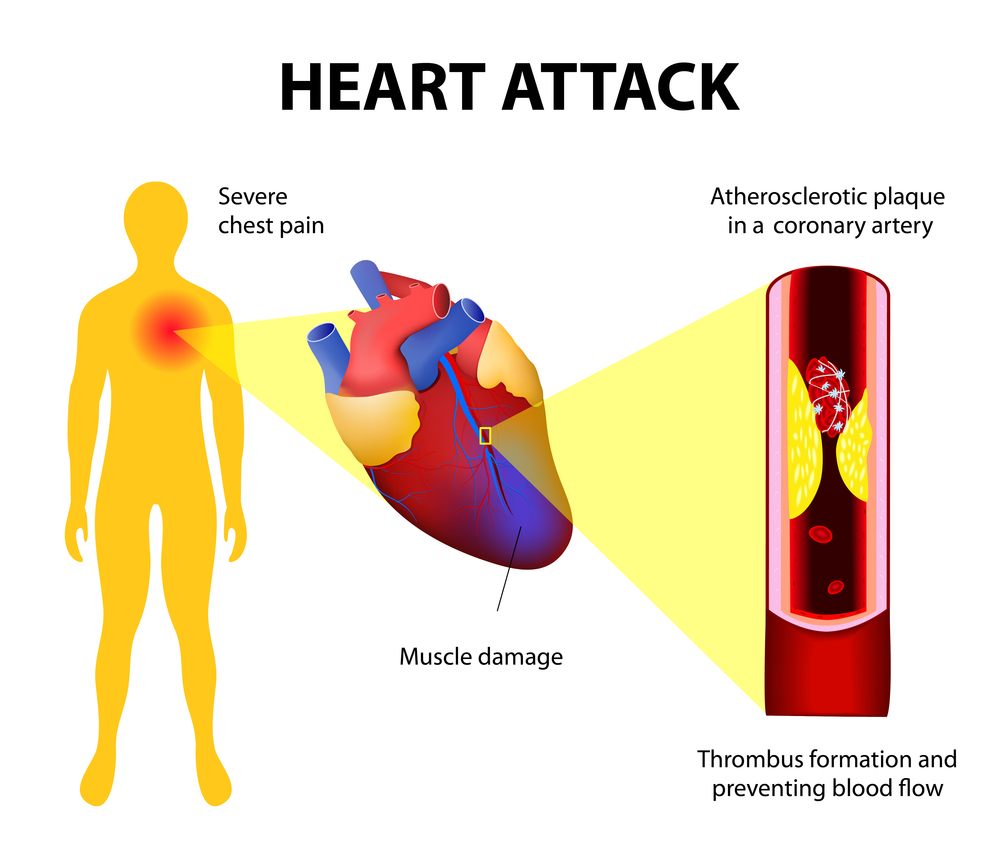
Heart attacks and chest pains are linked to blocked arteries in the heart

It was around 2009 when I was prepared to abandon the time-honored diet-heart hypothesis. I remember wondering if I’d be excommunicated from the medical community, i.e., lose my medical license due heresy. In a nutshell, the diet-heart hypothesis to which I refer was the idea that dietary saturated fat was the clear-cut cause of coronary artery disease and associated angina pectoris, heart attacks, and cardiac deaths.

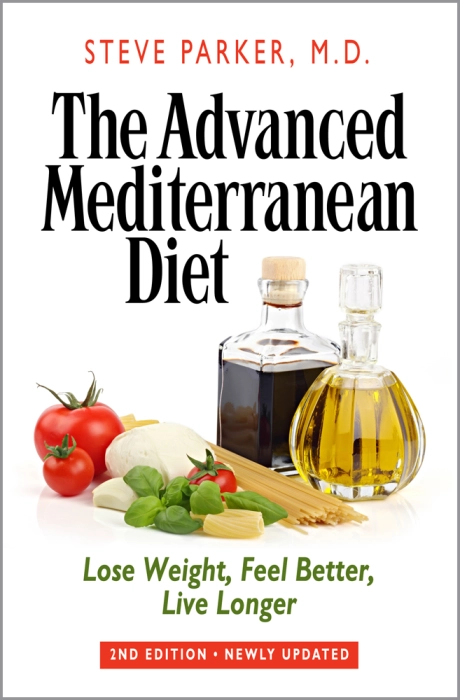
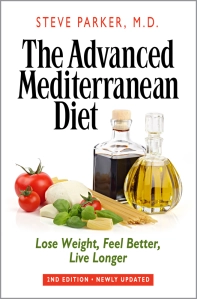
My re-evaluation of the evidence lead me to create the ketogenic Mediterranean diet, which is in the 2nd edition of my Advanced Mediterranean diet. Search Amazon.com and you’ll find several other subsequent ketogenic Mediterranean diet books; I wonder if any of them cited my work.

Dr. Axel Sigurdsson recently wrote an updated history of the diet-heart hypothesis, focusing on the downfall of the hypothesis and the role of George Mann, whom I’d swear I never herd of. An excerpt:

Ancel Keys changed the world. He was right about many things—that lifestyle matters, that food affects disease, that public health can’t afford to wait forever. But in boiling heart disease down to a single nutrient, he oversimplified a complex truth. His hypothesis became policy before it was fully proven. And once policy hardens, it resists correction.

George Mann was no savior. His critiques were often bombastic, his tone combative. But beneath the fire was a warning science should have heeded: that premature consensus can blind, that evidence must lead—not politics, not personalities, not the noise of institutional momentum.

I recommend the entire article to you. I suspect AI (artificial intelligence) was utilized, mainly judging from the three pictures. Dr. Sigurdsson has been publishing some great articles recently, and I believe credited AI in some of them, which is OK by me.

Steve Parker, M.D.

Ketogenic Diets Reduce Risk of Death

Many physicians and dietitians have been hesitant to suggest ketogenic diets due to 1) possible increased risk of cardiovascular disease, and 2) unknown effects on overall mortality.

But a study published at Scientific Reports in October 2024 suggests that ketogenic diets reduce overall mortality by 24% with no effect on cardiovascular-related deaths. Click the link to see the full report. I haven’t read it yet. Don’t ask me what “restricted cubic spline function” means!

Steve Parker, M.D.

h/t The Low Carb Diabetic

Evidence for Long-Term Safety of Ketogenic Diets

Many physicians and dietitians have been hesitant to suggest ketogenic diets due to 1) possible increased risk of cardiovascular disease, and 2) unknown effects on overall mortality.

But a study published at Scientific Reports in October 2024 suggests that ketogenic diets reduce overall mortality by 24% without no effect on cardiovascular-related deaths. Click the link to see the full report. I haven’t read it yet. Don’t ask me what “restricted cubic spline function” means!

Steve Parker, M.D.

h/t The Low Carb Diabetic

PS: My Resuscitating U.S. Healthcare: An Insider’s Manifesto for Reform ranks at #153 in Health Policy at Amazon’s Kindle store.

Ketogenic Diet May Prevent Cardiovascular Disease

In July, 2023, the journal Nutrients published a review of literature on the effect of ketogenic diets on cardiovascular disease. The abstract mentions potentially beneficial changes blood lipids, inflammation, blood pressure, etc., without going where the rubber meets the road: the effect on mortality and incidence of cardiovascular events in live humans. Click the link to see the entire article.

The Abstract:

“The most common and increasing causes of death worldwide are cardiovascular diseases (CVD). Taking into account the fact that diet is a key factor, it is worth exploring this aspect of CVD prevention and therapy. The aim of this article is to assess the potential of the ketogenic diet in the prevention and treatment of CVD. The article is a comprehensive, meticulous analysis of the literature in this area, taking into account the most recent studies currently available. The ketogenic diet has been shown to have a multifaceted effect on the prevention and treatment of CVD. Among other aspects, it has a beneficial effect on the blood lipid profile, even compared to other diets. It shows strong anti-inflammatory and cardioprotective potential, which is due, among other factors, to the anti-inflammatory properties of the state of ketosis, the elimination of simple sugars, the restriction of total carbohydrates and the supply of omega-3 fatty acids. In addition, ketone bodies provide “rescue fuel” for the diseased heart by affecting its metabolism. They also have a beneficial effect on the function of the vascular endothelium, including improving its function and inhibiting premature ageing. The ketogenic diet has a beneficial effect on blood pressure and other CVD risk factors through, among other aspects, weight loss. The evidence cited is often superior to that for standard diets, making it likely that the ketogenic diet shows advantages over other dietary models in the prevention and treatment of cardiovascular diseases. There is a legitimate need for further research in this area.”


Steve Parker, M.D.

PS: If you have the 2nd edition of The Advanced Mediterranean Diet, you already have my ketogenic Mediterranean diet.

Are Ketogenic Diets OK for Children?

Photo by Elina Fairytale on Pexels.com

Diabetes Daily has in interesting article that addresses that question. A snippet:

In October 2023, the American Academy of Pediatrics (AAP) published a report examining low-carbohydrate diets like keto in children and adolescents. You probably won’t be surprised that the authors are concerned. Despite the increasing popularity of carbohydrate restriction, evidence to support the benefits of low-carb diets in young people under 18 with obesity or diabetes is very limited. And though diabetes authorities have acknowledged that carb restriction has “the most evidence” for improving blood sugar levels, the American Diabetes Association has only endorsed low-carb eating as one of multiple possible eating patterns.

And yet, there are many people in the diabetes community who believe in the effectiveness of low, even very-low, carbohydrate diets for their children. There’s at least one study that supports their advocacy


I’m not a pediatrician and never treat children in my hospital practice, not even 17-year-olds. Nor have I reviewed the pertinent pediatric scientific literature. So I’ve never been comfortable writing about keto diets for children. The linked DD article was reviewed by Anna Goldman, M.D.

Steve Parker, M.D.

The Diet Debate: Which Is Best for Health and Longevity?

santorini, greece
Santorini, Greek seaside

Proper diet undoubtedly promotes healthier aging and longevity. But what’s the right diet? A meta-analysis diet studies proposes an answer. Or more accurately, answers, based on diet-related biomarkers linked to disease and aging. Half of the studies were done in Europe, the rest from North America and Asia. The February, 2023, article was published in Nutrients. You can read the entire article online.

“….the main goal of this systematic review was to perceive the quantity and quality of different diets or aspects in nutrition, how they could modulate biomarkers and prevent aging-related diseases, in order to enlighten new intervention strategies. Biomarkers that are linked to aging-associated metabolism, inflammation processes, cognitive decline, and telomere attrition were scrutinized in order to understand how these mechanisms could actually influence healthy aging. Moreover, it could provide information to future health professionals.”

The researchers conclusions:

“In conclusion, this systematic review demonstrated the necessity for individuals to improve their diets, to reduce the emergence and development of several comorbidities and promote healthy aging. Diets rich in vegetables, fruits, nuts, cereals, fibers, fish, unsaturated fats, containing antioxidants, vitamins, potassium, omega-3—and reducing red meat and ultra-processed food intake—could prevent obesity, CVD [cardiovascular disease], and inflammation, and promote favorable glycemic, insulinemic, and lipidemic responses. Moreover, the Mediterranean diet and ketogenic diet, or a combination of these diets (MMKD), and increasing consumption of vegetables and green tea catechins, could improve one‘s working memory and decrease destabilization of the brain network and the attention domain, preventing cognitive decline. Finally, the Mediterranean diet, supplemented with CoQ or virgin olive oil, or a low-fat diet, also rich in antioxidants, could help to decrease the prevalence of atherothrombosis [arterial blood clots], hepatic steatosis, diabetes, and telomere attrition, as well as prevent oxidative and DNA damage. These diets can enhance one‘s quality of life and increase life expectancy. Moreover, a putative panel of molecular markers would follow the impact of diet/nutrition alterations during aging.”

The biomarkers tested included C-reactive protein, telomere length, HOMA-IR (insulin resistance), cholesterols, fibrinogen, platelet activating factor acetylhydrolase in HDLs, glucose, white blood cells, apolipoproteins, adiponectin, leptin, visceral adiposity index, etc.

Diets mentioned in the article include DASH, modified Alternative Healthy Eating Index, Southern European Atlantic (SEAD), Baltic Sea (a Nordic alternative to the Mediterranean diet), Mediterranean, and ketogenic Mediterranean.

This article is pretty dense reading. For science nerds only!

I was gratified to see several mentions of the ketogenic Mediterranean diet. It deserves more attention from the general public.

Steve Parker, M.D.

PS: If you have my Advanced Mediterranean Diet (2nd edition), you already have the Ketogenic Mediterranean Diet. It’s there in addition to the traditional Mediterranean diet.

It’s True: Olive Garden Restaurant Won’t Blow Your Ketogenic Diet

A healthy diet has room for grapes

Lisa MarcAurele authored an article about eating at Olive Garden even though you’re on a ketogenic diet:

Whether you are traveling and can’t cook or you are celebrating something special with people you love, Olive Garden has some low-carb options that are simply delicious!

They might be known for their endless breadsticks and overflowing plates of pasta, but there are some keto-friendly choices on the menu, too. You just have to know where to look. 

Olive Garden is also known for its large portions, so you will have to think ahead before eating everything on your plate. 

When you don’t have time to cook or just want to dine out, Olive Garden can be an appealing option for people on a ketogenic diet. Thankfully, there are ways to eat a keto meal at Olive Garden – you just have to be a little creative with a custom order!

Thank you, Lisa.

Steve Parker, M.D.

PS: The Advanced Mediterranean Diet (2nd Ed.) includes a ketogenic option.

front cover of paleobetic diet

Click to purchase at Amazon.com. E-book also available at Smashwords. com.

Will Alcohol Wreck a Ketogenic Diet?

Jameson’s in a hotel bar near Chicago

Judicious alcohol consumption is a reasonable component of many successful ketogenic diets. But the practice can also be a dangerous minefield. Anne Mullins over at DietDoctor has a great article that will steer you away from the mines. An excerpt:

Nyström notes that alcohol is actually the fourth macronutrient after protein, fats and carbohydrates, and that in many nutrition studies its intake is often overlooked. In Mediterranean countries like Greece and Italy, alcohol makes up about 10 % of caloric intake and may partially contribute to the touted benefits of the Mediterranean diet, Nyström says.

Drinking alcohol, however, may slow weight loss for some. Dr. Sarah Hallberg [R.I.P.] advises her patients who are trying to lose weight and/or reverse diabetes to have a maximum 1 glass of wine for women and 2 for men, and not every day. “If they experience any weight stall, I recommend they stop the alcohol completely,” says Hallberg.

Both Dr. Jason Fung and Dr. Ted Naiman discourage any alcohol use among patients in their care who are still trying to lose weight, reverse diabetes or heal a fatty liver (see point 5). “I find alcohol is not conducive to steady weight loss,” says Fung.

Read the whole thing to learn about the dopamine reward system, alcohol abuse and addiction, liver diseases, and hangovers. If you often drink to the point of hangovers, that’s too much alcohol!

Steve Parker, M.D.

PS: The Advanced Mediterranean Diet includes a doctor-designed ketogenic diet as one option for weight loss.

front cover of paleobetic diet

Click to purchase at Amazon.com. E-book also available at Smashwords. com.

Low-Carb High-Fat Diet OK for Heart

Photo by Malidate Van on Pexels.com

Mainstream physicians are still hesitant to recommend low-carb diets because they are usually high in fat, potentially with heart-toxic levels of saturated fats. A recent scientific article supported low-carb eating for heart health.

Link to article

ABSTRACT

Background

Carbohydrate restriction shows promise for diabetes, but concerns regarding high saturated fat content of low-carbohydrate diets limit widespread adoption.Objectives

This preplanned ancillary study aimed to determine how diets varying widely in carbohydrate and saturated fat affect cardiovascular disease (CVD) risk factors during weight-loss maintenance.

Methods

After 10–14% weight loss on a run-in diet, 164 participants (70% female; BMI = 32.4 ± 4.8 kg/m2) were randomly assigned to 3 weight-loss maintenance diets for 20 wk. The prepared diets contained 20% protein and differed 3-fold in carbohydrate (Carb) and saturated fat as a proportion of energy (Low-Carb: 20% carbohydrate, 21% saturated fat; Moderate-Carb: 40%, 14%; High-Carb: 60%, 7%). Fasting plasma samples were collected prerandomization and at 20 wk. Lipoprotein insulin resistance (LPIR) score was calculated from triglyceride-rich, high-density, and low-density lipoprotein particle (TRL-P, HDL-P, LDL-P) sizes and subfraction concentrations (large/very large TRL-P, large HDL-P, small LDL-P). Other outcomes included lipoprotein(a), triglycerides, HDL cholesterol, LDL cholesterol, adiponectin, and inflammatory markers. Repeated measures ANOVA was used for intention-to-treat analysis.

Results

Retention was 90%. Mean change in LPIR (scale 0–100) differed by diet in a dose-dependent fashion: Low-Carb (–5.3; 95% CI: –9.2, –1.5), Moderate-Carb (–0.02; 95% CI: –4.1, 4.1), High-Carb (3.6; 95% CI: –0.6, 7.7), P = 0.009. Low-Carb also favorably affected lipoprotein(a) [–14.7% (95% CI: –19.5, –9.5), –2.1 (95% CI: –8.2, 4.3), and 0.2 (95% CI: –6.0, 6.8), respectively; P = 0.0005], triglycerides, HDL cholesterol, large/very large TRL-P, large HDL-P, and adiponectin. LDL cholesterol, LDL-P, and inflammatory markers did not differ by diet.

Conclusions

A low-carbohydrate diet, high in saturated fat, improved insulin-resistant dyslipoproteinemia and lipoprotein(a), without adverse effect on LDL cholesterol. Carbohydrate restriction might lower CVD risk independently of body weight, a possibility that warrants study in major multicentered trials powered on hard outcomes.

Parker here. These findings are no surprise to me.

Steve Parker, M.D.

PS: The Advanced Mediterranean Diet (2nd Ed.) includes a low-carb option.

front cover of paleobetic diet

Click to purchase at Amazon.com. E-book also available at Smashwords. com.

PPS: Ketogenic diets are all low-carb.