Category Archives: Cancer

Your Lifetime Risk of Cancer

I have good news and bad news.  Which would you like first?

The good news is that cancer death rates in the U.S. have dropped over the last 20 years.  The reduction is 18% for men and 10% for women.

The bad news is that the American Cancer Society projects around 600,000 yearly deaths from cancer in the U.S.

If we look at deaths of people under 85, cancer kills more people than heart disease.

In men, 25% of all invasive cancers will be prostate cancer.  In women, breast cancer is the leader, comprising 26% of all cancers.  (Common skin cancers are rarely invasive or fatal and are not included in these statistics.  Melanoma, on the other hand, is invasive and dangerous.)

The lifetime probability of an individual developing invasive cancer in the U.S. is about 4 in 10 (40%).  A little higher in men (45%), a little lower in women (38%).

Obesity is associated with higher risk for kidney and esophageal cancer in both sexes, prostate and colo-rectal cancer in men, and uterine, gallbladder, cervical, ovarian and breast cancer in women.  Excess body fat causes  14 to 20% of all cancer-related deaths in the U.S.  It’s reasonable to believe that reducing excess body fat will lower the risk of developing these cancers.

The traditional Mediterranean diet is associated with less risk of prostate, breast, colon, and uterus cancer.  And lower rates of cardiovascular disease.  Combine a Mediterranean diet with loss of excess body fat, and what’s not to love?

Steve Parker, M.D.

Reference:  Jemal, Ahmedin, et al.  Cancer Statistics, 2008.  CA Cancer Journal for Clinicians, 58 (2008): 71-96. 

Mediterranean Diet Reduces Cancer Risk

In 2008, the British Journal of Cancer published a report linking the traditional Mediterranean diet “…with markedly and significantly reduced overall cancer….”

Researchers from the University of Athens, the International Agency for Research on Cancer, and the Harvard School of Public Health looked at 25,623 participants of the Greek portion of the European Prospective Investigation into Cancer and nutrition (the EPIC study).  Adherence to the Mediterranean diet was assessed with a food-frequency questionnaire.

Cancer developed in 851 participants over an average follow up of 7.9 years.  Non-melanoma skin cancers were not included since they are usually not serious or life-threatening.  The common cancers in men involved the lung, prostate, colon, and stomach.  For women, common cancers were breast, colon, ovary, and uterus.

Participants’ conformity to the Mediterranean diet was graded on a 10-point scale based on consumption of vegetables, legumes, fruits and nuts, cereals, fish, meat and meat products, dairy products, ethanol (alcohol), and the monounsaturated to saturated lipid ratio.  A score of zero indicated minimal adherence; maximal adherence scored a nine.

Every two-point increase in adherence was associated with a 12% reduction in the incidence of overall cancer.  So those participants with greatest conformity to the traditional Mediterranean diet had a dramatically reduced incidence of cancer compared to those with minimal adherence.

The researchers cite three independent studies that found a similar association between the Mediterranean diet and cancer.  The study at hand was not sufficiently powered to determine reliably which specific cancers were reduced with the Mediterranean diet.  Other studies indicate that the reduced cancers are prostate, breast, colon, and uterus.

The researchers surmise that the cancer-reducing benefit of the Mediterranean diet relates to the whole diet rather than to individual components.

To move your way of eating in a Mediterranean direction, review the diet here.

Steve Parker, M.D.

Reference:  Benetou, V., et al.  Conformity to traditional Mediterranean diet and cancer incidence: the Greek EPIC cohort.  British Journal of Cancer, 99 (2008): 191-195.

Huge Study Confirms Health and Longevity Benefits of Mediterranean Diet

Italian researchers reported in the September 11, 2008, online issue of the British Medical Journal what is already known:

“Greater adherence to a Mediterranean diet is associated with a significant improvement in health status, as seen by a significant reduction in overall mortality (9%), mortality from cardiovascular diseases (9%), incidence of or mortality from cancer (6%), and incidence of Parkinsons’s disease and Alzheimer’s disease (13%).  These results seem to be clinically relevant for public health, in particular for encouraging a Mediterranean-like dietary pattern for primary prevention of major chronic diseases.”

Methodology

Researchers, mostly at the University of Florence, performed a meta-analysis of 12 other published studies that looked at the effects of a Mediterranean-style eating pattern on health and longevity.  [Meta-analyses are popular, in part, because they are cheap.  This study required no specific funding.]

Most, if not all, of these 12 studies were observational, and involved 1,574,299 participants.  Six of the 12 studies were in Mediterranean countries, the others were in the U.S., northern Europe, and Australia.  Study participants were followed between 3.7 and 18 years.

The researchers devised their very own Mediterranean diet scale based on study participants’ intake of various foods.  Participants were given a point if they had higher than average intake of vegetables, fruits, legumes, cereals, fish, and red wine during meals.  They were given a point if they had lower than average intake of red meat, processed meats, and dairy products.  Due to differences among the 12 studies, “the total adherence scores…varied from a minimum of 0 points indicating low adherence to a maximum of 7-9 points reflecting high adherence to a Mediterranean diet.”

(This version of a Mediterranean diet score is problematic.  Curiously, olive oil – the predominant source of fat in the traditional Mediterranean – is not in the score.  Olive oil is a key characteristic of the Mediterranean diet.  Furthermore, the study authors also state that dairy products are “presumed not to form part of a Mediterranean diet.”  Most experts would argue that cheese and yogurt are a significant part of the Mediterranean diet, if only in low amounts.  I also doubt that participants in the 12 original studies  were surveyed whether they drank red wine – as contrasted with white – and whether it was with meals or not.  I admit I did not read each of the 12 component studies.  The underlying cause of this idiosyncratic definition of the Mediterranean diet is that the 12 original studies themselves used different definitions of the Mediterranean diet.  The meta-analysts had to pigeonhole the data.  There are a handful of respected Mediterranean diet scores in existence, but the authors of this study couldn’t apply them across the board due to database inconsistency or inadequacy.)

Results

“The cumulative analysis of 12 cohort studies shows that a two point increase [emphasis added] in the score for adherence to a Mediterranean diet determines a 9% reduction, in overall mortality, a 9% reduction in mortality from cardiovascular diseases, a 6% reduction in incidence of or mortality from neoplasm [cancer], and 13% reduction in incidence of Parkinson’s disease and Alzheimer’s disease.”

The only one of the 12 original studies focused on Alzheimer’s disease, and it showed a 17% reduction in participants with high adherence to the Mediterranean diet.  The two studies that focused on Parkinson’s disease revealed a 7% reduction in men, and 15% reduction in women.  These reduced incidence figures, again, apply to a two-point increase in Mediterranean diet adherence score.

Discussion

The authors indicate that their report is the first ever meta-analysis of the data associating the Mediterranean diet with reduced mortality and chronic disease in the general population.  Congratulations, guys!

The authors’ idiosyncratic Mediterranean diet score is unusual and won’t be widely adopted.  However, the 12 studies comprising the meta-analysis did have reasonable Mediterranean diet characteristics.

Combining Alzheimer’s data with Parkinson’s data doesn’t make sense to me, nor did the authors try to explain it.   You could lump them into the category of “neurodegenerative diseases,” but they aren’t the only ones by any means.  The single Alzheimer’s study, by the way, was quite small compared to the two Parkinson’s studies.

Nearly all the popular media stories reported the findings as I did in my first paragraph above, which may be  misleading.  The specific improvements in mortality and various disease rates is per two-point increase in Mediterranean diet score.  For example, consider the 9% reduction in overall mortality.  If a population increased its Mediterranean score by four points, would overall mortality be reduced by 18%?  I’ve read this study four times and cannot answer my own question.  But I suspect that the answer is “yes.”  So the news here may better than it seems at first blush.

In other words: If a population’s score goes from 5 to 7, the death rate is reduced by 9%.  If that same population then moved its score from 7 to 9, would mortality improve another 9%?  I think so, but this study as written does not make it clear.

I’m starting to see why the popular media simplified the study findings.  The reporting on this study is amazingly uniform.  They must have all gotten the same news release.

Of course, “populations” don’t die or get cancer, heart attacks, strokes, Alzheimer’s, or Parkinson’s disease.  Individuals do that.  If I as an individual had a low Mediterranean diet score, I’d try to improve my score by at least two points.  A good place to start would be a review of the Mediterranean diet.

Steve Parker, M.D.

Reference:  Sofi, Francesco, et al.  Adherence to Mediterranean diet and health status: Meta-analysis.  British Medical Journal, 337; a1344.  Published online September 11, 2008.  doi:10.1136/bmj.a1344

Prostate Cancer Deaths Linked to Overweight and High Insulin Levels

Lancet Oncology in 2008 published a report associating worse prostate cancer outcomes—death, that is—with overweight, obesity, and hyperinsulinemia.

Grapes are an iconic Mediterranean fruit

Researchers looked at data from the respected Physicians’ Health Study, finding 2,546 men who developed prostate cancer during many years of observation. Of these men, 38.8% were overweight (body mass index 25–30) and 3.4% were obese (BMI over 30).

(For definitions of overweight and obesity, and to calculate your body mass index, click here.)

Compared with normal-weight men (BMI under 25) who developed prostate cancer, overweight men with prostate cancer were one-and-a-half times more likely to die from the cancer. Obese men with prostate cancer were two-and-a-half times more likely to die.

A blood test called C-peptide is a marker of insulin resistance and hyperinsulinemia. Obesity is often accompanied by high insulin levels and insulin resistance. Overweight, not so much. Eight hundred twenty-seven of the men with prostate cancer had C-peptide levels drawn at baseline, before diagnosed with cancer. Men with the highest C-peptide levels were almost two-and-a-half times more likely to die of prostate cancer than men with the lowest C-peptide levels.

Study participants having both excess body weight and high C-peptide levels had the worst outcome.

Prostate cancer is the most common invasive cancer in U.S. men, with about 185,000 cases diagnosed every year. It is one of the cancers that can be prevented by following the traditional Mediterranean diet for years. The other prevented cancers are breast, uterus, and colorectal. Obesity predisposes men to cancer of the prostate, colon, rectum, kidney, and esophagus.

The study at hand suggests that if you are overweight or obese and then develop prostate cancer, you have a greater risk of dying from the cancer compared with healthy-weight men. Given that prostate cancer is so common, why not cut your risk of getting it and dying from it by controlling your weight with a Mediterranean-style diet?

Steve Parker, M.D.

Reference: Ma, Jing, et al. Prediagnostic body mass index, plasma C-peptide concentration, and prostate cancer-specific mortality in men with prostate cancer: a long-term survival analysis. Lancet Oncology, online publication October 6, 2008. DOI: 10.1016/S1470-2045(08)70235-3

Mediterranean Diet May Prevent Melanoma (Serious Invasive Skin Cancer)

A 2008 study suggests a protective effect of the Mediterranean diet for cutaneous melanoma. This is the first study to examine melanoma’s association with the Mediterranean diet.

Melanoma is the seventh most common cancer in Americans, and the most common fatal malignancy among young adults. Lifetime risk of developing melanoma is one in 71. Incidence of melanoma in the white U.S. population has more than tripled in the last 20 years. The U.S. had 62,000 new cases of melanoma in 2008.

The researchers in Rome, Italy, used a hospital-based case-control method including 304 cases of melanoma and 305 matched controls who did not have melanoma. Information on sun exposure, skin pigmentation, smoking, medical history, and socio-demographic characteristics was collected.

The researchers report:

After careful control for several sun exposure and pigmentary characteristics, we found a protective effect for weekly consumption of fish, shellfish, fish rich in omega-3 fatty acids, daily tea drinking and high consumption of vegetables in particular carrots, cruciferous and leafy vegetables and fruits, in particular citrus fruits.

[For the sake of clarity, I have omitted odds ratios and confidence intervals. Odds ratios for many of these associations were around 0.50, meaning half the risk of developing melanoma.]

Conclusion overall: Our findings suggest that some dietary factors present in the Mediterranean diet might protect from cutaneous melanoma.

Prior studies have demonstrated lower incidence of breast, colon, prostate, and uterus cancer in people who adhere to the traditional Mediterranean diet. Note also that death rates from cancer are lower. We can probably add melanoma to the list of cancers prevented with a Mediterranean-style diet, although I would have more confidence if the current study had included more participants.

Steve Parker, M.D.

Reference: Fortes, C., et al. A protective effect of the Mediterraenan diet for cutaneous melanoma. International Journal of Epidmiology, 37 (2008): 1,018-1,029.

Alcohol Consumption and Cancer in Women

The Million Women Study (2009) looked at the association between alcohol consumption and the incidence of various cancers in middle-aged women in the United Kingdom.

Here’s the conclusion from the abstract in the Journal of the National Cancer Institute:

Low to moderate alcohol consumption in women increases the risk of certain cancers. For every additional drink regularly consumed per day, the increase in incidence up to age 75 years per 1000 for women in developed countries is estimated to be about 11 for breast cancer, 1 for cancers of the oral cavity and pharynx, 1 for cancer of the rectum, and 0.7 each for cancers of the esophagus, larynx and liver, giving a total excess of about15 cancers per 1000 women up to age 75.

Other cancers seemed to be reduced by increasing levels of alcohol consumption: thyroid, non-Hodgkin lymphoma, renal cell carcinoma.

Comparing wine with other alcohol types, no differences in cancer risks were found.

Low to moderate alcohol consumption is associated with prolonged life, lesser risk of dementia, and lower rates of cardiovascular disease. The article abstract doesn’t mention these issues, nor the possibility that the benefits of judicious alcohol consumption may outweigh the cancer risks. 

Steve Parker, M.D.

References:

Allen, Naomi, et al. Moderate Alcohol Intake and Cancer Incidence in Women. Journal of the National Cancer Institute, 101 (2009): 296-305.

Lauer, Michael and Sorlie, Paul. Alcohol, Cardiovascular Disease, and Cancer: Treat With Caution. Journal of the National Cancer Institute, 101 (2009): 282-283.

Szwarc, Sandy. In Vino Veritas – Part Two. Junkfood Science blog, March 1, 2009. Accessed March 10, 2009. A quote from Ms. Szwarc regarding the Million Women Study:

The bottom line is that scary claims that “there is no level of alcohol consumption that can be considered safe,” simply was not supported by the data. This study actually found no credible link between alcohol consumption and cancers at all. Or, if you want to split hairs and believe the small computed numbers, it found that the lowest risk for cancers was associated with women drinking up to 1-2 drinks a day.

Which Components of the Mediterranean Diet Prolong Life?

Researchers at Harvard and the University of Athens (Greece) report that the following specific components of the Mediterranean diet are associated with lower rates of death:

  • moderate ethanol (alcohol) consumption
  • low meat and meat product intake
  • high vegetable consumption
  • high fruit and nut consumption
  • high ratio of monounsaturated fat to saturated fat
  • high legume intake

Minimal, if any, contribution to mortality was noted with high cereal, low dairy, or high fish and seafood consumption.

The researchers examined diet and mortality data from over 23,000 adult participants in the Greek portion of the European Prospective Investigation into Cancer and nutrition. You’ll be hearing more about the EPIC study for many years. Over an average follow-up of 8.5 years, 1,075 of participants died. 652 of these deaths were of participants in the lower half of Mediterranean diet adherence; 423 were in the upper half.

Alcohol intake in Greece is usually in the form of wine at mealtimes.

The beneficial “high ratio of monounsaturated fat to saturated fat” stems from high consumption of olive oil and low intake of meat.

It’s not clear if these findings apply to other nationalities or ethnic groups. Other research papers have documented the health benefits of the Mediterranean diet in at least eight other countries over three continents.

The researchers don’t reveal in this report the specific causes of death. I expect those data, along with numbers on diabetes, stroke, and dementia, to be published in future articles, if not published already. Prior Mediterranean diet studies indicate lower death rates from cardiovascular disease and cancer.

Steve Parker, M.D.

Reference: Trichopoulou, Antonia, et al. Anatomy of health effects of the Mediterranean diet: Greek EPIC prospective cohort study. British Medical Journal, 338 (2009): b2337. DOI: 10.1136/bmj.b2337.

Additional Information: Childs, Dan. Take it or leave it? The truth about 8 mediterranean diet staples. ABC News online, June 24, 2009. Accessed June 25, 2009.

Addendum:

Here’s a direct quote from the study at hand:

Among the presumed beneficial components of the Mediterranean diet score, high consumption of all but fish and seafood was inversely associated with mortality, although none of these associations was statistically significant.

“. . . none of these associations was statistically significant.” So I can understand some skepticism about this journal article. The researchers had to use some very sophisticated statistical manipulation to come up with the “healthy components” list. I’m not saying that’s wrong. I will admit that the statistical analysis is beyond my comprehension, so I’m trusting the authors and peer-review process to be honest and effective. My college statistics course was too many years ago.

The take-home point for me is that the health benefits of the Mediterranean diet probably stem from an overall combination of multiple foods rather than any single component.

And remember to exercise regularly, maintain a healthy weight (BMI 18.5-25), keep your blood pressure under 140/90, and don’t smoke.

-Steve

Mediterranean Diet Linked to Lower Stomach Cancer Risk

The Mediterranean diet is associated with a 33% reduction in stomach cancer, according to a study published in the American Journal of Clinical Nutrition.

Stomach cancer (aka gastric cancer) is uncommon in the U.S. Most cases are advanced and incurable at the time of diagnosis. So prevention is ideal.

European investigators studied 485,000 people over the course of nine years, during which 449 cases of stomach cancer were found. Surveys determined how closely the food consumption of study participants tracked nine key components of the Mediterranean diet. Compared with people who had low adherence to the Mediterranean diet, those with high adherence had 33% less risk of developing stomach cancer.

The Mediterranean diet has long been associated with a lower risk of cancer: specifically, cancers of the breast, colon, prostate, and uterus. We can add stomach cancer to the list now.

Steve Parker, M.D.

Reference: Buckland, Genevieve, et al. Adherence to a Mediterranean diet and risk of gastric adenocarcinoma within the European Prospective Investigation into Cancer and Nutrition (EPIC) cohort study. American Journal of Clinical Nutrition, December 9, 2009, epub ahead of print. doi: 10.3945/ajcn.2009.28209

Documented Health Benefits of the Mediterranean Diet

The enduring popularity of the Mediterranean diet is attributable to three things:

1.Taste

2.Variety

3.Health benefits

For our purposes today, I use “diet” to refer to the usual food and drink of a person, not a weight-loss program.


The scientist most responsible for the popularity of the diet, Ancel Keys, thought the heart-healthy aspects of the diet related to low saturated fat consumption.He also thought the lower blood cholesterol levels in Mediterranean populations (at least Italy and Greece) had something to do with it, too.Dietary saturated fat does tend to raise cholesterol levels.


Even if Keys was wrong about saturated fat and cholesterol levels being positively associated with heart disease, numerous studies (involving eight countries on three continents) strongly suggest that the Mediterranean diet is one of the healthiest around.See References below for the most recent studies.


Relatively strong evidence supports the Mediterranean diet’s association with:

increased lifespan

lower rates of cardiovascular disease such as heart attacks and strokes

lower rates of cancer (prostate, breast, uterus, colon)

lower rates of dementia

lower incidence of type 2 diabetes


Weaker supporting evidence links the Mediterranean diet with:

slowed progression of dementia

prevention of cutaneous melanoma

lower severity of type 2 diabetes, as judged by diabetic drug usage and fasting blood sugars

less risk of developing obesity

better blood pressure control in the elderly

improved weight loss and weight control in type 2 diabetics

improved control of asthma

reduced risk of developing diabetes after a heart attack

reduced risk of mild cognitive impairment

prolonged life of Alzheimer disease patients

lower rates and severity of chronic obstructive pulmonary disease

lower risk of gastric (stomach) cancer

less risk of macular degeneration

less Parkinsons disease

increased chance of pregnancy in women undergoing fertility treatment

reduced prevalence of metabolic syndrome (when supplemented with nuts)

lower incidence of asthma and allergy-like symptoms in children of women who followed the Mediterranean diet while pregnant

Did you notice that I used the word “association” in relating the Mediterranean diet to health outcomes?Association, of course, is not causation.


The way to prove that a particular diet is healthier is to take 20,000 similar young adults, randomize the individualsin an interventional study to eat one of two test diets for the next 60 years, monitoring them for the development of various diseases and death.Make sure they stay on the assigned test diet.Then you’d have an answer for that population and those two diets.Then you have to compare the winning diet to yet other diets.And a study done in Caucasians would not necessarily apply to Asians, Native Americans, Blacks, or Hispanics.


Now you begin to see why scientists tend to rely on observationalrather than interventional diet studies.


I became quite interested in nutrition around the turn of the century as my patients asked me for dietary advice to help them lose weight and control or prevent various diseases.At that time, the Atkins diet, Mediterranean diet, and Dr. Dean Ornish’s vegetarian program for heart patients were all prevalent.And you couldn’t pick three programs with more differences!So I had my work cut out for me.


After much scientific literature review, I find the Mediterranean diet to be the healthiest for the general population.People with particular medical problems or ethnicities may do better on another diet. People with diabetes or prediabetes are probably better off with a carbohydrate-restricted diet, such as the Low-Carb Mediterranean Diet.


Dan Buettner makes a good argument for plant-based diets in his longevity book, The Blue Zones.The Mediterranean diet qualifies as plant-based.


Steve Parker, M.D.


     Sofi, Francesco, et al. Accruing evidence about benefits of adherence to the Mediterranean diet on health: an updated systematic review and meta-analysis. American Journal of Clinical Nutrition, ePub ahead of print, September 1, 2010. doi: 10.3945/ajcn.2010.29673

     Buckland, Genevieve, et al. Adherence to a Mediterranean diet and risk of gastric adenocarcinoma within the European Prospective Investigation into Cancer and Nutrition (EPIC) cohort study. American Journal of Clinical Nutrition, December 9, 2009, epub ahead of print. doi: 10.3945/ajcn.2009.28209

     Fortes, C., et al. A protective effect of the Mediterraenan diet for cutaneous melanoma. International Journal of Epidmiology, 37 (2008): 1,018-1,029.

Sofi, Francesco, et al. Adherence to Mediterranean diet and health status: Meta-analysis. British Medical Journal, 337; a1344. Published online September 11, 2008. doi:10.1136/bmj.a1344

     Benetou, V., et al. Conformity to traditional Mediterranean diet and cancer incidence: the Greek EPIC cohort. British Journal of Cancer, 99 (2008): 191-195.

Mitrou, Panagiota N., et al. Mediterranean Dietary Pattern and Prediction of All-Cause Mortality in a US Population, Archives of Internal Medicine, 167 (2007): 2461-2468.

     Feart, Catherine, et al. Adherence to a Mediterranean diet, cognitive decline, and risk of dementia. Journal of the American Medical Association, 302 (2009): 638-648.

Scarmeas, Nikolaos, et al. Physical activity, diet, and risk of Alzheimer Disease. Journal of the American Medical Association, 302 (2009): 627-637.

     Scarmeas, Nikolaos, et al. Mediterranean Diet and Mild Cognitive Impairment. Archives of Neurology, 66 (2009): 216-225.

Scarmeas, N., et al. Mediterranean diet and Alzheimer disease mortality. Neurology, 69 (2007):1,084-1,093.

     Fung, Teresa, et al. Mediterranean diet and incidence of and mortality from coronary heart disease and stroke in women. Circulation, 119 (2009): 1,093-1,100.

Mente, Andrew, et al. A Systematic Review of the Evidence Supporting a Causal Link Between Dietary Factors and Coronary Heart Disease. Archives of Internal Medicine, 169 (2009): 659-669.

     Salas-Salvado, Jordi, et al. Effect of a Mediterranean Diet Supplemented With Nuts on Metabolic Syndrome Status: One-Year Results of the PREDIMED Randomized Trial. Archives of Internal Medicine, 168 (2008): 2,449-2,458.

     Mozaffarian, Dariush, et al. Incidence of new-onset diabetes and impaired fasting glucose in patients with recent myocardial infarction and the effect of clinical and lifestyle risk factors. Lancet, 370 (2007) 667-675.

     Esposito, Katherine, et al. Effects of a Mediterranean-style diet on the need for antihyperglycemic drug therapy in patients with newly diagnosed type 2 diabetes. Annals of Internal Medicine, 151 (2009): 306-314.

     Shai, Iris, et al. Weight Loss with a Low-Carbohydrate, Mediterranean, or Low-Fat Diet. New England Journal of Medicine, 359 (2008): 229-241.

     Martinez-Gonzalez, M.A., et al. Adherence to Mediterranean diet and risk of developing diabetes: prospective cohort study. British Medical Journal, BMJ,doi:10.1136/bmj.39561.501007.BE (published online May 29, 2008).

     Trichopoulou, Antonia, et al. Anatomy of health effects of the Mediterranean diet: Greek EPIC prospective cohort study. British Medical Journal, 338 (2009): b2337. DOI: 10.1136/bmj.b2337.

     Barros, R., et al. Adherence to the Mediterranean diet and fresh fruit intake are associated with improved asthma control. Allergy, vol. 63 (2008): 917-923.

     Varraso, Raphaelle, et al. Prospective study of dietary patterns and chronic obstructive pulmonary disease among US men. Thorax, vol. 62, (2007): 786-791.

Why Is the Mediterranean Diet So Healthy?

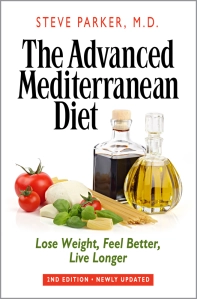
I’ve found that nearly everbody’s eyes glaze over if I try to explain how, physiologically, the Mediterranean diet promotes health and longevity. Below are some of the boring details, for posterity’s sake, from my 2007 book, The Advanced Mediterranean Diet: Lose Weight, Feel Better, Live Longer.

Many of the nutrient-disease associations I mention below are just that: associations, linkages, not hard proof of a benefit. Available studies are often contradictory. For instance, there may be 10 observational studies linking whole grain consumption with reduced deaths from heart disease, while three other studies find no association, or even suggest higher death rates. (I’m making these numbers up.) If you want hard proof, you’ll have to wait. A long time. Such is nutrition science. Take it all with a grain of salt.

Also note that the studies supporting my claims below are nearly all done in non-diabetic populations.

Coronary Heart Disease

Coronary heart disease, also known as coronary artery disease, is the No.1 cause of death in the world. It’s responsible for 40% of deaths in the United States and other industrialized Western countries. The Mediterranean diet is particularly suited to mitigating the ravages of coronary heart disease. Mediterranean diet cardiac benefits may be related to its high content of monounsaturated fat (in olive oil), folate, and antioxidants.

The predominant source of fat in the traditional Mediterranean diet is olive oil, which is rich in monounsaturated fatty acids. High intake of olive oil reduces blood levels of triglycerides, total cholesterol, and LDL (“bad”) cholesterol. HDL or “good” cho-lesterol is unaffected. Olive oil tends to lower blood pressure in hypertensive people. Monounsaturated fatty acids reduce cardiovascular risk substantially, particularly when they replace simple sugars and easily digestible starches. Monounsaturated fatty acids and olive oil may also reduce breast cancer risk. The cardioprotective (good for the heart) and cancer-reducing effects of olive oil may be partially explained by the oil’s polyphenolic compounds.

Nuts are another good source of monounsaturated fatty acids and polyunsaturated fatty acids, including some omega-3 polyunsaturated fatty acids. Nuts have been proven to be cardioprotective. They lower LDL and total cholesterol levels, while providing substantial fiber and numerous micronutrients, such as vitamin E, potassium, magnesium, and folic acid. Compared with those who never or rarely eat nuts, people who eat nuts five or more times per week have 30 to 50% less risk of a fatal heart attack. Lesser amounts of nuts are also cardioprotective, perhaps by reducing lethal heart rhythm dis-turbances.

Another key component of the Mediterranean diet is fish. Fish are excellent sources of protein and are low in cholesterol. Fatty, cold-water fish are particularly good for us because of their omega-3 polyunsaturated fatty acids: eicosapentaenoic acid (EPA) and docosahexanaenoic acid (DHA). The other important omega-3 polyunsaturated fatty acid is alpha-linolenic acid (ALA), available in certain plants. Our bodies can convert ALA into EPA and DHA, but not very efficiently. Fish oil supplements, which are rich in EPA, lead to lower total cholesterol and triglyce-ride levels. Fish oil supplements have several properties that fight atherosclerosis (hardening of the arteries). In people who have already had a heart attack, the omega-3 polyunsaturated fatty acids have proven to dramatically reduce cardiac deaths, especially sudden death, and nonfatal heart attacks. So omega-3 polyunsaturated fatty acids are “cardioprotective.”

The first sign of underlying coronary heart disease in many people is simply sudden death from a heart attack (myocardial infarction) or heart rhythm disturbance. These unfortunate souls had hearts that were ticking time bombs. I have little doubt that a significant number of such deaths can be prevented by adequate intake of cold-water fatty fish. As a substitute for fish, fish oil supplements might be just at beneficial. The American Heart Association also recommends fish twice weekly for the general population, or fish oil supplements if whole fish isn’t feasible. Compared with fish oil capsules, whole fish are loaded with vitamins, minerals, and protein. The richest fish sources of omega-3 polyunsaturated fatty acids are albacore (white) tuna, salmon, sar-dines, trout, sea bass, sword-fish, herring, mackerel, anchovy, halibut, and pompano.

Cardioprotective omega-3 polyunsaturated fatty acids (mainly ALA) are also provided by plants, such as nuts and seeds, legumes, and vegetables. Rich sources of ALA include walnuts, butternuts, soy-beans, flaxseed, almonds, leeks, purslane, pinto beans, and wheat germ. Purslane is also one of the few plant sources of EPA. Several oils are also very high in ALA: flaxseed, canola, and soybean. Look for them in salad dressings, or try cooking with them.

Macular Degeneration

Omega-3 fatty acid and fish consumption may also be “eye-protective.” Eating fish one to three times per week apparently helps prevent age-related macular degeneration (AMD), the leading cause of blindness in people over 50 in the United States. While AMD has a significant hereditary component, onset and progression of AMD are affected by diet and lifestyle choices. For instance, smoking cigarettes definitely increases your risk of developing AMD. Other foods associated with lower risk of AMD are dark green leafy vegetables, orange and yellow vegetables and fruits: spinach, kale, collard greens, yellow corn, broccoli, sweet potatoes, squash, orange bell peppers, oranges, mangoes, apricots, peaches, honeydew melon, and papaya. Two unifying phytochemicals in this food list are lutein and zeaxanthin, which are also found in red grapes, kiwi fruit, lima beans, green beans, and green bell peppers. Increasing your intake of these foods as part of the Advanced Mediterranean Diet may well help preserve your vision as you age.

Alzheimer’s Dementia

Another exciting potential benefit of fish consumption is prevention or delay of Alzheimer’s dementia. Several recent epidemiologic studies have suggested that intake of fish once or twice per week significantly reduces the risk of Alzheimer’s. Types of fish eaten were not specified. No one knows if fish oil capsules are equivalent. For now, I’m sticking with fatty cold-water fish, which I call my “brain food.”

Vitamin E supplements may slow the progression of established Alzheimer’s disease; clinical studies show either modest slowing of progression or no benefit. As a way to prevent Alzheimer’s, however, vitamin E supplements have been disappointing. On the other hand, high dietary vitamin E is associated with reduced risk of developing Alzheimer’s. Good sources of vitamin E include vegetable oils (especially sunflower and soybean), sunflower seeds, nuts, shrimp, fruits, and certain vegetables: sweet potatoes, asparagus, beans, broccoli, Brussels sprouts, carrots, okra, green peas, sweet peppers, spinach, and tomatoes. All of these are on your new diet.

Wine

For centuries, the healthier populations in the Mediterranean region have enjoyed wine in light to moderate amounts, usually with meals. Epidemiologic studies there and in other parts of the world have associated reasonable alcohol consumption with prolonged lifespan, reduced coronary artery disease, diminished Alzheimer’s and other dementias, and possibly fewer strokes. Alcohol tends to increase HDL cholesterol, have an antiplatelet effect, and may reduce C-reactive protein, a marker of arterial inflammation. These effects would tend to reduce cardiovascular disease. Wine taken with meals provides antioxidant phytochemicals (polyphenols, procyanidins) which may protect against atherosclerosis and some cancers.

What’s a “reasonable” amount of alcohol? An old medical school joke is that a “heavy drinker” is anyone who drinks more than the doctor does. Light to moderate alcohol consumption is generally consi-dered to be one or fewer drinks per day for a woman, two or fewer drinks per day for a man. One drink is 5 ounces of wine, 12 ounces of beer, or 1.5 ounces of 80 proof distilled spirits (e.g., vodka, whiskey, gin). The optimal health-promoting type of alcohol is unclear. I tend to favor wine, a time-honored component of the Mediterranean diet. Red wine in particular is a rich source of resveratrol, which is thought to be a major contributor to the cardioprotective benefits associated with light to moderate alcohol consumption. Grape juice may be just as good—it’s too soon to tell.

I have no intention of overselling the benefits of alcohol. If you are considering habitual alcohol as a food, be aware that the health benefits are still somewhat debatable. Consumption of three or more alcoholic drinks per day is clearly associated with a higher risk of breast cancer in women. Even one or two drinks daily may slightly increase the risk. Folic acid supplementation might mitigate the risk. If you are a woman and breast cancer runs in your family, strongly consider abstinence. Be cautious if there are alcoholics in your family; you may have inherited the predisposition. If you take any medications or have chronic medical conditions, check with your personal physician first. For those drinking above light to mod-erate levels, alcohol is clearly perilous. Higher dosages can cause hypertension, liver disease, heart failure, certain cancers, and other medical problems. And psychosocial problems. And legal problems. And death. Heavy drinkers have higher rates of violent and accidental death. Alcoholism is often fatal. You should not drink alcohol if you:

■ have a history of alcohol abuseor alcoholism
■ have liver or pancreas disease
■ are pregnant or trying to become pregnant
■ may have the need to operatedangerous equipment or machinery, such as an automobile, while under the influence of alcohol
■ have a demonstrated inability tolimit yourself to acceptable intake levels
■ have personal prohibitions due to religious, ethical, or other reasons.

Cancer

Do you ever worry about cancer? You should. It’s the second leading cause of death. Over 500,000 people die from cancer each year in the United States. One third of people in the United States will develop cancer. Twenty percent of us will die from cancer. About half the deaths are from cancer of the lung, breast, and colon/rectum. Are you worried yet?

According to the American Cancer Society, one third of all cancer deaths can be attributed to diet and inadequate physical activity. So we have some control over our risk of developing cancer. High consumption of fruits and vegetables seems to protect against cancer of the lung, stomach, colon, rectum, oral cavity, and esophagus, although other studies dispute the protective linkage. Data on other cancers is limited or inconsistent. If you typically eat little or no fruits and vegetables, you can start today to cut your cancer risk by up to one half. Five servings of fresh fruits and vegetables a day seems to be the protective dose against cancer. Make it a life-long habit. The benefits accrue over time. Fruits and vegetables contain numerous phytochemicals thought to improve or maintain health, such as carotenoids (e.g., lycopene), lignans, phytosterols, sulfides, isothyocyanates, phenolic compounds (including flavonoids, resveratrol, phytoestrogens, antho-cyanins, and tannins), protease inhibitors, capsaicin, vitamins, and minerals.

In addition to cancer prevention properties, fruits and vegetables provide fiber, which is the part of plants resistant to digestion by our enzymes. The other source of fiber is grain products, especially whole grains. Liberal intake of fiber helps prevent constipation, diverticular disease, hemorrhoids, irritable bowel syndrome, and perhaps colon polyps. Soluble fiber helps control blood sugar levels in diabetics. It also reduces LDL cholesterol levels, thereby reducing risks of coronary heart disease. Whether or not related to fiber, high fruit and vegetable intake may reduce the risks of coronary heart disease and stroke. Legume consumption in particular has been associated with a 10 to 20% lower risk of coronary heart disease, with the effective dose being around four servings per week.

Fiber and Whole Grains

Processed, refined grain products have much less fiber than do whole grains. For instance, white all-purpose enriched flour has only about one fourth the fiber of whole wheat flour. The milling process removes the bran, germ, and husk (chaff), leaving only the endosperm as the refined product, flour. Endosperm is mostly starch and 10–15% protein. Many nutrients are lost during processing. The germ is particularly rich in vitamins (especially B vitamins), polyunsaturated fatty acids, antioxidants, trace minerals, and phytochemicals. Phytochemicals protect us against certain chronic diseases. Bran is high in fiber and nutrients: B vitamins, iron, magnesium, copper, and zinc, to name a few. Enriched grain products are refined grains that have had some, but certainly not all, nutrients added back, typically iron, thiamin, niacin, riboflavin, and folate. Why not just eat the whole grain? Whole grain products retain nearly all the nutrients found in the original grain. Hence, they are more nutritious than refined and enriched grain products.

Liberal intake of high-fiber whole grain foods, as contrasted with refined grains, is linked to lower risk of death and lower incidence of coronary heart disease and type 2 diabetes mellitus. For existing diabetics, whole grain consumption can help im-prove blood sugar levels. Three servings of whole grains per day cut the risk of coronary heart disease by about 25 percent compared with those who rarely eat whole grains. Regular consumption of whole grains may also substantially reduce the risk of sev-eral forms of cancer.

Average adult fiber intake in the United States is 12 to 15 grams daily. Expert nutrition panels and the American Heart Association recommend 25 to 30 grams daily from whole grains, fruits, and vegetables.

The health benefits of the Mediterranean diet likely spring from synergy among multiple Mediteranean diet components, rather than from a single food group or one or a few food items.

Steve Parker, M.D.