Category Archives: Alcohol

Alcohol’s Hidden Cancer Risks Revealed

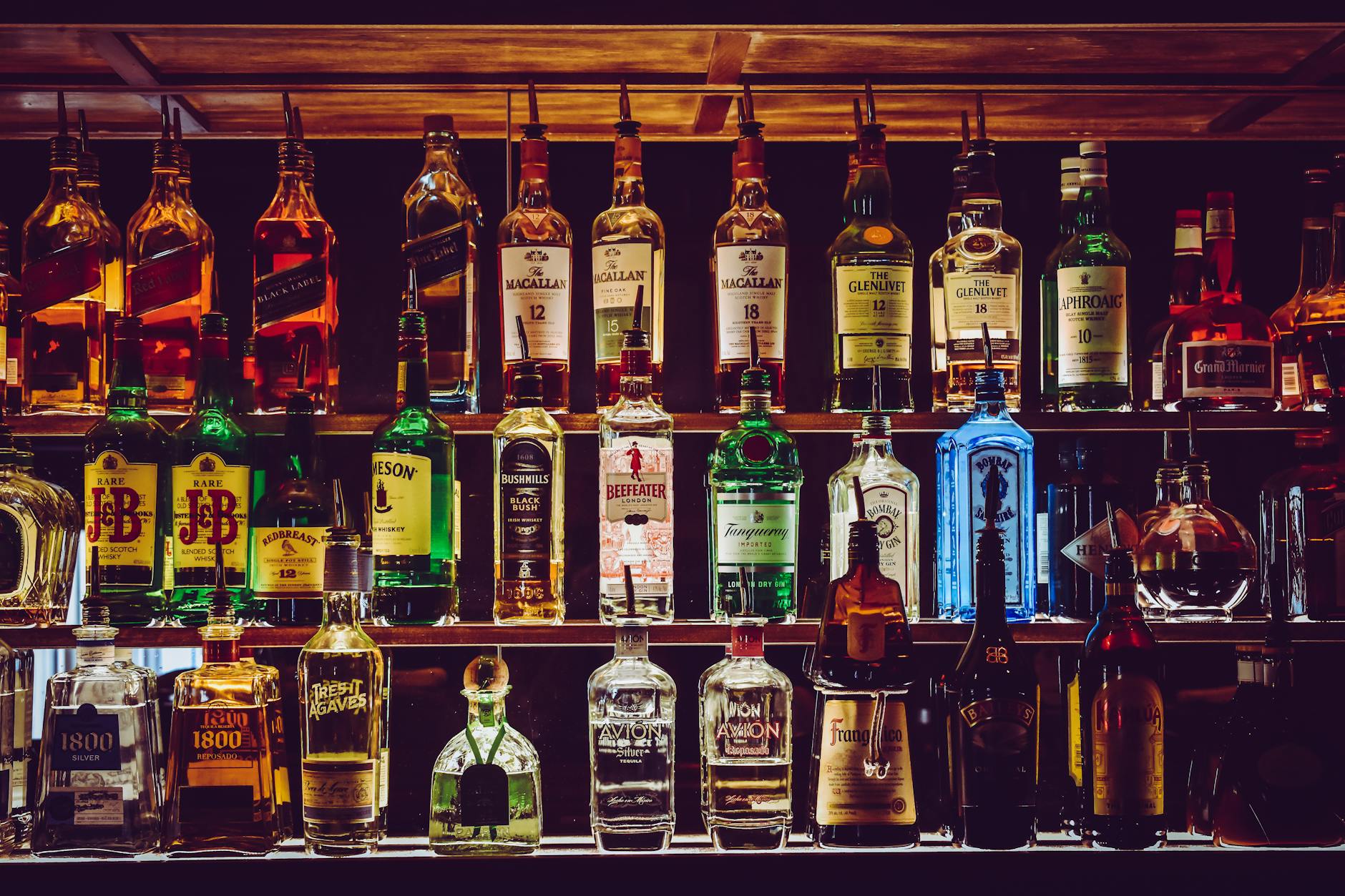
Photo by Chris F on Pexels.com

In January of this year, then-U.S. Surgeon General Vivek Murthy announced that drinking alcohol causes more cancer than previously thought. He proposed that alcohol be labelled with a new warning about this.

Alcohol consumption is thought to be the third-leading cause of preventable cancer in the U.S., behind tobacco and obesity. It is linked to cancer of the breast, throat, esophagus, liver, colorectum, larynx, and mouth (pharynx). In the U.S., alcohol reportedly causes 100,000 yearly cancers, leading to 20,000 yearly deaths. One or even fewer drinks per day may cause breast, mouth, and throat cancer.

And let’s not forget the yearly 13,500 alcohol-related traffic crash fatalities.

I may need to re-think the inclusion of alcohol as an option in my Advanced Mediterranean Diet.

Steve Parker, M.D.
Have You Heard of “Dry January”?

See you in February. Or not.

I’ve run across a number of people who slowly increased their alcohol consumption over months or years, not realizing it was causing or would cause problems for them. Alcohol is dangerous, lethal at times.

From a health standpoint, the generally accepted safe levels of consumption are:

  • no more than one standard drink per day for women
  • no more than two standard drinks per day for men

One drink is 5 ounces of wine, 12 ounces of beer, or 1.5 ounces of 80 proof distilled spirits (e.g., vodka, whiskey, gin).

Dry January was conceived in the UK in 2012 or 2014. (A related concept is Sober October.) The idea is simply to abstain from all alcohol for the month of January. The Alcohol Change UK website can help you git ‘er done. Many folks notice that they sleep better, have more energy, lose weight, and save money. There are other potential benefits.

If you think you may have an unhealthy relationship with alcohol, check your CAGE score. It’s quick and easy.

Alternatively, if you make a commitment to a Dry January but can’t do it, you may well have a problem.

Steve Parker, M.D.

“Dry January” Is Almost Over: Should You Extend It to 100 Days?

I don’t know Andrew Huberman’s credentials or reliability, but you might find the following helpful. I haven’t watched it yet and may never; it’s two hours.

Are You Doing the “Dry January” Thing? Don’t Give Up!

This YouTuber mentions a book by Allen Carr: “Quit Drinking Without Willpower.” Comedian Nikki Glaser elsewhere has lauded Carr’s “The Easy Way to Stop Drinking,” but I can’t find that at Amazon.com. I did see his “The Easy Way for Women to Stop Drinking,” “The Easy Way to Control Alcohol,” and “Stop Drinking Now.”

It’s Almost Time for Dry January

See you in February. Or not.

I’ve run across a number of people who slowly increased their alcohol consumption over months or years, not realizing it was causing or would cause problems for them. Alcohol is dangerous, lethal at times.

From a health standpoint, the generally accepted safe levels of consumption are:

  • no more than one standard drink per day for women
  • no more than two standard drinks per day for men

One drink is 5 ounces of wine, 12 ounces of beer, or 1.5 ounces of 80 proof distilled spirits (e.g., vodka, whiskey, rum, gin).

Dry January was conceived in the UK in 2012 or 2014. (A related concept is Sober October.) The idea is simply to abstain from all alcohol for the month of January. The Alcohol Change UK website can help you git ‘er done. Many folks notice that they sleep better, have more energy, lose weight, and save money. There are other potential benefits.

If you think you may have an unhealthy relationship with alcohol, check your CAGE score. It’s quick and easy.

Alternatively, if you make a commitment to a Dry January but can’t do it, you may well have a problem.

Steve Parker, M.D.

PS: Check out this video about the benefits of sobriety.

PPS: This guy quit drinking for 30 days:

Have You Heard of Dry January?

See you in February. Or not.

I’ve run across a number of people who slowly increased their alcohol consumption over months or years, not realizing it was causing or would cause problems for them. Alcohol is dangerous, lethal at times.

From a health standpoint, the generally accepted safe levels of consumption are:

  • no more than one standard drink per day for women
  • no more than two standard drinks per day for men

One drink is 5 ounces of wine, 12 ounces of beer, or 1.5 ounces of 80 proof distilled spirits (e.g., vodka, whiskey, gin).

Dry January was conceived in the UK in 2012 or 2014. (A related concept is Sober October.) The idea is simply to abstain from all alcohol for the month of January. The Alcohol Change UK website can help you git ‘er done. Many folks notice that they sleep better, have more energy, lose weight, and save money. There are other potential benefits.

If you think you may have an unhealthy relationship with alcohol, check your CAGE score. It’s quick and easy.

Alternatively, if you make a commitment to a Dry January but can’t do it, you may well have a problem.

Steve Parker, M.D.

Drink Less and Live

Jameson’s in a hotel bar near Chicago

A few months ago I ran across a thoughtful article by Morris van de Camp titled Love Drinking Less. It’s well worth a read if your alcohol consumption is out of control or heading that way.

Alcohol is a two-edged sword. On the one hand it makes life fun and turns strangers into intimate friends in the course of an evening; on the other, it makes a person dysfunctional. Very dysfunctional. Productive time is lost, relationships are damaged, and health is harmed.

I cannot say that I’ve “struggled” with alcohol in the truest sense. I’ve never been arrested for drunk driving, and I’ve had no serious relationship trouble from drinking. All of my drinking has been in an appropriate time and place — but one drink inevitably would lead to another. I’d wind up accidently drunk when I really wanted a light buzz. I also found that when the time came up when I’d be free to drink, I looked a bit too much forward to it.

If you’re a tippler, this is the time of year to consider a “Dry January.” You may learn something about yourself. Be kind to your liver — you only have one.

Steve Parker, M.D.

PS: It’s also time to decide on your weight loss program for the new year.

front cover of paleobetic diet

Click to purchase at Amazon.com. E-book also available at Smashwords. com.

Will Alcohol Wreck a Ketogenic Diet?

Jameson’s in a hotel bar near Chicago

Judicious alcohol consumption is a reasonable component of many successful ketogenic diets. But the practice can also be a dangerous minefield. Anne Mullins over at DietDoctor has a great article that will steer you away from the mines. An excerpt:

Nyström notes that alcohol is actually the fourth macronutrient after protein, fats and carbohydrates, and that in many nutrition studies its intake is often overlooked. In Mediterranean countries like Greece and Italy, alcohol makes up about 10 % of caloric intake and may partially contribute to the touted benefits of the Mediterranean diet, Nyström says.

Drinking alcohol, however, may slow weight loss for some. Dr. Sarah Hallberg [R.I.P.] advises her patients who are trying to lose weight and/or reverse diabetes to have a maximum 1 glass of wine for women and 2 for men, and not every day. “If they experience any weight stall, I recommend they stop the alcohol completely,” says Hallberg.

Both Dr. Jason Fung and Dr. Ted Naiman discourage any alcohol use among patients in their care who are still trying to lose weight, reverse diabetes or heal a fatty liver (see point 5). “I find alcohol is not conducive to steady weight loss,” says Fung.

Read the whole thing to learn about the dopamine reward system, alcohol abuse and addiction, liver diseases, and hangovers. If you often drink to the point of hangovers, that’s too much alcohol!

Steve Parker, M.D.

PS: The Advanced Mediterranean Diet includes a doctor-designed ketogenic diet as one option for weight loss.

front cover of paleobetic diet

Click to purchase at Amazon.com. E-book also available at Smashwords. com.

Alcohol: Should You Do a “Dry January”?

Goodbye to you. Maybe see you in February.

I’ve run across a number of people who slowly increased their alcohol consumption over months or years, not realizing it was causing or would cause problems for them. Alcohol is dangerous, lethal at times.

From a health standpoint, the generally accepted safe levels of consumption are:

  • no more than one standard drink per day for women
  • no more than two standard drinks per day for men

One drink is 5 ounces of wine, 12 ounces of beer, or 1.5 ounces of 80 proof distilled spirits (e.g., vodka, whiskey, gin).

Dry January was conceived in the UK in 2012 or 2014. The idea is simply to abstain from all alcohol for the month of January. The Alcohol Change UK website can help you git ‘er done. Many folks notice that they sleep better, have more energy, lose weight, and save money. There are other potential benefits.

If you think you may have an unhealthy relationship with alcohol, check your CAGE score. It’s quick and easy.

Alternatively, if you make a commitment to a Dry January but can’t do it, you may well have a problem.

Steve Parker, M.D.

Low to Moderate Alcohol Drinking Linked to Improved Cognitive Function in Adults

Jameson’s in a hotel bar near Chicago

From JAMA network:

These findings suggested that low to moderate alcohol drinking was associated with better global cognition scores, and these associations appeared stronger for white participants than for black participants.

Source: Association of Low to Moderate Alcohol Drinking With Cognitive Functions From Middle to Older Age Among US Adults | Dementia and Cognitive Impairment | JAMA Network Open | JAMA Network

     Steve Parker, M.D.

front cover of paleobetic diet

Click to purchase at Amazon.com. E-book also available at Smashwords. com.